
















Copyright: ©Author(s) 2026.
World J Psychiatry. Aug 19, 2026; 16(8): 120370
Published online Aug 19, 2026. doi: 10.5498/wjp.120370
Published online Aug 19, 2026. doi: 10.5498/wjp.120370
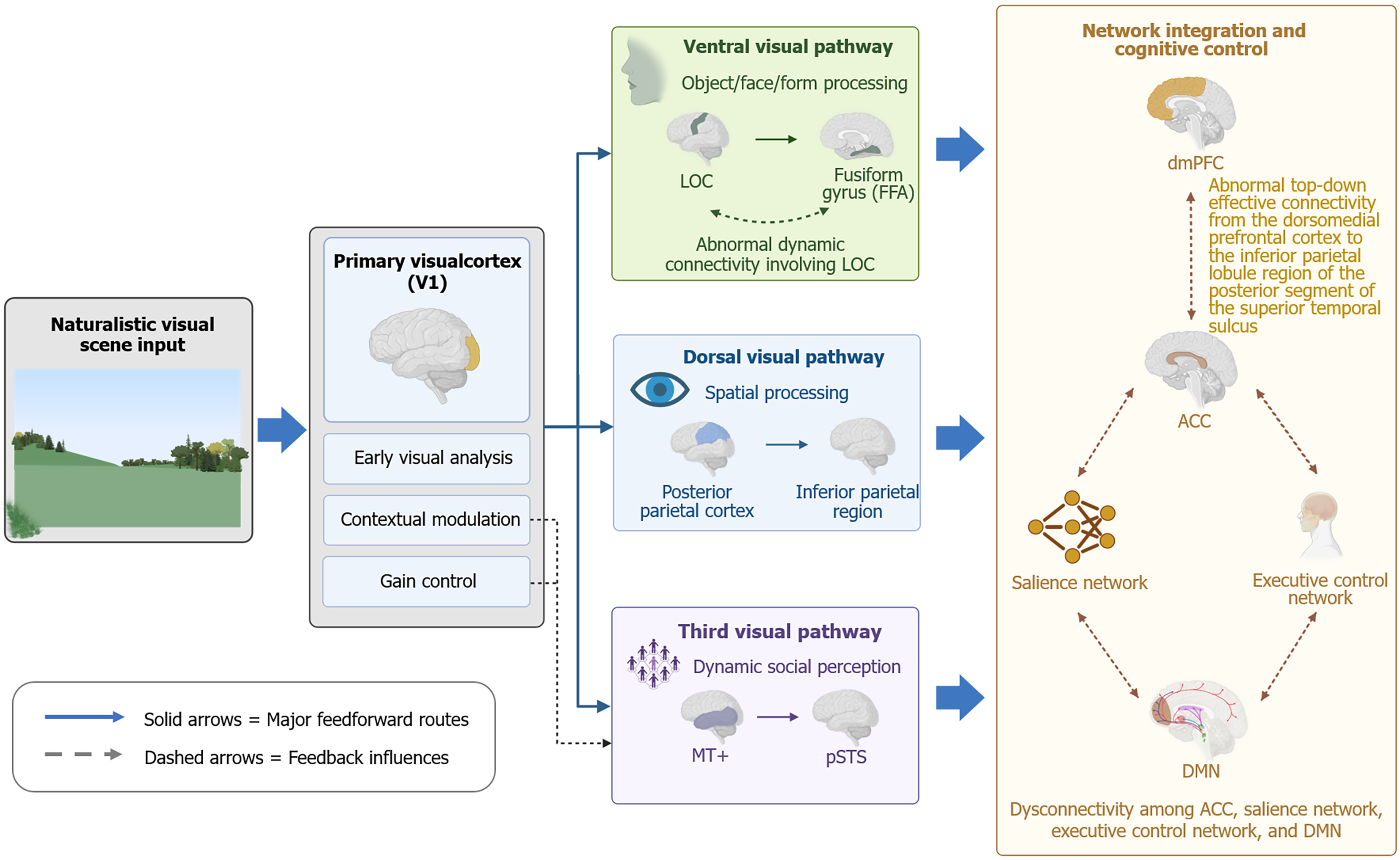
Figure 1 A schematic overview of visual pathways and brain networks associated with scene perception in schizophrenia.
This figure summarizes the main visual pathways and high-order brain networks associated with scene perception in schizophrenia, illustrating the hierarchical processing of visual information from early processing in the primary visual cortex to the ventral, dorsal and third visual pathways, as well as the interactions between these pathways and large-scale brain systems responsible for network integration and cognitive control. This figure highlights the potential pathological basis of scene perception impairment in schizophrenia: Abnormalities in information flow, effective connectivity and network coordination. LOC: Lateral occipital cortex; dmPFC: Dorso-medial prefrontal cortex; ACC: Anterior cingulate cortex; DMN: Default mode network; MT+: Middle temporal visual area complex; pSTS: Posterior superior temporal sulcus.
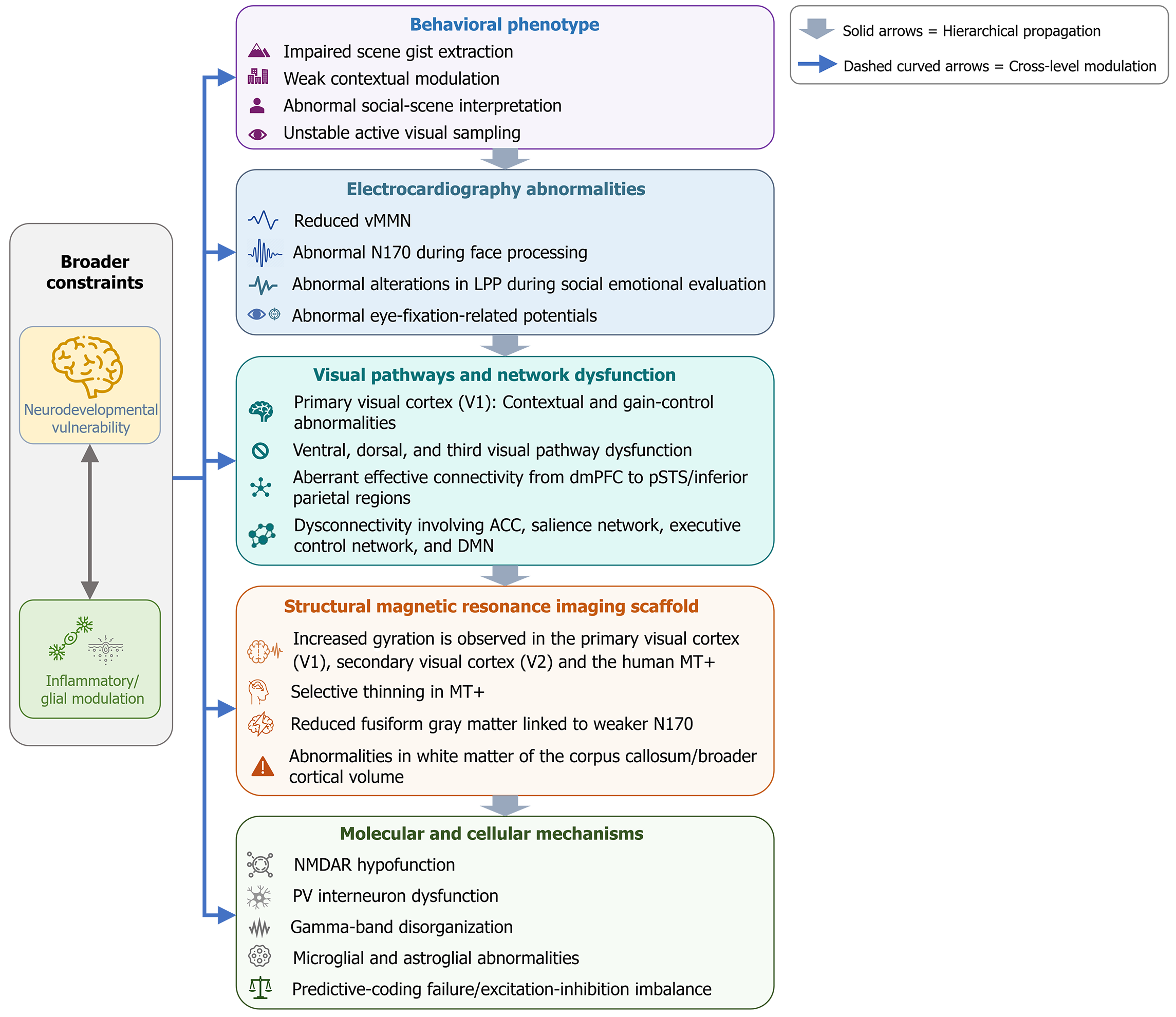
Figure 2 A multilevel pathological model of scene perception impairment in schizophrenia.
This figure summarizes a multilevel analytical framework for scene perception impairment in schizophrenia, integrating behavioral phenotypes, electrophysiological abnormalities, visual pathway and large-scale network dysfunction, structural magnetic resonance imaging alterations, as well as molecular and cellular mechanisms. This model elucidates how abnormalities across the aforementioned levels interact synergistically to impair scene understanding capacity and trigger related functional dysfunctions in patients with schizophrenia. Solid arrows indicate hierarchical cascade propagation between levels, while dashed arrows represent cross-level feedback and regulation. This framework represents an integrated model based on existing research evidence, rather than a strictly linear causal sequence. vMMN: Visual mismatch negativity; LPP: Late positive potential; dmPFC: Dorso-medial prefrontal cortex; pSTS: Posterior superior temporal sulcus; ACC: Anterior cingulate cortex; DMN: Default mode network; MT+: Middle temporal visual areacomplex; NMDAR: N-methyl-D-aspartate receptor; PV: Parvalbumin.
- Citation: Fan Z, Lv KY, Zhang J, Wang TT, Liu XH, Wang WL, Zhou ZH, Zhou HL. Neurobiological mechanisms and clinical implications of scene perception impairment in schizophrenia. World J Psychiatry 2026; 16(8): 120370
- URL: https://www.wjgnet.com/2220-3206/full/v16/i8/120370.htm
- DOI: https://dx.doi.org/10.5498/wjp.120370