
















Copyright: ©Author(s) 2026.
World J Psychiatry. Aug 19, 2026; 16(8): 119250
Published online Aug 19, 2026. doi: 10.5498/wjp.119250
Published online Aug 19, 2026. doi: 10.5498/wjp.119250
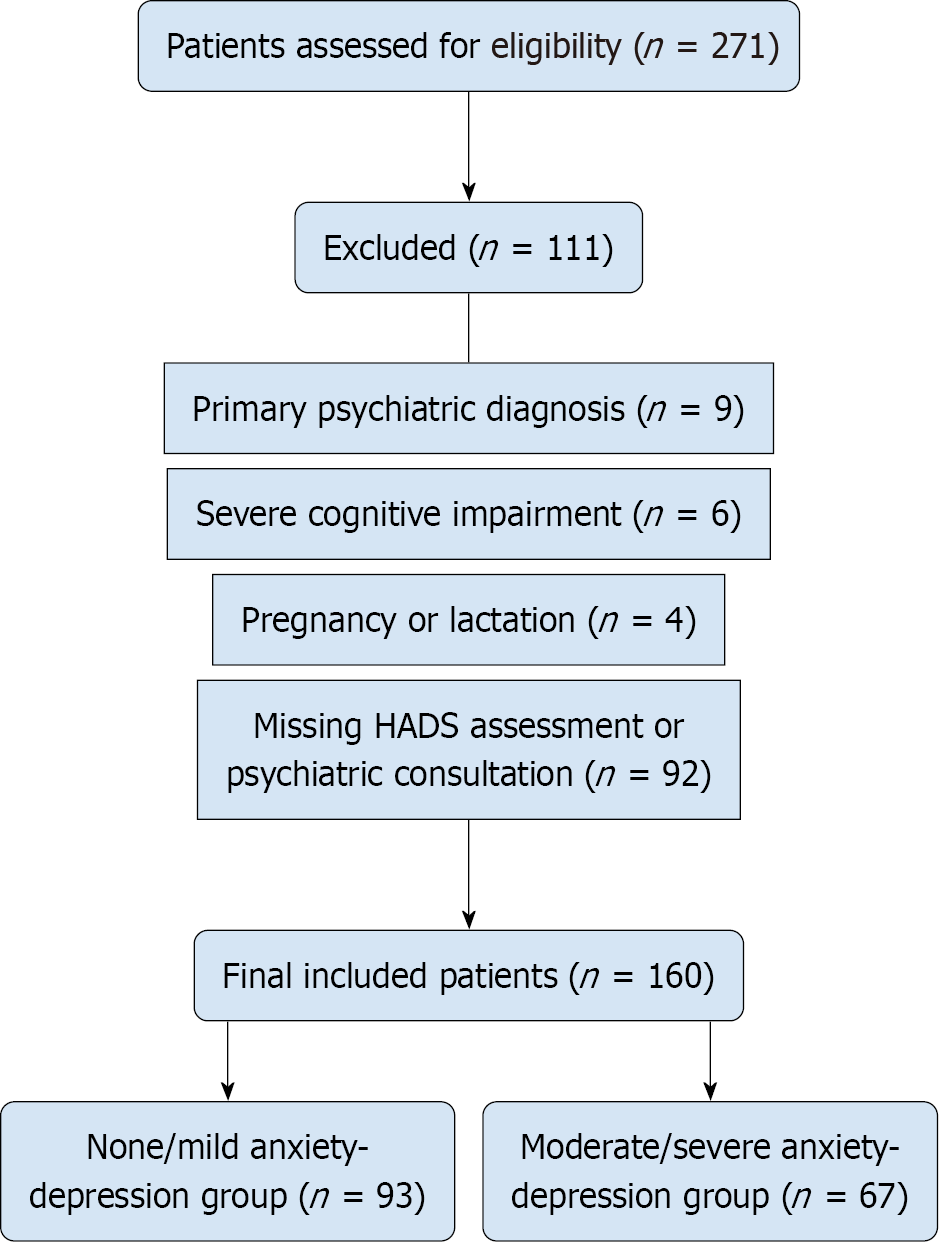
Figure 1 The patient screening and inclusion process.
HADS: Hospital Anxiety and Depression Scale.
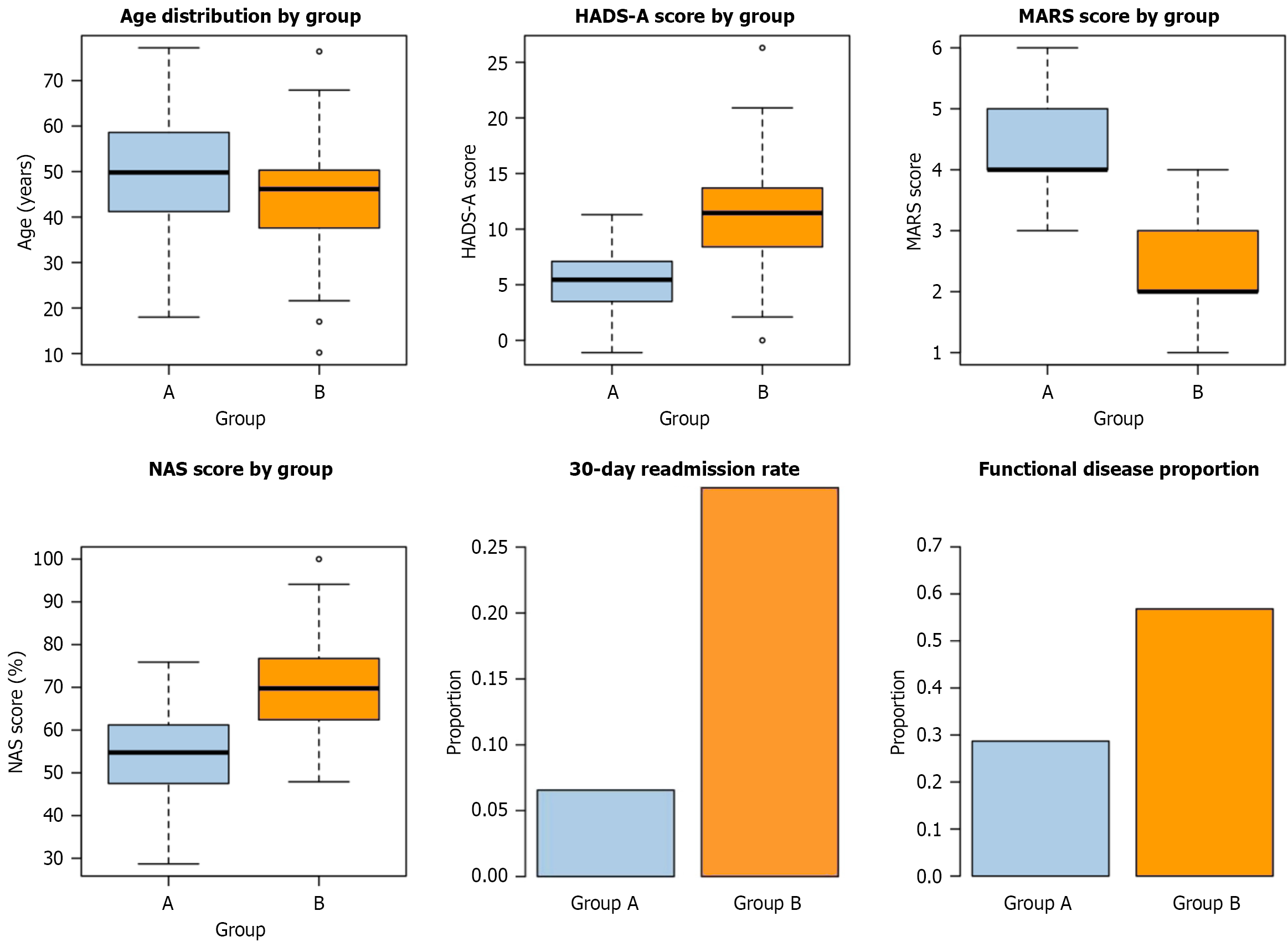
Figure 2 Comparison of baseline patient characteristics.
HADS-A: Hospital Anxiety and Depression Scale-anxiety subscale; MARS: Medication Adherence Reporting Scale; NAS: Nursing Activity Rating Scale.
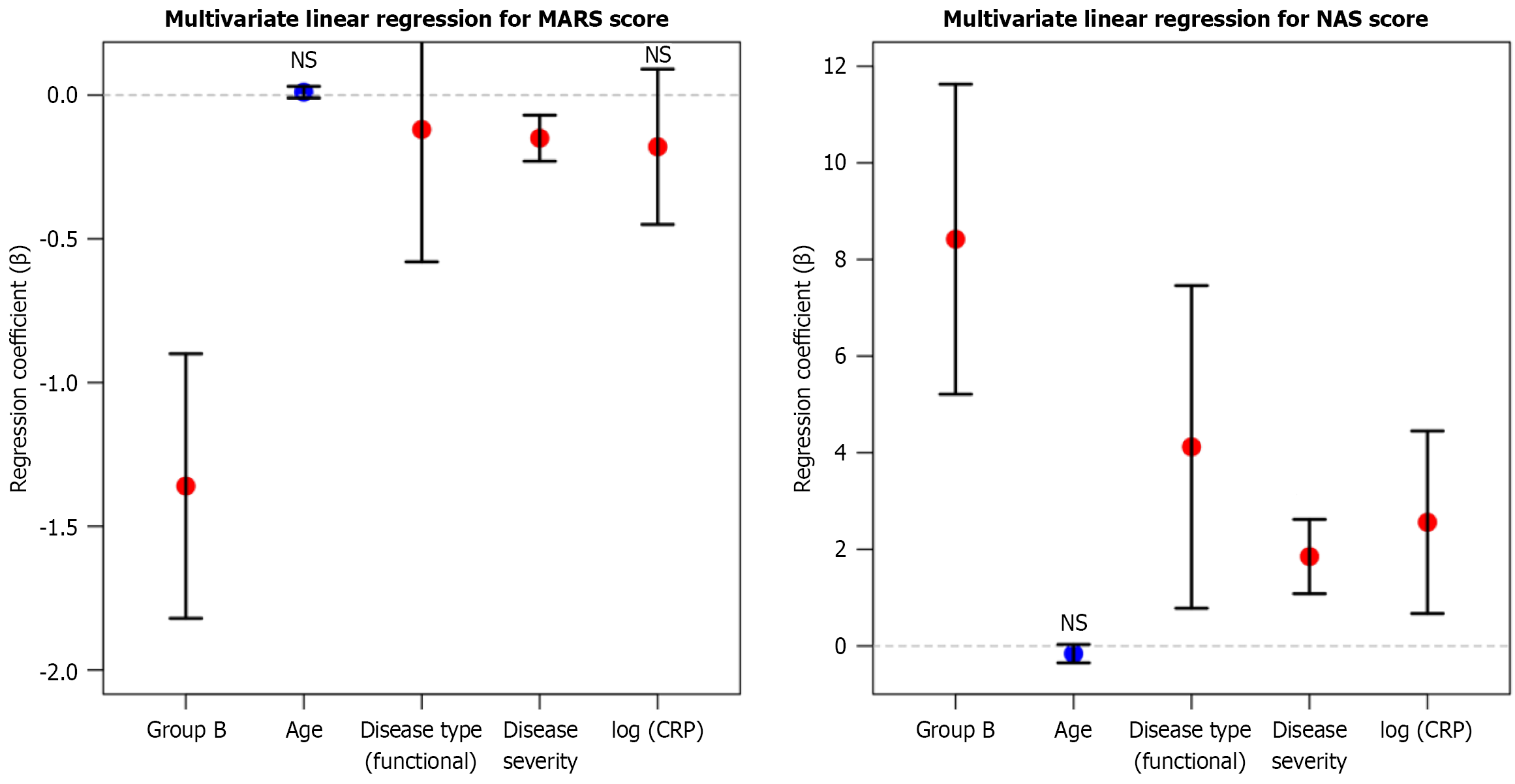
Figure 3 Multivariate linear regression analysis of the impact of anxiety/depression status on primary outcome indicators.
MARS: Medication Adherence Reporting Scale; NAS: Nursing Activity Rating Scale; CRP: C-reactive protein; NS: Not significant.
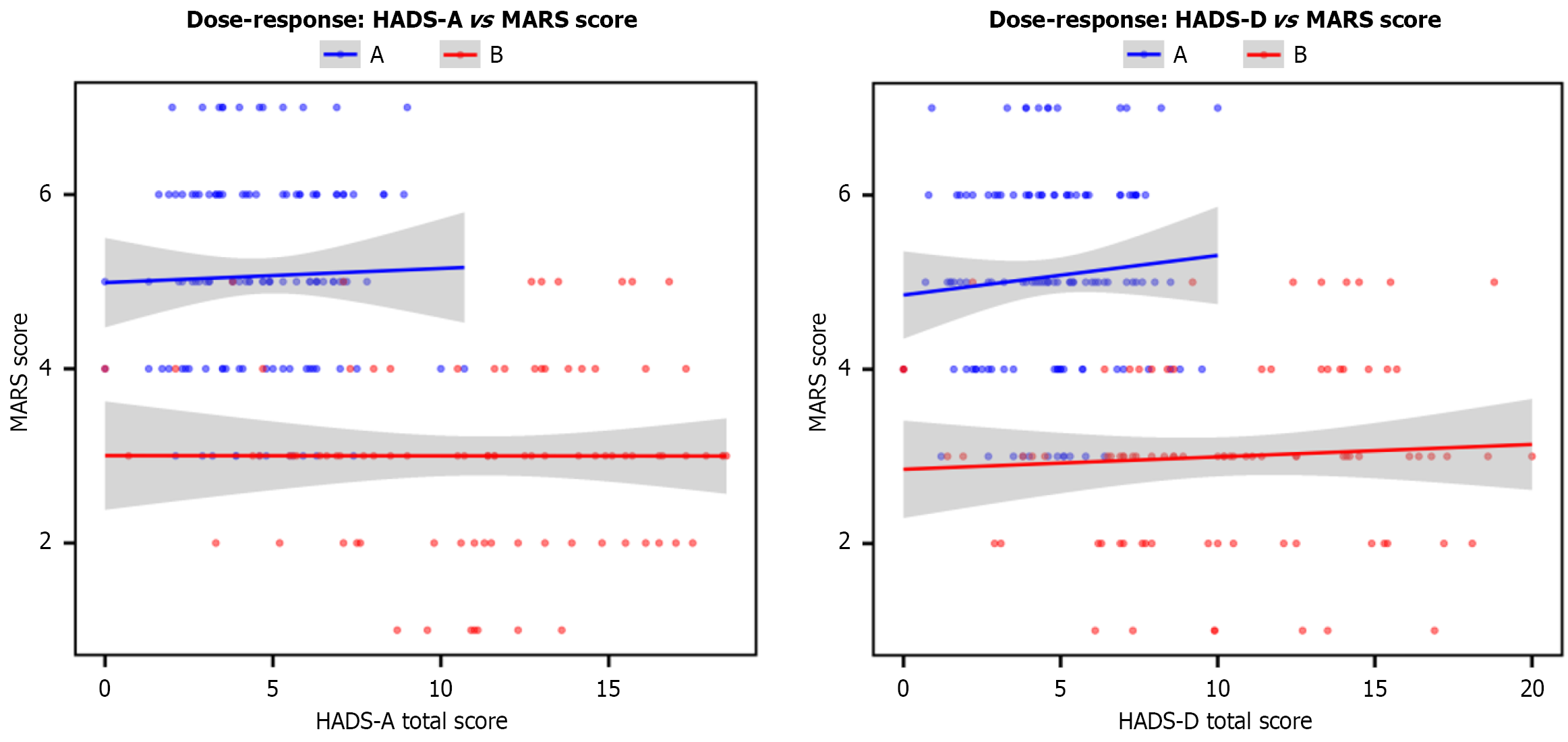
Figure 4 Dose-response relationship analysis of anxiety (Hospital Anxiety and Depression Scale-anxiety subscale) and depression (Hospital Anxiety and Depression Scale-depression subscale) symptom scores on primary outcomes.
HADS-A: Hospital Anxiety and Depression Scale-anxiety subscale; HADS-D: Hospital Anxiety and Depression Scale-depression subscale; MARS: Medication Adherence Reporting Scale.
- Citation: Lv ZT, Chen J, Fang SY. Impact of anxiety and depression on treatment adherence and nursing workload in hospitalized patients with gastrointestinal diseases. World J Psychiatry 2026; 16(8): 119250
- URL: https://www.wjgnet.com/2220-3206/full/v16/i8/119250.htm
- DOI: https://dx.doi.org/10.5498/wjp.119250