















Copyright: ©Author(s) 2026.
World J Psychiatry. Aug 19, 2026; 16(8): 116277
Published online Aug 19, 2026. doi: 10.5498/wjp.v16.i8.116277
Published online Aug 19, 2026. doi: 10.5498/wjp.v16.i8.116277
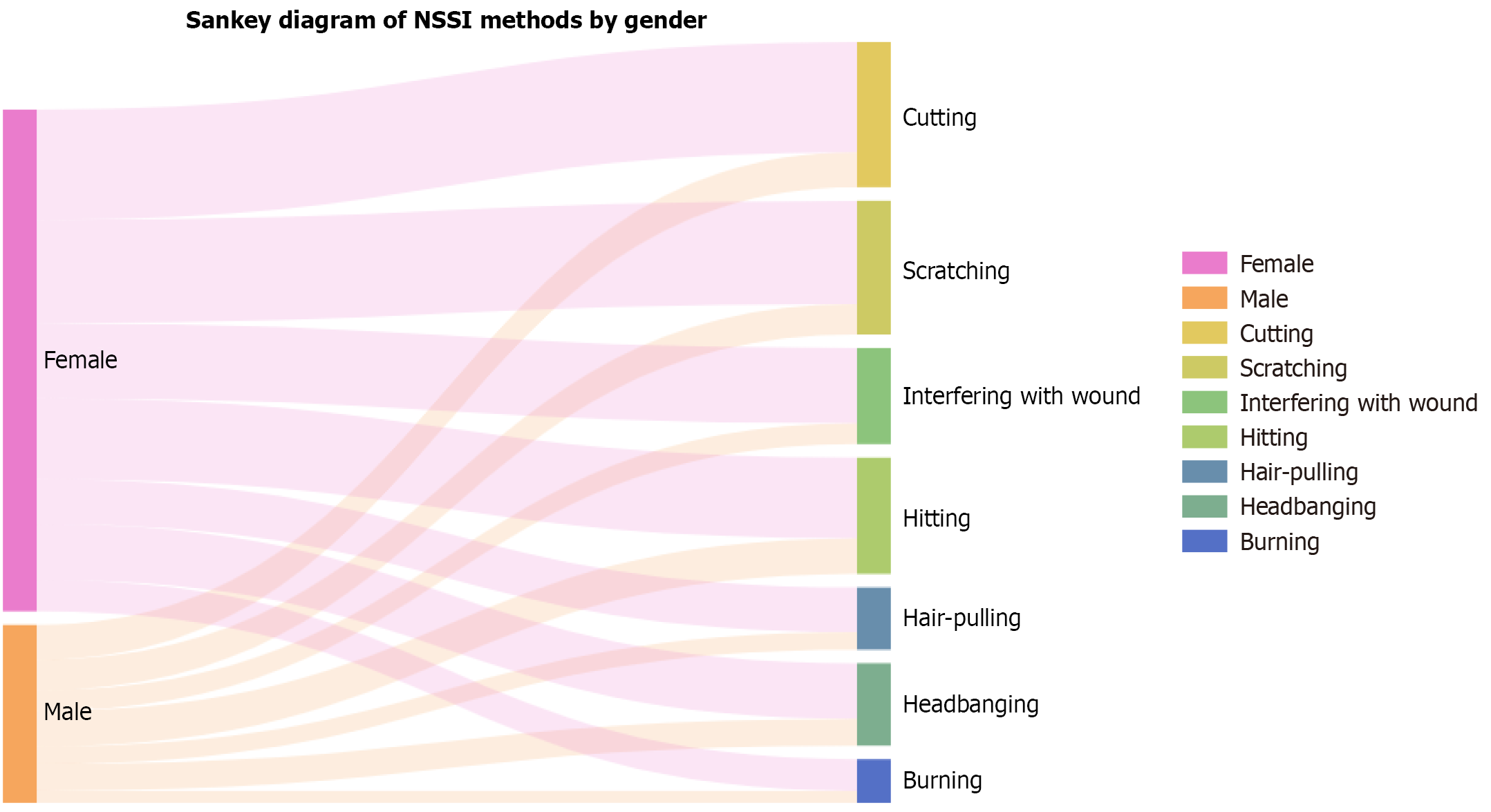
Figure 1 Sankey diagram of non-suicidal self-injury method preferences by gender.
The diagram illustrates the proportional flow from participant gender (left nodes) to the specific non-suicidal self-injury methods they reported (right nodes). Band width corresponds to the relative frequency of endorsement. NSSI: Non-suicidal self-injury.
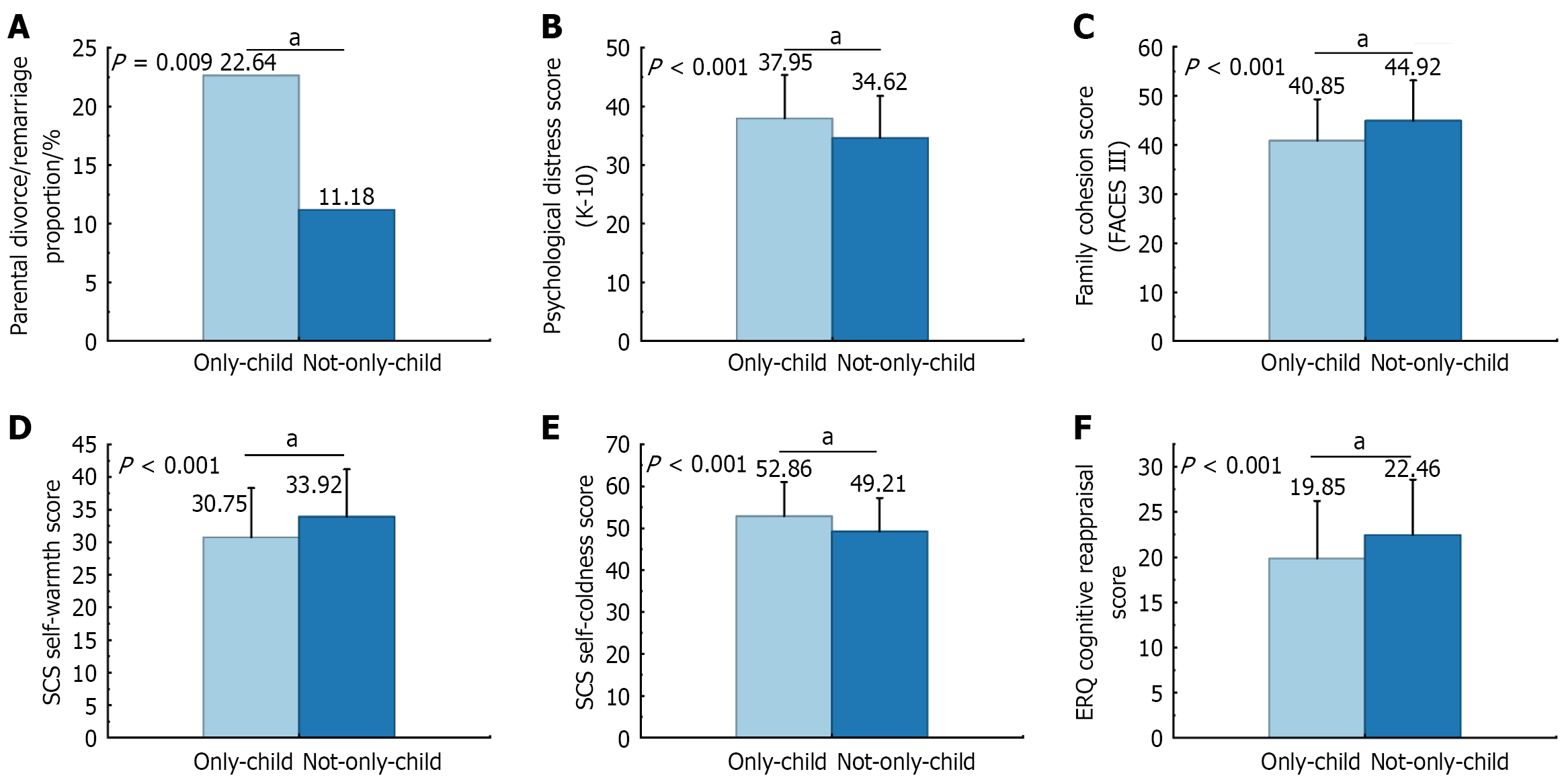
Figure 2 Comparison of psychological and family factors between only-child and non-only-child adolescents.
A: Parental divorce rate; B: Psychological distress; C: Family cohesion; D: Self-warmth; E: Self-coldness; F: Cognitive reappraisal. Statistical annotations on the bars denote significant intergroup differences. aP < 0.05. SCS: Self-Compassion Scale; FACES: Family Adaptation and Cohesion Evaluation Scales; ERQ: Emotion Regulation Questionnaire.
- Citation: Qiang XY, Liu JH, Song XH. Factors influencing non-suicidal self-injury in adolescents with mood disorders: Focusing on gender differences and only-child vs non-only-child disparities. World J Psychiatry 2026; 16(8): 116277
- URL: https://www.wjgnet.com/2220-3206/full/v16/i8/116277.htm
- DOI: https://dx.doi.org/10.5498/wjp.v16.i8.116277