
















Copyright: ©Author(s) 2026.
World J Psychiatry. Jul 19, 2026; 16(7): 120249
Published online Jul 19, 2026. doi: 10.5498/wjp.120249
Published online Jul 19, 2026. doi: 10.5498/wjp.120249
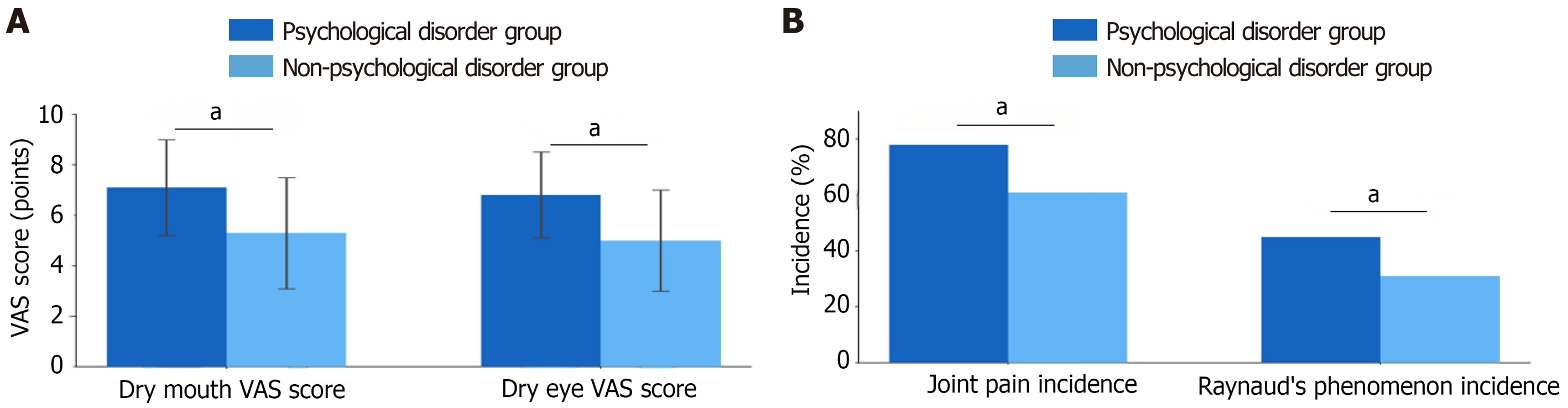
Figure 1 Comparison of clinical symptom severity between psychological disorder and non-psychological disorder groups in Sjögren’s syndrome patients.
A: Dry mouth and dry eye visual analogue scale (VAS) scores; B: Incidence of joint pain and Raynaud’s phenomenon. Patients with psychological disorders (PD) demonstrated significantly more severe clinical symptoms compared to those without PDs, including higher VAS scores for dry mouth (7.2 ± 1.8 vs 5.4 ± 2.1) and dry eye symptoms (6.9 ± 2.0 vs 5.1 ± 2.3), as well as increased incidence of systemic manifestations such as joint pain (78.2% vs 61.5%) and Raynaud’s phenomenon (45.5% vs 30.8%). These findings indicate that PDs in Sjögren’s syndrome patients are associated with more severe subjective symptom burden and higher prevalence of systemic complications, suggesting a strong correlation between mental health status and disease-related symptom severity. aP < 0.05. VAS: Visual analogue scale.
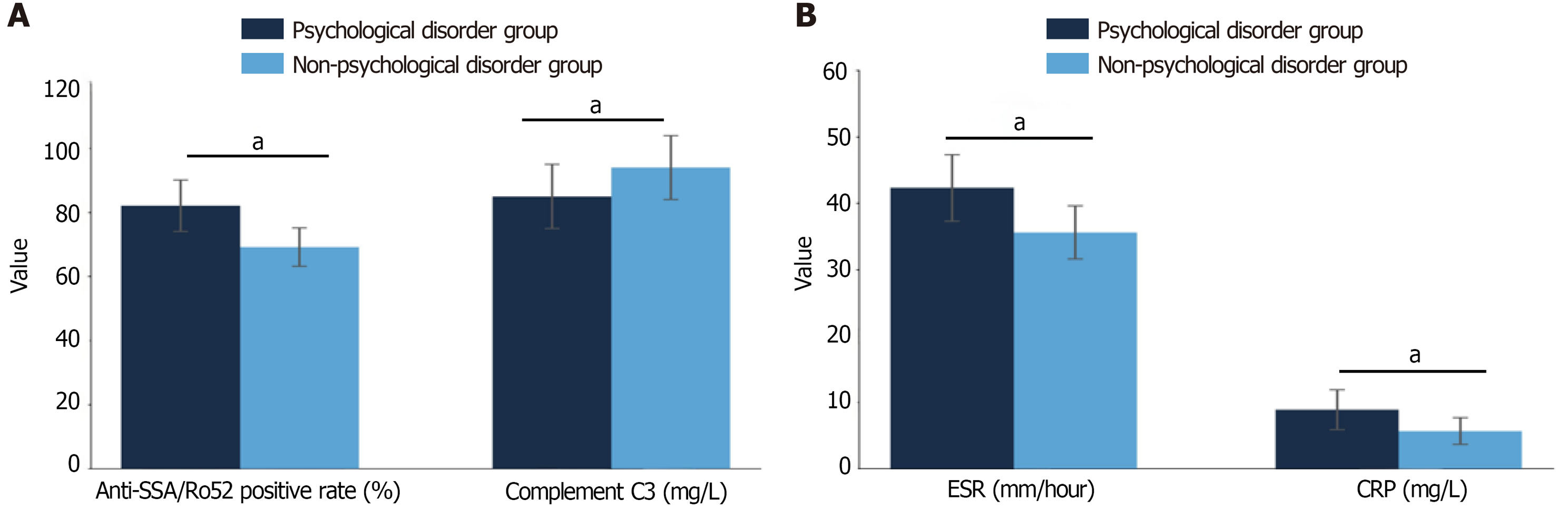
Figure 2 Comparison of autoimmune and inflammatory markers between psychological disorder and non-psychological disorder groups in Sjögren’s syndrome patients.
A: Anti-SSA/Ro52 antibody positivity rate and complement component 3 (C3) level; B: Erythrocyte sedimentation rate (ESR) and C-reactive protein (CRP) level. Patients with psychological disorders (PD) exhibited significantly more active autoimmune and inflammatory profiles, characterized by higher anti-SSA/Ro52 antibody positivity rates (82.1% vs 69.2%), lower complement C3 levels (85 ± 23 mg/L vs 94 ± 21 mg/L), and elevated inflammatory markers including ESR (42.3 ± 18.7 mm/hour vs 35.6 ± 16.2 mm/hour) and CRP (8.9 ± 12.4 mg/L vs 5.7 ± 8.3 mg/L). These laboratory findings suggest that PDs in Sjögren’s syndrome patients are associated with heightened systemic inflammation and more pronounced autoimmune activity, indicating a potential bidirectional relationship between immune dysfunction and mental health status. aP < 0.05. ESR: Erythrocyte sedimentation rate; CRP: C-reactive protein; C3: Complement component 3.
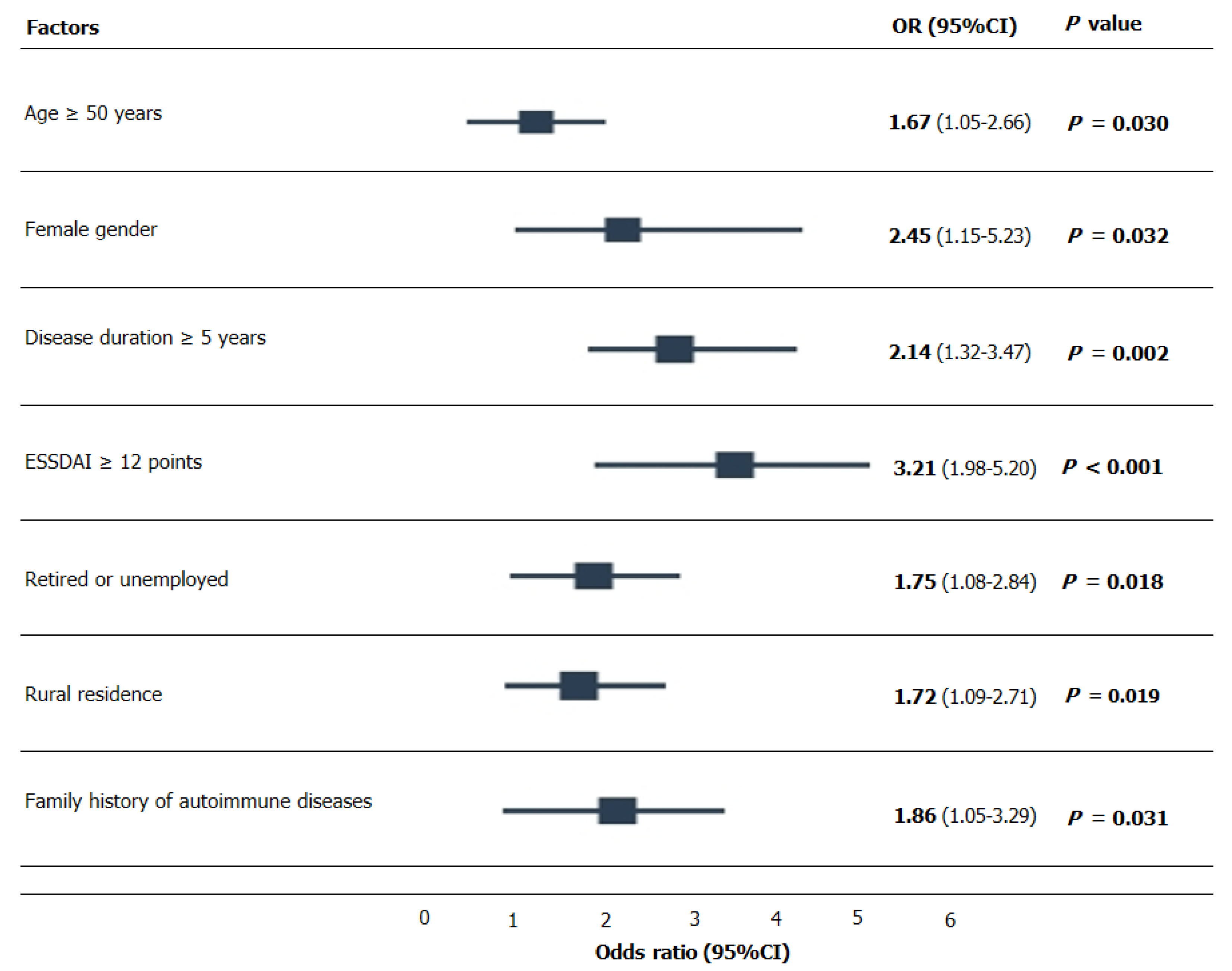
Figure 3 Forest plot of univariate logistic regression analysis for risk factors of psychological disorders in Sjögren’s syndrome patients.
Univariate logistic regression analysis identified seven significant risk factors for psychological disorders (PD) in Sjögren’s syndrome (SS) patients, including demographic characteristics (age ≥ 50 years, female gender), disease-related factors [disease duration ≥ 5 years, European League Against Rheumatism SS Disease Activity Index (ESSDAI) ≥ 12 points], and socioeconomic factors (retirement/unemployment, rural residence, family history of autoimmune diseases). Among these factors, ESSDAI ≥ 12 points demonstrated the strongest association with PDs [odds ratio (OR) = 3.21, 95% confidence interval: 1.98-5.20, P < 0.001], followed by female gender (OR = 2.45) and disease duration ≥ 5 years (OR = 2.14), suggesting that disease activity, demographic characteristics, and chronic disease progression are key determinants of psychological health in SS patients. ESSDAI: European League Against Rheumatism Sjögren’s Syndrome Disease Activity Index; OR: Odds ratio; CI: Confidence interval.
- Citation: He GQ, Yu CY, Xu BY, Dai LY, Li YJ, Liu CY, Diao JP. Incidence, risk factors, and correlation with organ involvement of psychological disorders in patients with Sjögren’s syndrome. World J Psychiatry 2026; 16(7): 120249
- URL: https://www.wjgnet.com/2220-3206/full/v16/i7/120249.htm
- DOI: https://dx.doi.org/10.5498/wjp.120249