















Copyright: ©Author(s) 2026.
World J Psychiatry. Jul 19, 2026; 16(7): 118161
Published online Jul 19, 2026. doi: 10.5498/wjp.118161
Published online Jul 19, 2026. doi: 10.5498/wjp.118161
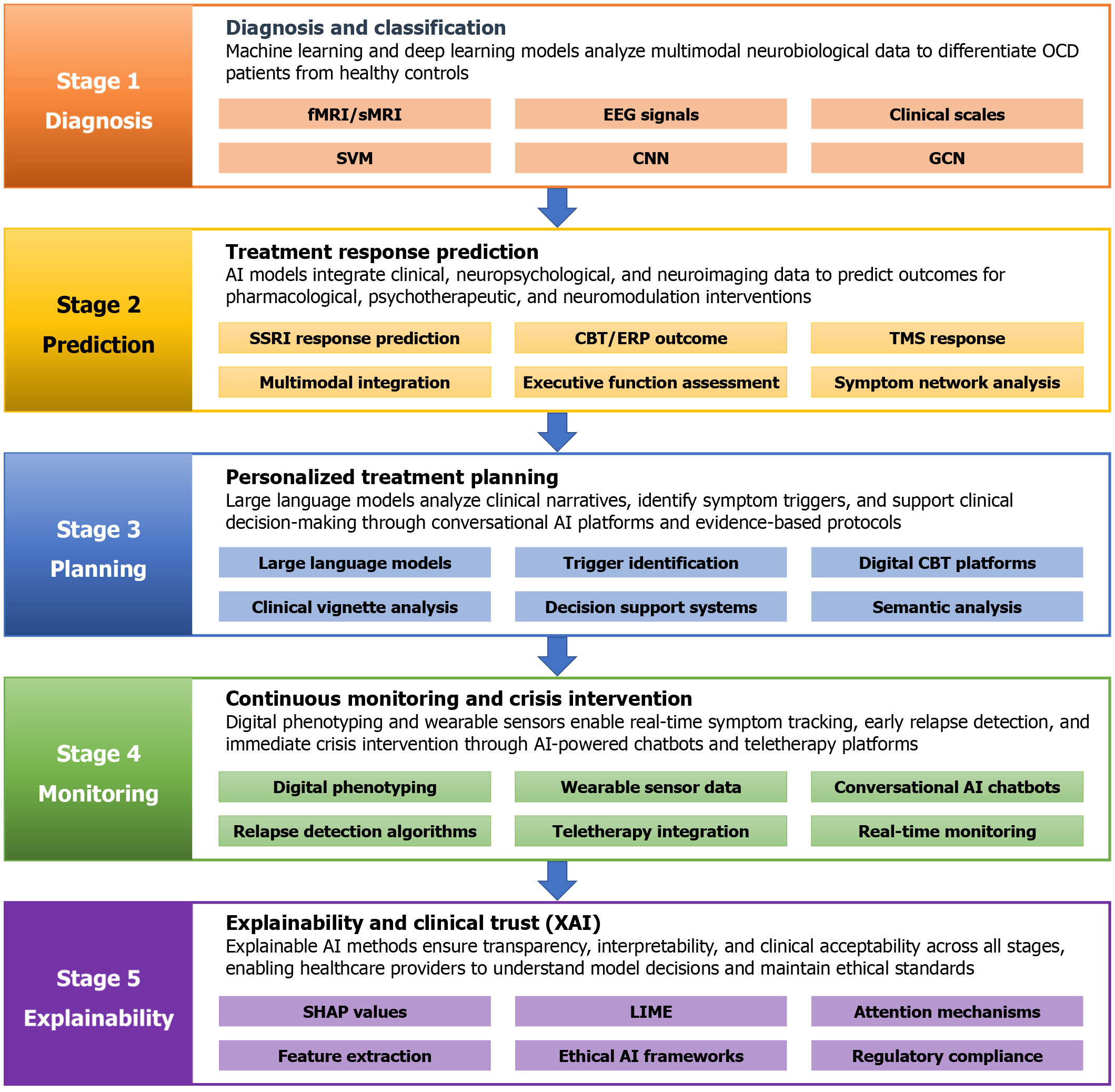
Figure 1 Economic burden of the disorder.
AI: Artificial intelligence; CBT: Cognitive-behavioral therapy; CNN: Convolutional neural network; EEG: Electroencephalography; ERP: Exposure with response prevention; fMRI: Functional magnetic resonance imaging; GCN: Graph convolutional network; LIME: Local interpretable model-agnostic explanations; OCD: Obsessive-compulsive disorder; SHAP: SHapley Additive exPlanations; sMRI: Structural magnetic resonance imaging; SSRI: Selective serotonin reuptake inhibitor; SVM: Support vector machine; TMS: Transcranial magnetic stimulation; XAI: Explainable artificial intelligence.
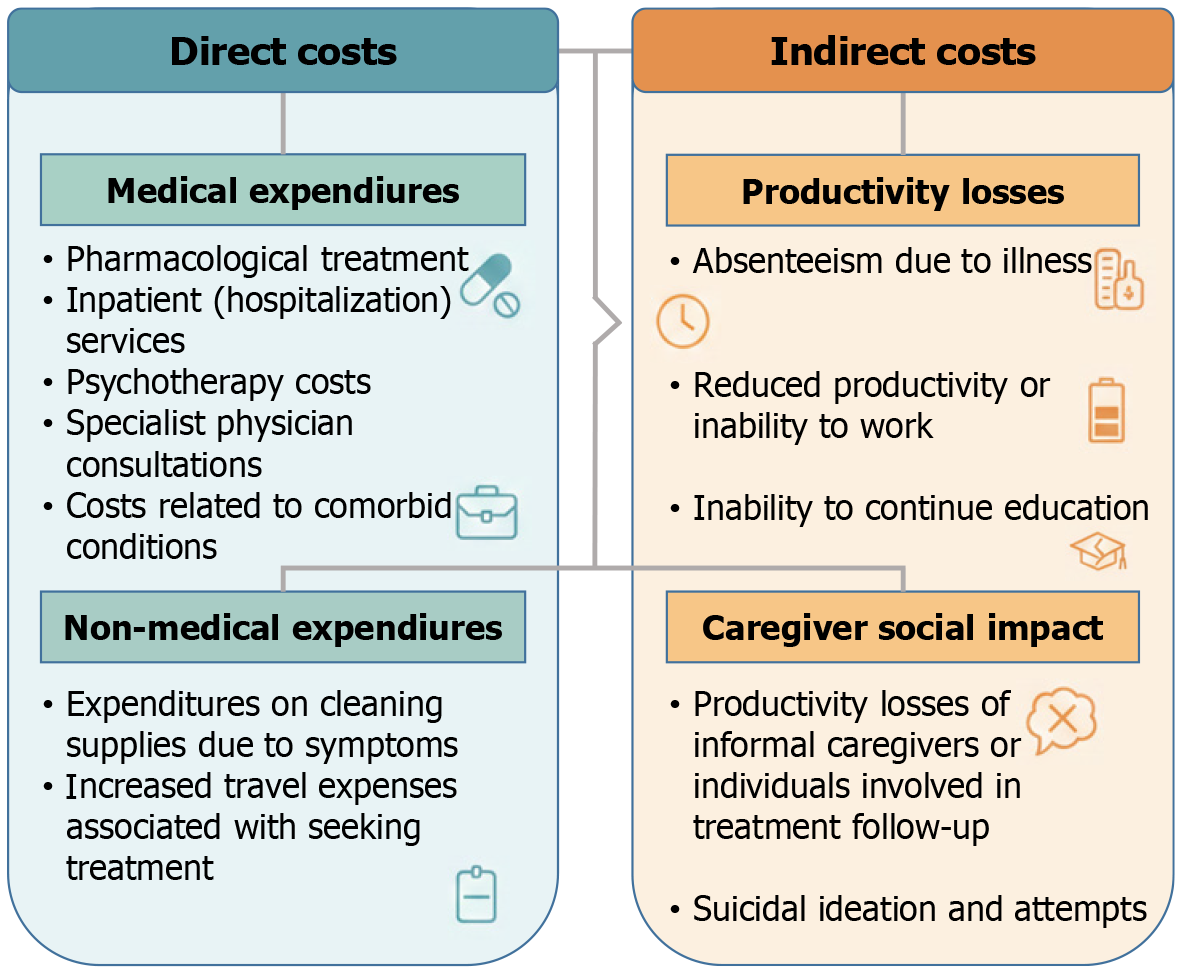
Figure 2
Conceptual framework of artificial intelligence applications in the obsessive-compulsive disorder care pathway.
- Citation: Ozsoy F, Tasci G, Tasci B, Dogan S, Tuncer T. Artificial intelligence for the diagnosis and treatment response prediction of obsessive-compulsive disorder: A narrative review. World J Psychiatry 2026; 16(7): 118161
- URL: https://www.wjgnet.com/2220-3206/full/v16/i7/118161.htm
- DOI: https://dx.doi.org/10.5498/wjp.118161