
















Copyright: ©Author(s) 2026.
World J Psychiatry. Jul 19, 2026; 16(7): 117452
Published online Jul 19, 2026. doi: 10.5498/wjp.117452
Published online Jul 19, 2026. doi: 10.5498/wjp.117452
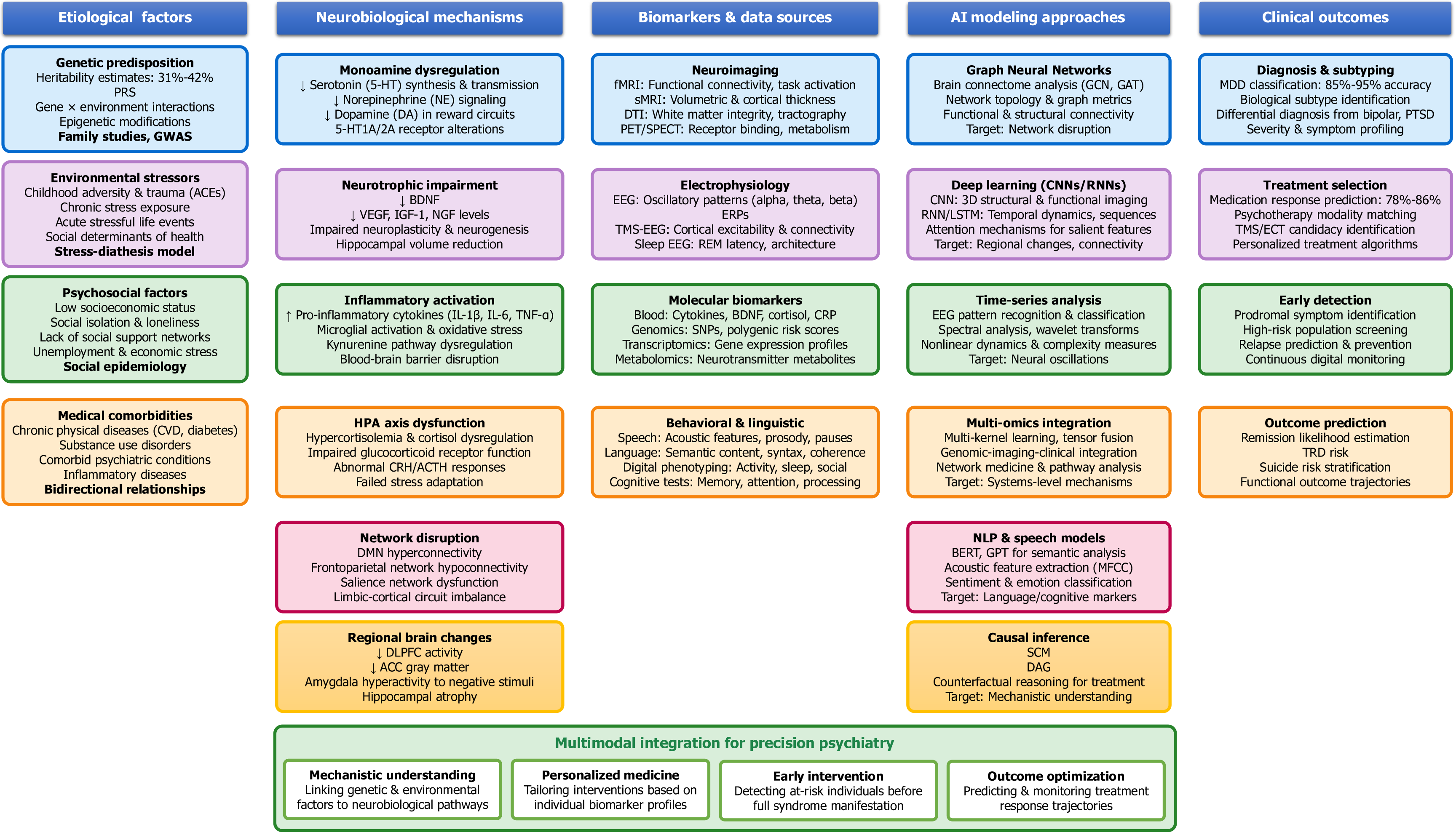
Figure 1 From etiological factors to artificial intelligence-driven precision psychiatry: A mechanistic framework for depression.
AI: Artificial intelligence; PRS: Polygenic risk scores; GWAS: Genome-wide association studies; ACEs: Adverse childhood experiences; CVD: Cardiovascular disease; BDNF: Brain-derived neurotrophic factor; VEGF: Vascular endothelial growth factor; IGF-1: Insulin-like growth factor-1; NGF: Nerve growth factor; IL: Interleukin; CRH/ACTH: Corticotrophin-releasing hormone/adrenocorticotropic hormone; DMN: Default mode network; DLPFC: Dorsolateral prefrontal cortex; ACC: Anterior cingulate cortex; SCM: Structural causal models; DAG: Directed acyclic graphs; NLP: Natural language processing; MFCC: Acoustic feature extraction; CRP: C-reactive protein; SNPs: Single nucleotide polymorphisms; EEG: Electroencephalography; ERPs: Event-related potentials; TMS: Transcranial magnetic stimulation; REM: Rapid eye movement; fMRI: Functional magnetic resonance imaging; sMRI: Structural magnetic resonance imaging; DTI: Diffusion tensor imaging; PET/SPECT: Positron emission tomography/single-photon emission computed tomography; MDD: Major depressive disorder; PTSD: Post-traumatic stress disorder; ECT: Electroconvulsive therapy; GCN: Graph Convolution Network; GAT: Graph Attention Network; TRD: Treatment-resistant depression.
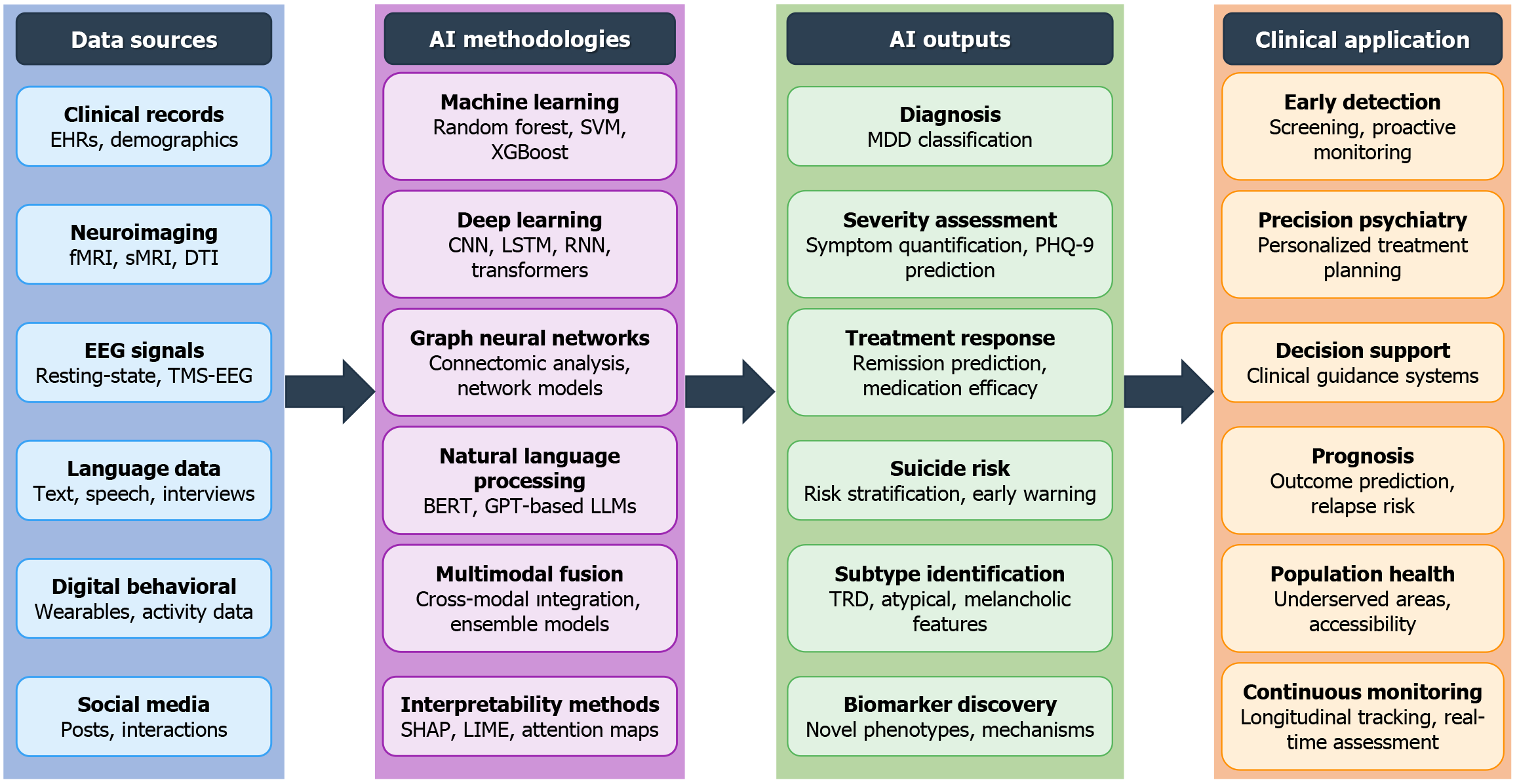
Figure 3 Comprehensive artificial intelligence framework for depression detection: From data sources to clinical application.
EHRs: Elec
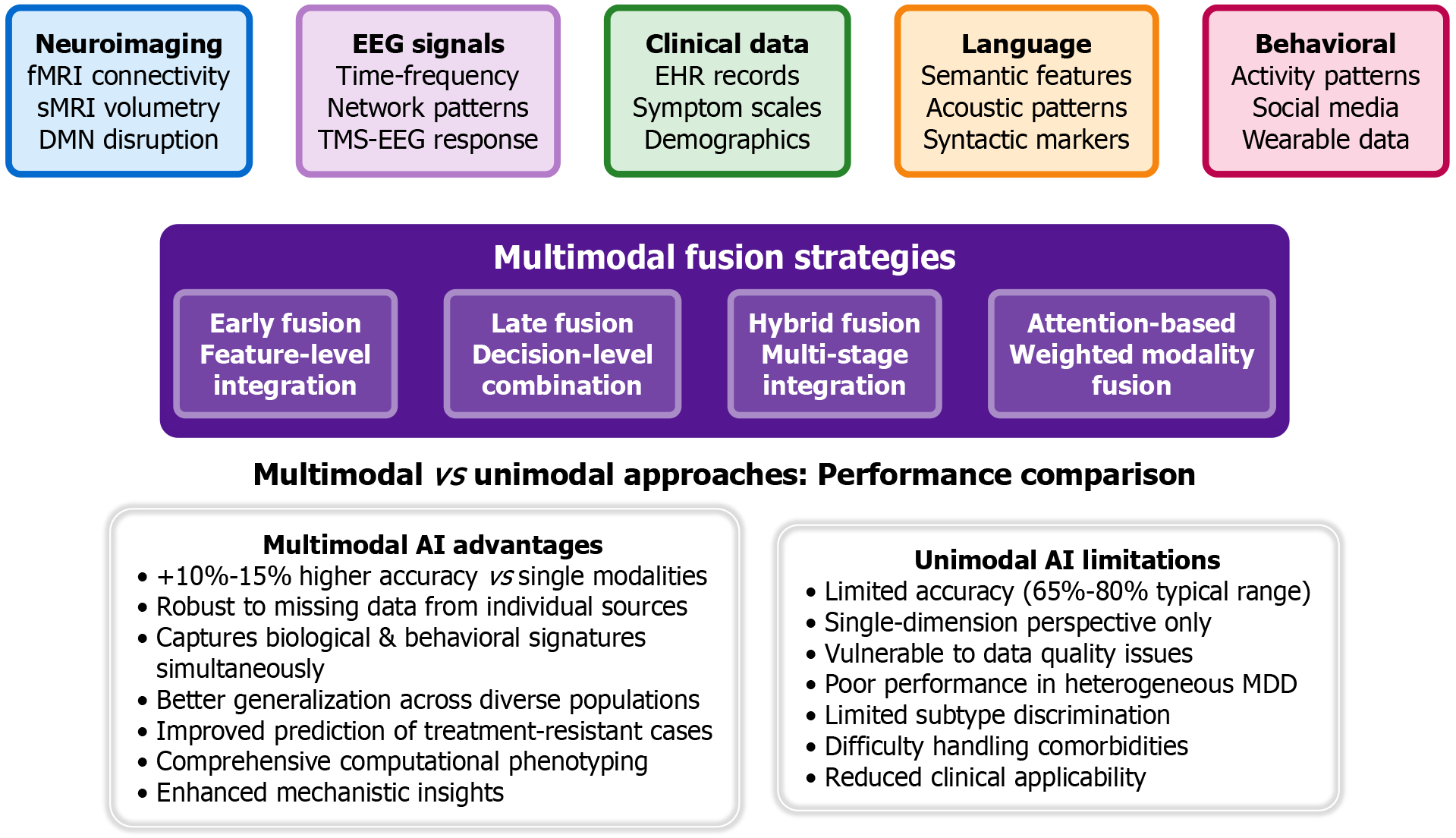
Figure 4 Multimodal artificial intelligence integration.
fMRI: Functional magnetic resonance imaging; sMRI: Structural magnetic resonance imaging; DMN: Default mode network; EEG: Electroencephalography; TMS: Transcranial magnetic stimulation; AI: Artificial intelligence; EHRs: Electronic health records; MDD: Major depressive disorder.
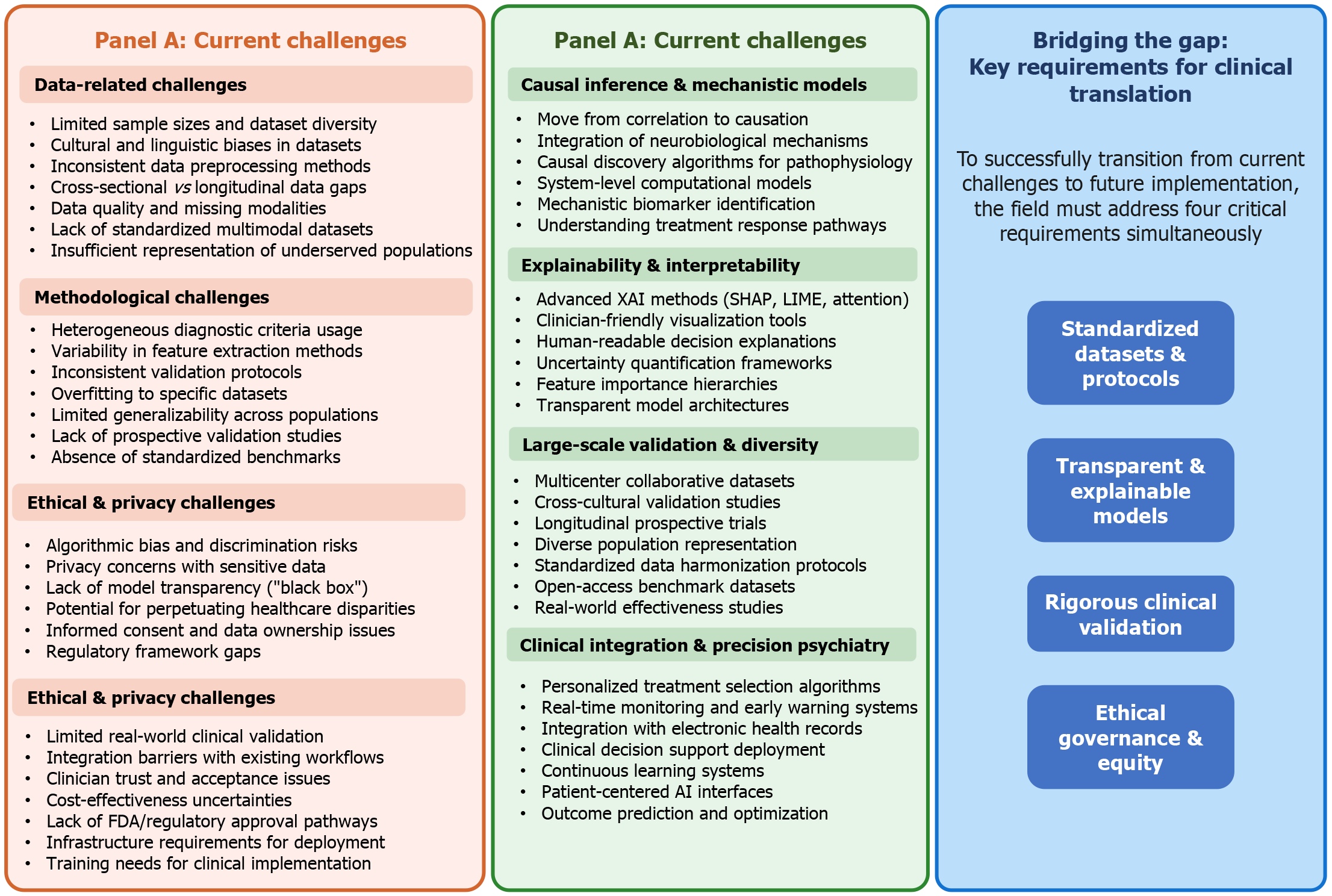
Figure 5 Current challenges and future perspectives in artificial intelligence-based depression research.
FDA: Food and Drug Administration; AI: Artificial intelligence; SHAP: SHapley Additive exPlanation.
- Citation: Ozsoy F, Tasci G, Tasci B, Dogan S, Tuncer T. Artificial intelligence and major depression: Toward mechanistic and clinically actionable models. World J Psychiatry 2026; 16(7): 117452
- URL: https://www.wjgnet.com/2220-3206/full/v16/i7/117452.htm
- DOI: https://dx.doi.org/10.5498/wjp.117452