











Copyright: ©Author(s) 2026.
World J Psychiatry. Jul 19, 2026; 16(7): 117282
Published online Jul 19, 2026. doi: 10.5498/wjp.117282
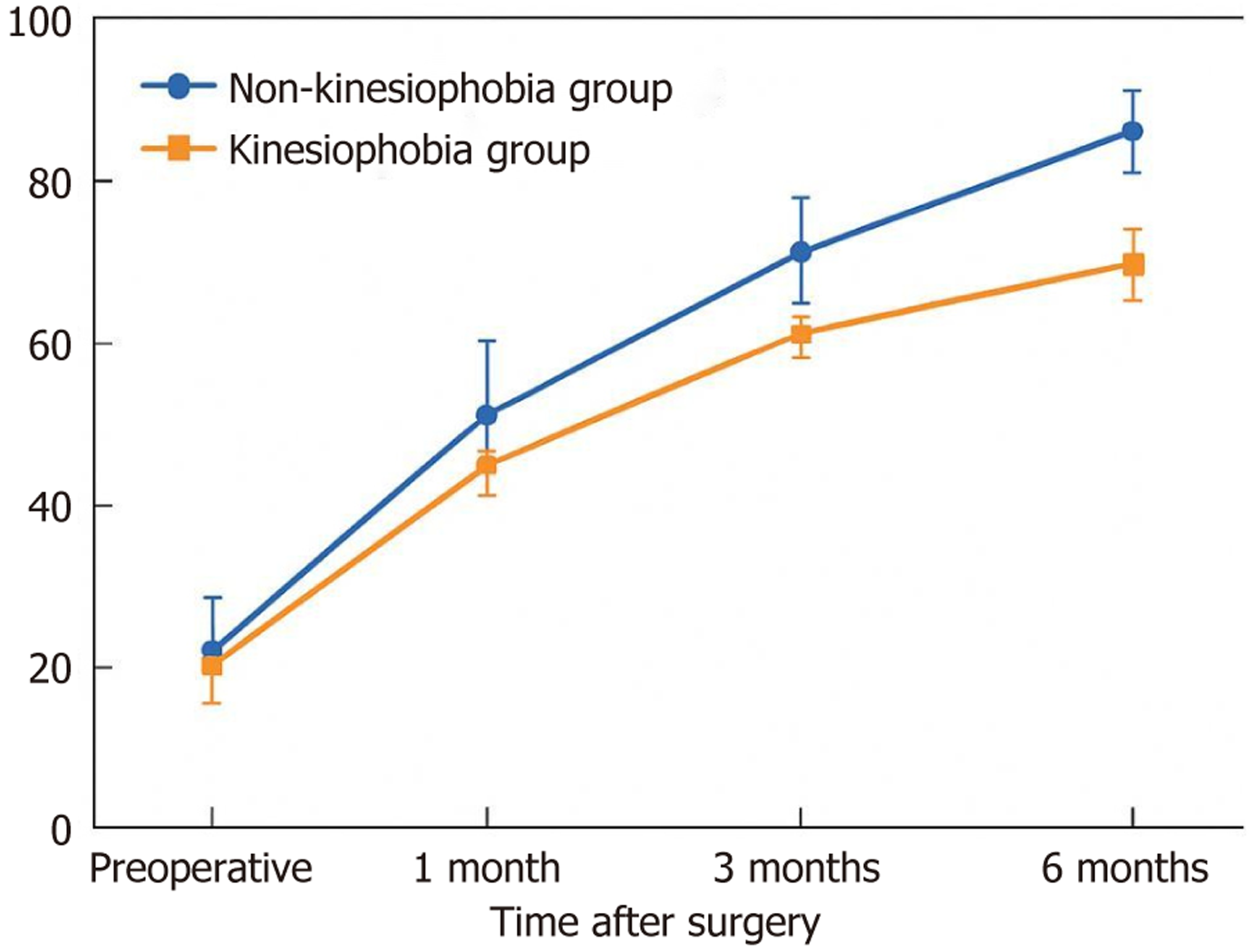
Figure 1 Lysholm knee score over time after arthroscopic meniscal repair.
Comparison of functional scores between non-kinesiophobia and kine siophobia groups at different postoperative time points. Both groups showed progressive improvement from preoperative baseline through 1 month, 3 months, and 6 months post-surgery. The non-kinesiophobia group (blue) consistently demonstrated higher scores than the kinesiophobia group (orange) at all time points, with the between-group difference increasing over time. Error bars represent SE.
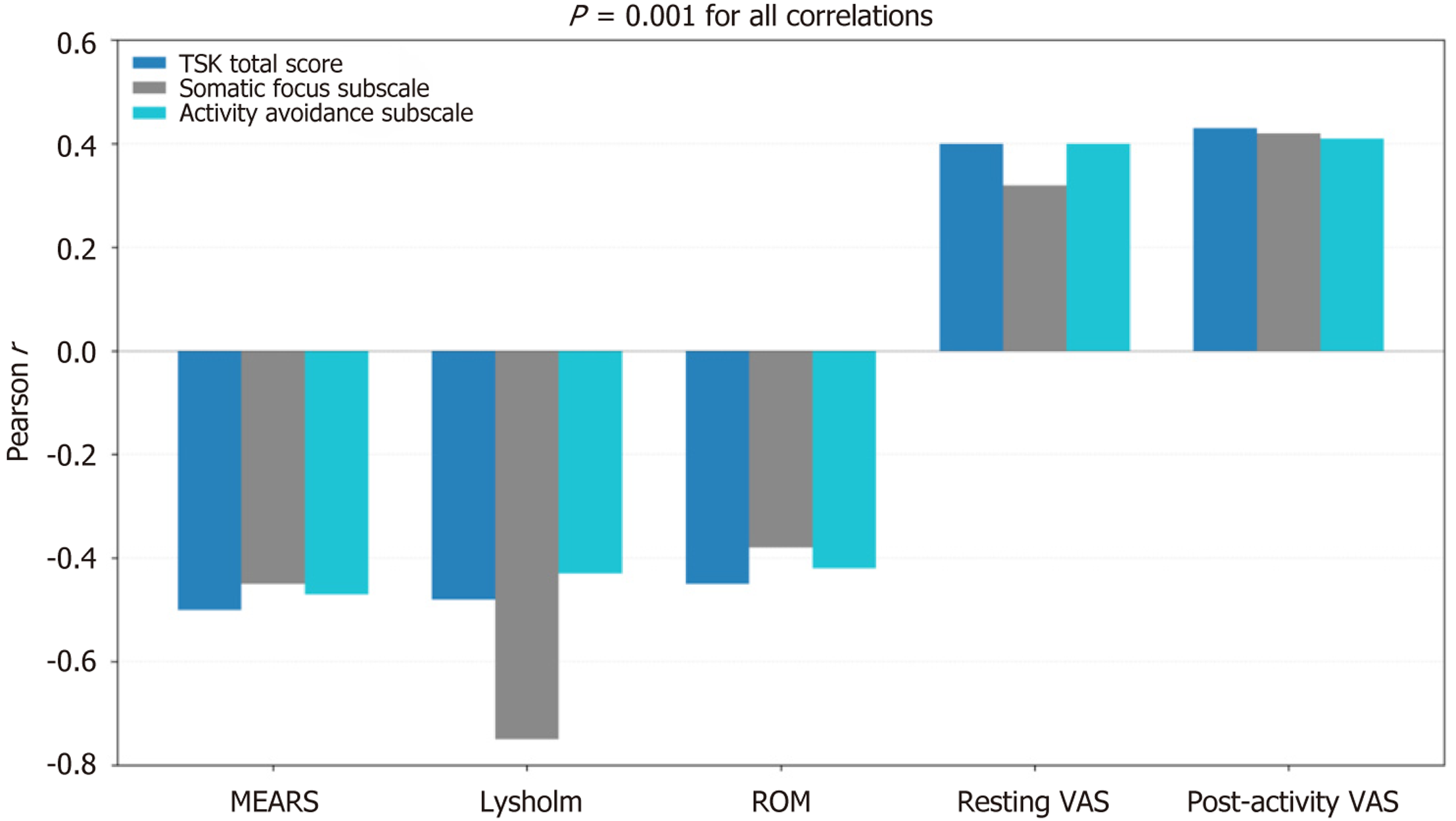
Figure 2 Correlation between preoperative Tampa Scale for Kinesiophobia scores and postoperative 3-month rehabilitation and func tional outcomes: Correlation analysis between kinesiophobia scores and clinical outcomes.
Tampa Scale for Kinesiophobia total score (dark blue), somatic focus subscale (gray), and activity avoidance subscale (teal) showed negative correlations with functional scores (Modified Exercise Adherence Rating Scale, Lysholm, range of motion) and positive correlations with pain scores (resting Visual Analogue Scale and post-activity Visual Analogue Scale). Pearson correlation coefficients (r) are labeled on each bar, with all correlations reaching statistical significance (P = 0.001). TSK: Tampa Scale for Kinesiophobia; MEARS: Modified Exercise Adherence Rating Scale; ROM: Range of motion; VAS: Visual Analogue Scale.
- Citation: Cui MX, Lian YJ, Zhu YK, Zhao HJ, Nie XG, Liu J. Impact of preoperative kinesiophobia on early rehabilitation compliance and functional recovery after arthroscopic meniscal repair. World J Psychiatry 2026; 16(7): 117282
- URL: https://www.wjgnet.com/2220-3206/full/v16/i7/117282.htm
- DOI: https://dx.doi.org/10.5498/wjp.117282