
















Copyright: ©Author(s) 2026.
World J Psychiatry. Jul 19, 2026; 16(7): 112984
Published online Jul 19, 2026. doi: 10.5498/wjp.112984
Published online Jul 19, 2026. doi: 10.5498/wjp.112984
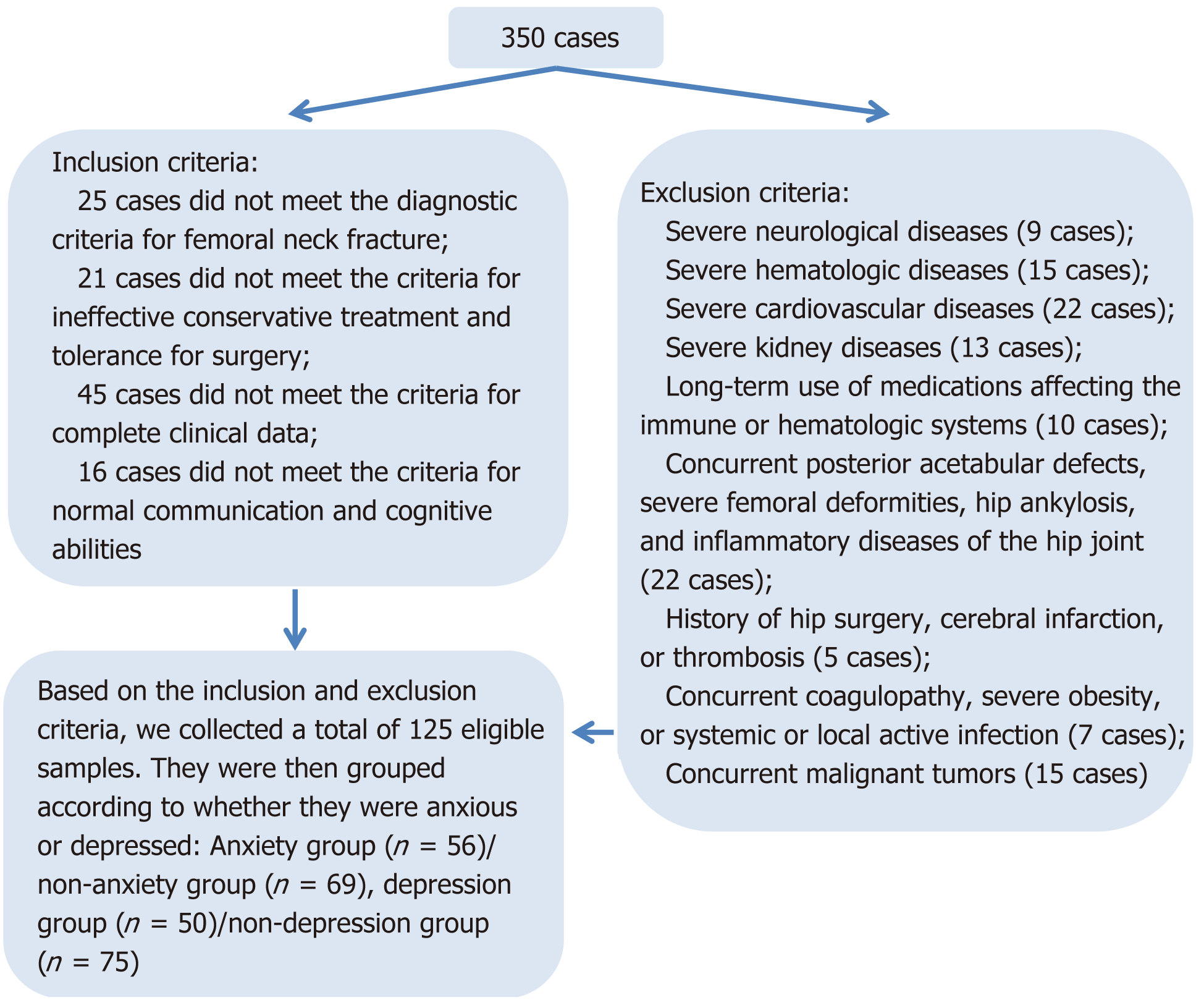
Figure 1 Flowchart of patient selection.
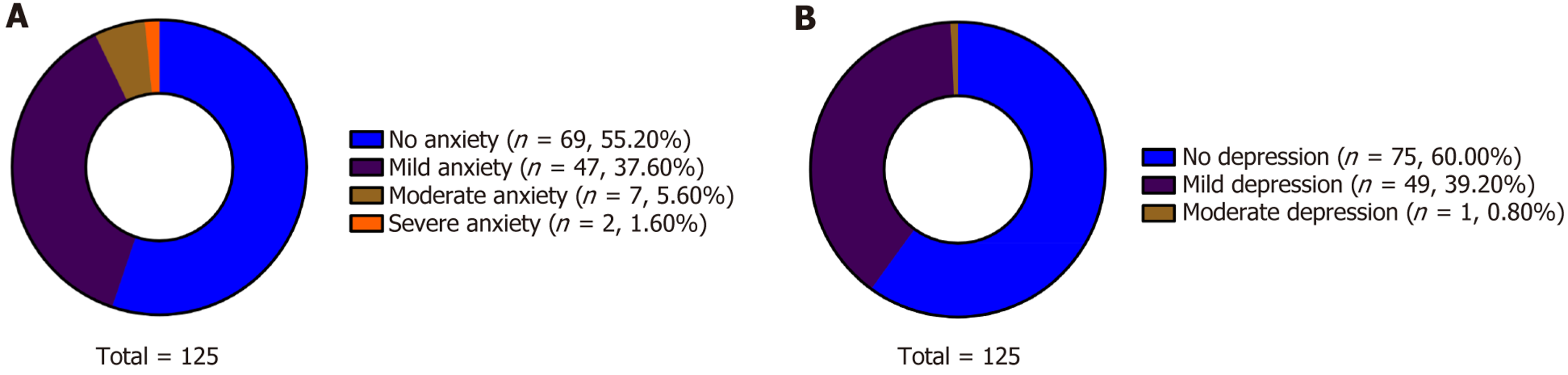
Figure 2 Psychological assessment of 125 femoral neck fracture patients.
A: Anxiety prevalence; B: Depression incidence.
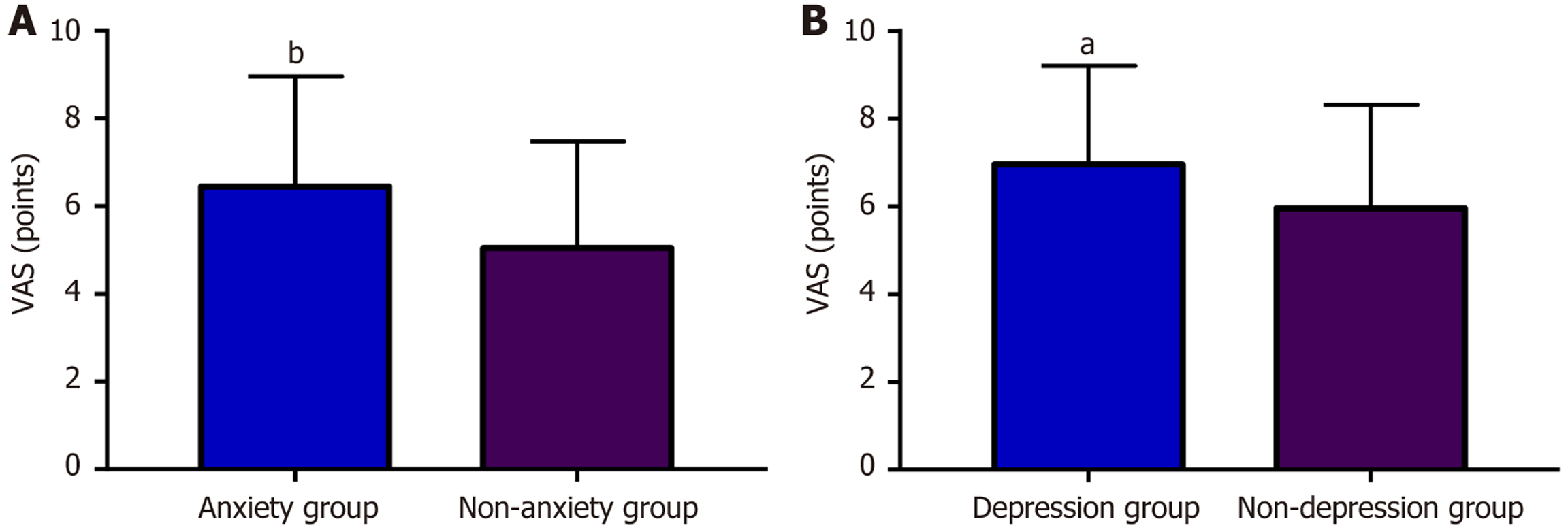
Figure 3 Pain assessment in anxiety/depression patients.
A: Visual Analogue Scale (VAS) score comparison between anxiety (n = 56) and non-anxiety (n = 69) groups; B: VAS score comparison between depressed (n = 50) and non-depressed (n = 75) patients. aP < 0.05. bP < 0.01. VAS: Visual Analogue Scale.
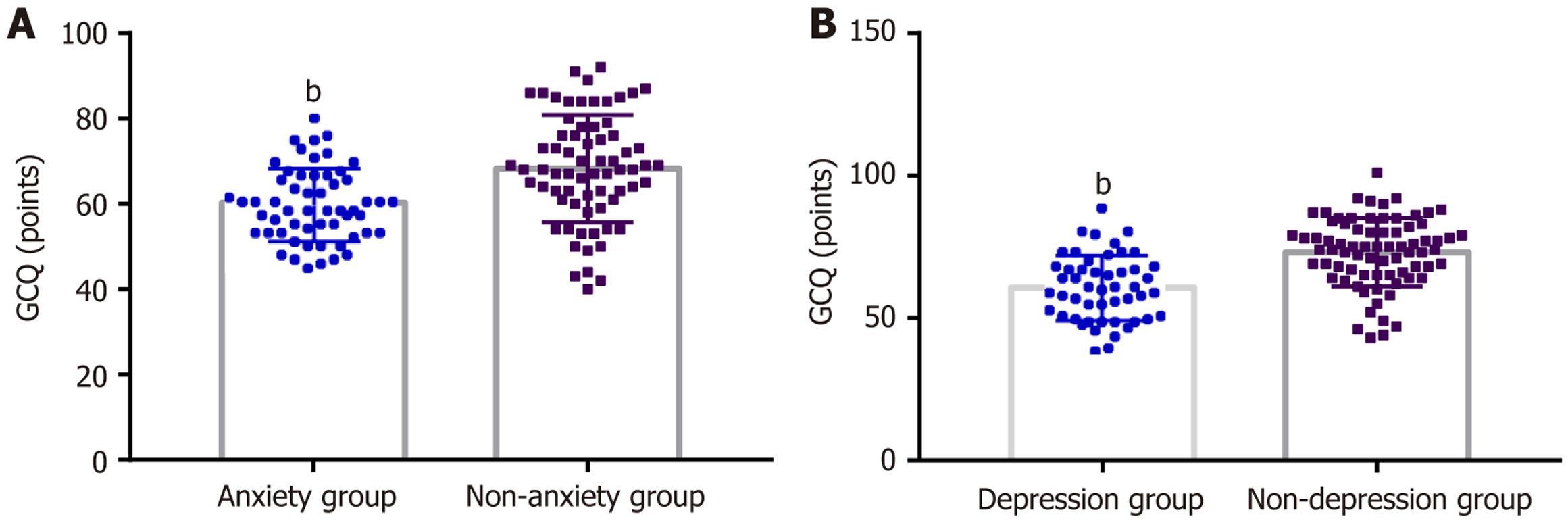
Figure 4 Comfort levels in anxiety/depression patients.
A: General Comfort Questionnaire (GCQ) score comparison between anxiety (n = 56) and non-anxiety (n = 69) groups; B: GCQ score comparison between depression (n = 50) and non-depression (n = 75) groups. bP < 0.01. GCQ: General Comfort Questionnaire.
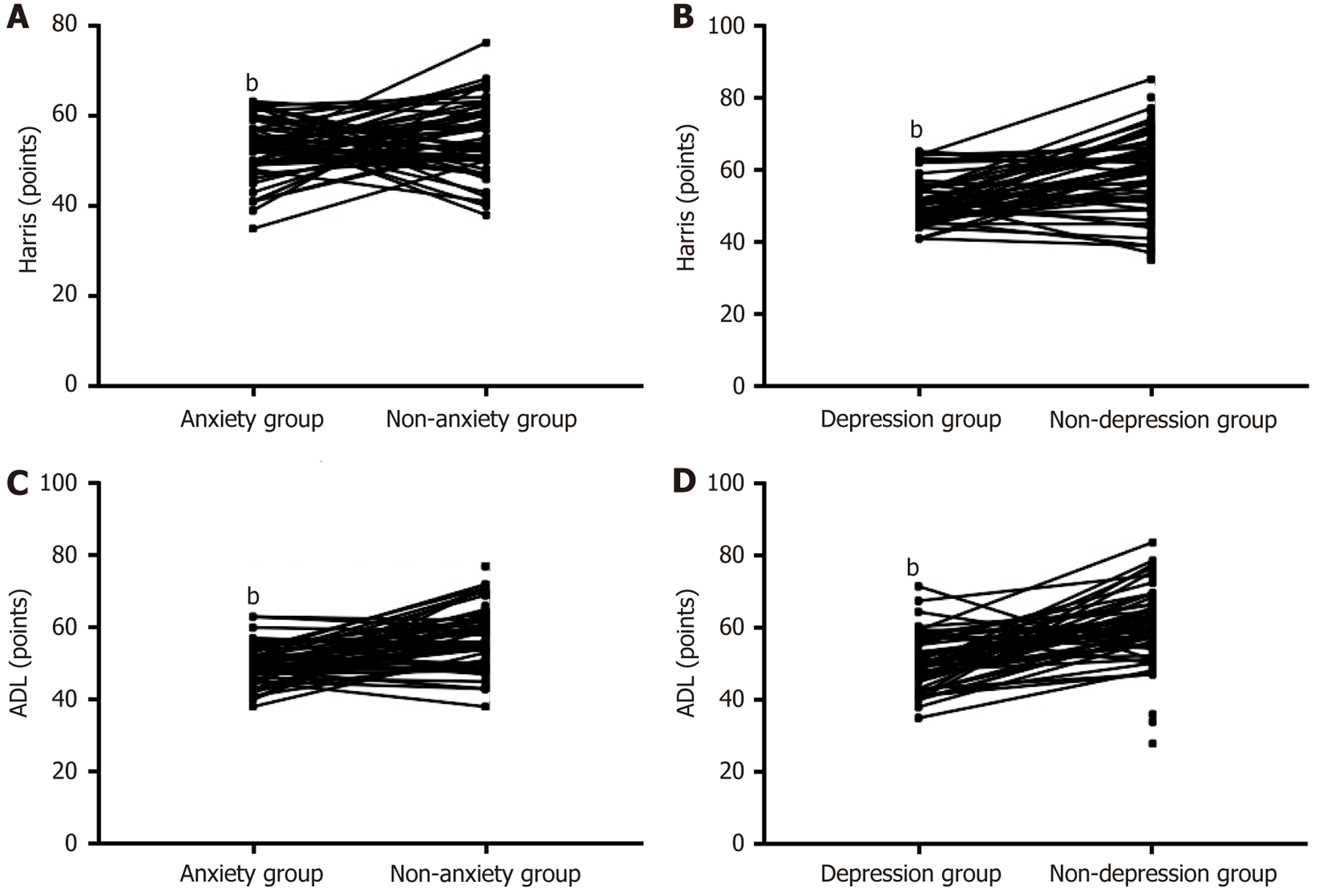
Figure 5 Postoperative recovery in patients with or without anxiety/depression.
A: Harris scores in the anxiety group (n = 56) vs non-anxiety group (n = 69); B: Harris scores in the depression group (n = 50) vs non-depression group (n = 75); C: Activities of Daily Living Scale (ADL) scores in the anxiety group (n = 56) vs non-anxiety group (n = 69); D: ADL scores in the depression group (n = 50) vs non-depression group (n = 75). bP < 0.01. ADL: Activities of Daily Living Scale.
- Citation: Yu MY, Wu DL, Yue L, Ma GH, Meng K, Pan XZ, Wan L. Psychological status in femoral neck fractures: Effects on pain, comfort, and postoperative recovery. World J Psychiatry 2026; 16(7): 112984
- URL: https://www.wjgnet.com/2220-3206/full/v16/i7/112984.htm
- DOI: https://dx.doi.org/10.5498/wjp.112984