
















Copyright: ©Author(s) 2026.
World J Psychiatry. Jun 19, 2026; 16(6): 117245
Published online Jun 19, 2026. doi: 10.5498/wjp.v16.i6.117245
Published online Jun 19, 2026. doi: 10.5498/wjp.v16.i6.117245
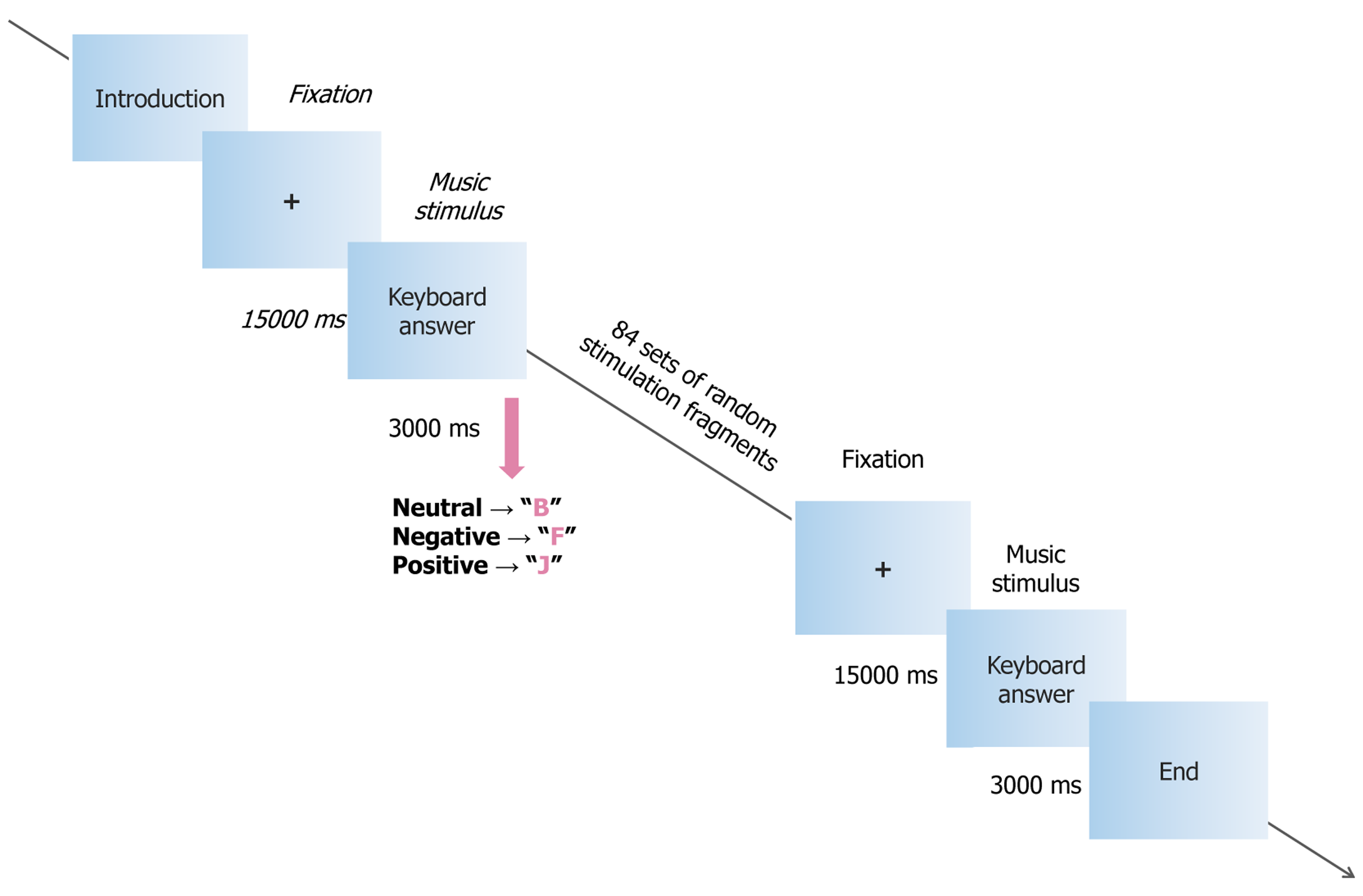
Figure 1 Schematic diagram of the emotional task.
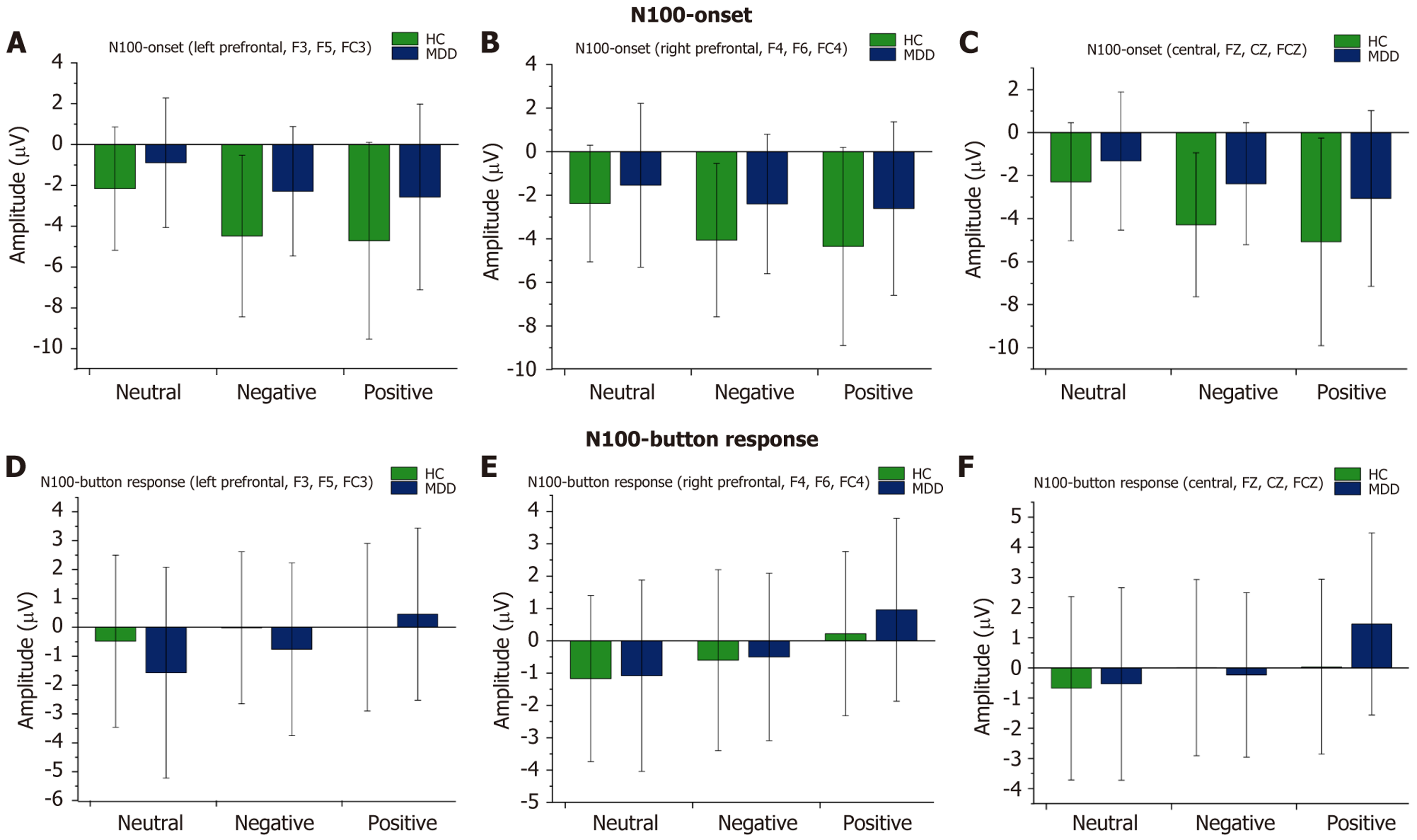
Figure 2 Amplitude differences of the N100 event-related potential during stimulus onset and button-response phases.
A-C: These panels illustrate the amplitude distribution of the N100 component across various electrode locations (left prefrontal, right prefrontal, central regions) and stimulus types (neutral, negative, positive) during the stimulus onset phase; D-F: Correspondingly, these panels present the N100 amplitude distribution across the same electrode locations and stimulus types during the button-response phase. Green bars represent the patient group, while dark blue bars represent the healthy control group. Error bars indicate standard errors. HC: Healthy control; MDD: Major depressive disorder.
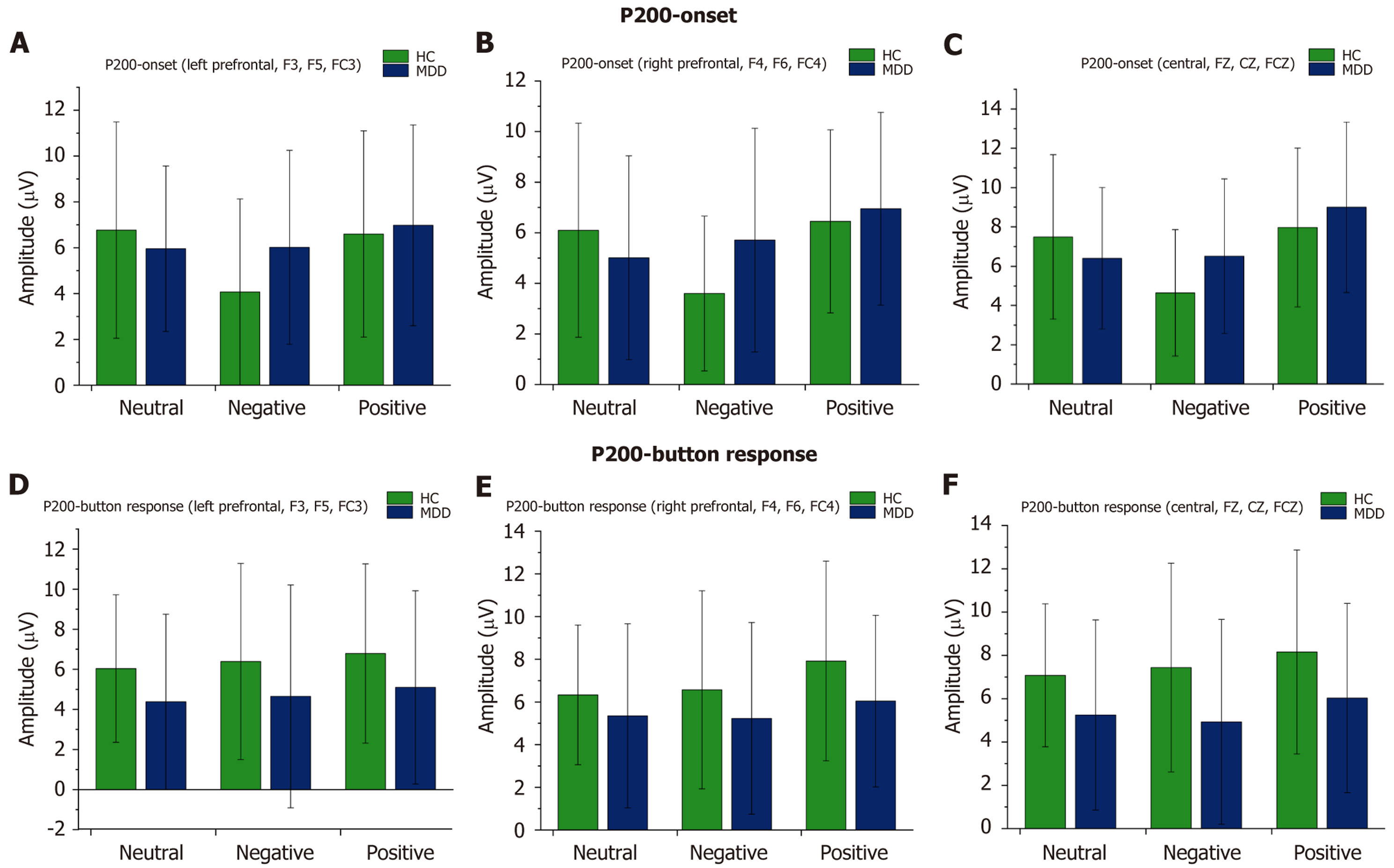
Figure 3 Amplitude distribution of the P200 event-related potential across stimulus onset and button-response phases.
A-C: Display the P200 amplitude across different electrode locations (left prefrontal, right prefrontal, central regions) and three stimulus types (neutral, negative, positive) during the stimulus onset phase; D-F: Illustrate the P200 amplitude at corresponding electrode locations and stimulus types during the button-response phase. Green bars represent the patient group, and dark blue bars represent the healthy control group; error bars indicate standard errors. MDD: Major depressive disorder; HC: Healthy control.
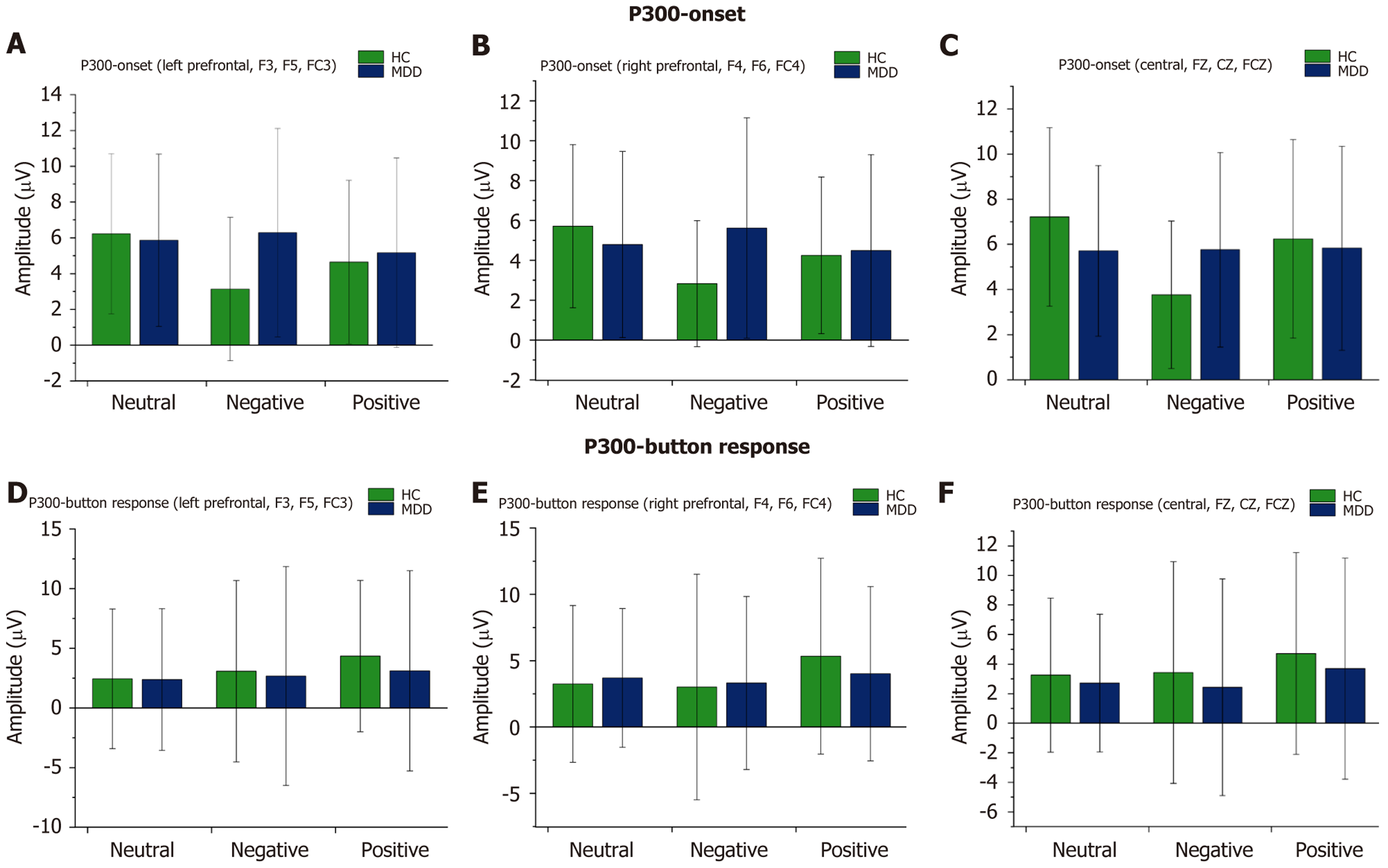
Figure 4 Amplitude distribution of the P300 event-related potential during stimulus onset and button-response phases.
A-C: Present the P300 amplitude across different electrode locations (left prefrontal, right prefrontal, central regions) and three stimulus types (neutral, negative, positive) in the stimulus onset phase; D-F: Illustrate the P300 amplitude at corresponding electrode locations and stimulus types in the button-response phase. Green bars represent the patient group, and dark blue bars represent the healthy control group; error bars indicate standard errors. MDD: Major depressive disorder; HC: Healthy control.
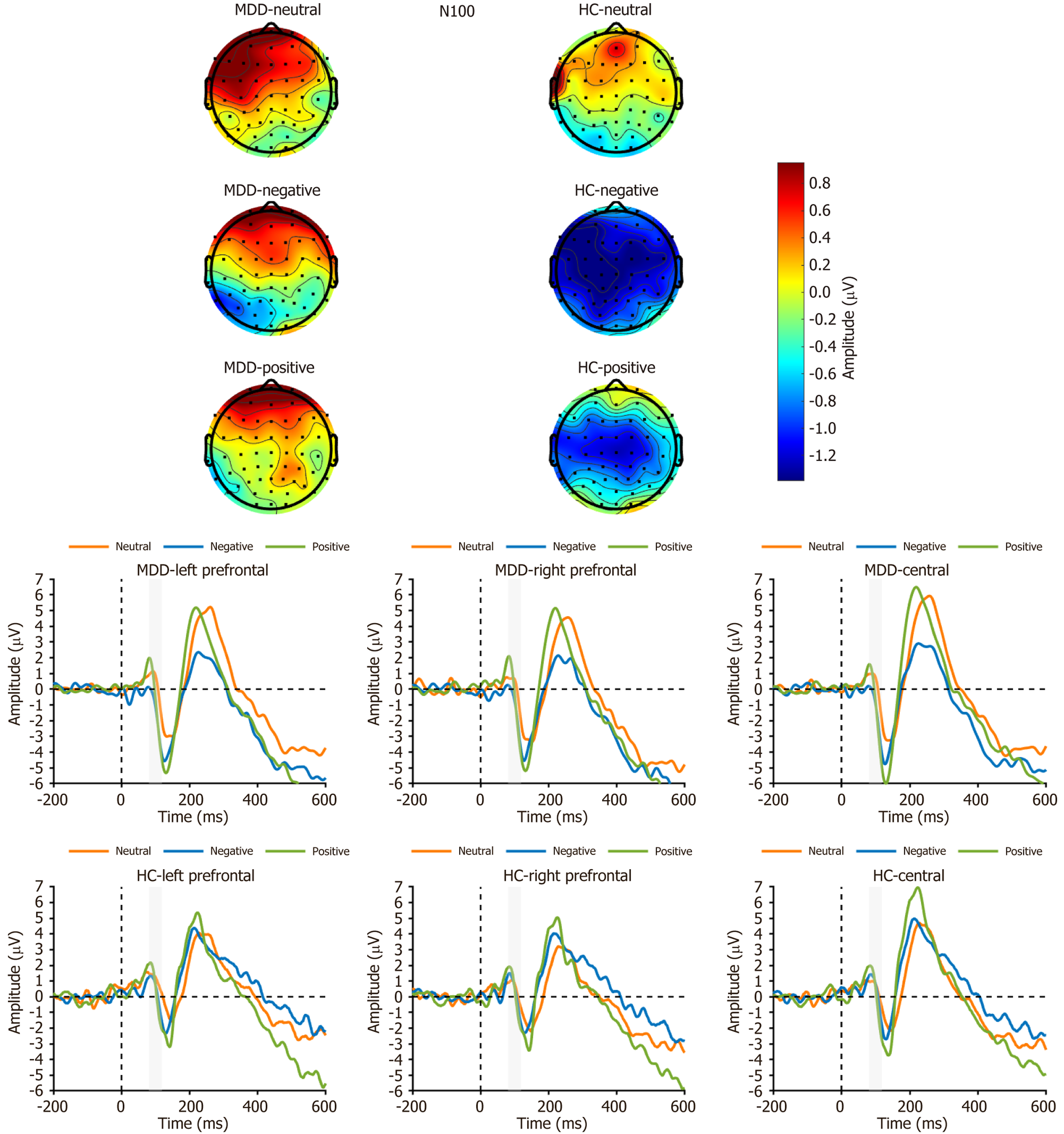
Figure 5 Grand-avg N100 (40-120 milliseconds) event-related potential waveforms/topo maps of major depressive disorder and healthy control under neutral/negative/positive emotional music.
Waveforms (left prefrontal: F3, F5, FC3; right prefrontal: F4, F6, FC4; central: FZ, CZ, FCZ) show N100 latency/amplitude group differences. Topo maps show spatial differences in early music emotion processing. MDD: Major depressive disorder; HC: Healthy control.
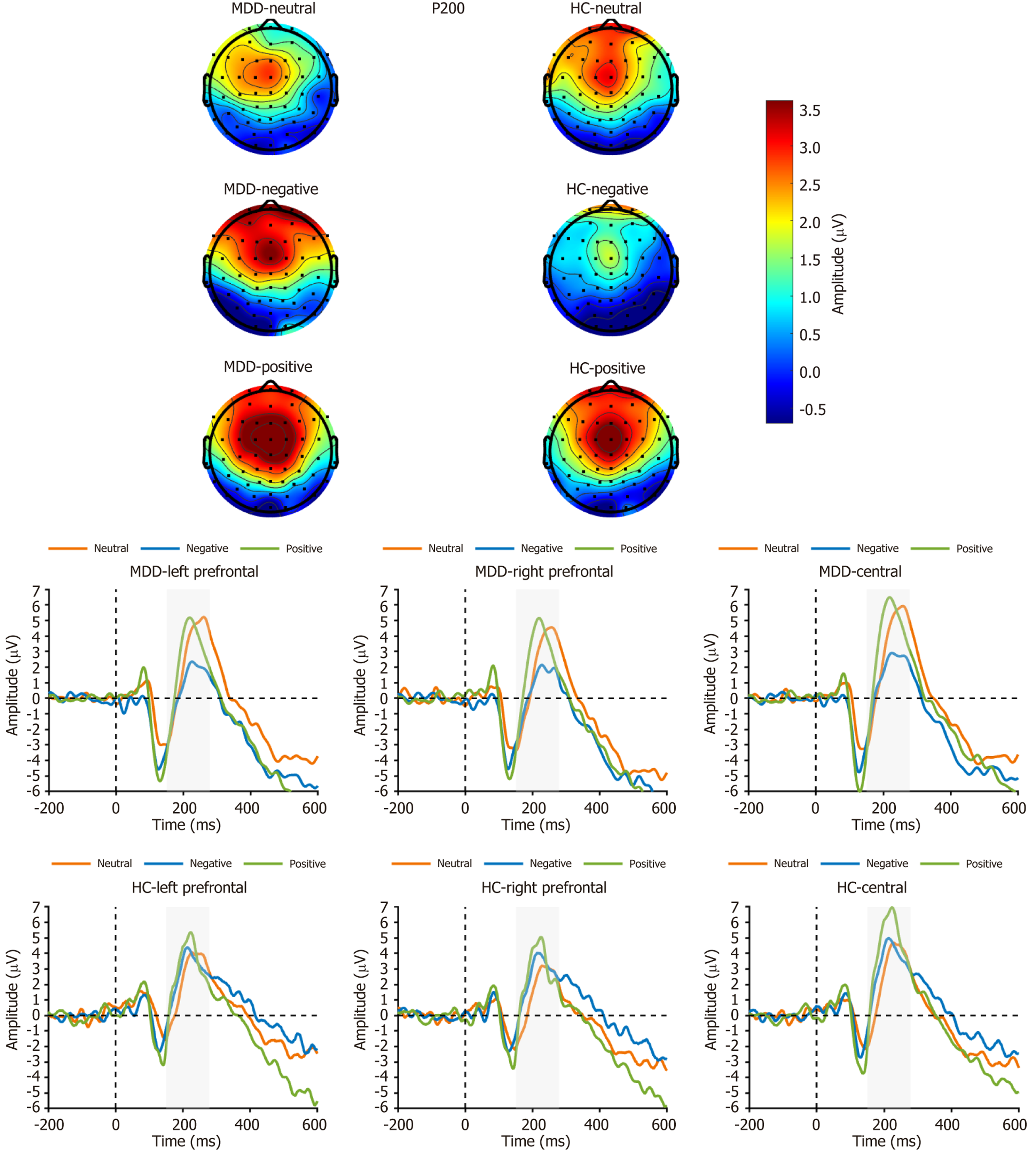
Figure 6 Grand-avg P200 (150-250 milliseconds) event-related potential waveforms/topo maps of major depressive disorder and healthy control under neutral/negative/positive emotional music.
Waveforms (left prefrontal: F3, F5, FC3; right prefrontal: F4, F6, FC4; central: FZ, CZ, FCZ) show P200 latency/amplitude group differences. Topo maps show spatial differences in early music emotion processing. MDD: Major depressive disorder; HC: Healthy control.
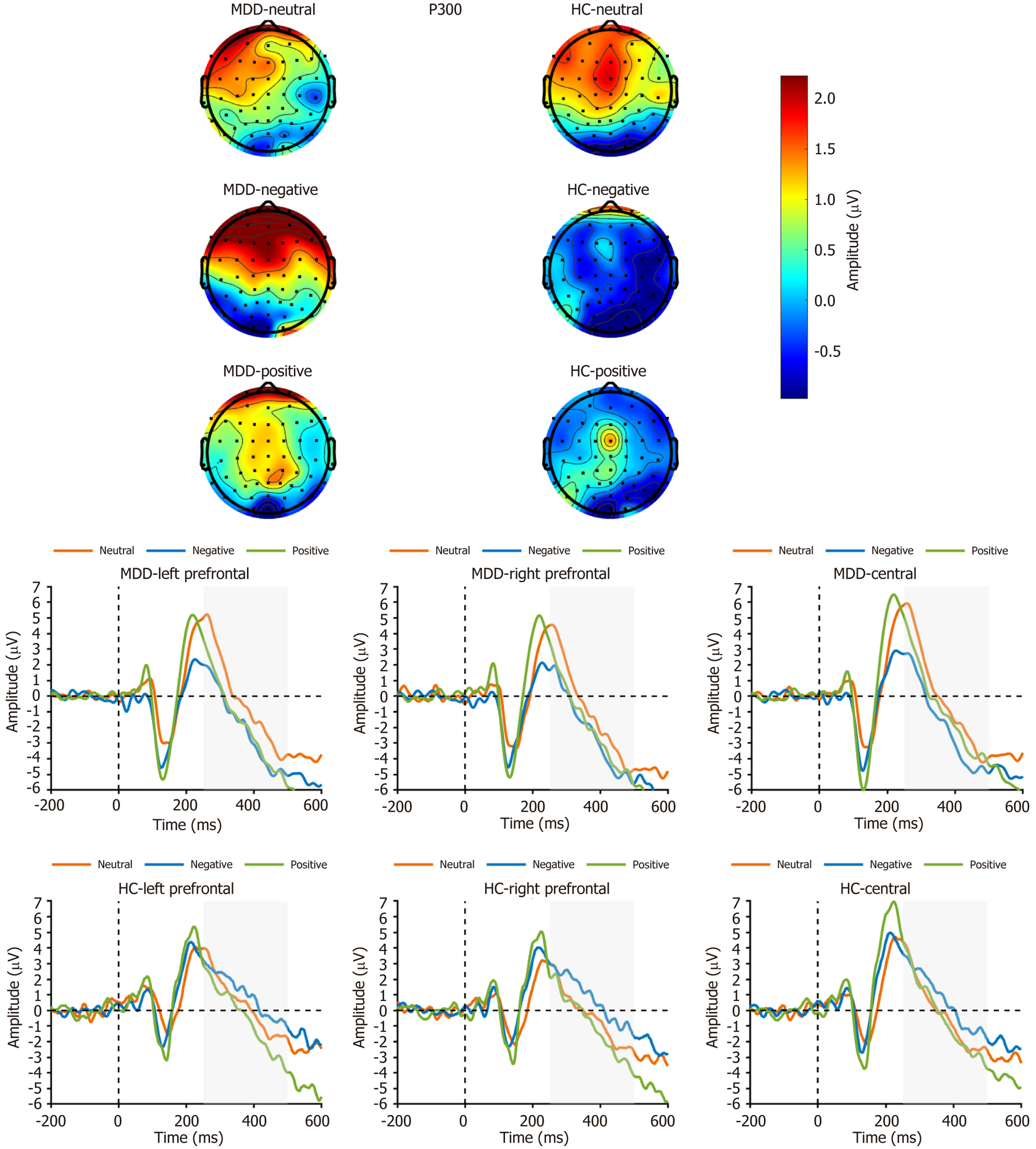
Figure 7 Grand-avg P300 (250-400 milliseconds) event-related potential waveforms/topo maps of major depressive disorder and healthy control under neutral/negative/positive emotional music.
Waveforms (left prefrontal: F3, F5, FC3; right prefrontal: F4, F6, FC4; central: FZ, CZ, FCZ) show P300 latency/amplitude group differences. Topo maps show spatial differences in early music emotion processing. MDD: Major depressive disorder; HC: Healthy control.
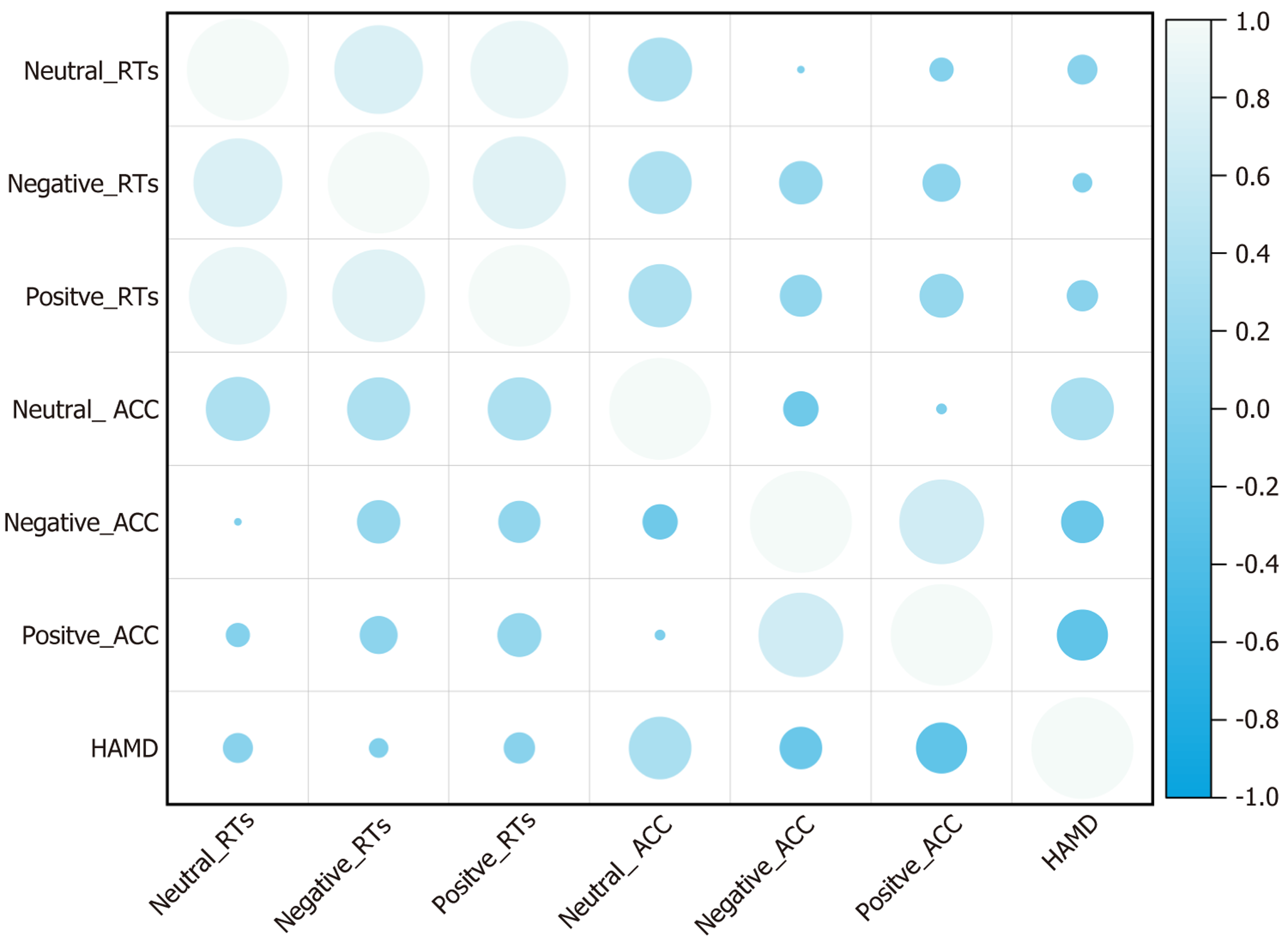
Figure 8 This correlation matrix heatmap illustrates relationships among reaction times, accuracy in neutral/negative/positive emotional tasks, and Hamilton Depression Rating Scale scores in major depressive disorder patients.
Color intensity and dot size reflect correlation strength (dark blue = strong negative, light = positive). Positive correlations exist within reaction times and within accuracy across emotions; Hamilton Depression Rating Scale shows negative correlations with several emotional processing indicators, quantifying links between emotional cognition and depressive severity in major depressive disorder. RTs: Reaction times; ACC: Accuracy; HAMD: Hamilton Depression Rating Scale.
- Citation: He YN, Yang WY, Zhang J, Wang XY, Gao XZ, Liu XH, Zhou ZH. Neural correlates of impairments in music emotion processing in major depressive disorder: Evidenced from an event-related potential study. World J Psychiatry 2026; 16(6): 117245
- URL: https://www.wjgnet.com/2220-3206/full/v16/i6/117245.htm
- DOI: https://dx.doi.org/10.5498/wjp.v16.i6.117245