
















Copyright: ©Author(s) 2026.
World J Psychiatry. Jun 19, 2026; 16(6): 116408
Published online Jun 19, 2026. doi: 10.5498/wjp.v16.i6.116408
Published online Jun 19, 2026. doi: 10.5498/wjp.v16.i6.116408
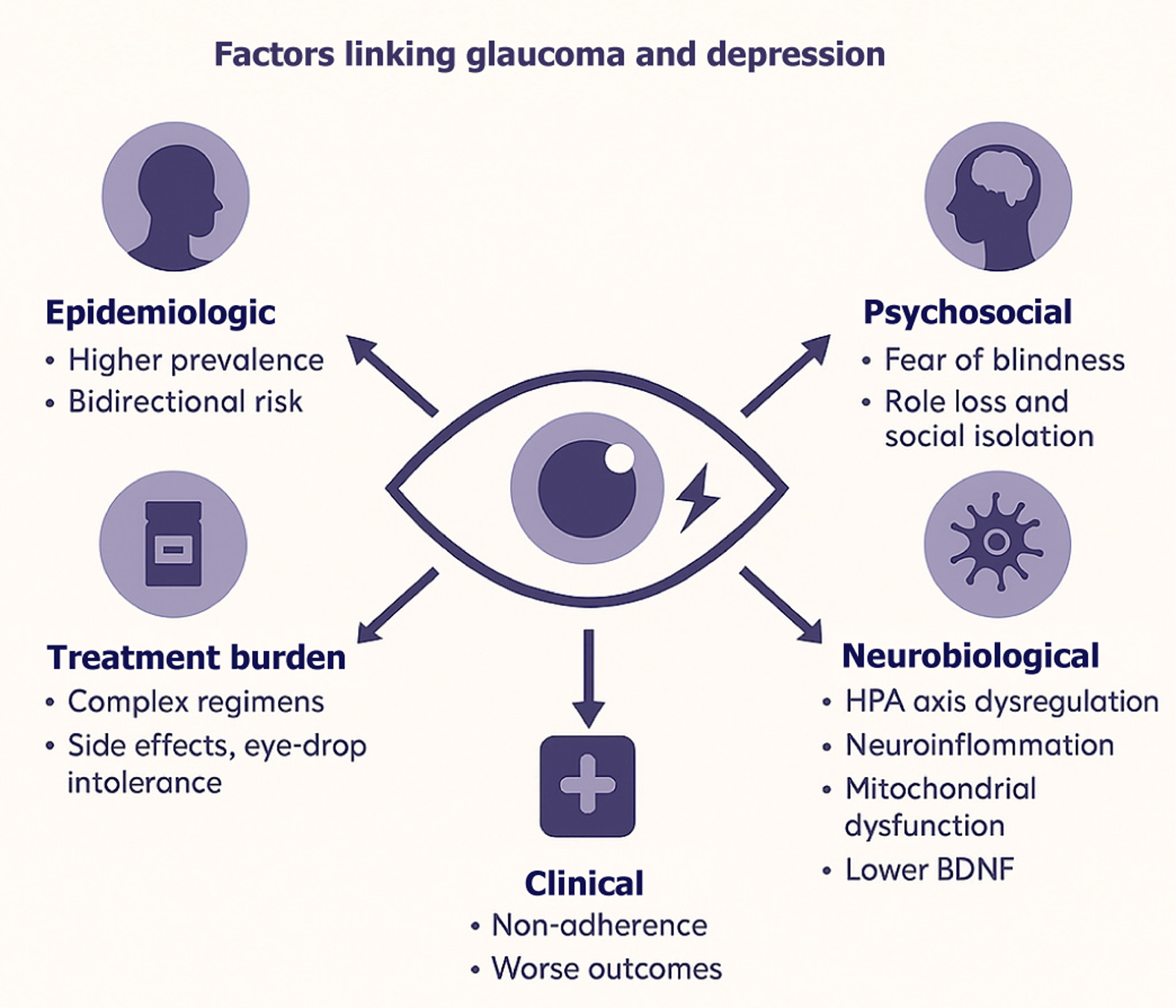
Figure 1 Risk factors for glaucoma and depression.
Glaucoma and depression are linked by epidemiology (higher prevalence, bidirectional risk), psy
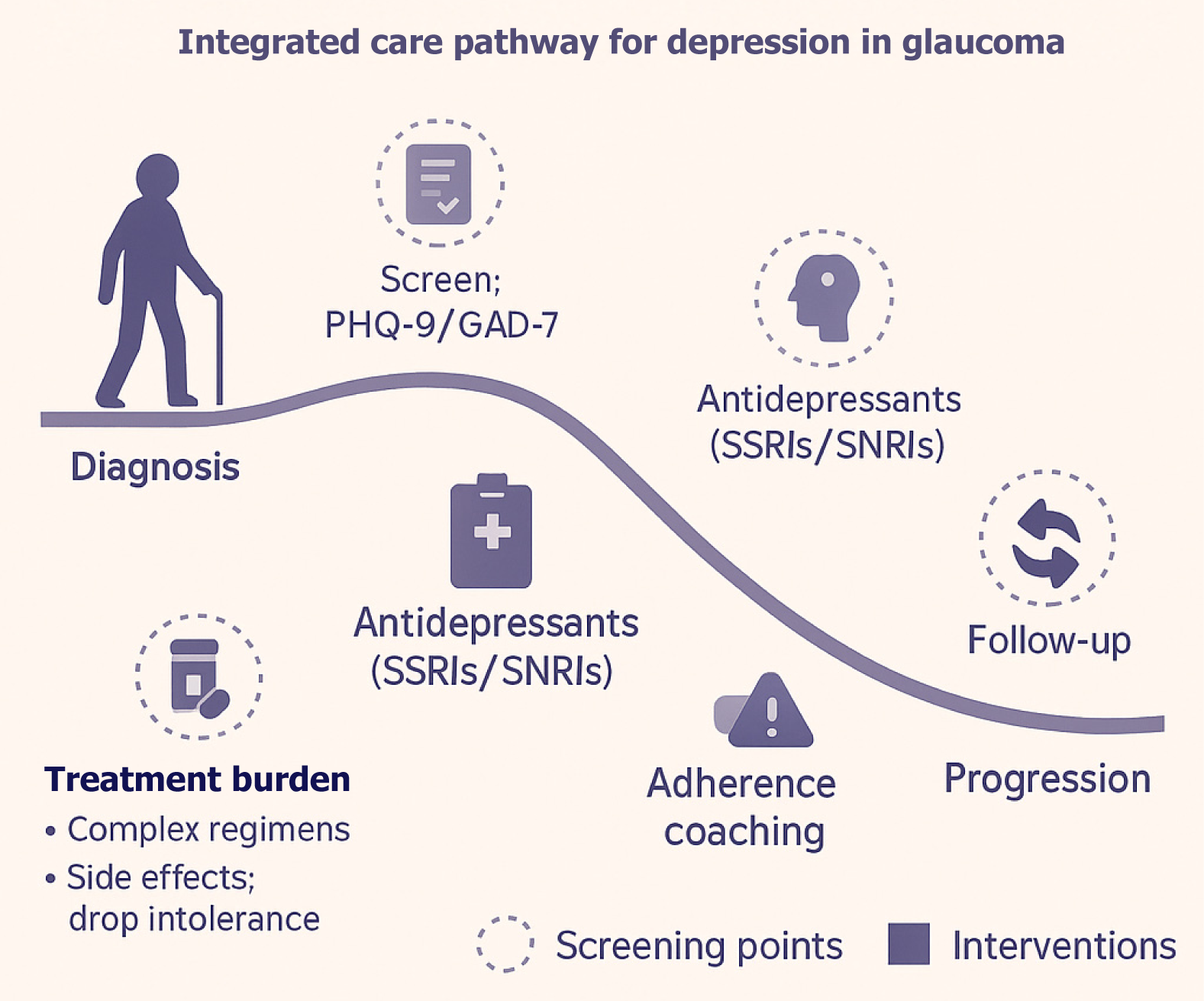
Figure 2 Integrated glaucoma depression care.
Workflow embedding mental-health care into glaucoma management: Screen at diagnosis and key milestones (Patient Health Questionnaire-9, Generalized Anxiety Disorder-7), provide stepped interventions (psychoeducation, adherence coaching, cognitive-behavioral therapy, and antidepressants), and give ophthalmology and primary care regular feedback. Legend distinguishes screening points (dotted) and interventions (solid). PHQ-9: Patient Health Questionnaire-9; GAD-7: Generalized Anxiety Disorder-7; CBT: Cognitive-behavioral therapy; SSRIs: Selective serotonin reuptake inhibitors; SNRIs: Serotonin-norepinephrine reuptake inhibitors.
- Citation: Capobianco M, Cappellani F, Khouyyi M, Nicolosi SG, D’Esposito F, Musa M, Battista M, Barboni P, Gagliano C, Zeppieri M. Beyond vision: The overlooked burden of depression in glaucoma patients. World J Psychiatry 2026; 16(6): 116408
- URL: https://www.wjgnet.com/2220-3206/full/v16/i6/116408.htm
- DOI: https://dx.doi.org/10.5498/wjp.v16.i6.116408