
















Copyright: ©Author(s) 2026.
World J Psychiatry. Jun 19, 2026; 16(6): 116288
Published online Jun 19, 2026. doi: 10.5498/wjp.v16.i6.116288
Published online Jun 19, 2026. doi: 10.5498/wjp.v16.i6.116288
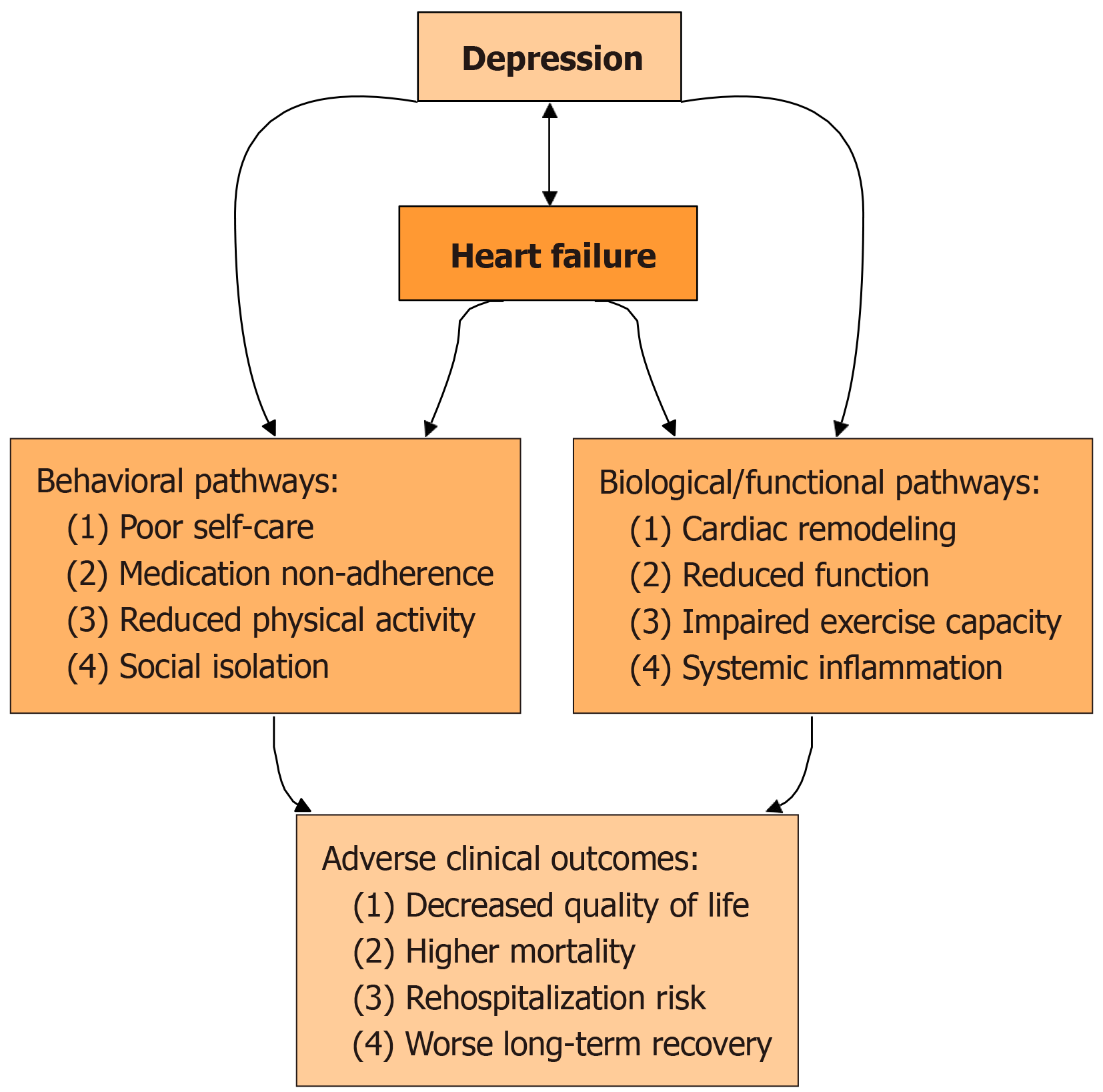
Figure 1 Bidirectional relationship between heart failure and depression and their impact on clinical outcomes.
This figure illustrates the bidi
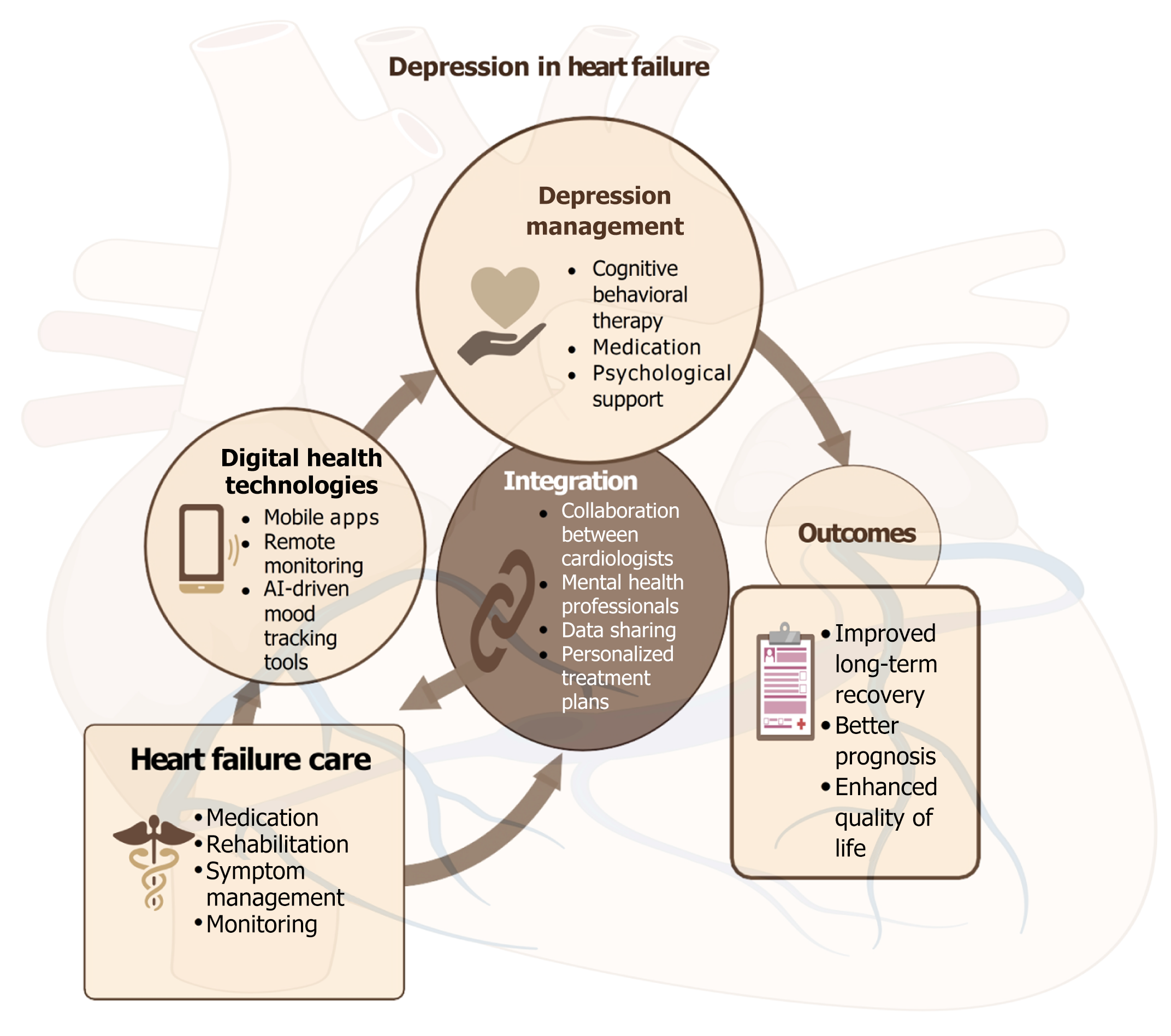
Figure 2 Role of digital health technologies in managing depression and self-care in heart failure patients.
This figure illustrates the integration of digital health technologies, such as mobile applications, remote monitoring, and artificial intelligence-driven mood tracking, into depression management for heart failure patients. These technologies support personalized care plans by facilitating collaboration between cardiologists and mental health professionals, ultimately improving long-term recovery, prognosis, and quality of life. The figure was created using BioRender (Supplementary material).
- Citation: Cen KY, Liang XL, Zhang ML. Redefining psychocardiology: Integrating depression management into heart failure care for enhanced long-term recovery and prognosis. World J Psychiatry 2026; 16(6): 116288
- URL: https://www.wjgnet.com/2220-3206/full/v16/i6/116288.htm
- DOI: https://dx.doi.org/10.5498/wjp.v16.i6.116288