
















Copyright: ©Author(s) 2026.
World J Psychiatry. Jun 19, 2026; 16(6): 116013
Published online Jun 19, 2026. doi: 10.5498/wjp.v16.i6.116013
Published online Jun 19, 2026. doi: 10.5498/wjp.v16.i6.116013
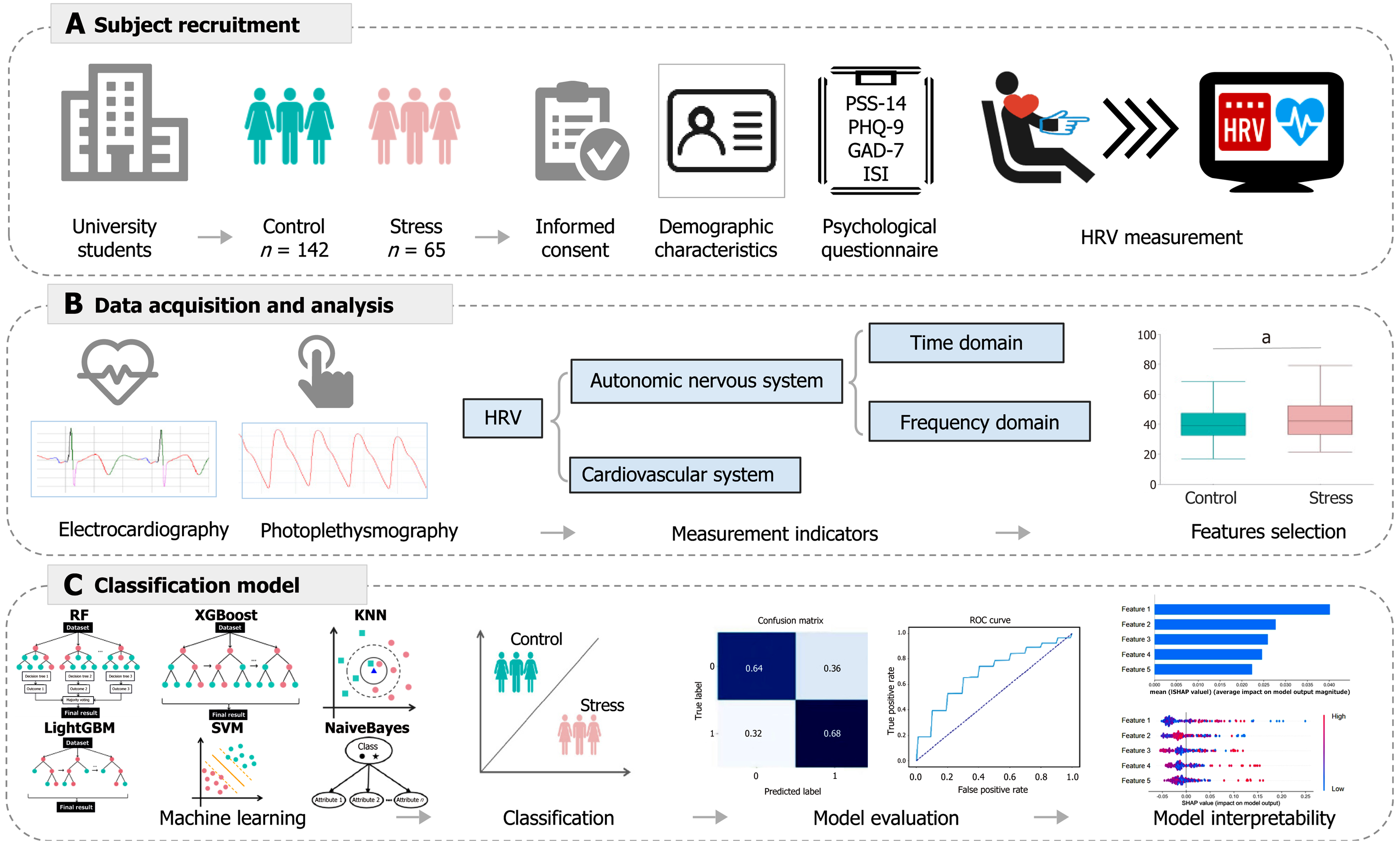
Figure 1 The flowchart of this study.
A: A cohort of 207 Chinese university students was recruited for participation in this cross-sectional study. Psychological questionnaires and resting-state heart rate variability (HRV) data were collected from each student; B: Following data preprocessing, we extracted 72 standard HRV parameters for analysis. A statistical comparison was performed between the stress and control groups; C: These HRV parameters were subsequently used as input variables for the development of six machine learning-based classification models, which were constructed using ten-fold cross-validation. The performance was evaluated, and the importance of the selected HRV parameters was assessed. aP < 0.05; PSS: Perceived Stress Scale; PHQ-9: Patient Health Questionnaire-9; GAD-7: Generalized Anxiety Disorder-7; ISI: Insomnia Severity Index; HRV: Heart rate variability; SHAP: SHapley Additive exPlanations; RF: Random Forest; XGBoost: EXtreme Gradient Boosting; KNN: K-Nearest Neighbors; LightGBM: Light Gradient Boosting Machine; SVC: Support Vector Machine; NB: Naive Bayes.
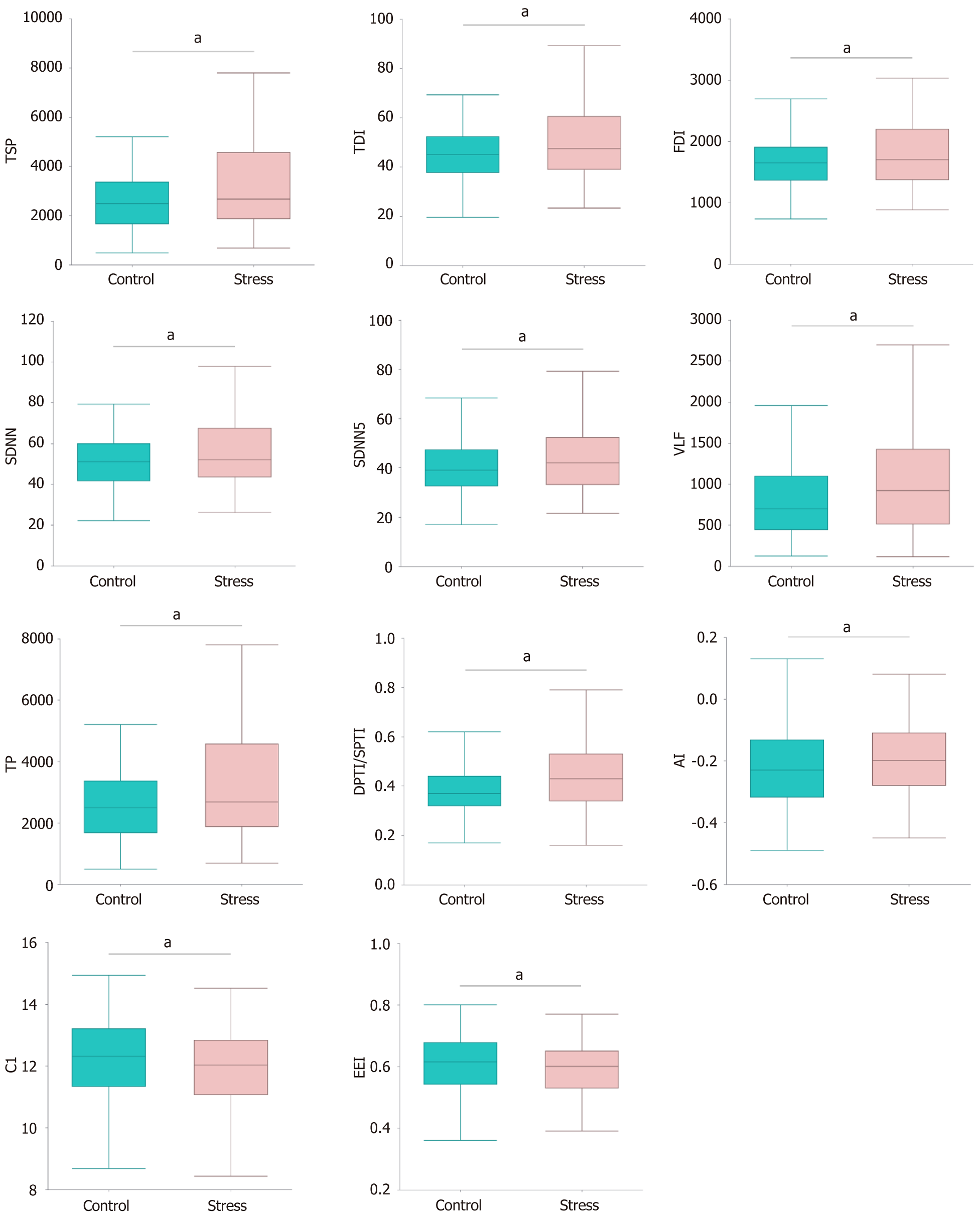
Figure 2 Significant differences in the heart rate variability parameters between the stress and control groups among Chinese university students.
Significance level was set at P < 0.05. aP < 0.05; TSP: Total power spectrum; TDI: Time domain index; FDI: Frequency domain index; SDNN: Standard deviation of NN intervals; SDNN5: 5-minute mean of standard deviation of NN intervals; VLF: Very low frequency; TP: Total power; DPTI/SPTI: Diastolic/systolic pressure-time index of the heart; C1: Compliance of arterial vascular volume; AI: Augmentation index; EEI: Ejection elasticity index.
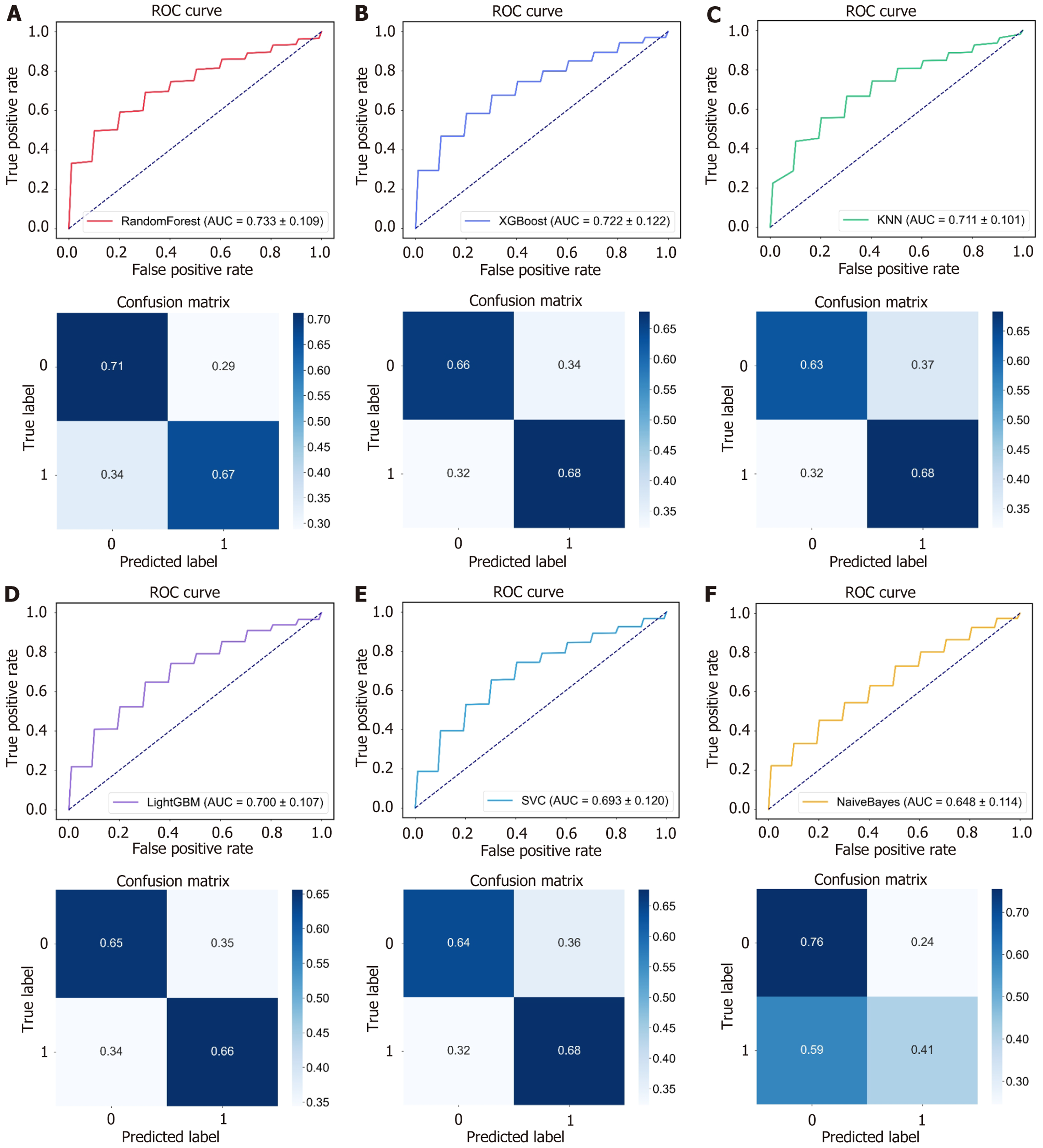
Figure 3 The performance of six machine learning algorithms.
Receiver operating characteristic curve (left) and confusion matrix (right). A: Random forest; B: EXtreme Gradient Boosting; C: K-Nearest Neighbors; D: Light Gradient Boosting Machine; E: Support Vector Machine; F: Naive Bayes. AUC: Area under the curve; ROC: Receiver operating characteristic; RF: Random forest; XGBoost: EXtreme Gradient Boosting; KNN: K-Nearest Neighbors; LightGBM: Light Gradient Boosting Machine; SVC: Support Vector Machine; NB: Naive Bayes.
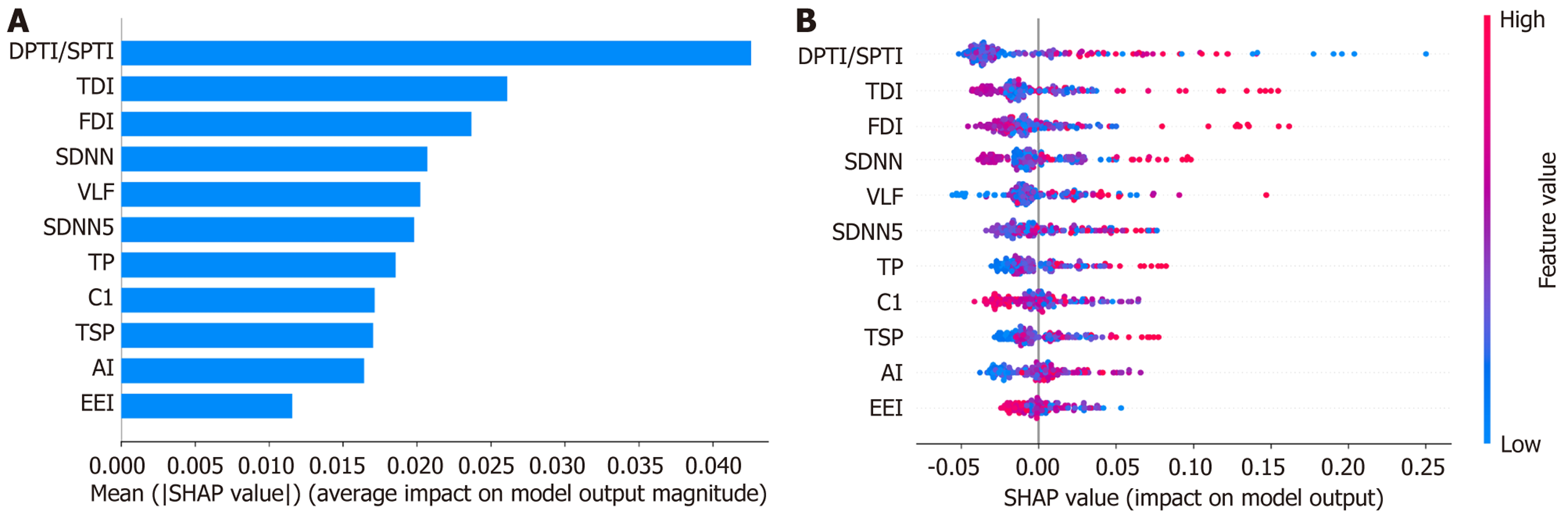
Figure 4 Feature importance analysis based on SHapley Additive exPlanations method.
The heart rate variability parameters identified by SHapley Additive exPlanations (SHAP) for the random forest model are ranked according to their importance, from most to least. A: Mean absolute SHAP values (bar plot). Feature importance is assessed by computing the mean of the absolute SHAP values for each feature. A bar plot illustrates the mean absolute SHAP values for the heart rate variability parameters, with larger bars indicating greater importance in distinguishing between stress and non-stress states; B: SHAP value distribution (beeswarm plot). Each point represents the SHAP value for an individual sample, red and blue colors indicating higher and lower values, respectively. DPTI/SPTI: Diastolic/Systolic Pressure-Time Index of the Heart; TDI: Time Domain Index; FDI: Frequency Domain Index; SDNN: Standard Deviation of NN Intervals; VLF: Very Low Frequency; SDNN5: 5-Minute Mean of Standard Deviation of NN Intervals; C1: Compliance of arterial vascular volume; AI: Augmentation Index; TSP: Total Power Spectrum; TP: Total Power; EEI: Ejection Elasticity Index; SHAP: SHapley Additive exPlanations.
- Citation: Wei YG, Yang LH, Qin SS, Chen YL, Yan JN, Liu RX, Ma YM, Wang C, Song ZJ, Wang F, Ji GJ. Mental stress recognition using interpretable machine learning models with heart rate variability among Chinese university students. World J Psychiatry 2026; 16(6): 116013
- URL: https://www.wjgnet.com/2220-3206/full/v16/i6/116013.htm
- DOI: https://dx.doi.org/10.5498/wjp.v16.i6.116013