
















Copyright: ©Author(s) 2026.
World J Psychiatry. Jun 19, 2026; 16(6): 115996
Published online Jun 19, 2026. doi: 10.5498/wjp.v16.i6.115996
Published online Jun 19, 2026. doi: 10.5498/wjp.v16.i6.115996
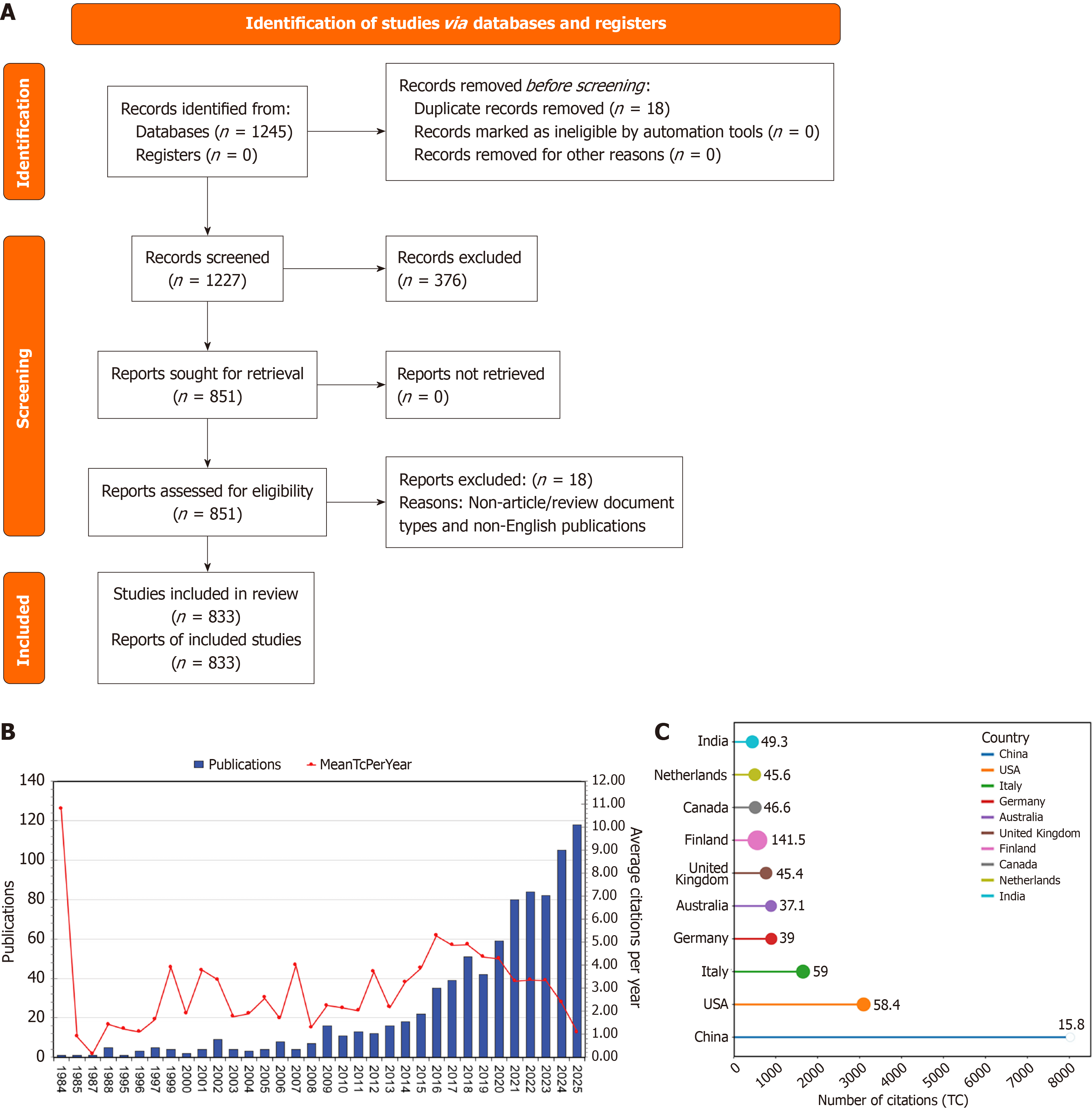
Figure 1 Bibliometric analysis of global research trends in post-stroke depression.
A: Flowchart of the study selection process. A systematic search of the Web of Science Core Collection using keywords related to “post-stroke depression” identified 1245 publications. After applying inclusion criteria [e.g., article or review, English language, studies involving human patients, animal models, or cellular models of post-stroke depression (PSD)], 833 publications were included for final bibliometric analysis; B: Annual publication output and citation impact from 1984 to 2024. The bar chart shows the number of publications per year, illustrating the growth of research volume. The line graph represents the average number of citations per year (MeanTcPerYear), indicating the temporal trend of scholarly influence; C: Citation analysis by country. The horizontal bar chart displays the top-contributing countries ranked by their total citation counts, highlighting the most influential countries in the PSD research field. Analyses were performed using CiteSpace (6.3.R1), VOSviewer (1.6.20), R (4.5.1), and Excel (2025).
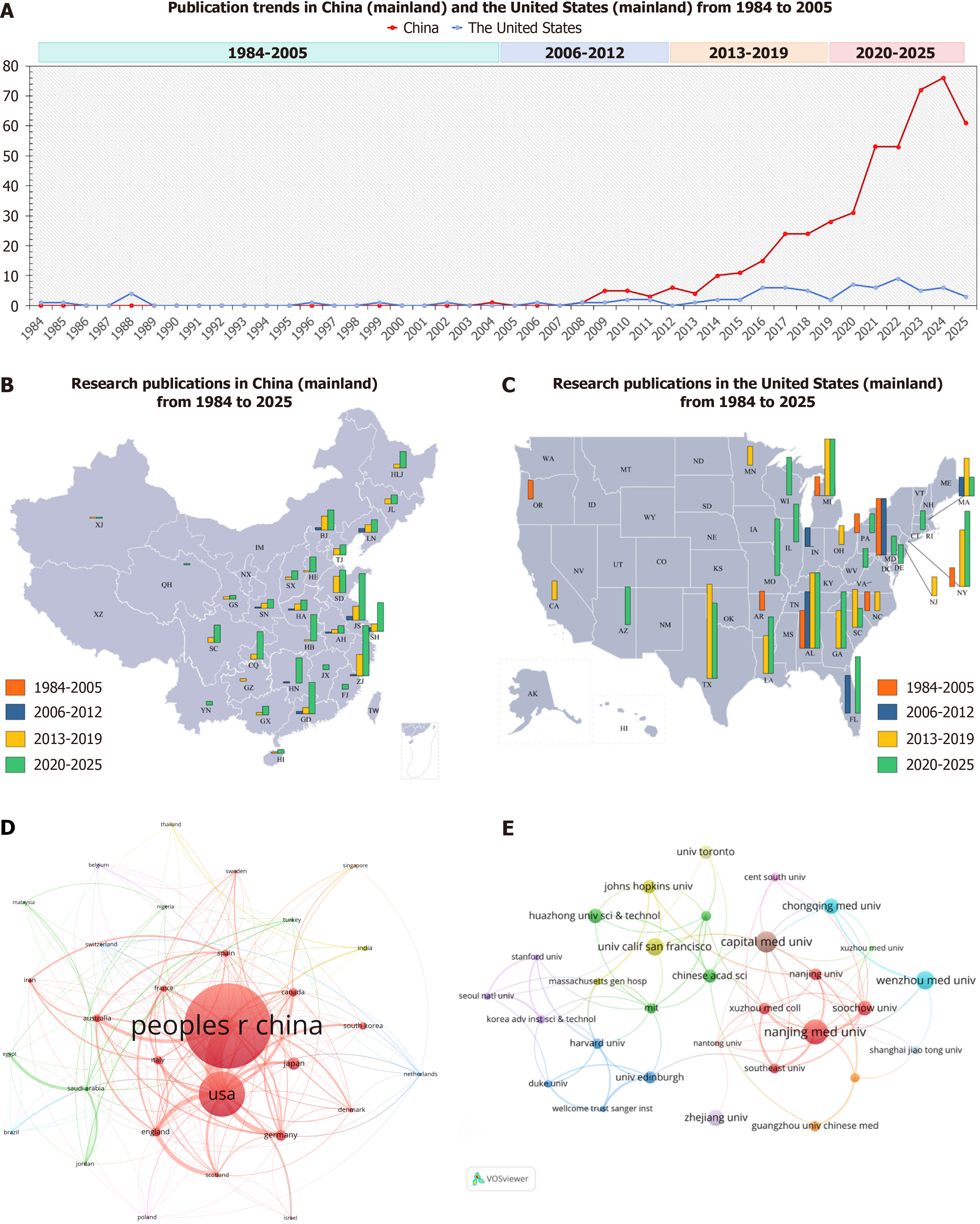
Figure 2 Comparative bibliometric analysis of post-stroke depression research between China (mainland) and the United States (mainland) (1984-2025).
A: Annual publication trends (1984-2025). A line graph comparing the yearly number of post-stroke depression (PSD)-related publications from China (mainland, red solid line) and the United States (mainland, blue dashed line). The timeline is divided into four phases (1984-2005, 2006-2012, 2013-2019, 2020-2025) to reflect distinct periods of research policy and investment. China shows exponential growth after 2010, peaking around 2023, whereas United States output remains relatively stable; B: Geographical distribution of publications in China (mainland). A choropleth-bar map illustrating provincial-level research output across four time periods. Each province is marked by a cluster of vertical bars color-coded by period: Red (1984-2005), blue (2006-2012), yellow (2013-2019), and green (2020-2025). Bar height corresponds to publication count. High-output provinces include Jiangsu, Beijing, Shanghai, Guangdong, and Zhejiang, with pronounced growth in the most recent period. Regions such as Tibet and Qinghai show minimal activity; C: Geographical distribution of publications in the United States (mainland). A corresponding choropleth-bar map for United States, using the same period-based color scheme. States with the highest research output include California, Massachusetts, New York, Illinois, and Texas, reflecting established regional research hubs; D: International collaboration network. A node-link diagram generated with VOSviewer, displaying co-authorship links between countries. Node size represents publication volume, and link thickness indicates collaboration strength. China (“peoples r China”) and the United States (“USA”) are the largest and most central nodes, connected to numerous other countries (e.g., Thailand, Belgium), underscoring their pivotal roles in global PSD research networks; E: Institutional collaboration network. A detailed network map highlighting cooperative relationships among major research institutions. Nodes represent institutions (e.g., Harvard University, Stanford University, MIT in the United States; Chinese Academy of Sciences, Nanjing Medical University in China), colored by country/region. Links denote co-authorship, with thicker lines indicating stronger collaboration. The network reveals both domestic clusters and cross-national partnerships, illustrating the complex, globally interconnected nature of PSD research. Analyses were performed using CiteSpace (6.3.R1), VOSviewer (1.6.20), Origin (2025), and Excel (2025).
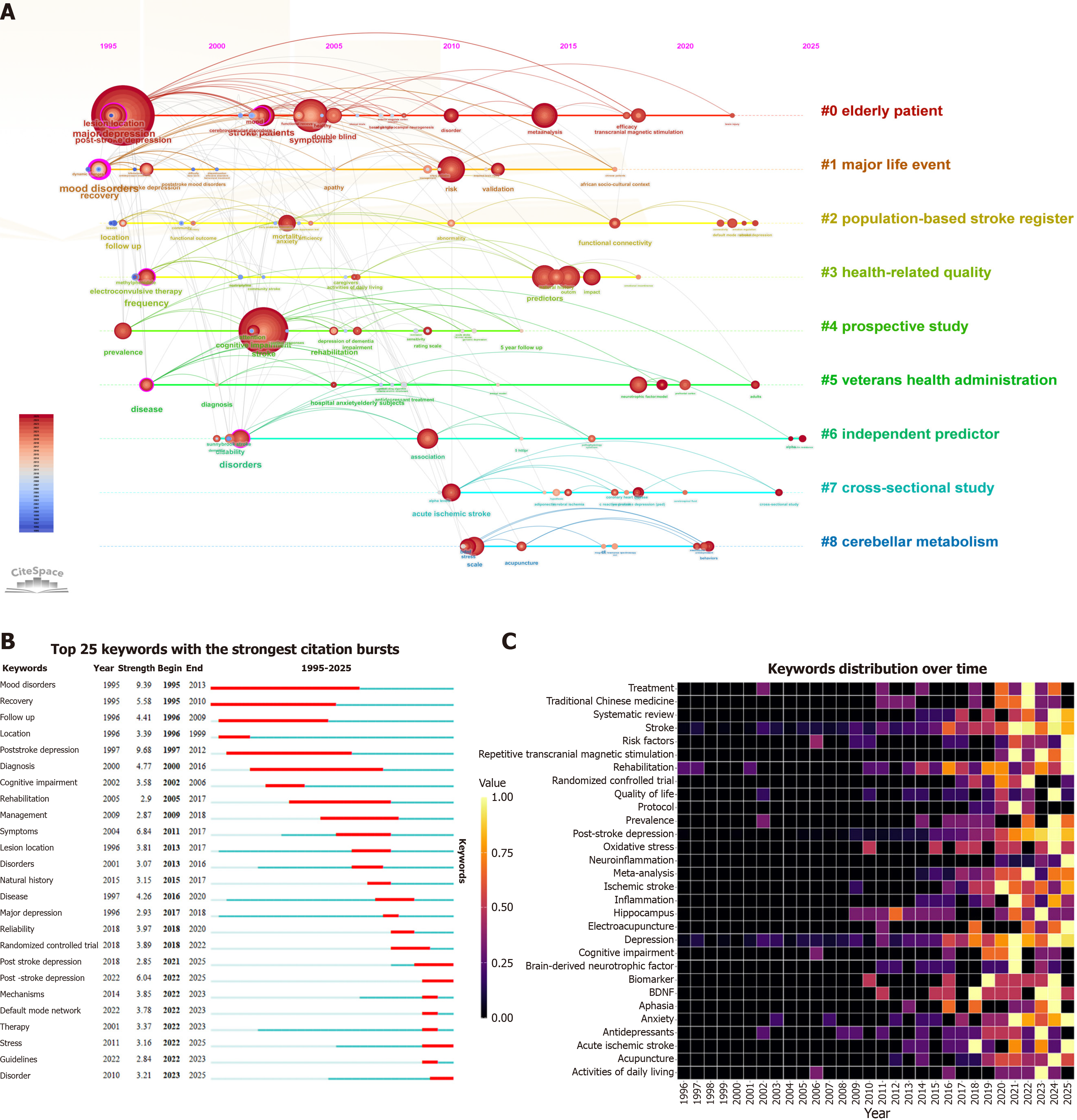
Figure 3 Evolution of research fronts and thematic trends in post-stroke depression.
A: Keyword co-occurrence network map. Nodes represent high-frequency keywords clustered into distinct research themes (e.g., 0 elderly patient), with node size proportional to frequency and links indicating co-occurrence strength. The multi-color gradient (red, yellow, green, blue) reflects the temporal evolution of keywords from 1989 to 2023, based on a timeline spanning 1995 to 2025, illustrating the shift from clinical phenomenology to mechanistic studies; B: Top 25 keywords with the strongest citation bursts. The bar chart displays burst strength (horizontal axis) and duration (blue-to-red gradient bars) for keywords spanning from 1995 to 2025. Early bursts include “mood disorders” and “recovery”, while recent bursts highlight “randomized controlled trial”, “default mode network”, and “post - stroke depression”, reflecting the evolution of research focus from clinical phenomenology to mechanistic and interventional studies; C: Temporal heatmap of keyword frequency. Rows represent years (1989-2023), columns show keywords, and color intensity (purple to yellow) indicates annual keyword prominence, visualizing the dynamic evolution of research hotspots over time. Analyses performed using CiteSpace (6.3.R1) and R (4.5.1). Clustering and burst detection reveal a paradigm shift toward neuroimmune mechanisms and systems-level interventions in recent decades.
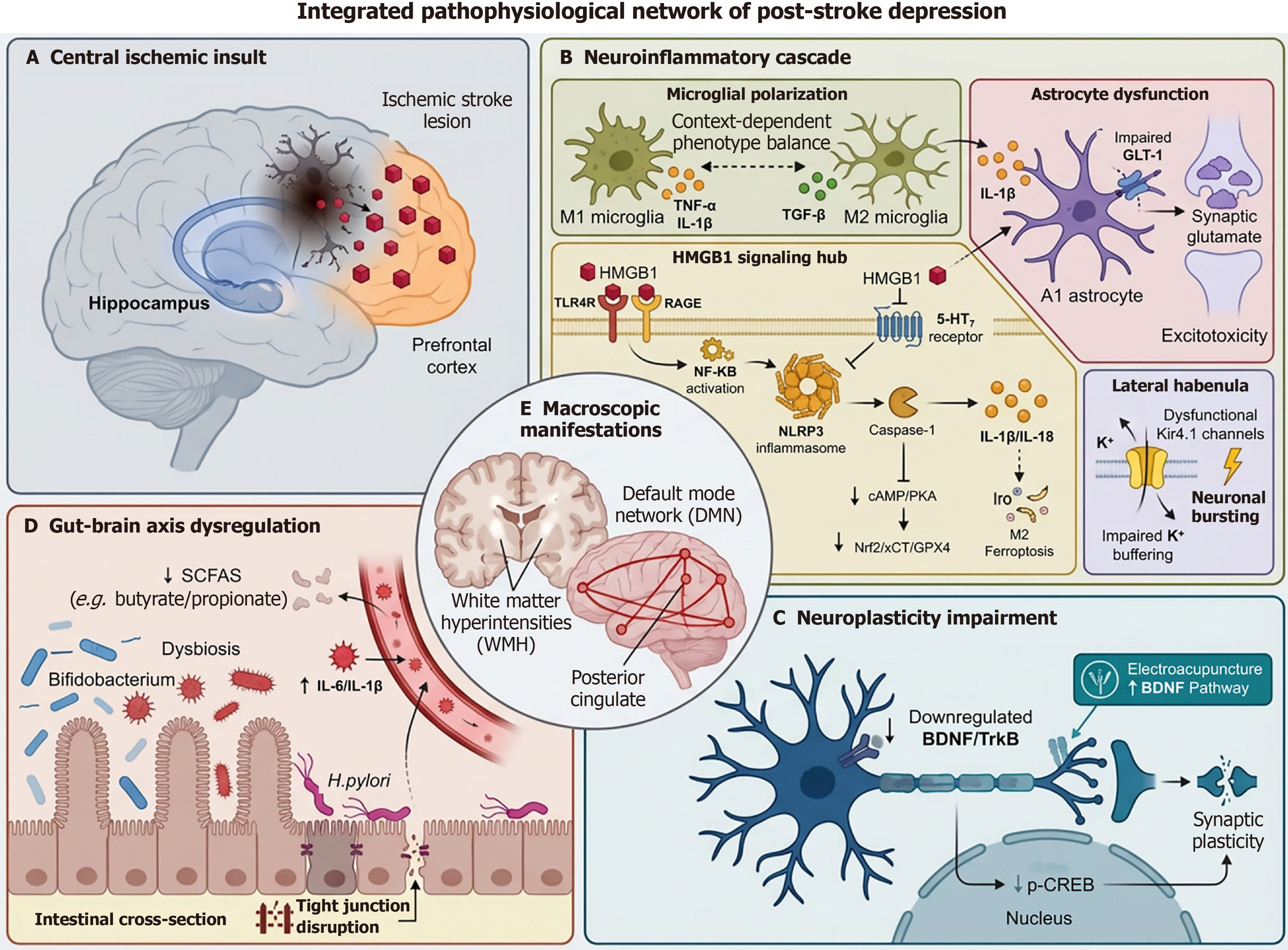
Figure 4 Integrated pathophysiological network of post-stroke depression.
A: Central ischemic insult. Focal brain ischemia, depicted in the hippocampus and prefrontal cortex, causes neuronal necrosis and serves as the primary trigger, releasing damage signals that initiate downstream pathological cascades; B: Neuroinflammatory Cascade. high-mobility group box 1 emerges as a pivotal hub, released from damaged neurons to activate microglia via RAGE/TLR4, driving NF-κB and NLRP3 inflammasome signaling. This sustains a cycle of M1 microglial activation and A1 astrocytic reactivity, with the latter contributing to excitotoxicity via impaired GLT-1 function; C: Neuroplasticity Impairment. A hallmark of post-stroke depression (PSD) is the downregulation of the BDNF/TrkB/CREB signaling pathway, crucial for neuronal survival and synaptic integrity. This impairment directly links cellular stress to the failure of neural circuit adaptation; D: Gut-brain axis dysregulation. Post-stroke gut dysbiosis-characterized by a loss of beneficial short-chain fatty acid-producing bacteria and an increase in opportunistic pathogens-compromises intestinal barrier function, amplifying systemic inflammation that can exacerbate central neuroinflammation; E: Macroscopic network manifestations. The molecular and cellular perturbations culminate in structural changes (e.g., white matter hyperintensities) and functional default mode network dysfunction, particularly hyperconnectivity in hubs like the posterior cingulate cortex, which underlies cognitive-emotional deficits in PSD.
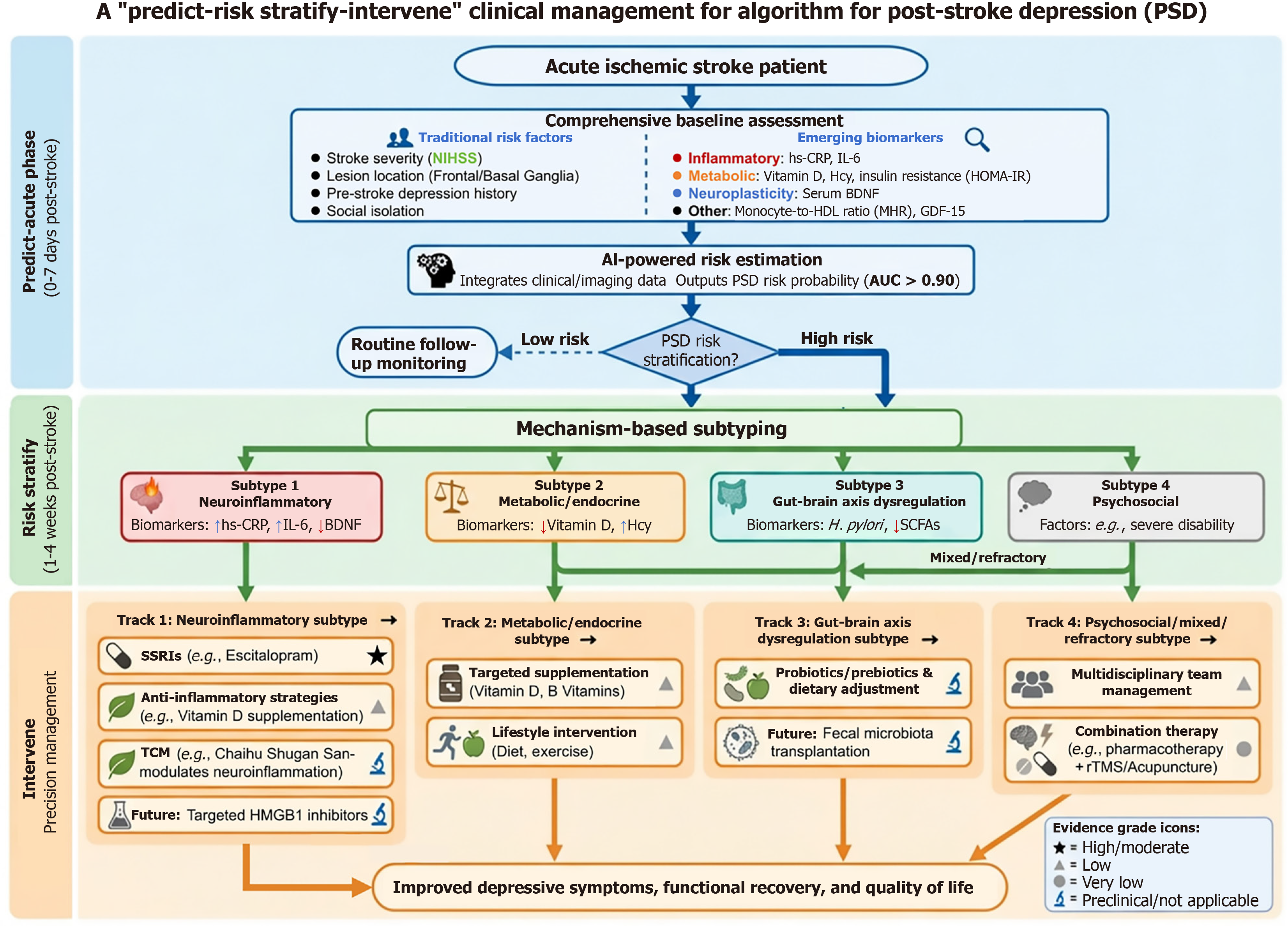
Figure 5 A “predict-risk stratify-intervene” clinical management algorithm for post-stroke depression.
This integrated decision-support tool translates post-stroke depression pathophysiology into a structured, time-sensitive clinical pathway. It begins with multimodal risk assessment, proceeds to mechanism-based subtyping, and culminates in subtype-specific interventions annotated with GRADE-derived evidence grades. The algorithm emphasizes the integration of traditional clinical markers, emerging biomarkers, and advanced analytics for precision management, with evidence ratings directly informing therapeutic confidence.
- Citation: Gu JX, Liu CQ, Chen GX, Yao T, Sun ZX, Wang Y. Post-stroke depression update 2025: Mechanisms, prediction, and management. World J Psychiatry 2026; 16(6): 115996
- URL: https://www.wjgnet.com/2220-3206/full/v16/i6/115996.htm
- DOI: https://dx.doi.org/10.5498/wjp.v16.i6.115996