
















Copyright: ©Author(s) 2026.
World J Psychiatry. Apr 19, 2026; 16(4): 115720
Published online Apr 19, 2026. doi: 10.5498/wjp.v16.i4.115720
Published online Apr 19, 2026. doi: 10.5498/wjp.v16.i4.115720
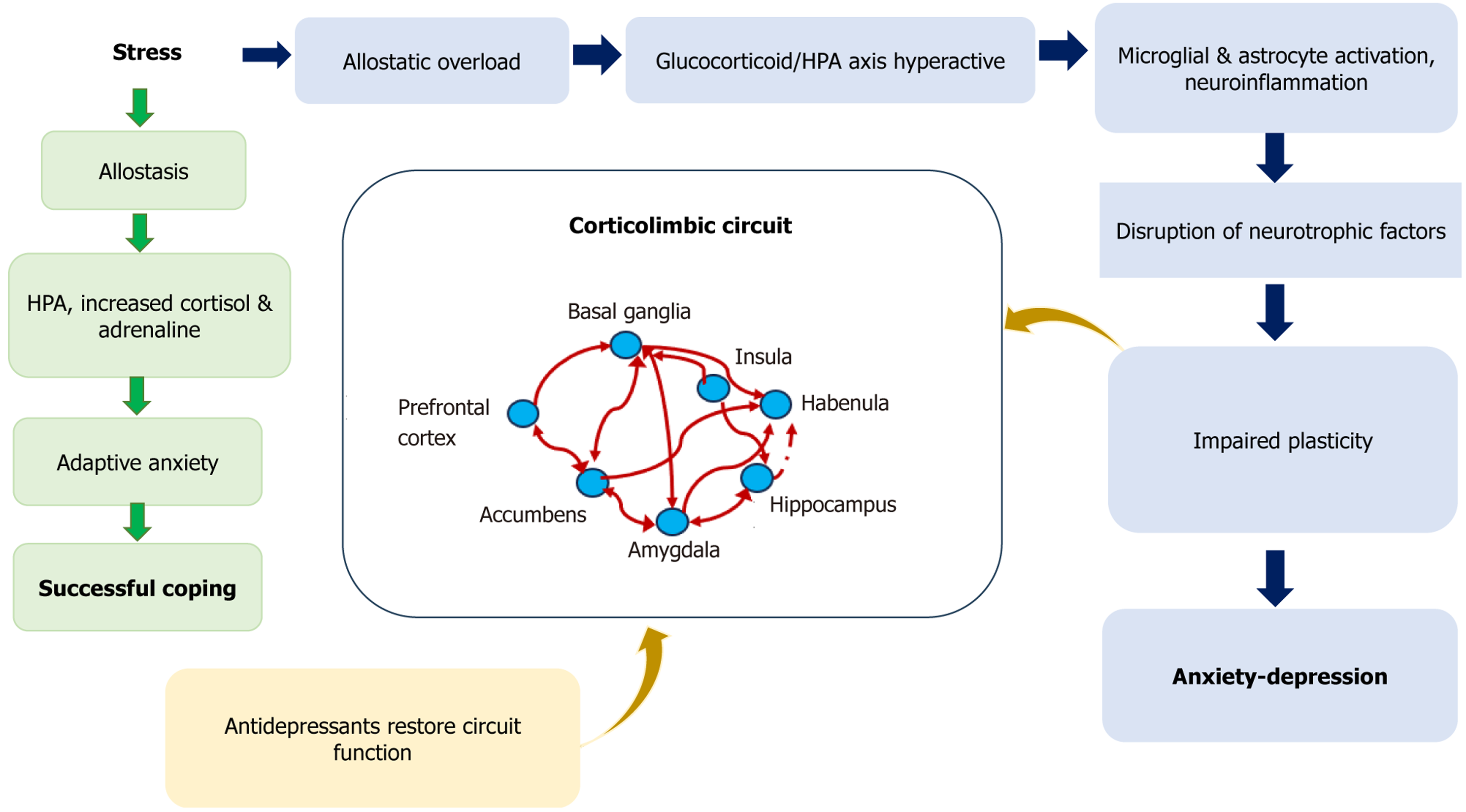
Figure 1 Hypothetical model of neuroinflammatory chained events leading to pathological conditions.
Under normal conditions, any stressful situation produces a reaction of emergency systems (allostasis), accompanied by a period of adaptive anxiety that allows the individual to cope successfully with the situation and produce a recovery of function (green squares: Resilient individuals). When the stressful situation is prolonged or when the functional reactions are disproportionate, allostatic overload can lead to alterations of the function of microglia and astrocytes and the release of proinflammatory factors, leading to neuroinflammation and, in turn, pathological anxiety and depression (blue squares: Vulnerable individuals). Antidepressants with different latencies restore the function of corticolimbic circuits through actions on astrocytes, microglia, and neurotrophic factors. HPA: Hypothalamus-pituitary axis.
- Citation: Contreras CM, Gutiérrez-García AG. Depression and antidepressant drugs: Beyond a purely neurotransmitter approach. World J Psychiatry 2026; 16(4): 115720
- URL: https://www.wjgnet.com/2220-3206/full/v16/i4/115720.htm
- DOI: https://dx.doi.org/10.5498/wjp.v16.i4.115720