
















©Author(s) (or their employer(s)) 2026.
World J Psychiatry. Mar 19, 2026; 16(3): 114588
Published online Mar 19, 2026. doi: 10.5498/wjp.v16.i3.114588
Published online Mar 19, 2026. doi: 10.5498/wjp.v16.i3.114588
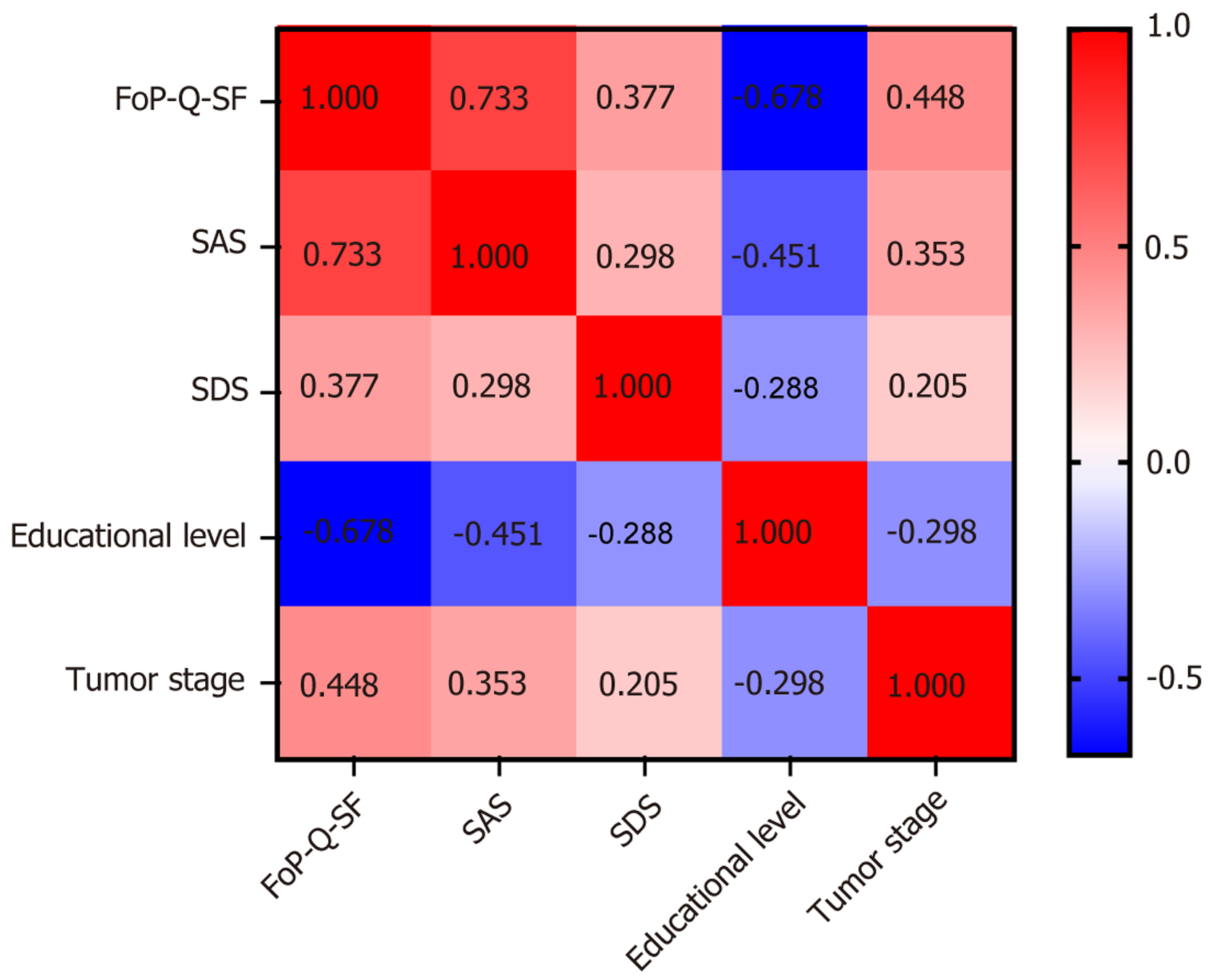
Figure 1 Heatmap of the correlations between the fear of progression questionnaire-short form scores and related variables.
FoP-Q-SF: Fear of progression questionnaire-short form; SAS: Self-rating anxiety scale; SDS: Self-rating depression scale.
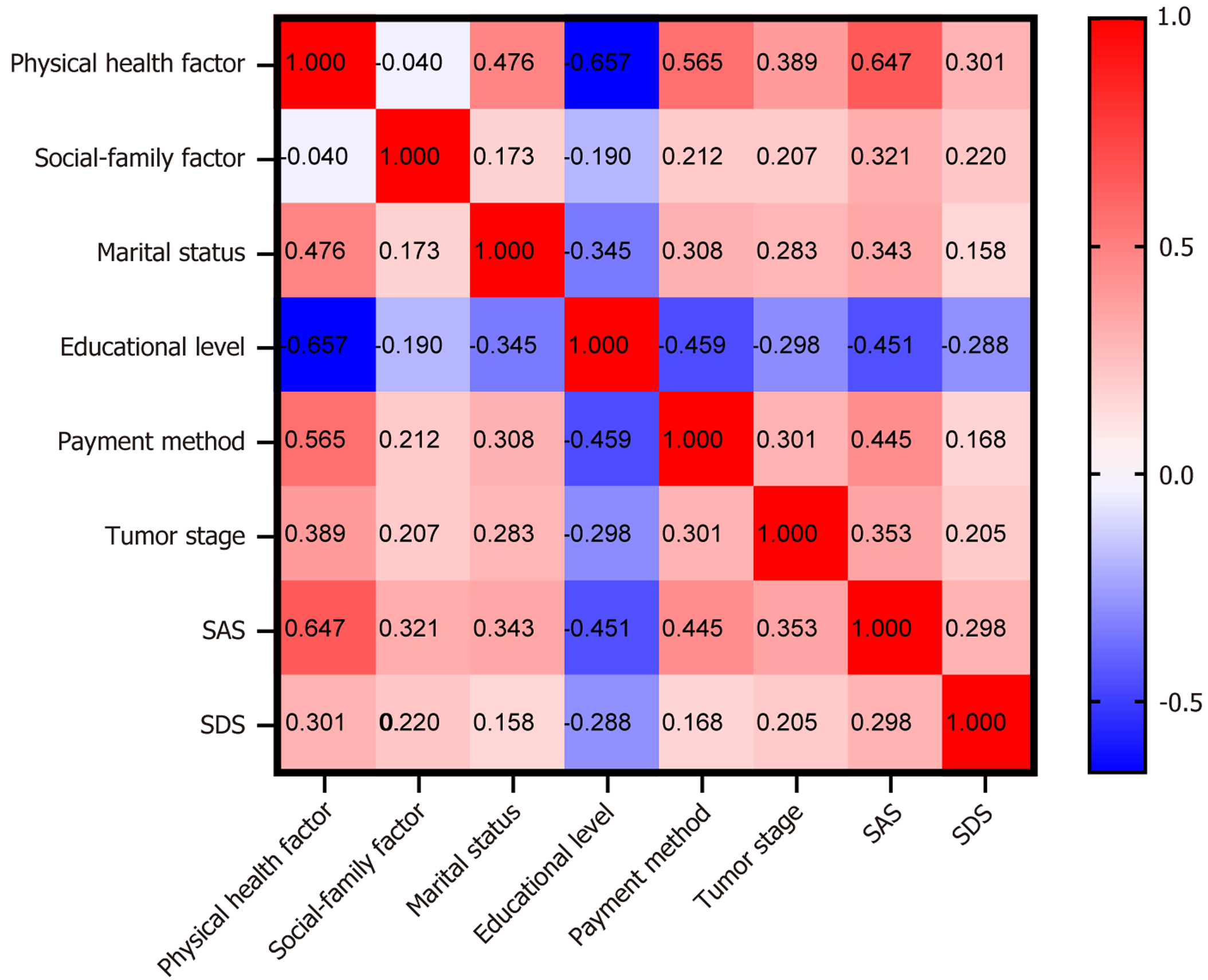
Figure 2 Heatmap of the associations between each factor of the fear of progression questionnaire-short form and related variables.
SAS: Self-rating anxiety scale; SDS: Self-rating depression scale.
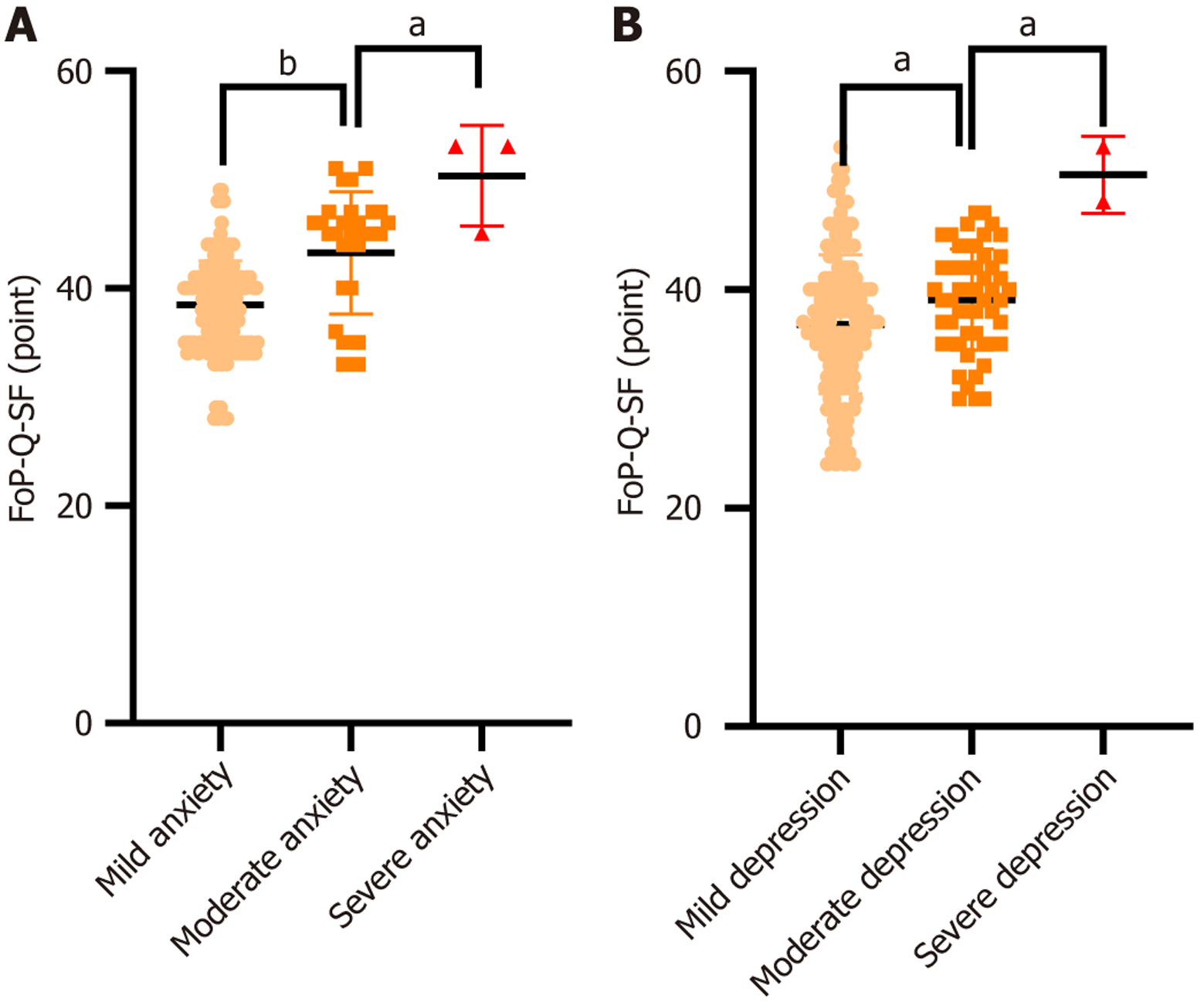
Figure 3 Gradient differences in the fear of progression questionnaire-short form levels among patients with different degrees of anxiety and depression.
A: Degree of anxiety; B: Degree of depression. aP < 0.05, bP < 0.001. FoP-Q-SF: Fear of progression questionnaire-short form.
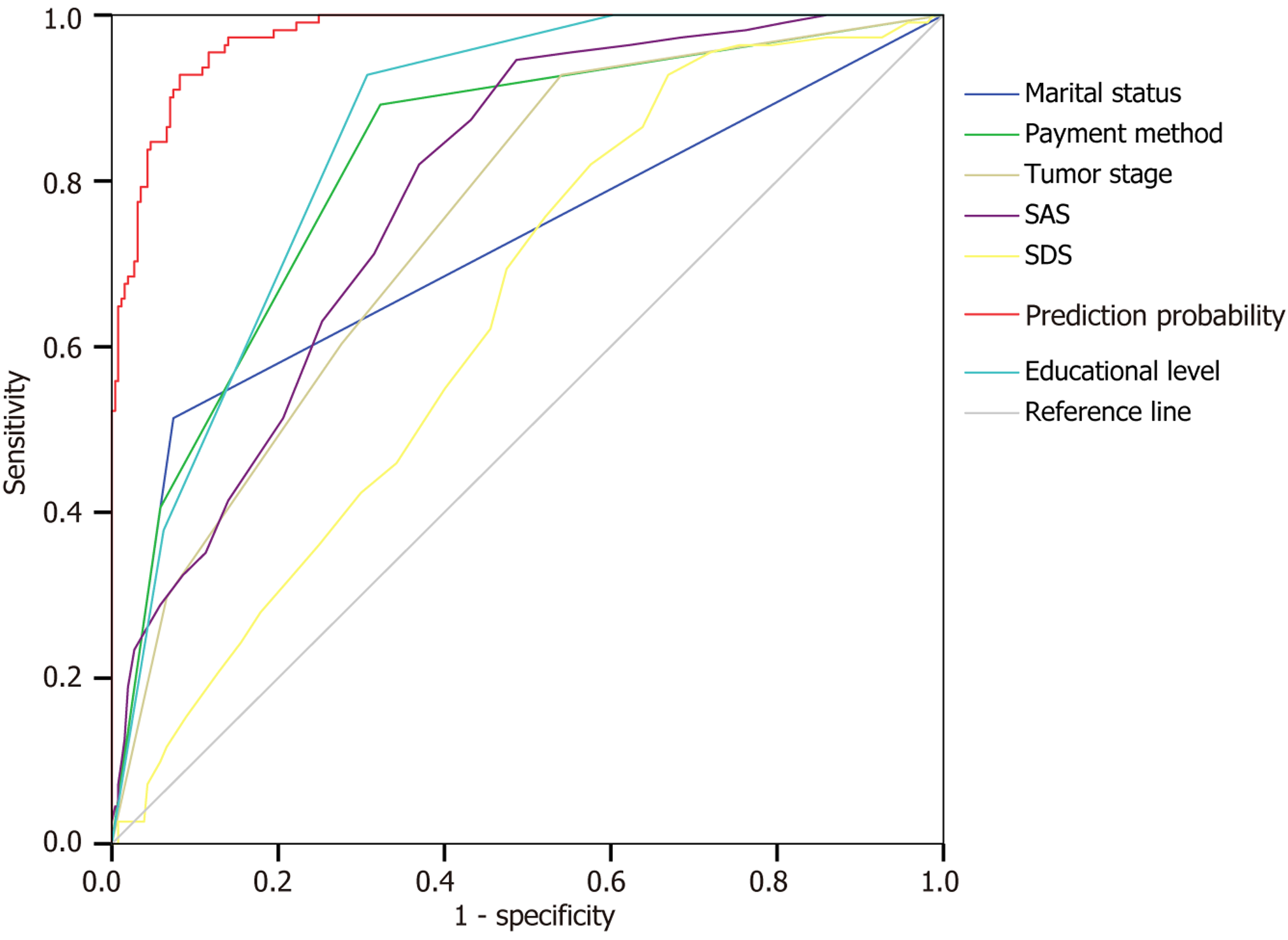
Figure 4 Receiver operating characteristic curve of the multiple regression model for predicting high fear status.
SAS: Self-rating anxiety scale; SDS: Self-rating depression Scale.
- Citation: Chen MJ, Lei W, Zhou J, Chen LX, Hui T, Lu X. Fear of disease progression and psychological factors in postoperative lung cancer patients. World J Psychiatry 2026; 16(3): 114588
- URL: https://www.wjgnet.com/2220-3206/full/v16/i3/114588.htm
- DOI: https://dx.doi.org/10.5498/wjp.v16.i3.114588