
















©Author(s) (or their employer(s)) 2026.
World J Psychiatry. Mar 19, 2026; 16(3): 113625
Published online Mar 19, 2026. doi: 10.5498/wjp.v16.i3.113625
Published online Mar 19, 2026. doi: 10.5498/wjp.v16.i3.113625
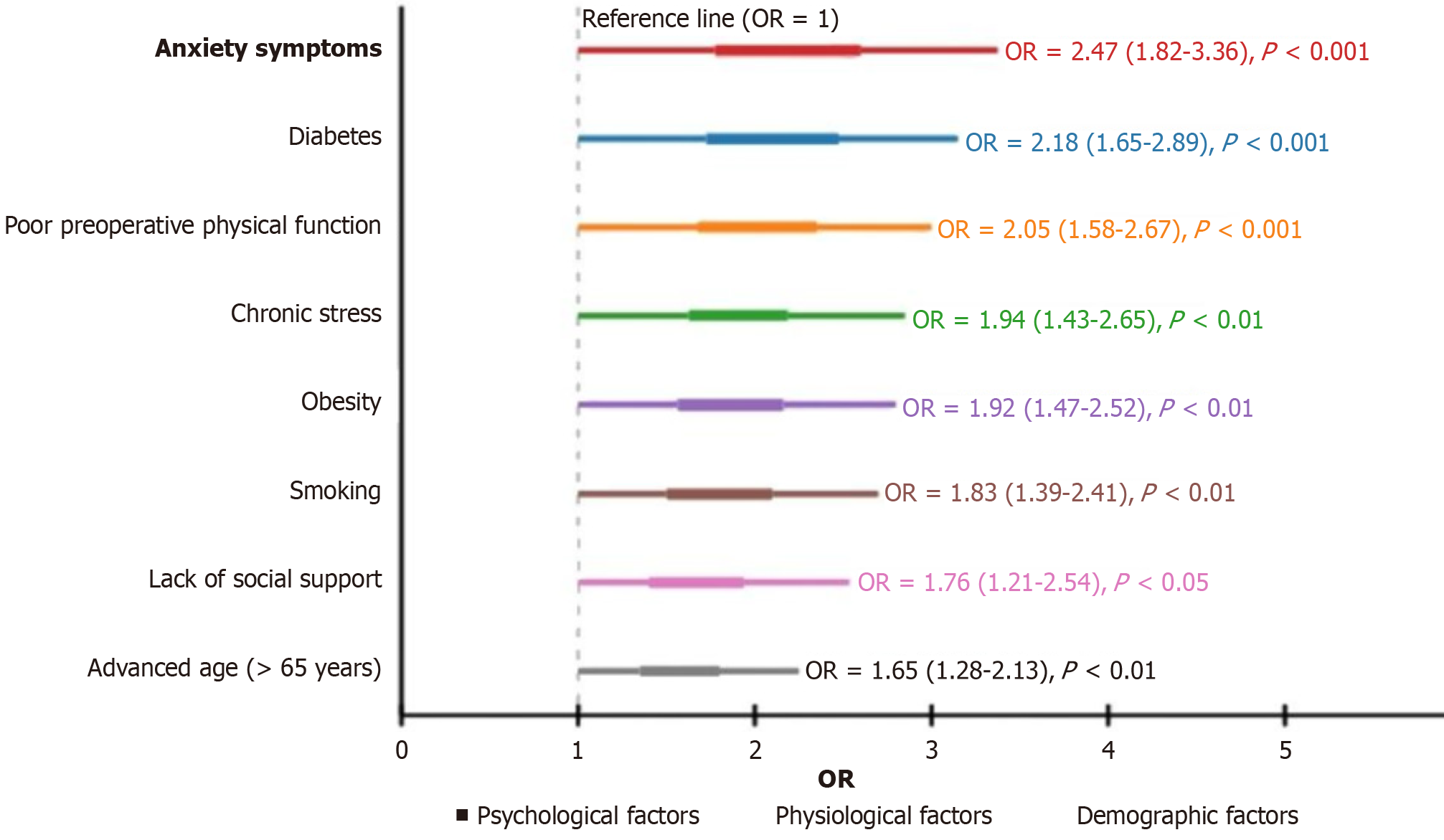
Figure 1 Multivariate analysis of risk factors.
Multiple factors independently affect delayed functional recovery. Anxiety symptoms, diabetes, and poor preoperative physical function showed the strongest associations, while chronic stress, obesity, smoking, lack of social support, and advanced age were also significant risk factors. Results suggest both psychological and physiological factors influence functional recovery outcomes. OR: Odds ratio.
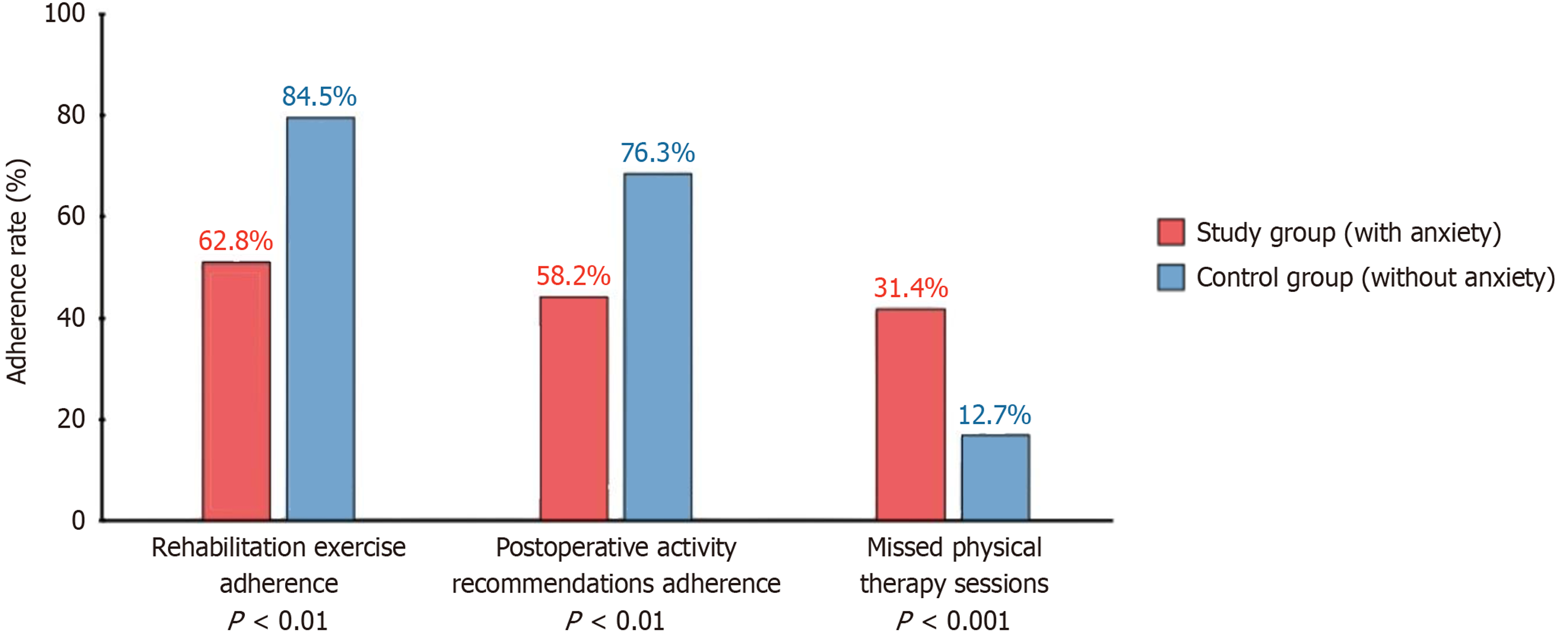
Figure 2 Self-care behaviors and treatment adherence.
Analysis showed patients in the study group had poorer adherence to rehabilitation exercises (62.8% vs 84.5%) and activity recommendations (58.2% vs 76.3%) compared to the control group. The study group also missed physical therapy sessions more frequently (31.4% vs 12.7%). These findings suggest psychological disorders significantly impact treatment adherence and self-management abilities.
- Citation: Shang S, Hu Y, Wang H, Rao RQ, Zhang F. Preoperative anxiety and psychological determinants of functional recovery after total knee arthroplasty: A retrospective cohort study. World J Psychiatry 2026; 16(3): 113625
- URL: https://www.wjgnet.com/2220-3206/full/v16/i3/113625.htm
- DOI: https://dx.doi.org/10.5498/wjp.v16.i3.113625