
















©Author(s) (or their employer(s)) 2026.
World J Psychiatry. Mar 19, 2026; 16(3): 112418
Published online Mar 19, 2026. doi: 10.5498/wjp.v16.i3.112418
Published online Mar 19, 2026. doi: 10.5498/wjp.v16.i3.112418
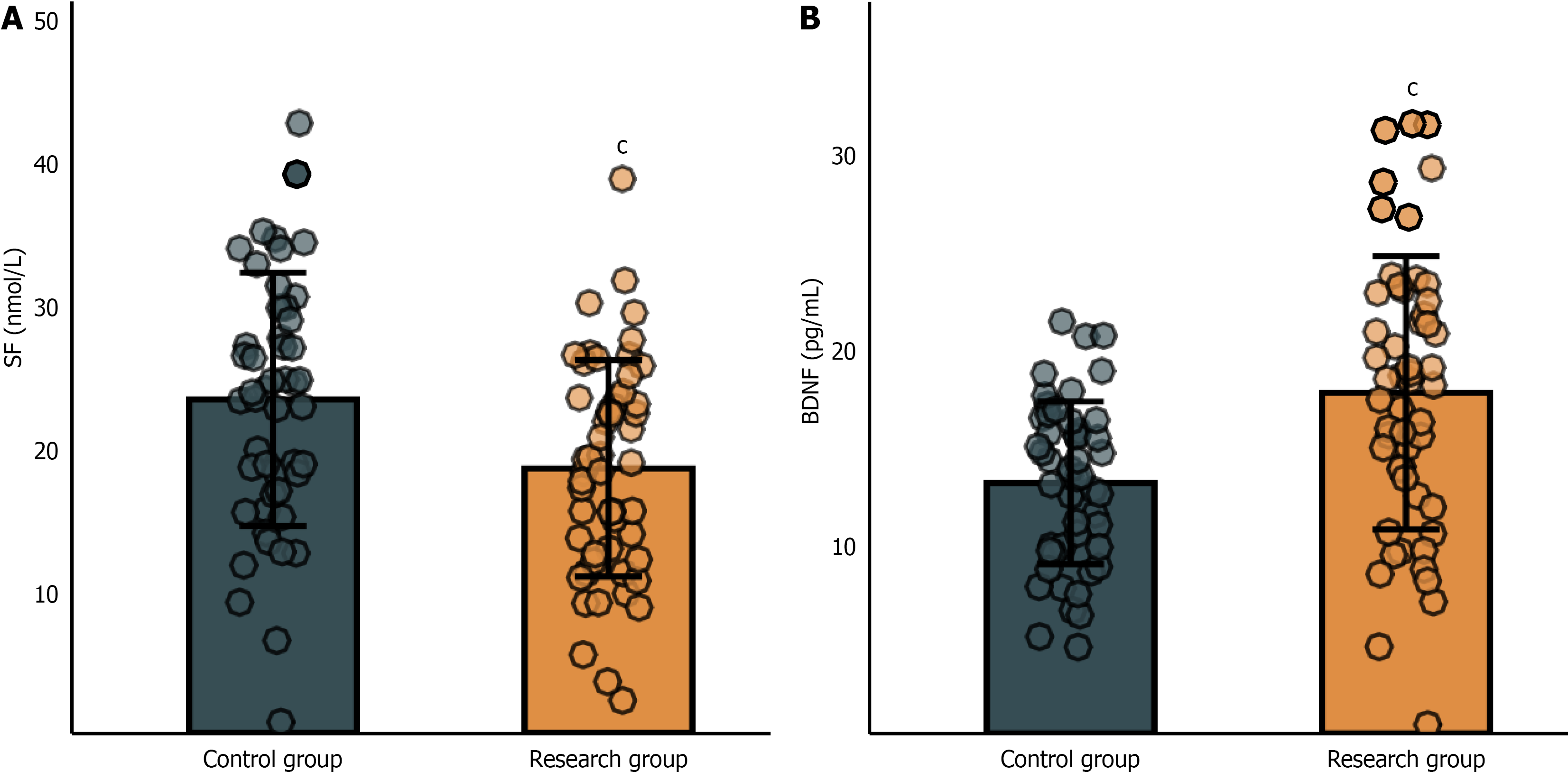
Figure 1 Comparative analysis of serum folate and brain-derived neurotrophic factor concentrations.
A: Serum folate levels across groups; B: Comparative brain-derived neurotrophic factor measurements. cP < 0.001. SF: Serum folate; BDNF: Brain-derived neurotrophic factor.
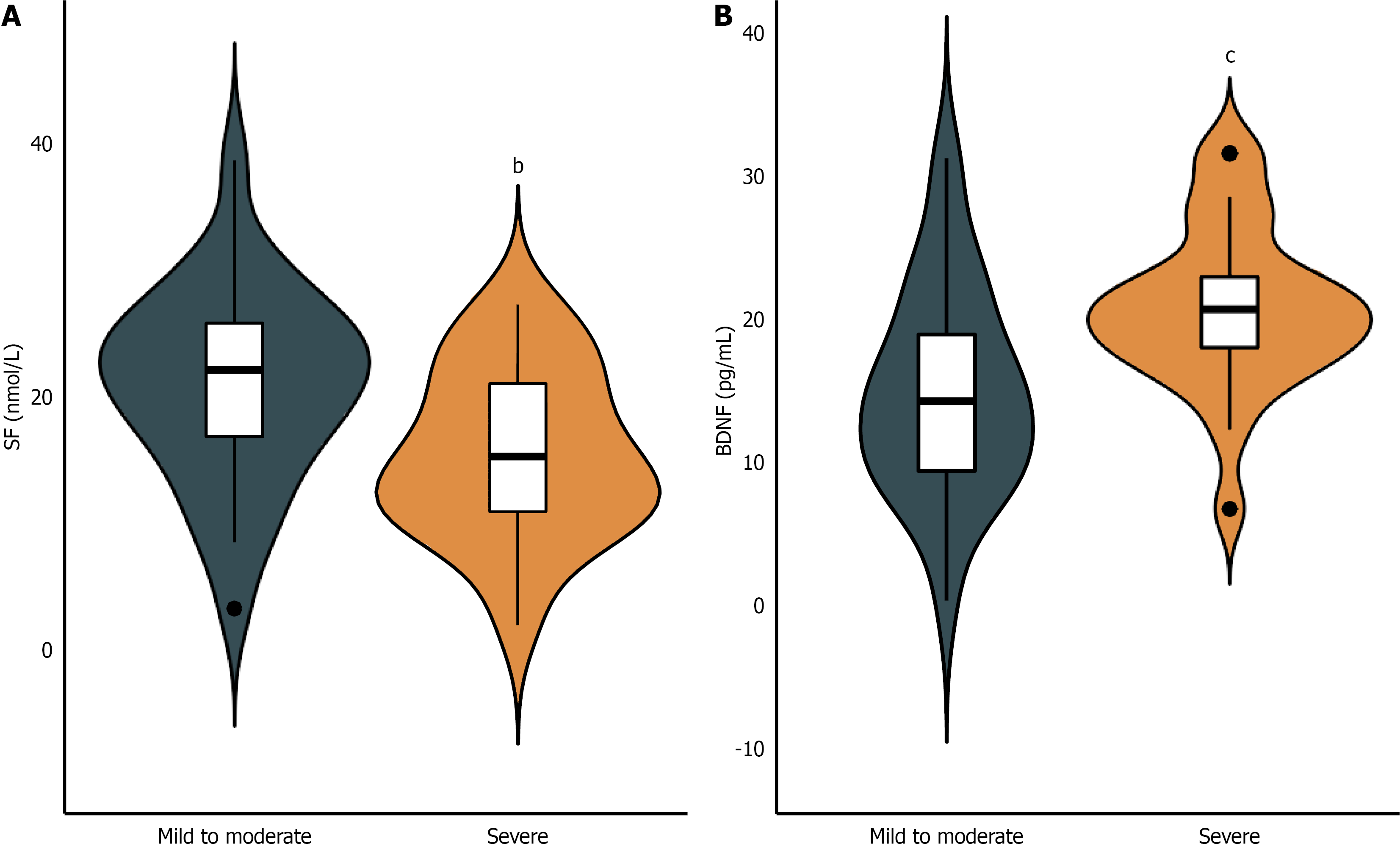
Figure 2 Serum folate and brain-derived neurotrophic factor levels across different severity grades in the research group.
A: Serum folate concentrations in mild, moderate, and severe patients; B: Brain-derived neurotrophic factor concentrations in cases with mild, moderate, or severe illness. bP < 0.01; cP < 0.001. SF: Serum folate; BDNF: Brain-derived neurotrophic factor.
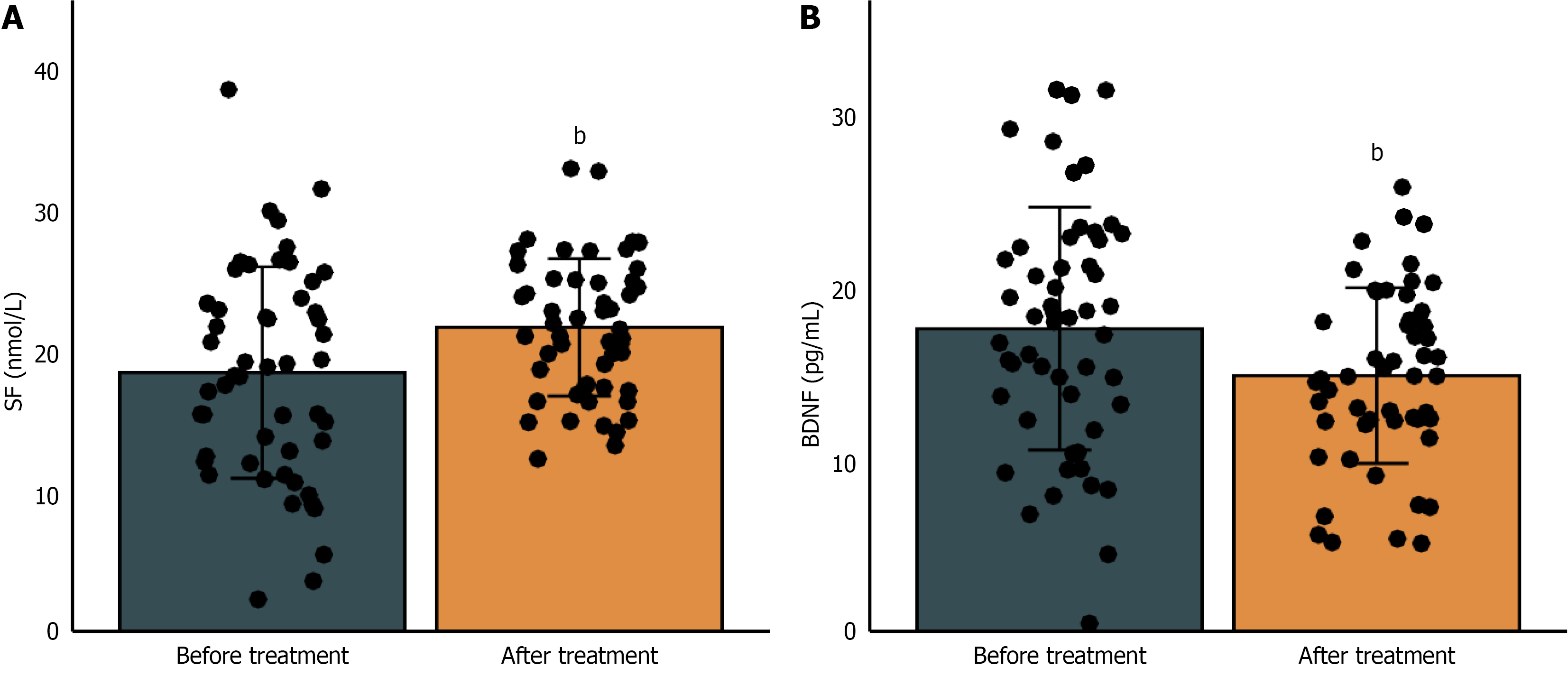
Figure 3 Treatment-induced alterations in serum folate and brain-derived neurotrophic factor levels in pediatric subjects in the research group.
A: Pre-treatment vs post-treatment serum folate concentrations in the research group; B: Brain-derived neurotrophic factor level fluctuations in pre- and post-therapy. bP < 0.01. SF: Serum folate; BDNF: Brain-derived neurotrophic factor.
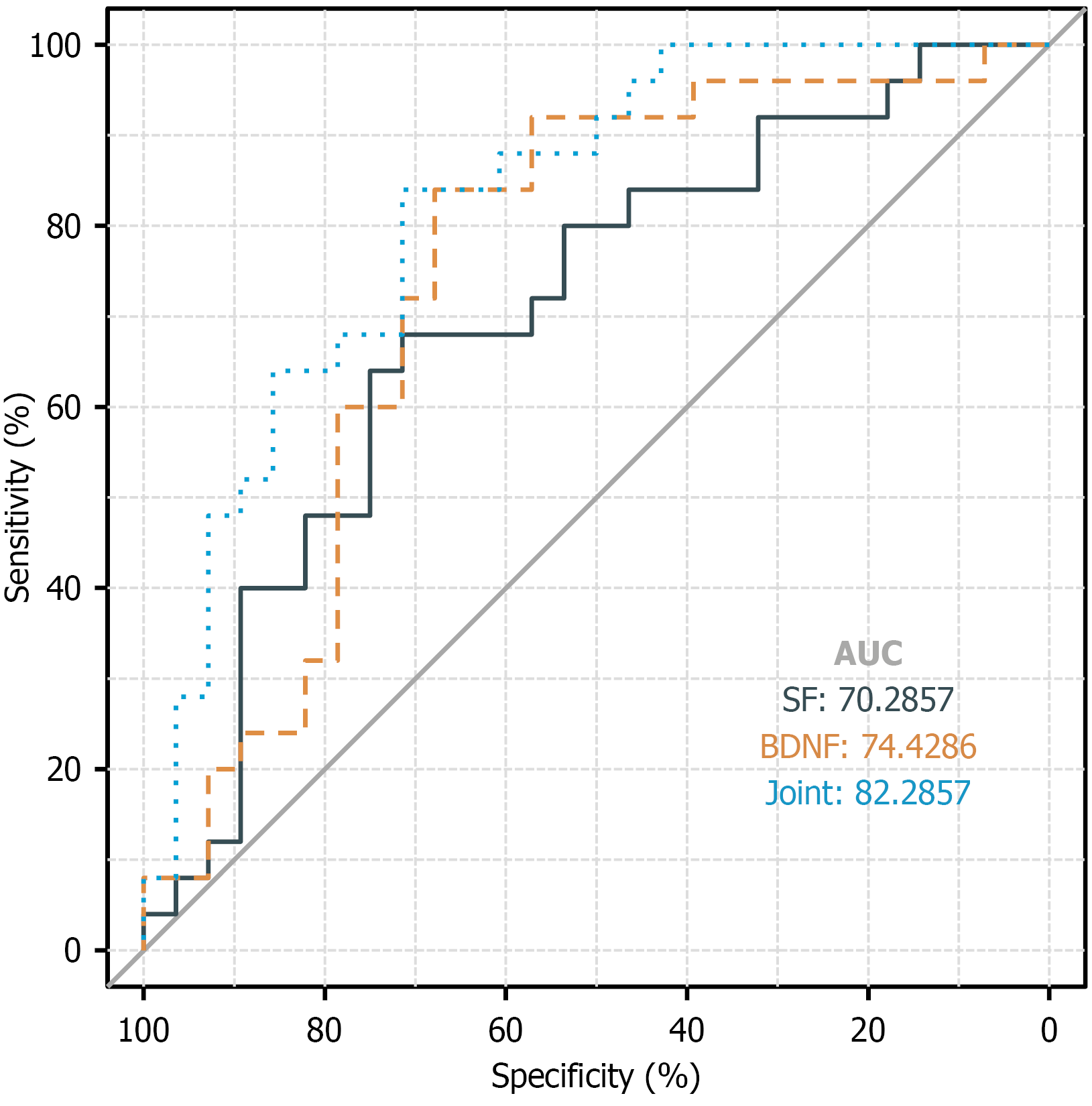
Figure 4 Receiver operating characteristic curves for serum folate and brain-derived neurotrophic factor in predicting the severity of autism spectrum disorder in children.
AUC: Area under the receiver operating characteristic curve; SF: Serum folate; BDNF: Brain-derived neurotrophic factor.
- Citation: Chen LB, Xu XQ, Chen YH. Serum folate and brain-derived neurotrophic factor in pediatric autism spectrum disorder and their predictive role in illness severity. World J Psychiatry 2026; 16(3): 112418
- URL: https://www.wjgnet.com/2220-3206/full/v16/i3/112418.htm
- DOI: https://dx.doi.org/10.5498/wjp.v16.i3.112418