
















Copyright: ©Author(s) 2026.
World J Psychiatry. Dec 19, 2026; 16(12): 125303
Published online Dec 19, 2026. doi: 10.5498/wjp.125303
Published online Dec 19, 2026. doi: 10.5498/wjp.125303
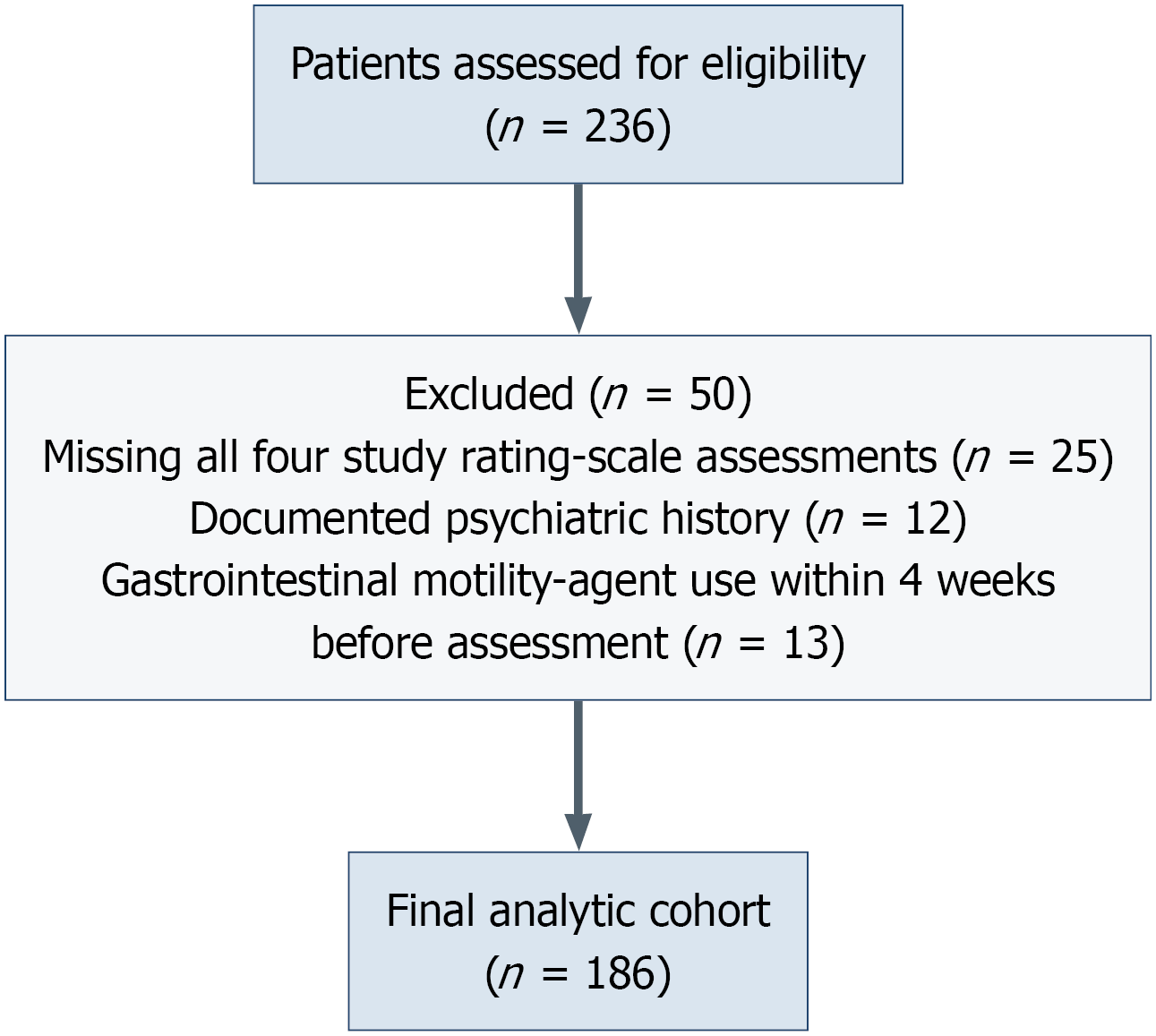
Figure 1 Flow diagram of participant inclusion.
Exclusion categories represent the primary reason assigned for each patient in the study flow diagram; individual patients may meet more than one exclusion criterion.
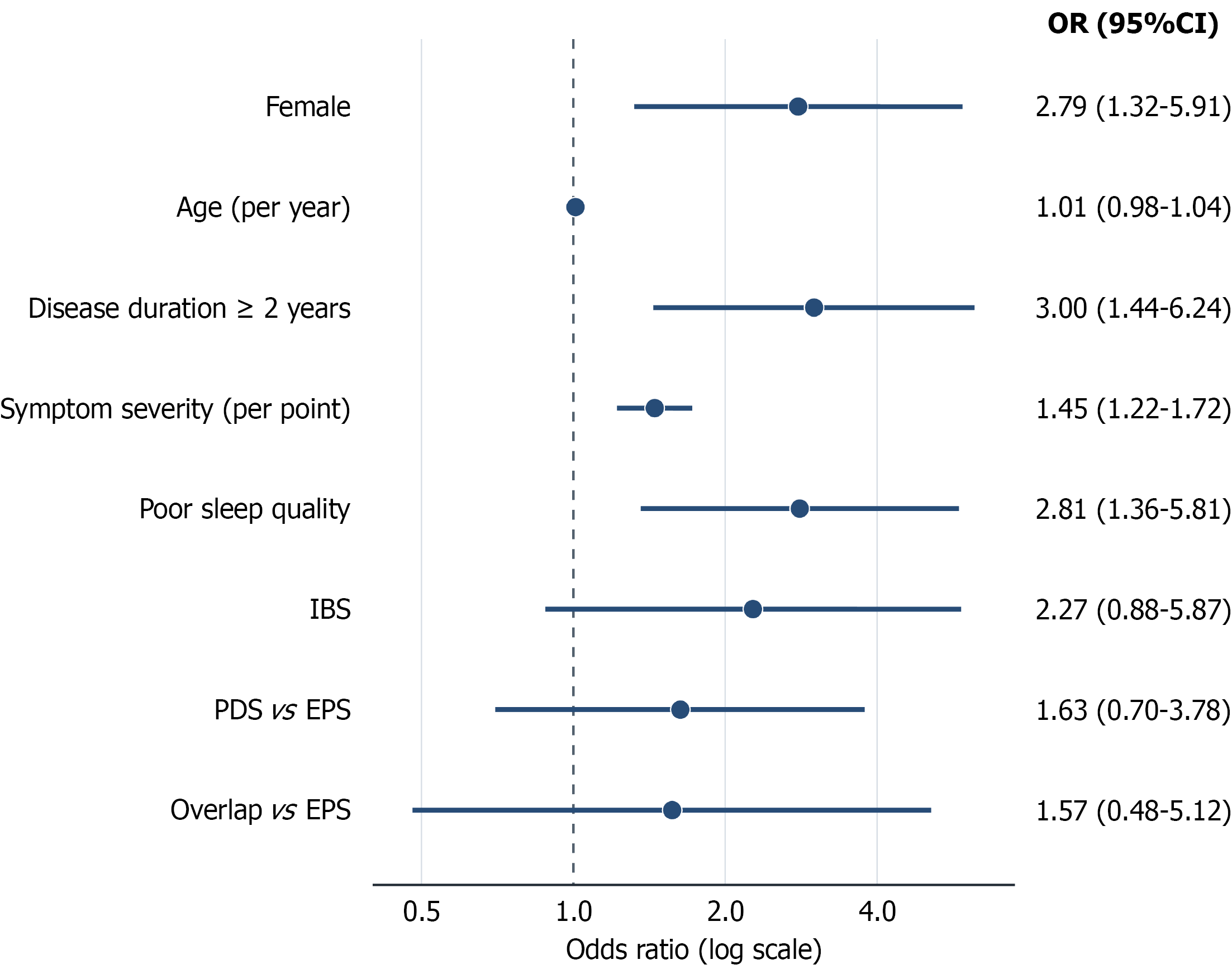
Figure 2 Primary clinically informed multivariable logistic model for Hamilton Anxiety Rating Scale-defined anxiety symptom status.
The model included female sex, age, disease duration ≥ 2 years, symptom severity, poor sleep quality, concomitant irritable bowel syndrome, and functional dyspepsia subtype. Epigastric pain syndrome was the reference category for subtype. Points represent odds ratios, and horizontal bars represent 95% confidence intervals; the x-axis is logarithmic. CI: Confidence interval; IBS: Irritable bowel syndrome; OR: Odds ratio; PDS: Postprandial distress syndrome; EPS: Epigastric pain syndrome.
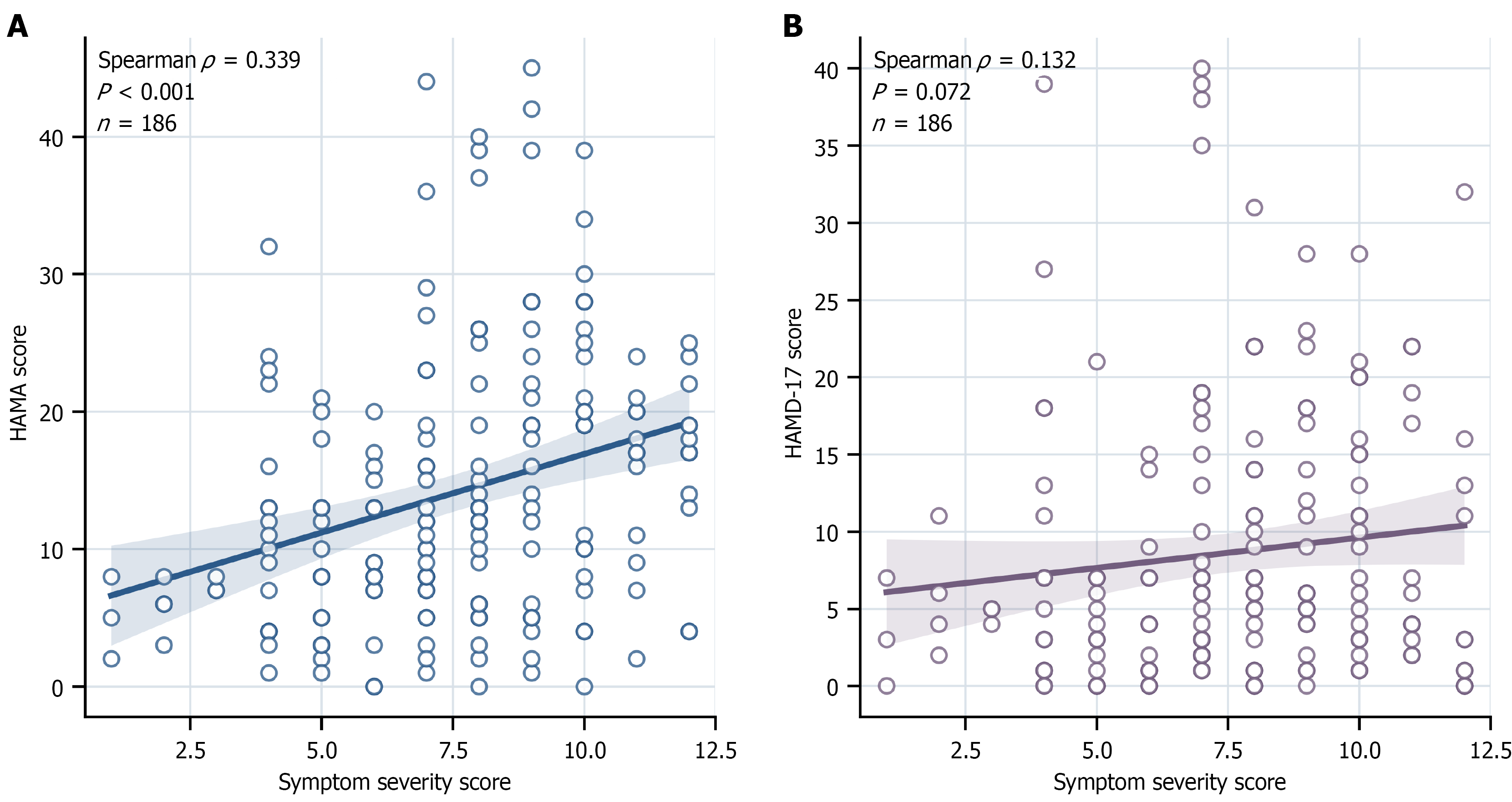
Figure 3 Associations between symptom severity and psychological scores.
A: Hamilton Anxiety Rating Scale score; B: Hamilton Depression Rating Scale-17 score. Reported coefficients are Spearman correlation coefficients. Trend lines and 95% confidence bands are shown for visualization only. Both panels include n = 186 participants. HAMD-17: 17-item Hamilton Depression Rating Scale; HAMA: Hamilton Anxiety Rating Scale.
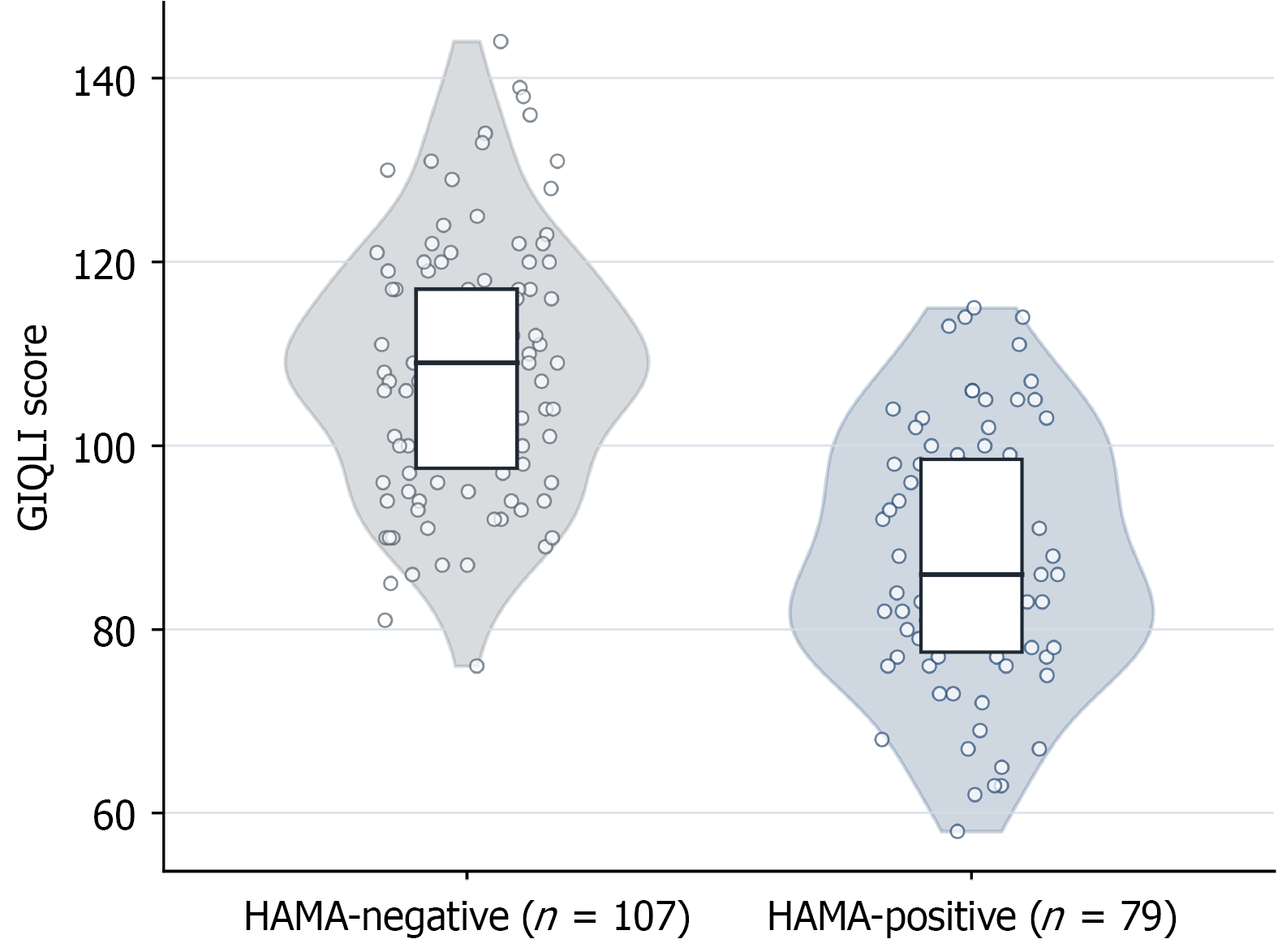
Figure 4 Gastrointestinal Quality of Life Index scores according to Hamilton Anxiety Rating Scale-defined anxiety symptom status.
Violin plots show the unadjusted distributions, boxes show medians and interquartile ranges, and points represent individual observations. The displayed distributions are unadjusted. In the adjusted model, Hamilton Anxiety Rating Scale-positive status was associated with a 21.89-point lower Gastrointestinal Quality of Life Index score (adjusted difference = -21.89, 95% confidence interval: -26.52 to -17.27; P < 0.001) after adjustment for age, sex, disease duration ≥ 2 years, and symptom severity. GIQLI: Gastrointestinal Quality of Life Index; HAMA: Hamilton Anxiety Rating Scale.
- Citation: Wang PF, Xing LX, Zhang H. Sleep quality and anxiety burden in functional dyspepsia: A cross-sectional study in a general hospital. World J Psychiatry 2026; 16(12): 125303
- URL: https://www.wjgnet.com/2220-3206/full/v16/i12/125303.htm
- DOI: https://dx.doi.org/10.5498/wjp.125303