
















Copyright: ©Author(s) 2026.
World J Psychiatry. Dec 19, 2026; 16(12): 125293
Published online Dec 19, 2026. doi: 10.5498/wjp.125293
Published online Dec 19, 2026. doi: 10.5498/wjp.125293
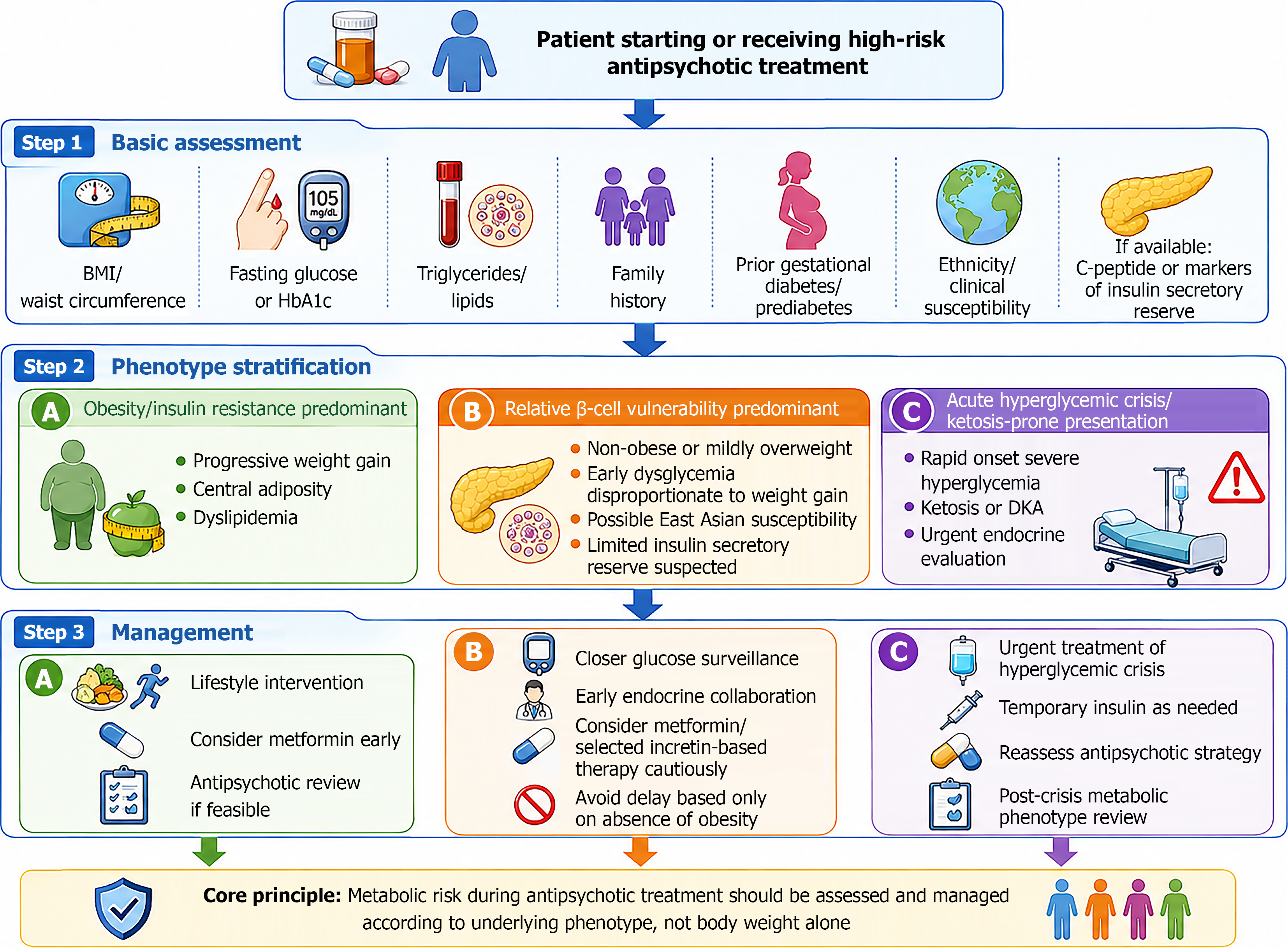
Figure 1 Conceptual dual-pathway model of antipsychotic-induced diabetes.
Second-generation antipsychotics may promote dysglycemia through two partially overlapping pathways. The first is an obesity-dependent pathway characterized by hyperphagia, weight gain, adipose dysfunction, and progressive insulin resistance. The second is an obesity-independent pathway in which direct β-cell stress, including endoplasmic reticulum stress, proinsulin misfolding, maladaptive stress signaling, dedifferentiation, and autophagy/lysosomal dysfunction, contributes to impaired insulin secretion. These pathways may converge on β-cell failure and hyperglycemia, with relative β-cell vulnerability potentially amplifying risk in susceptible individuals, including some East Asian patients. The figure is intended as a conceptual framework rather than a definitive causal map. BMI: Body mass index; HbA1c: Glycated hemoglobin; DKA: Diabetic ketoacidosis. Generated by GenSpark’s diagramming feature and subsequently reviewed and verified in detail by the author.
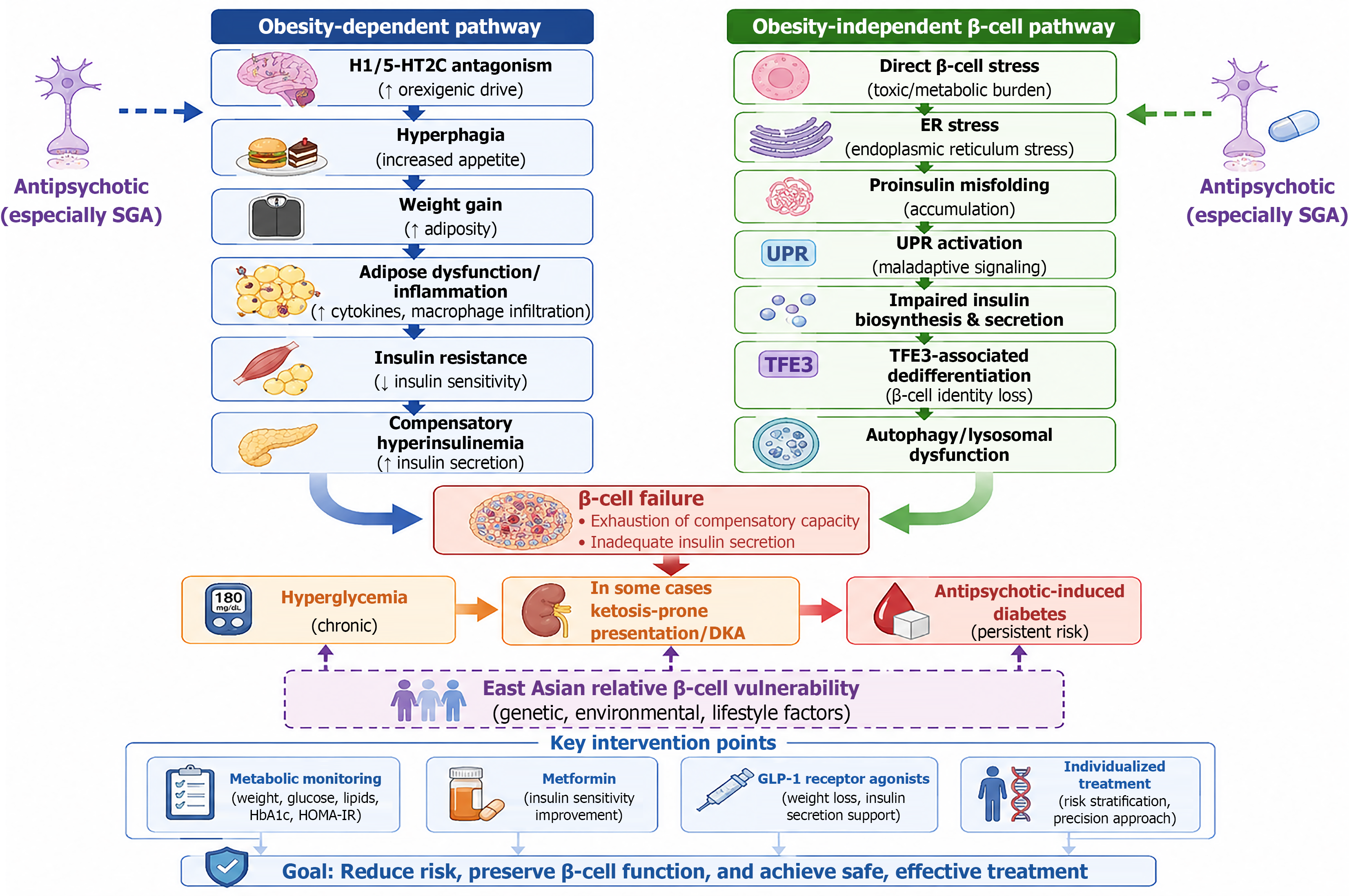
Figure 2 Phenotype-oriented clinical framework for metabolic management during antipsychotic treatment.
This proposed framework translates the dual-pathway concept into a clinically practical approach. Patients receiving antipsychotics may present predominantly with obesity-linked insulin resistance, relative β-cell vulnerability despite limited obesity, or rapid-onset hyperglycemic crisis. The framework emphasizes that metabolic surveillance should not rely on body weight alone and that early assessment of glycemic deterioration, particularly in clinically susceptible patients, may support phenotype-sensitive intervention and closer endocrine collaboration. This scheme is intended as a heuristic clinical aid rather than a validated treatment algorithm. SGA: Second-generation antipsychotic; 5-HT2C: 5-hydroxytryptamine 2C; ER: Endoplasmic reticulum; UPR: Unfolded protein response; TFE3: Transcription factor E3; DKA: Diabetic ketoacidosis; GLP-1: Glucagon-like peptide 1; HbA1c: Glycated hemoglobin; HOMA-IR: Homeostatic model assessment of insulin resistance. Generated by GenSpark’s diagramming feature and subsequently reviewed and verified in detail by the author.
- Citation: Nagamine T. Antipsychotic-induced diabetes: Moving beyond obesity toward β-cell vulnerability. World J Psychiatry 2026; 16(12): 125293
- URL: https://www.wjgnet.com/2220-3206/full/v16/i12/125293.htm
- DOI: https://dx.doi.org/10.5498/wjp.125293