
















Copyright: ©Author(s) 2026.
World J Psychiatry. Nov 19, 2026; 16(11): 124324
Published online Nov 19, 2026. doi: 10.5498/wjp.124324
Published online Nov 19, 2026. doi: 10.5498/wjp.124324
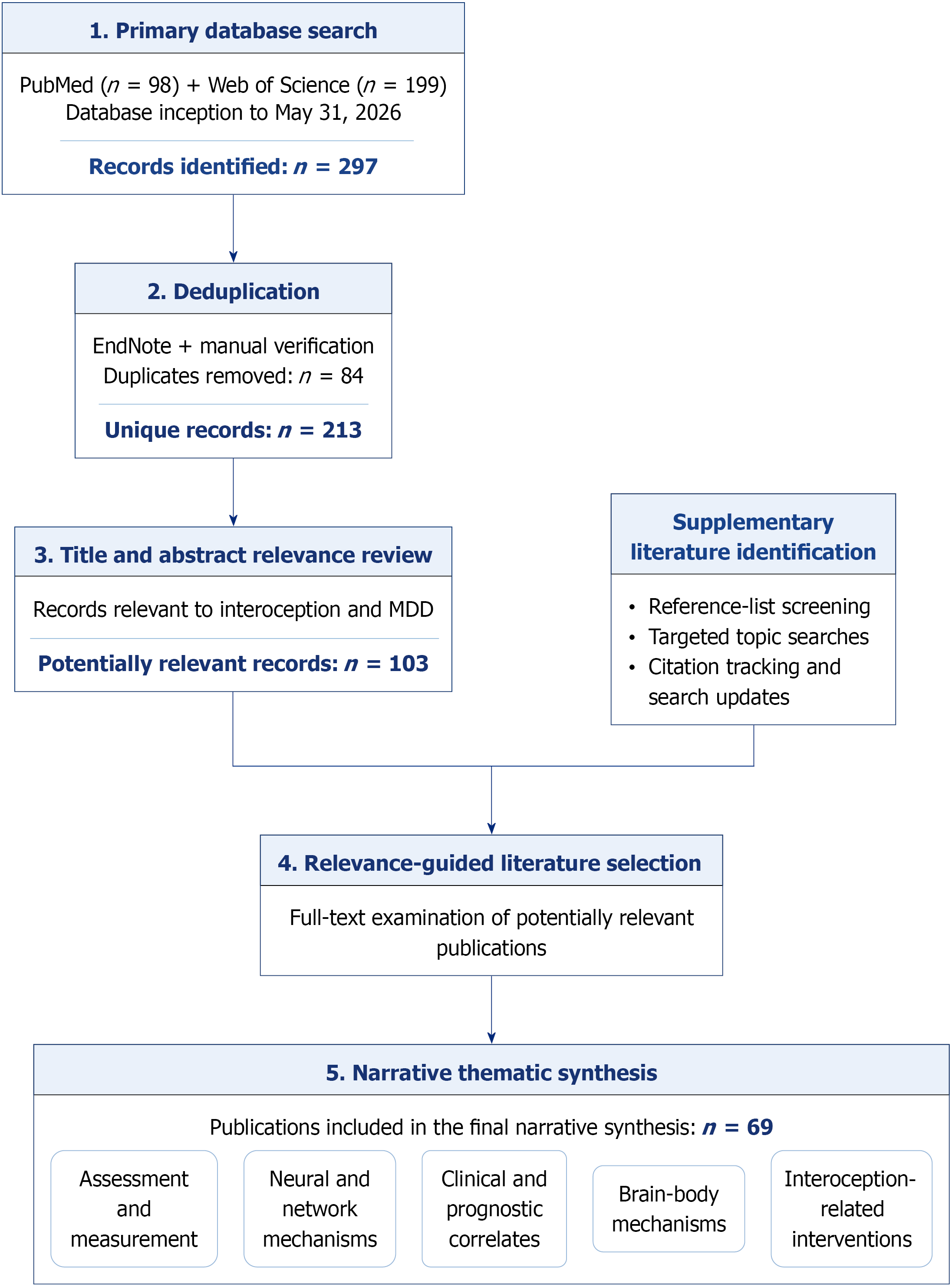
Figure 1 Flow diagram of literature identification, relevance-guided selection, and narrative thematic synthesis.
MDD: Major depressive disorder.
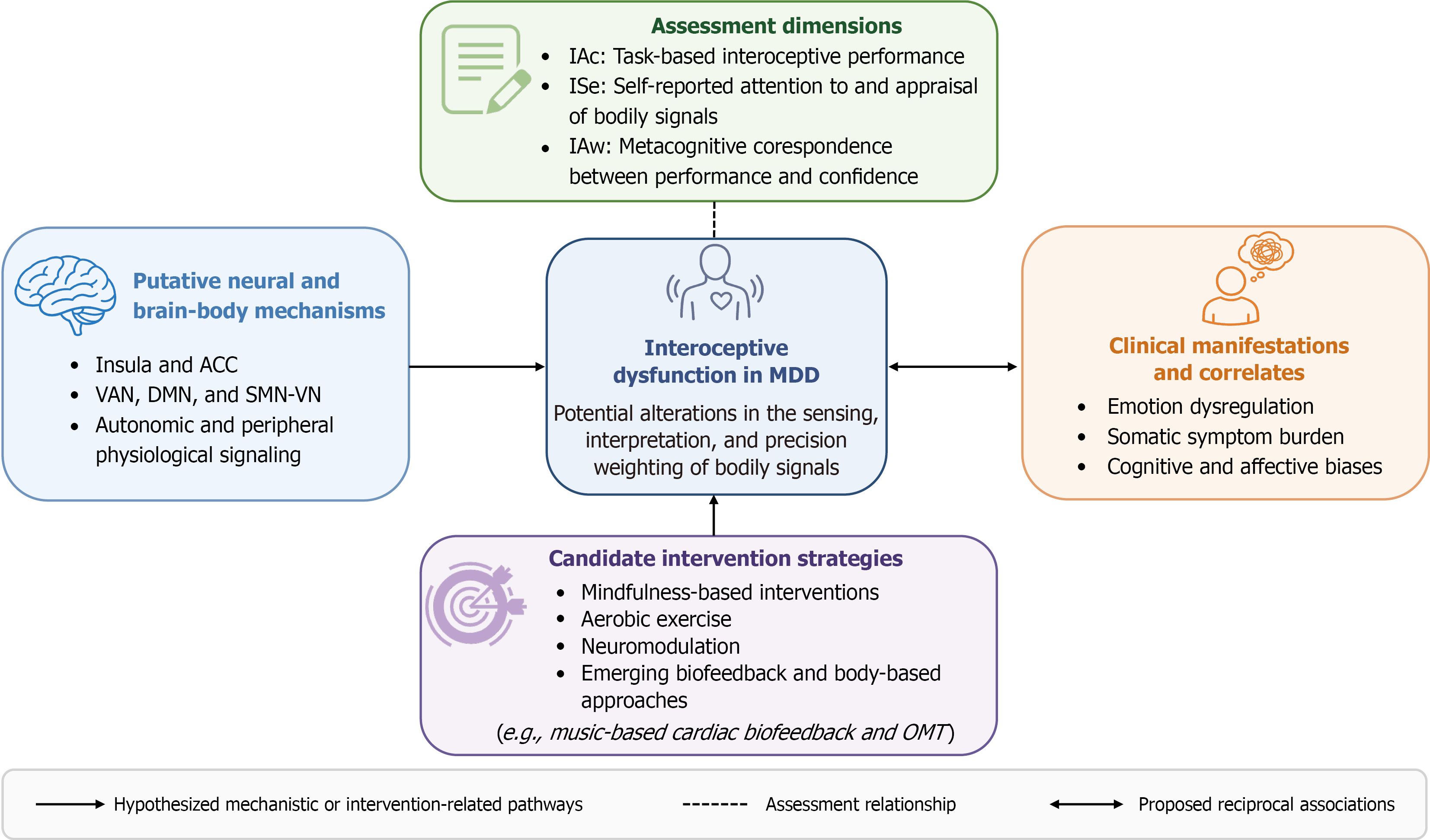
Figure 2 Proposed integrative schematic model of interoceptive dysfunction in major depressive disorder.
This schematic integrates the major assessment dimensions of interoception, related neural circuits and networks, clinical phenotypes, brain–body mechanisms, and intervention targets discussed in the review. It is intended as an integrative visual summary rather than an established causal model. MDD: Major depressive disorder; ACC: Anterior cingulate cortex; DMN: Default mode network; VAN: Ventral attention network; SMN-VN: Somatomotor-visual networks; IAc: Interoceptive accuracy; ISe: Interoceptive sensibility; IAw: Interoceptive awareness; OMT: Osteopathic manipulative treatment.
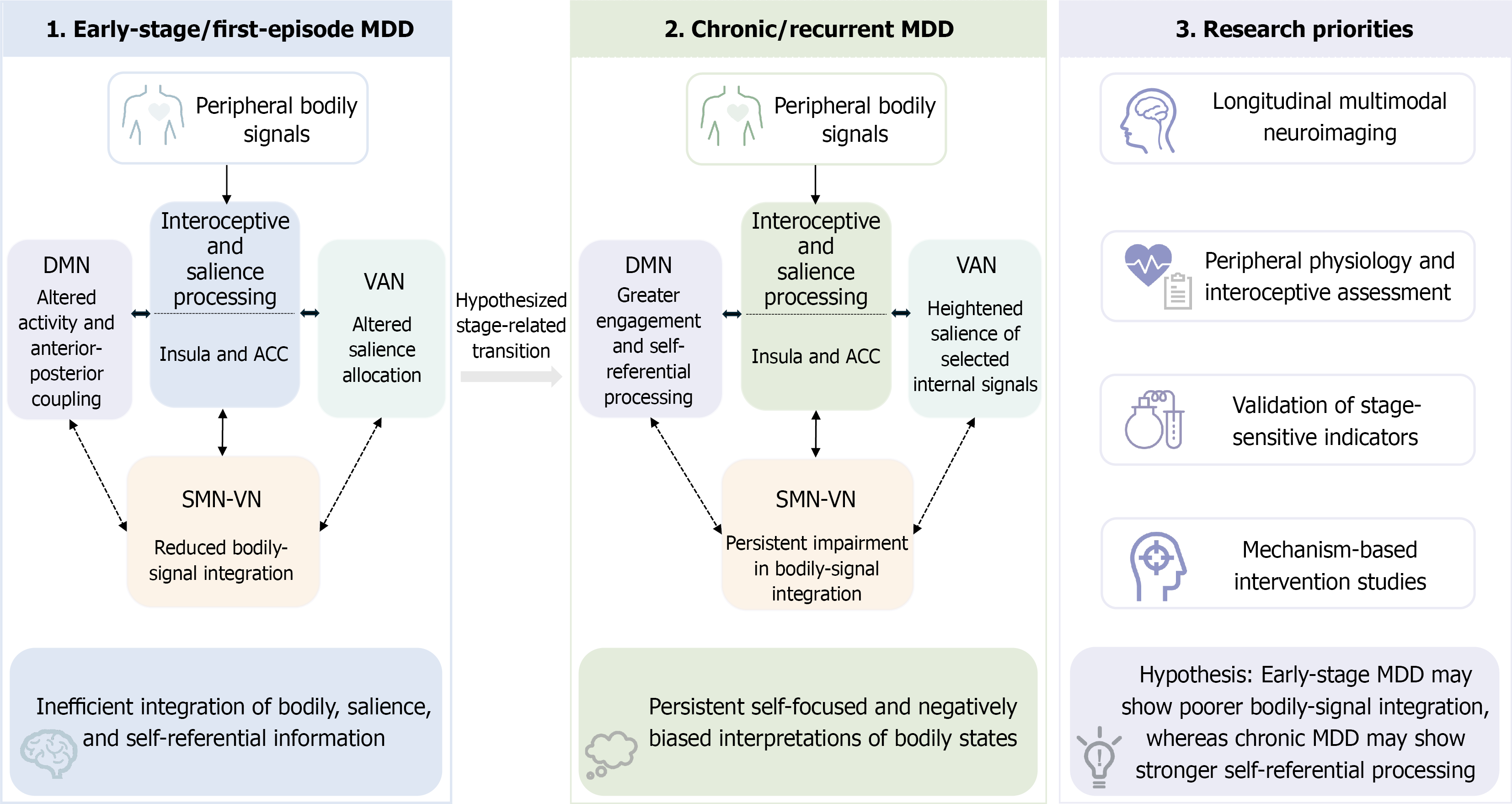
Figure 3 Proposed stage-related model of interoception-related network dysfunction in major depressive disorder.
This schematic summarizes a hypothesized dynamic pattern of interoception-related network alterations across clinical stages. Early-stage or first-episode major depressive disorder (MDD) may involve inefficient integration of bodily signals and altered salience processing, whereas chronic or recurrent MDD may be characterized by greater self-referential processing, disrupted network coordination, and persistent negative interpretations of bodily states. The model generates testable hypotheses for longitudinal and mechanistic studies. MDD: Major depressive disorder; ACC: Anterior cingulate cortex; DMN: Default mode network; SMN-VN: Somatomotor-visual networks; VAN: Ventral attention network.
- Citation: Deng H, Wang YQ, Sun YF, Zhou HL, Zhou ZH. Interoceptive aberrations in major depressive disorder: Neural mechanisms, clinical correlates, and targeted interventions. World J Psychiatry 2026; 16(11): 124324
- URL: https://www.wjgnet.com/2220-3206/full/v16/i11/124324.htm
- DOI: https://dx.doi.org/10.5498/wjp.124324