
















©The Author(s) 2026.
World J Psychiatry. Jan 19, 2026; 16(1): 111812
Published online Jan 19, 2026. doi: 10.5498/wjp.v16.i1.111812
Published online Jan 19, 2026. doi: 10.5498/wjp.v16.i1.111812
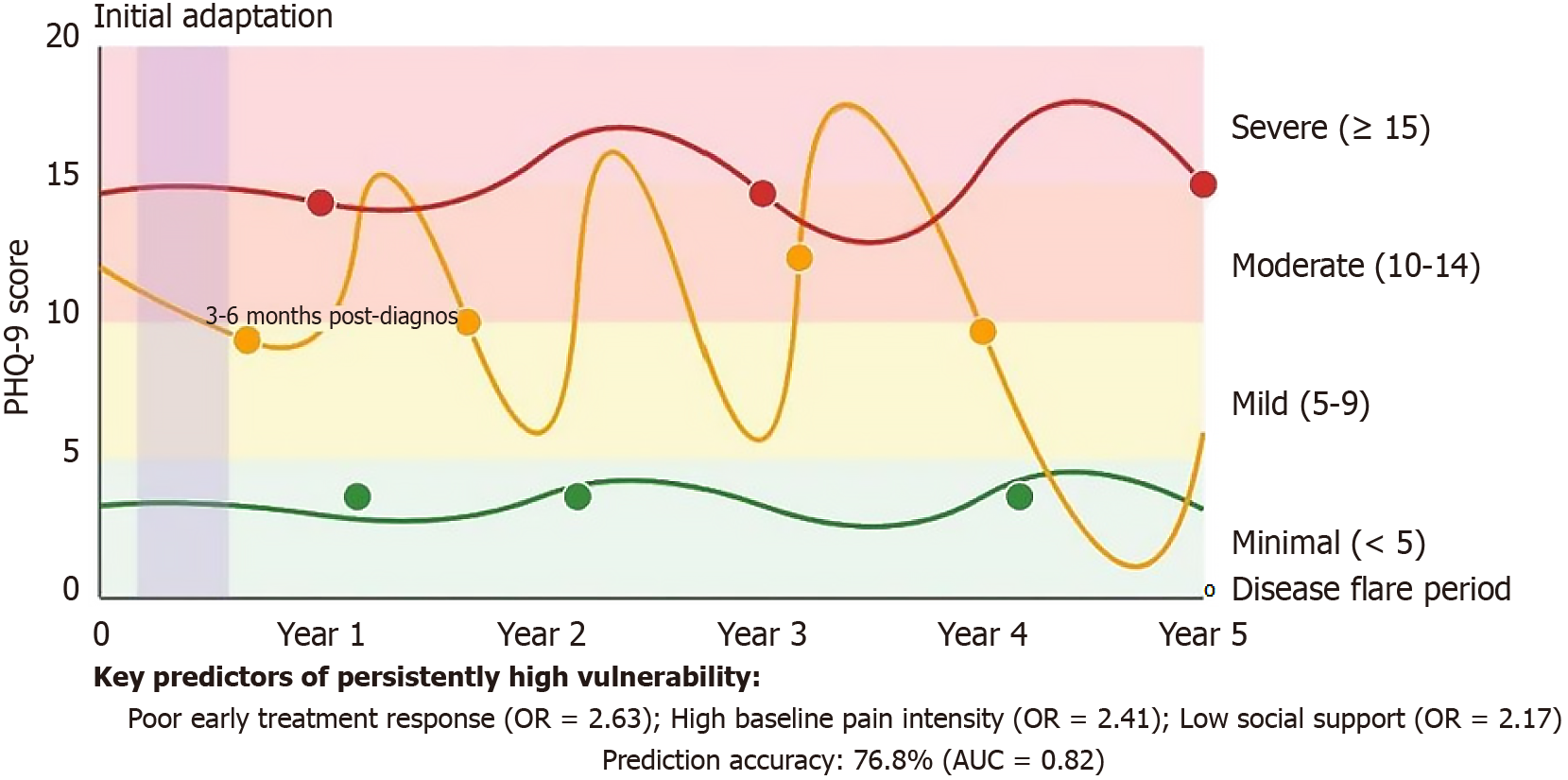
Figure 1 Psychological vulnerability trajectories in rheumatoid arthritis patients: A 5-year longitudinal study.
This graph illustrates three distinct psychological vulnerability patterns in rheumatoid arthritis patients over five years post-diagnosis, showing persistently high vulnerability (25%), fluctuating improvement (30%), and persistently low vulnerability (45%) trajectories as measured by Patient Health Questionnaire 9 scores. The visualization identifies the initial 3-6 months as a critical adaptation period and highlights three key predictors of poor psychological outcomes: Poor early treatment response, high baseline pain intensity, and low social support, with a prediction accuracy of 76.8%. PHQ-9: Patient Health Questionnaire 9; OR: Odds ratio; AUC: Area under the curve.
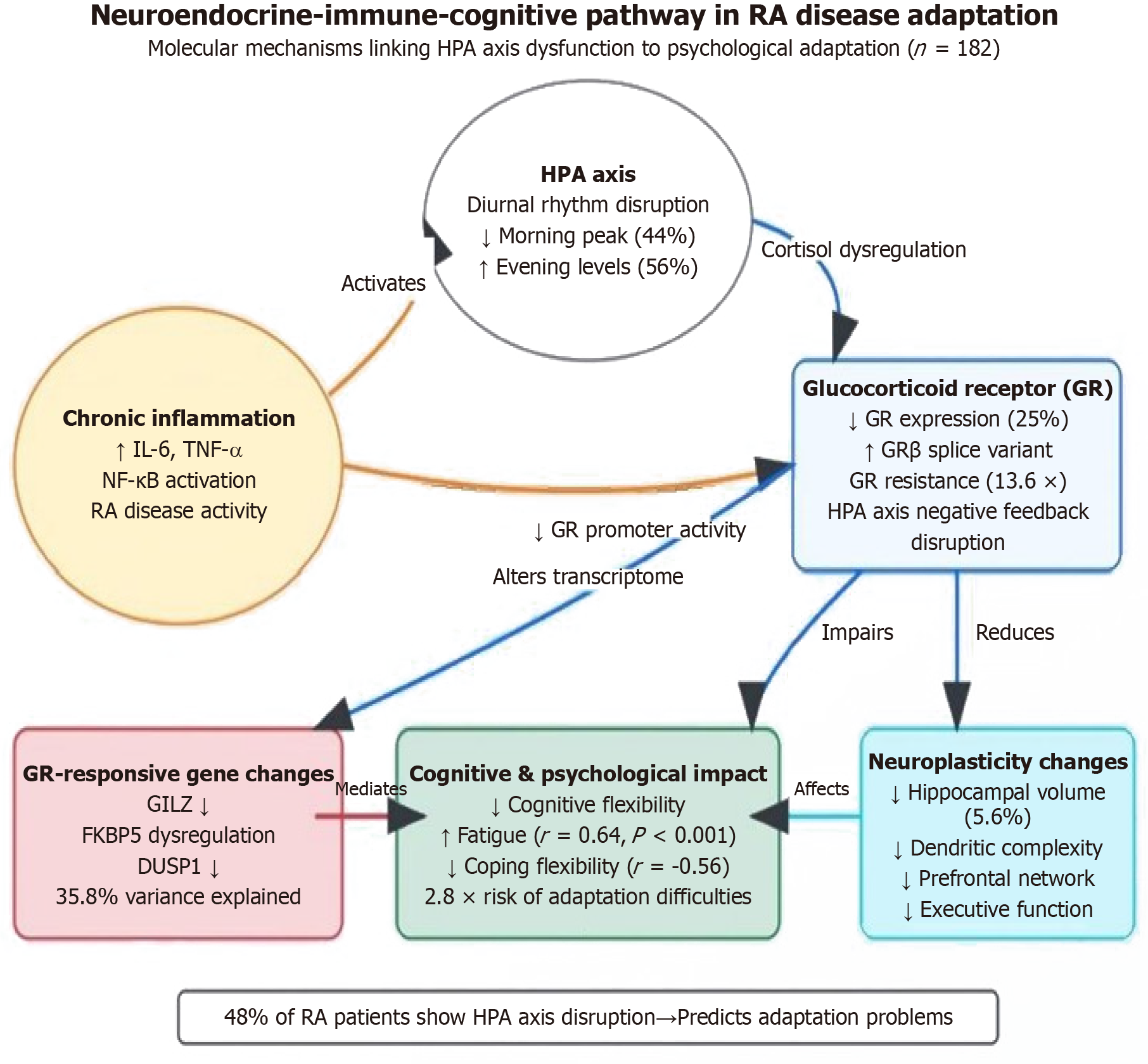
Figure 2 Neuroendocrine-immune-cognitive pathway in rheumatoid arthritis.
This diagram illustrates how chronic inflammation in rheumatoid arthritis patients triggers a molecular cascade beginning with hypothalamic-pituitary-adrenal axis dysfunction (48% of patients showing cortisol rhythm disruption) and glucocorticoid receptor downregulation (25%), which leads to altered gene expression patterns affecting cognitive flexibility and coping mechanisms. The resulting neurobiological changes, including reduced hippocampal volume (5.6%) and impaired prefrontal network function, create a 2.8-fold increased risk of psychological adaptation difficulties, explaining 358% of variance in adaptation outcomes and establishing a direct molecular link between inflammatory disease activity and psychological vulnerability. RA: Rheumatoid arthritis; HPA: Hypothalamic-pituitary-adrenal; IL-6: Interleukin-6; TNF-α: Tumor necrosis factor-α; NF-κB: Nuclear factor-κB; GR: Glucocorticoid receptor; GILZ: Glucocorticoid-induced leucine zipper; FKBP5: FKBP prolyl isomerase 5; DUSP1: Dual specificity phosphatase 1.
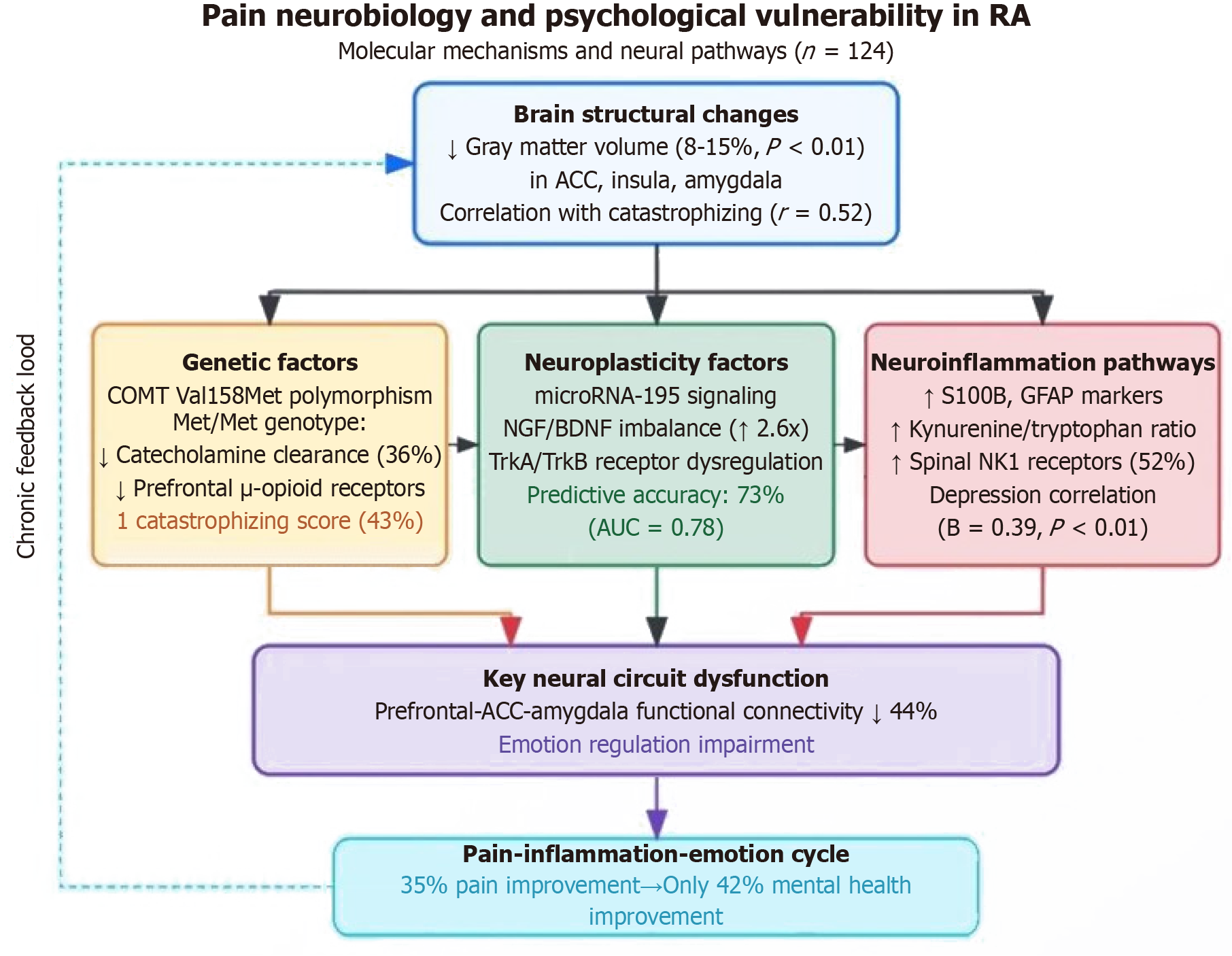
Figure 3 Pain neurobiology and psychological vulnerability in rheumatoid arthritis.
This diagram maps the molecular mechanisms underlying the pain-psychology relationship in rheumatoid arthritis patients, showing how brain structural changes (8%-15% reduced gray matter volume in pain-processing regions) interact with genetic factors (COMT Val158Met polymorphism), neuroplasticity alterations (nerve growth factor/brain-derived neurotrophic factor imbalance), and neuroinflammation pathways to create a 44% reduction in key emotional regulation circuits. The resulting pain-inflammation-emotion cycle helps explain the significant discrepancy between physical and psychological treatment outcomes, where 85% improvement in pain intensity translates to only 42% improvement in mental health, highlighting the necessity for integrated treatment approaches targeting both pain and psychological vulnerability. RA: Rheumatoid arthritis; ACC: Anterior cingulate cortex; NGF: Nerve growth factor; BDNF: Brain-derived neurotrophic factor; TrkA: Tropomyosin receptor kinase A; TrkB: Tropomyosin receptor kinase B; AUC: Area under the curve; GFAP: Glial fibrillary acidic protein; NK1: Neurokinin-1.
- Citation: Chen XM, Cheng X, Wu W. Dynamic psychological vulnerability and adaptation in rheumatoid arthritis: Trajectories, predictors, and interventions. World J Psychiatry 2026; 16(1): 111812
- URL: https://www.wjgnet.com/2220-3206/full/v16/i1/111812.htm
- DOI: https://dx.doi.org/10.5498/wjp.v16.i1.111812