
















©The Author(s) 2025.
World J Psychiatry. Dec 19, 2025; 15(12): 111721
Published online Dec 19, 2025. doi: 10.5498/wjp.v15.i12.111721
Published online Dec 19, 2025. doi: 10.5498/wjp.v15.i12.111721
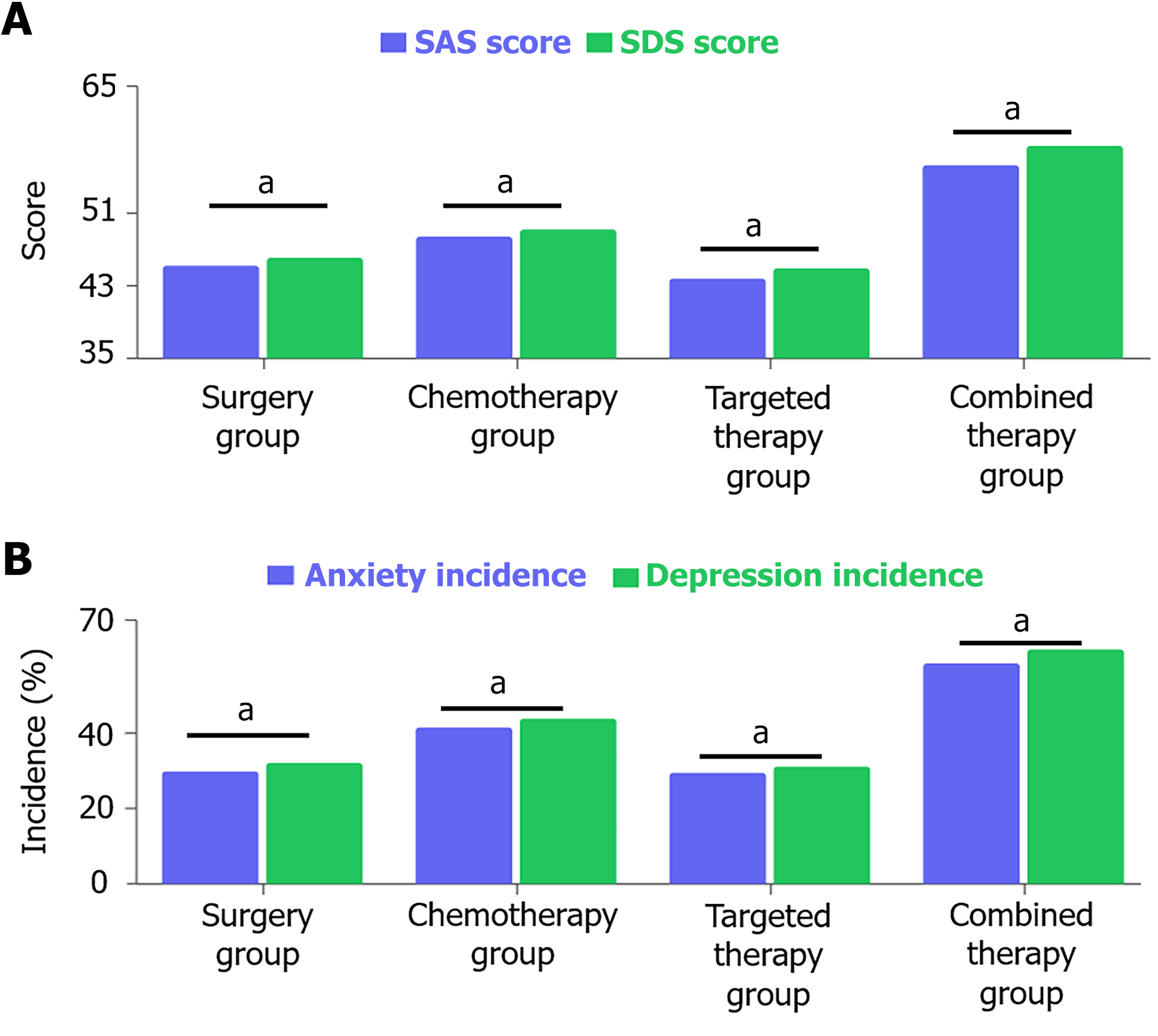
Figure 1 Comparison of psychological status among ovarian cancer patients with different treatment modalities.
A: Self-Rating Anxie
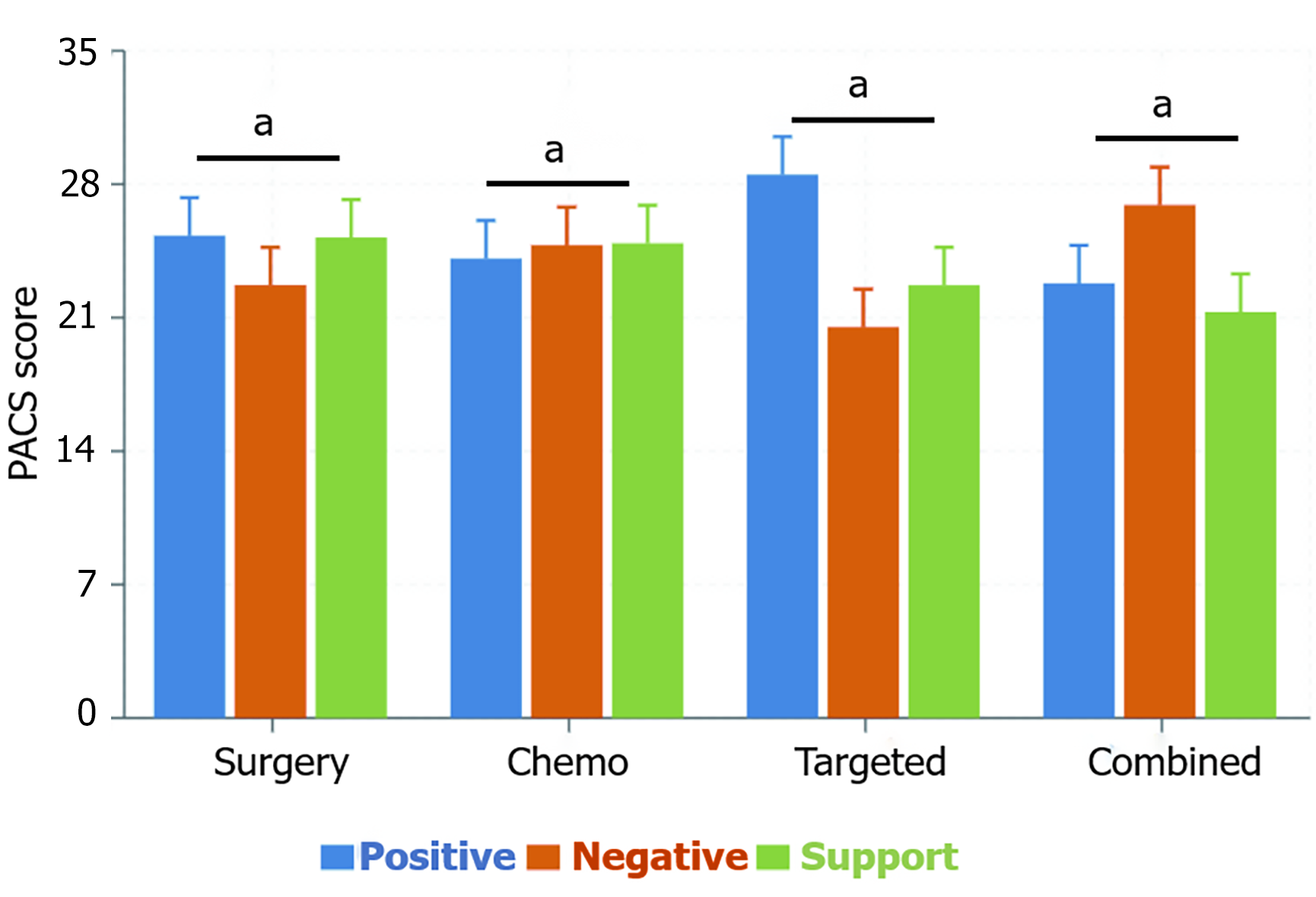
Figure 2 Comparison of Psychological Adjustment to Cancer Scale scores across three dimensions among ovarian cancer patients with different treatment modalities.
The figure illustrates significant differences in psychological adjustment patterns among ovarian cancer patients receiving different treatments, with the targeted group demonstrating the highest scores in positive coping dimension while the combined therapy group scored highest in negative avoidance dimension (P < 0.05); surgery and chemotherapy groups exhibited better utilization of social support compared to other groups, indicating that treatment modality significantly influences patients’ psychological adaptation strategies. aP < 0.05. PACS: Psychological Adjustment to Cancer Scale.
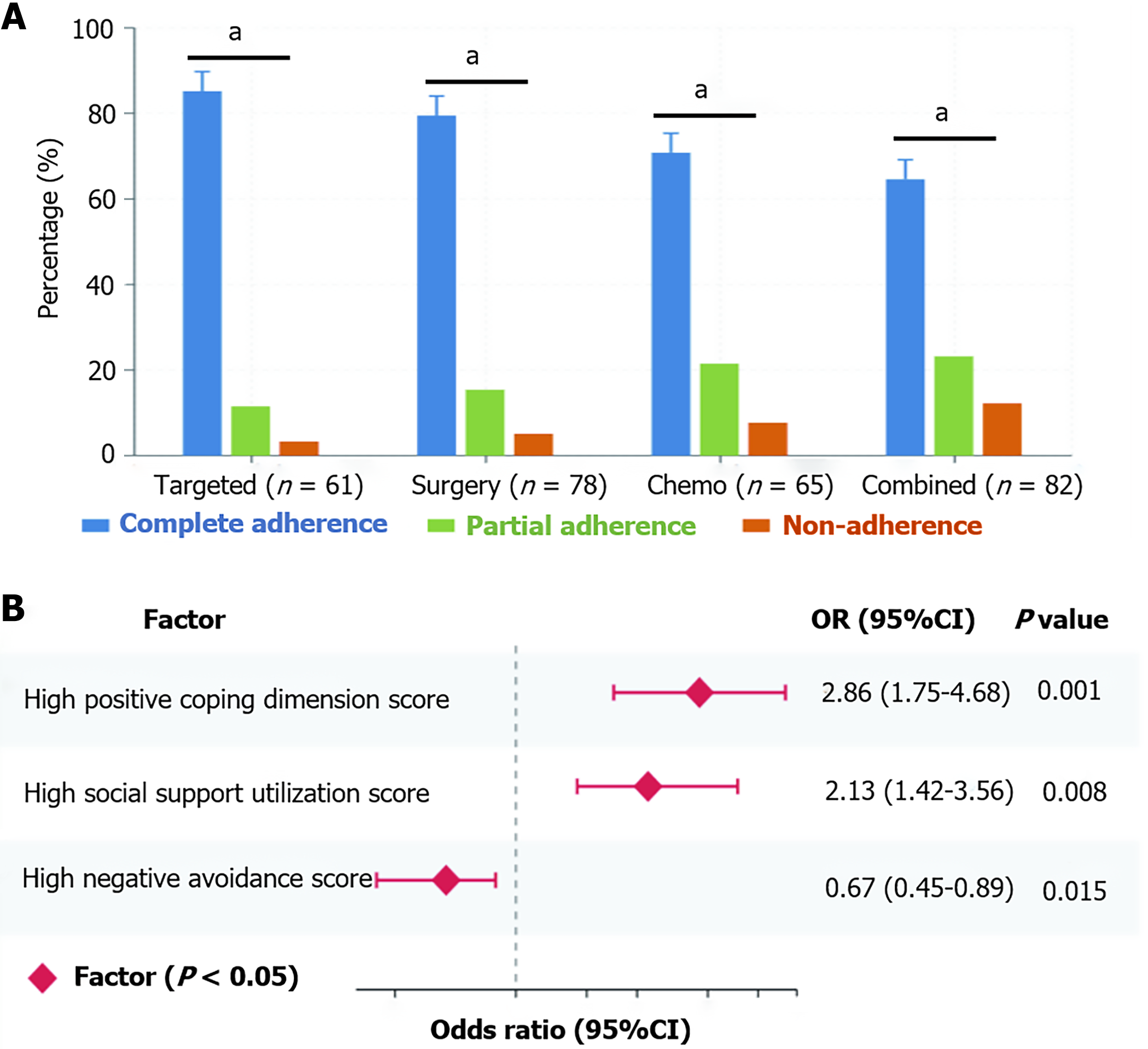
Figure 3 Comparison of treatment adherence among different treatment groups of ovarian cancer patients and analysis of associated factors.
A: Comparison of treatment adherence among different treatment groups of ovarian cancer patients: Shows the percentage distribution of four patient groups (targeted therapy, surgery, chemotherapy, and combined therapy) across three adherence categories: Complete adherence, partial adherence, and non-adherence; B: Analysis of psychological adjustment factors associated with treatment adherence in ovarian cancer patients: The forest plot illustrates the impact of three psychological adjustment dimensions on treatment adherence. Positive coping [odds ratio (OR) = 2.86] and social support utilization (OR = 2.13) are protective factors, while negative avoidance (OR = 0.67) is a risk factor; all factors reached statistical significance (P < 0.05). aP < 0.05. OR: Odds ratio; CI: Confidence interval.
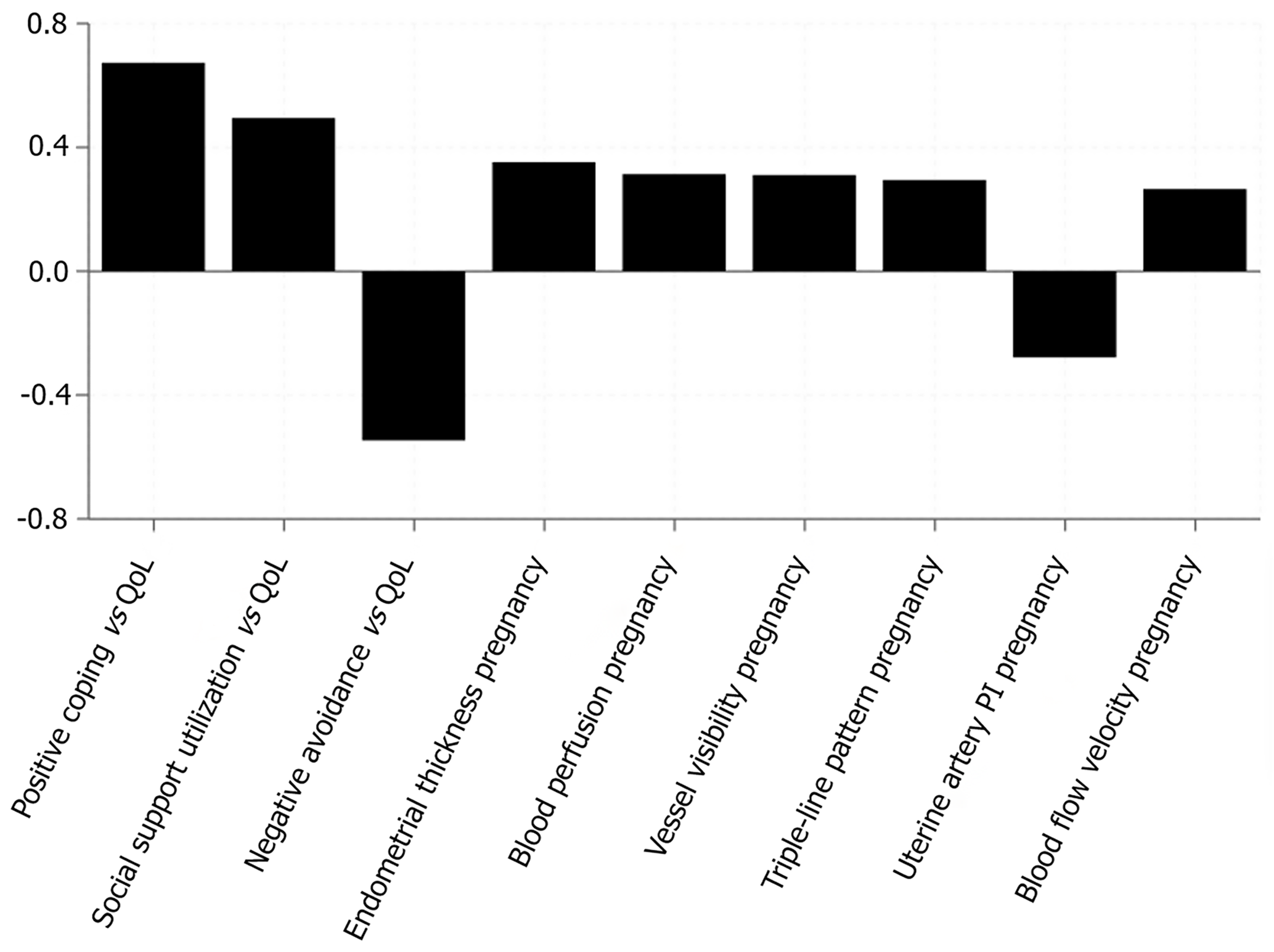
Figure 4 Correlation of endometrial parameters with clinical pregnancy rate.
The scatter plots illustrate six endometrial and uterine parameters in relation to clinical pregnancy rates, with five showing positive correlations (endometrial thickness: r = 0.352, blood perfusion: r = 0.314, vessel visibility: r = 0.311, subendometrial blood flow velocity: r = 0.265, and triple-line pattern: r = 0.295) and one showing a negative correlation (uterine artery pulsatility index value: R = -0.278), all with statistical significance (P < 0.001). These findings suggest that specific sonographic and vascular markers of endometrial receptivity are reliable predictors of fertility outcomes, with improved blood flow and endometrial development positively influencing clinical pregnancy success rates. QoL: Quality of life; PI: Pulsatility index.
- Citation: Wang YL, He Y, Luo QH, Huang K. Psychological adjustment differences in ovarian cancer patients receiving different treatment modalities and their clinical significance. World J Psychiatry 2025; 15(12): 111721
- URL: https://www.wjgnet.com/2220-3206/full/v15/i12/111721.htm
- DOI: https://dx.doi.org/10.5498/wjp.v15.i12.111721