
















©The Author(s) 2026.
World J Clin Urol. Feb 12, 2026; 15(1): 114046
Published online Feb 12, 2026. doi: 10.5410/wjcu.v15.i1.114046
Published online Feb 12, 2026. doi: 10.5410/wjcu.v15.i1.114046
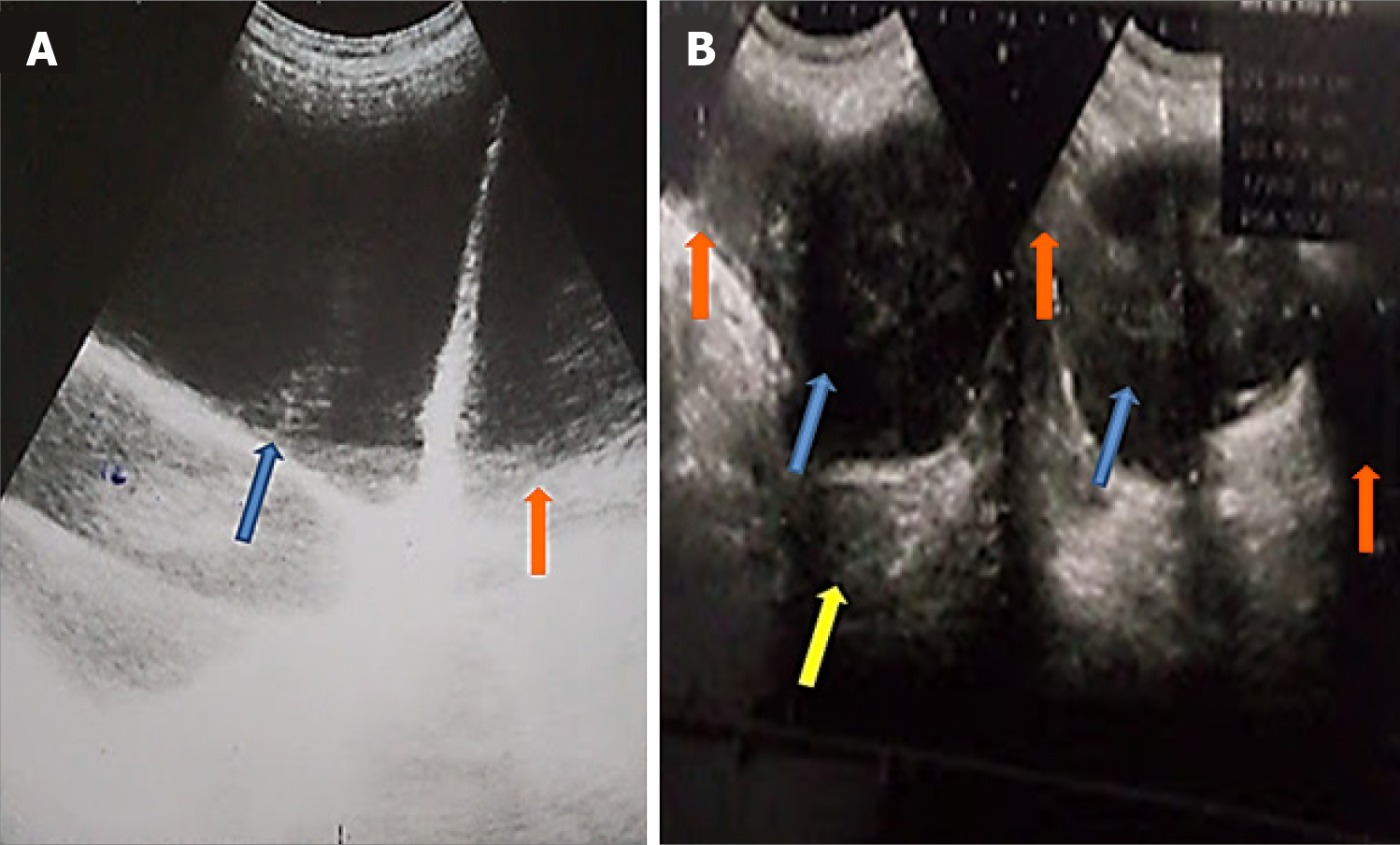
Figure 1 Transabdominal ultrasound scan.
A: Initial presentation of a patient with chronic urinary retention caused by benign prostatic hyperplasia and bladder diverticula (orange arrow), which are indistinguishable from the dilated bladder (blue arrow); B: Repeat ultrasound scan of the same patient after urethral catheterization, showing the right and left-sided bladder diverticula (orange arrows), bladder (blue arrows), and prostate (yellow arrow).
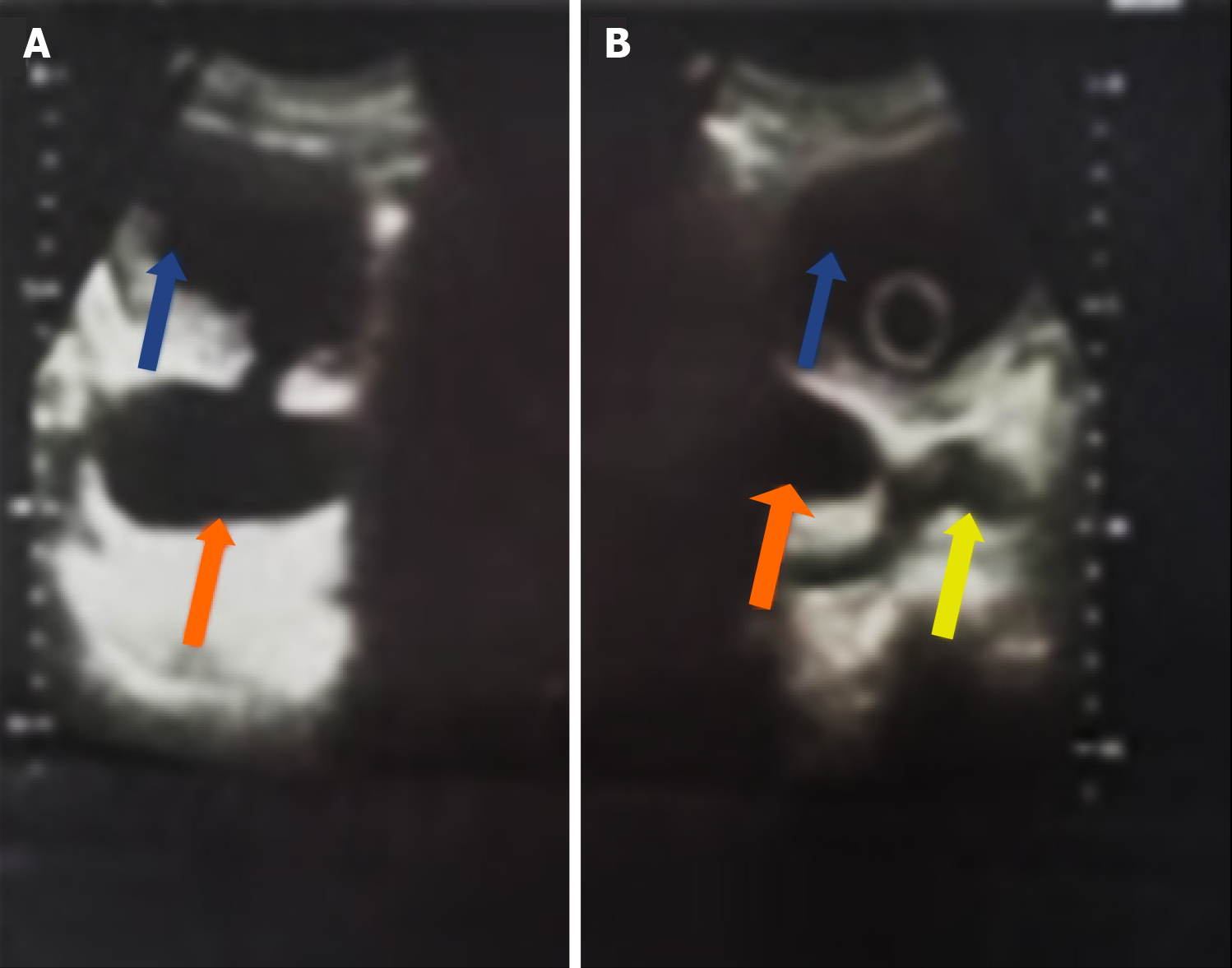
Figure 2 Transabdominal ultrasound scan.
A: Displays a paraureteral diverticulum (orange arrows), bladder (blue arrows), and the connection by the diverticular neck; B: The same patient demonstrates how the paraureteral diverticulum protrudes under the bladder neck during voiding, thus causing urinary retention. The paraureteral diverticulum (orange arrows), bladder with an indwelling catheter (blue arrows), and the protruded paraureteral diverticulum under the bladder neck (yellow arrow) are all noted.
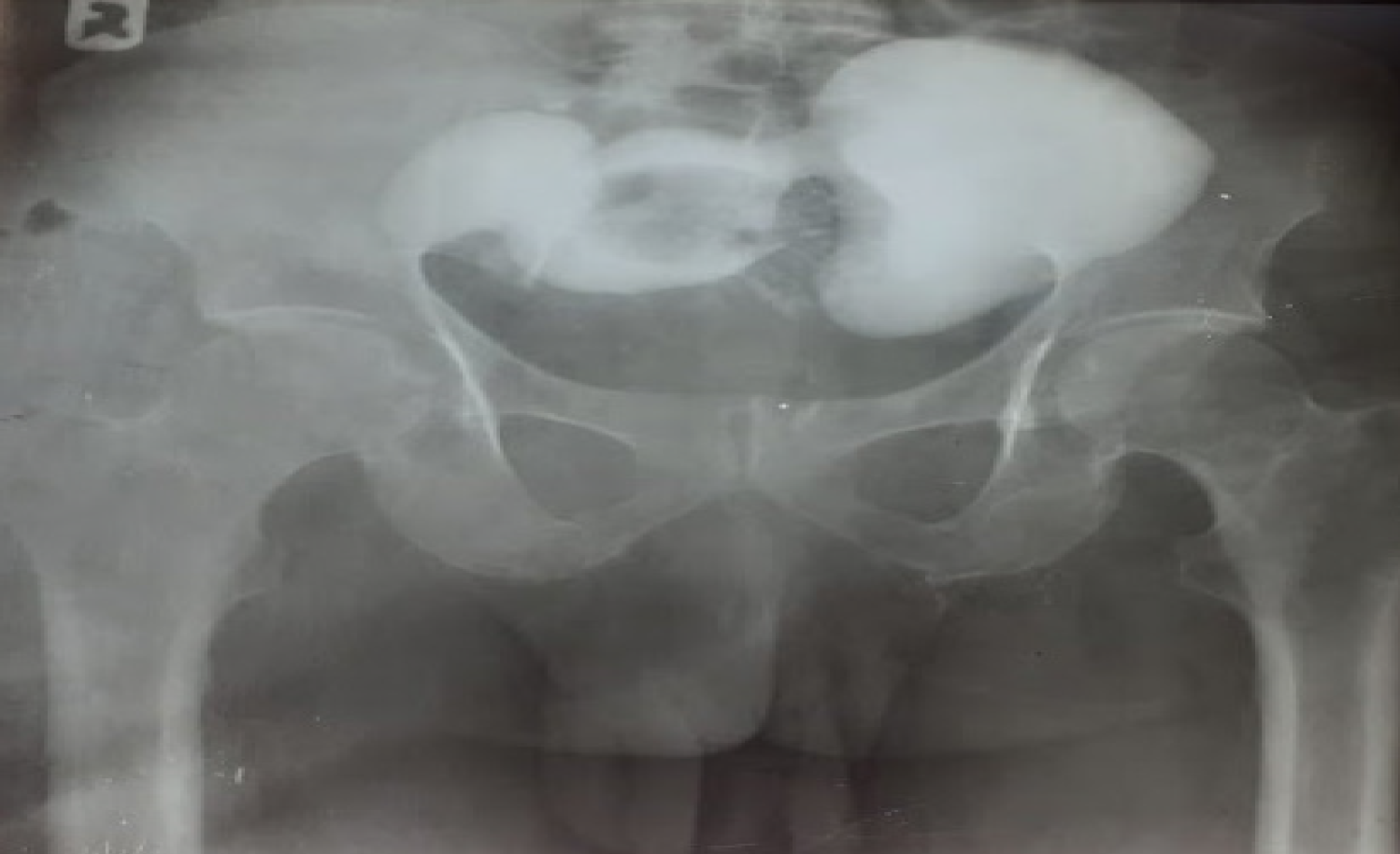
Figure 3
A cystogram of the patient in Figure 1 shows the bladder with the filling defect of the urethral catheter balloon and bladder diverticula.
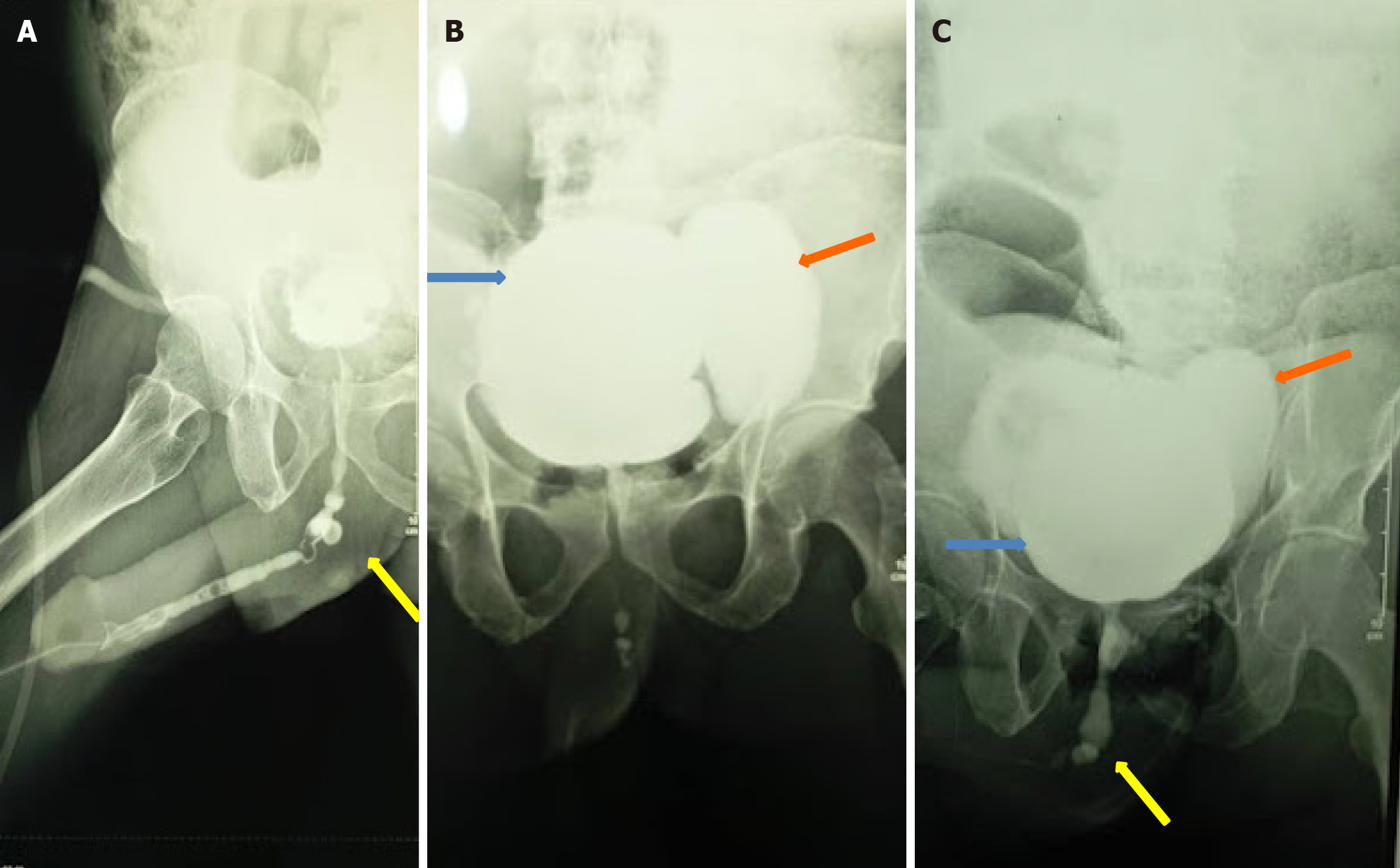
Figure 4 A combined retrograde urethrocystogram and voiding cystourethrogram demonstrating an incomplete panurethral stricture involving the bulbar and penile urethra (yellow arrow) and bladder diverticulum (orange arrow).
A: Retrograde urethrocystogram; B: Cystogram; C: Voiding cystourethrogram.
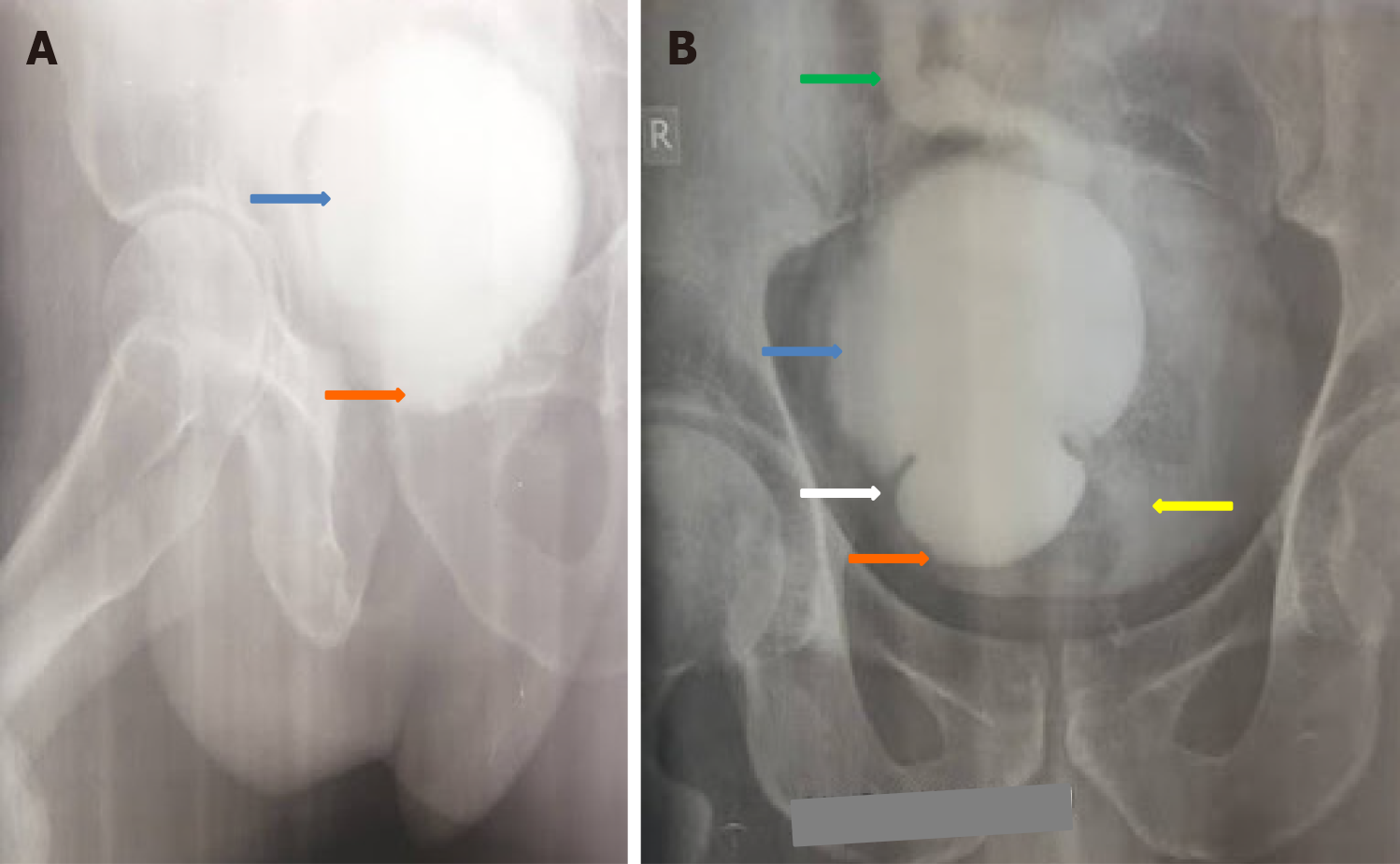
Figure 5 The voiding cystourethrogram findings of the paraureteral diverticulum seen in Figure 2 show right grade five vesicoureteric reflux (green arrow), bladder (blue arrow), paraureteral diverticulum neck (white arrow), paraureteral diverticulum (orange arrow), and faintly demonstrated posterior urethra (yellow arrow) due to diverticular compression during voiding.
A: Cystogram; B: Voiding cystourethrogram.
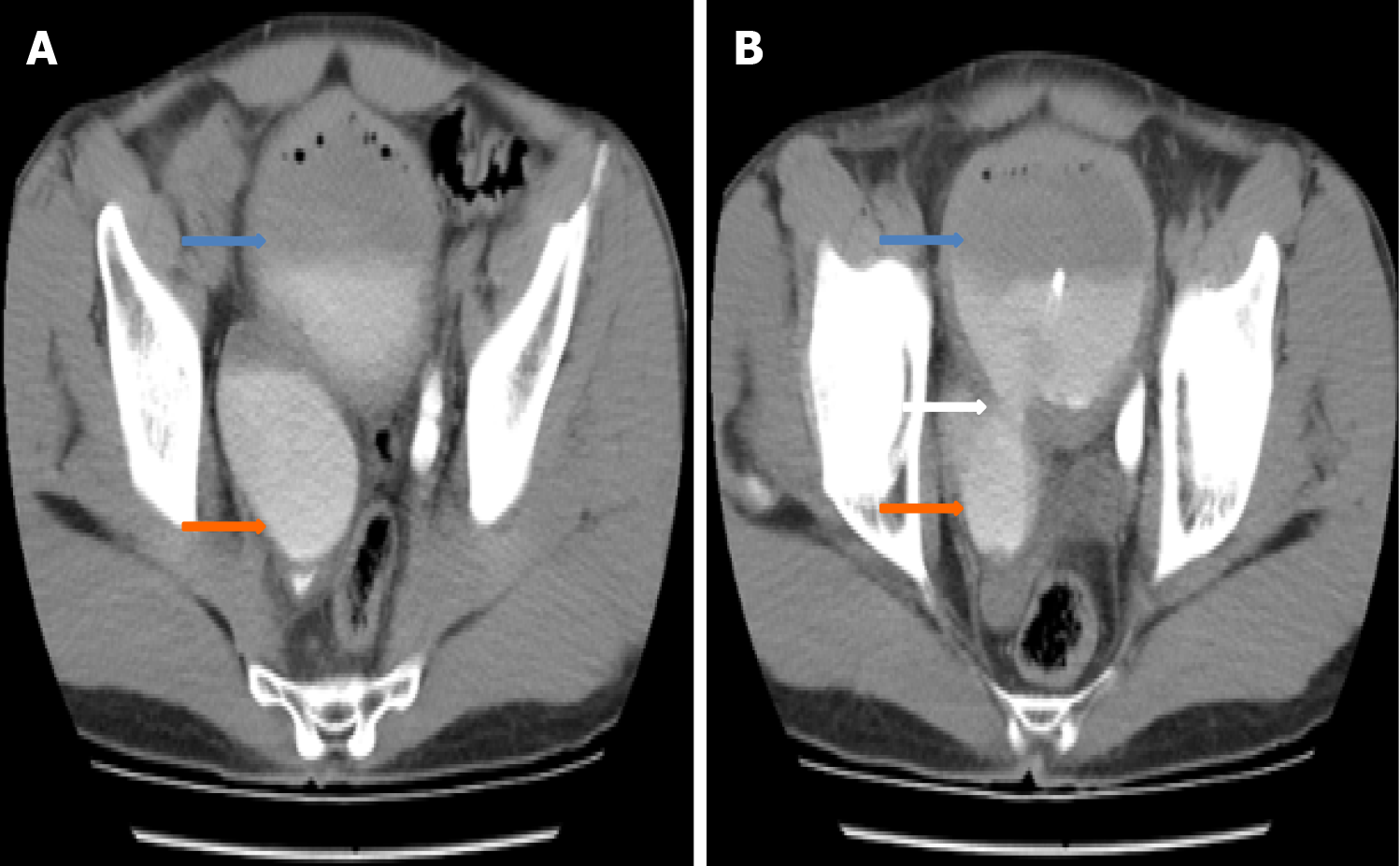
Figure 6 Computerised tomographic imaging shows the paraureteral diverticulum illustrated in Figure 2.
A: Axial view; B: Axial view at the level of paraureteral diverticulum neck.
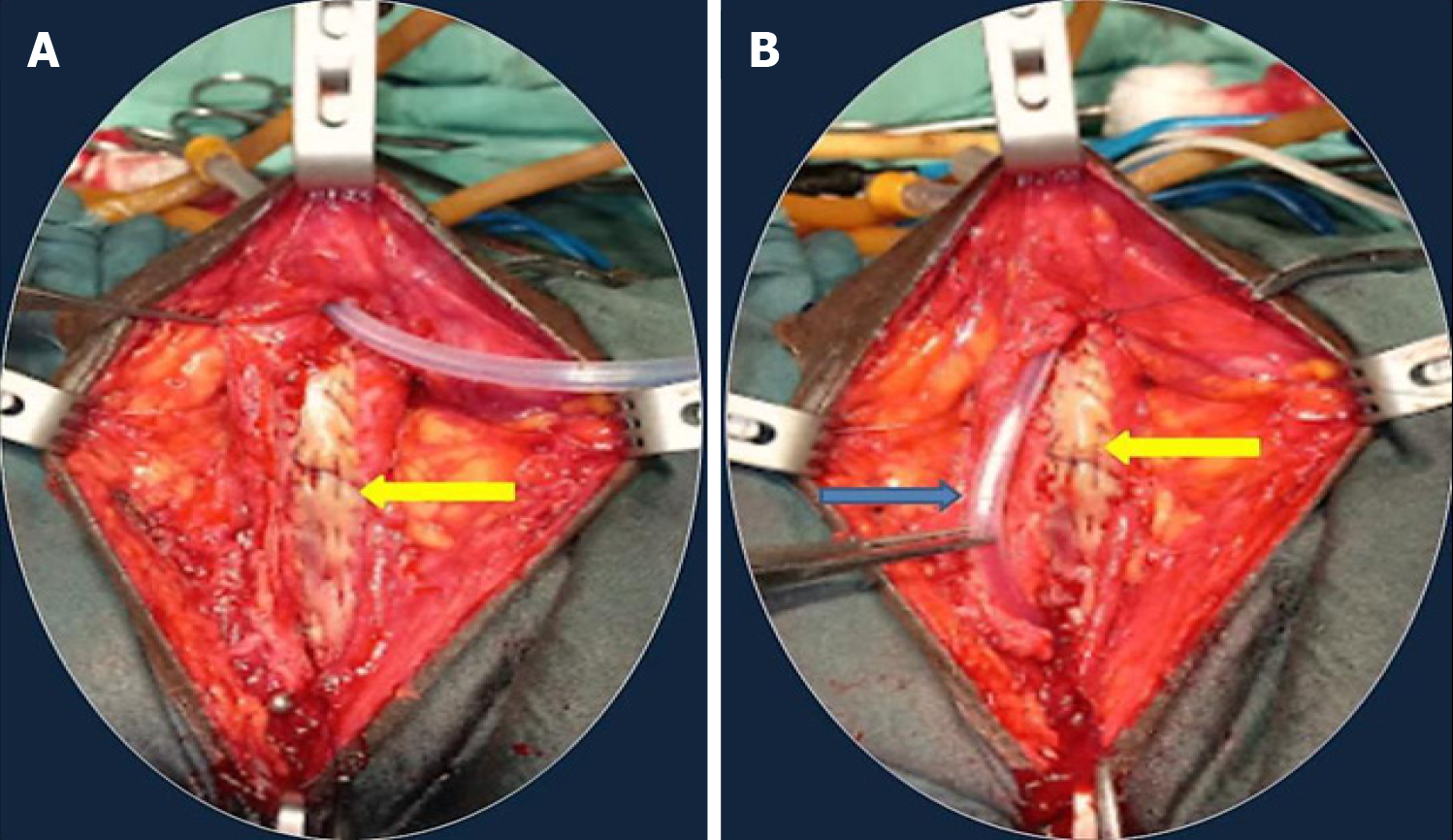
Figure 7 Buccal mucosa graft substitution urethroplasty (addressing the underlying etiology) was performed before bladder diverticulectomy for a patient with a urethrogram illustrated in Figure 4.
The patient had a successful outcome with prolonged suprapubic catheterisation and treatment of the underlying cause of the bladder diverticulum without requiring diverticulectomy afterwards. A: Bucal mucosa graft quilted to the corporal cavernosa (yellow arrow); B: Silicon urethral stent inserted into the bladder before urethral tubularisation (blue arrow).
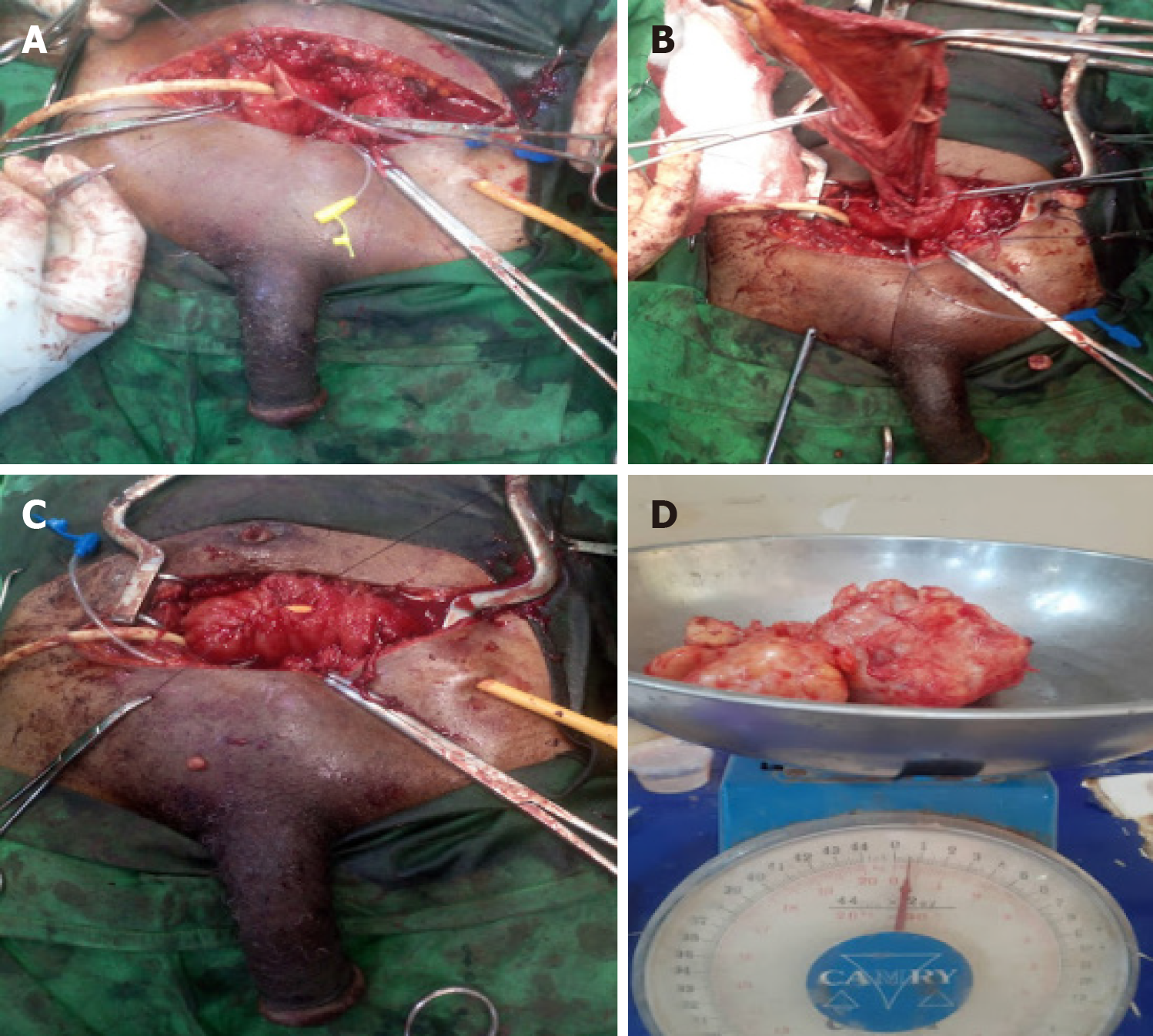
Figure 8 Open transvesical prostatectomy with bladder diverticulectomy (treating both the underlying aetiology and the diverticulum in a single procedure) was performed for a patient with findings shown in Figure 3 cystogram.
Intraoperative findings included. A: The right bladder diverticulum with a latex catheter balloon in place for demonstration; B: The left bladder diverticulum sac fully dissected and mobilised into the bladder cavity; C: Bladder wall closure; D: Enucleated 300 g prostatic adenoma.
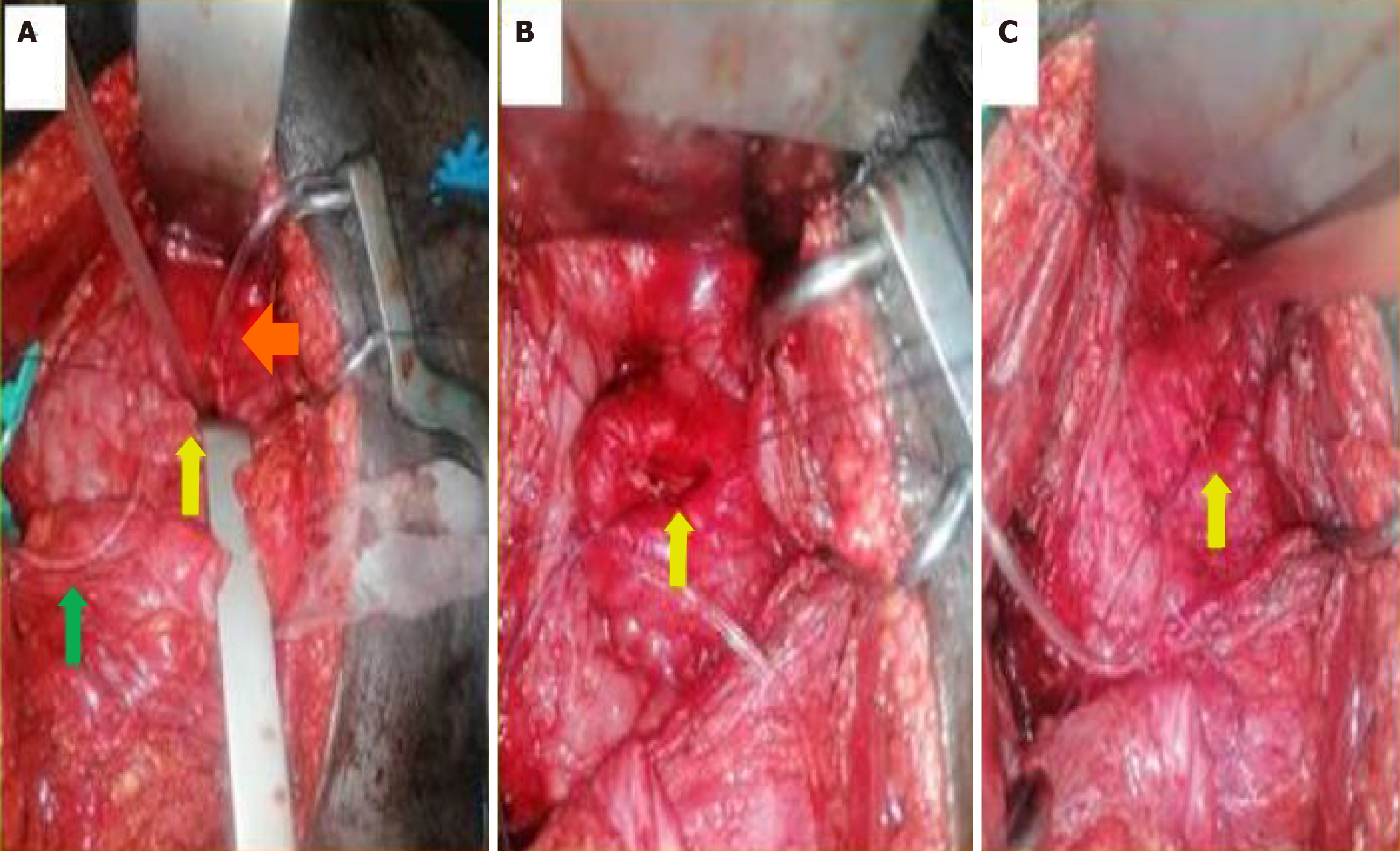
Figure 9 Intraoperative findings from a paraureteral diverticulectomy.
A: Showcasing the neck of the paraureteral diverticulum (yellow arrow), with stented right ureteric orifice (orange arrow) and stented left ureteric orifice (green arrow); B: The neck of the paraureteral diverticulum held by stay sutures before sac dissection (yellow arrow); C: Completion of the paraureteral diverticulectomy.
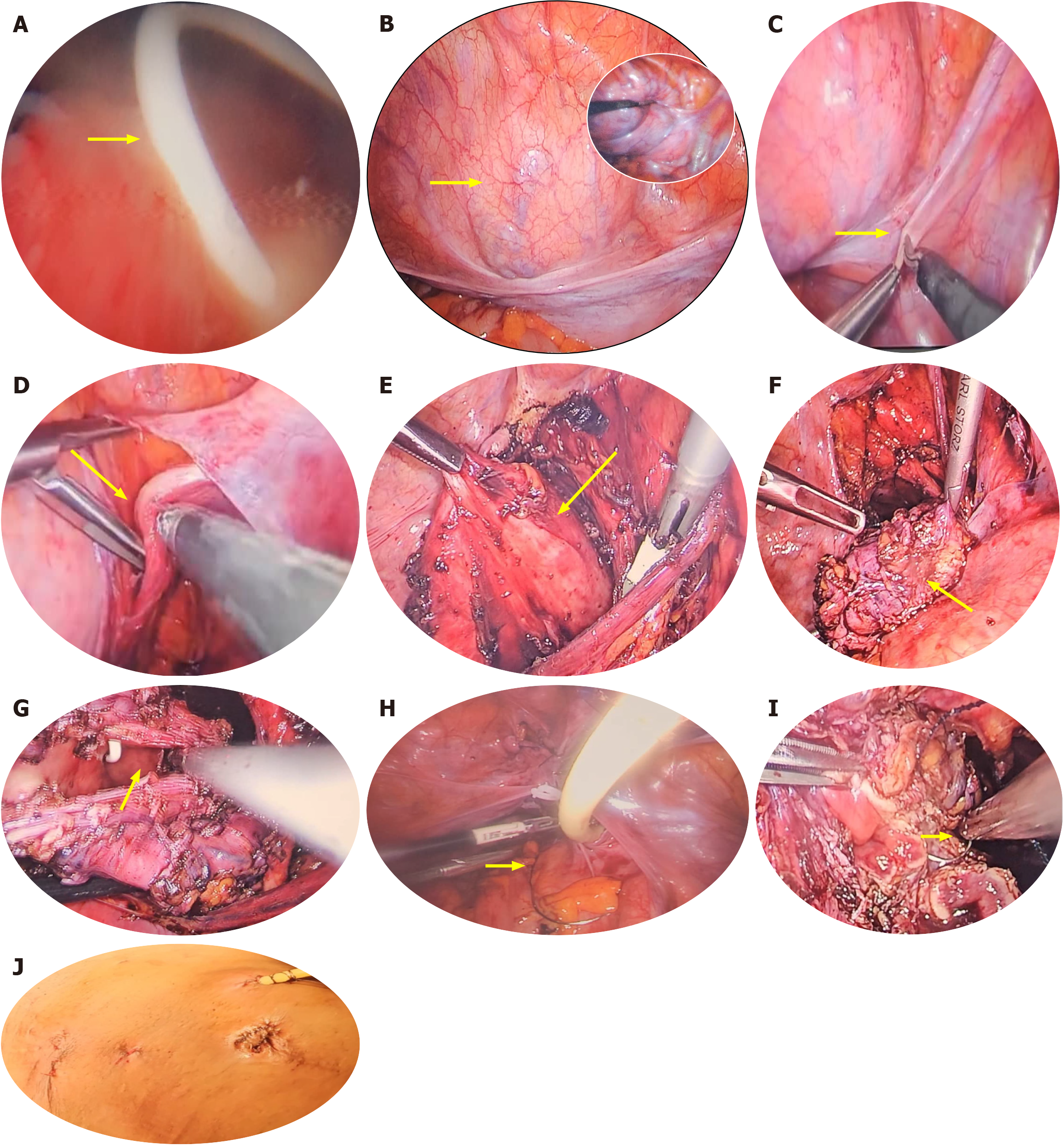
Figure 10 Laparoscopic bladder diverticulectomy demonstrating various stages of laparoscopic extravesical bladder diverticulectomy.
A: Initial cystoscopy and stenting of the adjacent ureter (arrow); B: Combined endoscopic and laparoscopic localization of the bladder diverticulum (arrow) with the inset; C: Identification of anatomical landmarks and initiation of laparoscopic dissection (arrow); D: Dissection of the vas deferens (arrow); E: Dissection of the diverticulum sac (arrow); F: Completion of diverticulum sac dissection (arrow); G: Assessment of the diverticular neck and the adjacent ureter before closure (arrow); H and I: Closure of the diverticular neck (arrow); J: Immediate postoperative view of the abdomen (arrow).
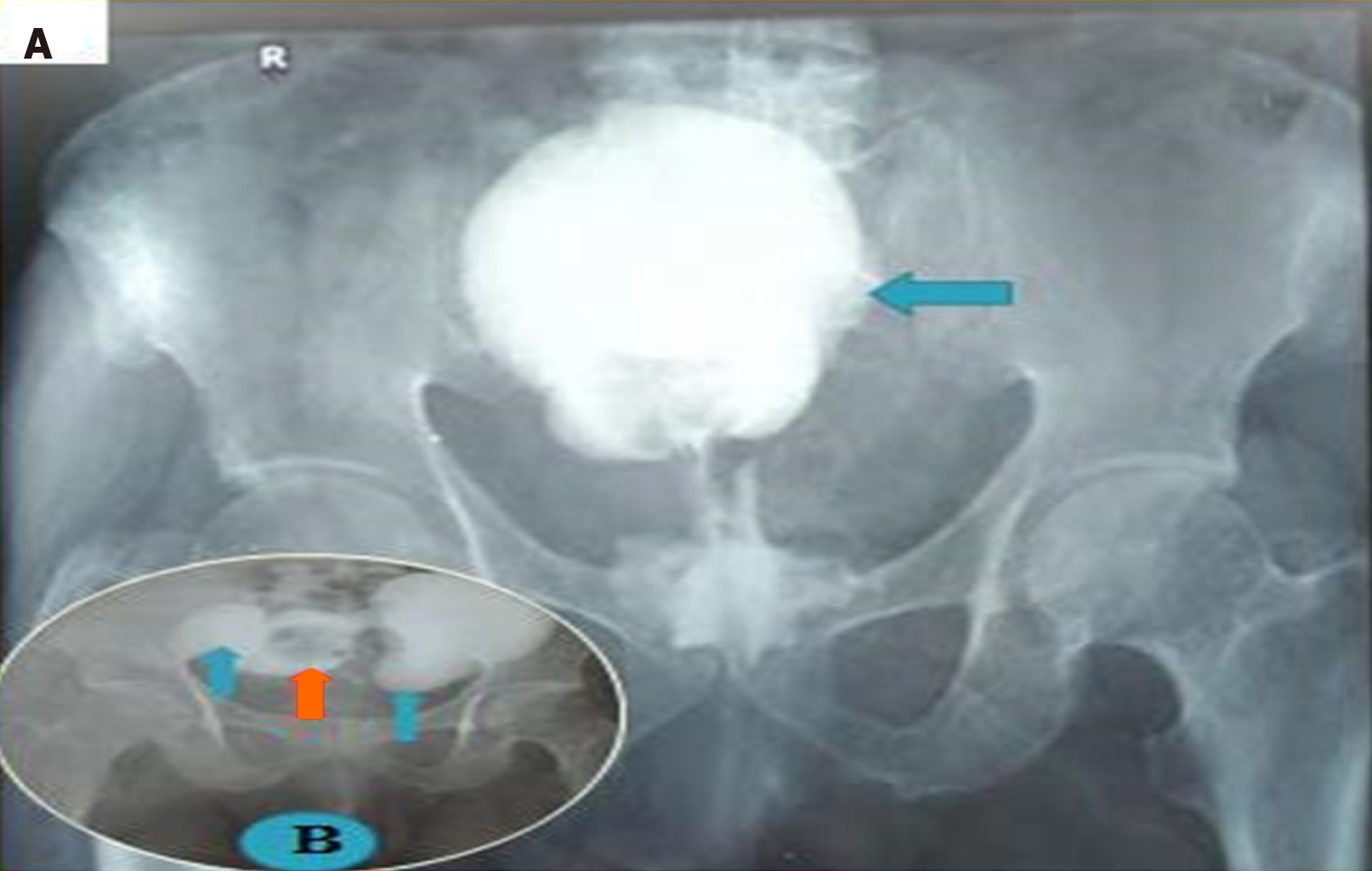
Figure 11 A post-prostatectomy and bladder diverticulectomy cystogram of the patient in Figure 4.
A: Displays an intact bladder free of diverticula (indicated by the blue arrow); B: Is an inset of the preoperative cystogram showing right and left bladder diverticula (blue arrows) along with the bladder cavity containing a urethral catheter balloon (orange arrow).
- Citation: Khalid A, Obadele OG, Alabi TO, Nedjim SA, Abdulwahab-Ahmed A, Mungadi IA. Practical approach to the review of bladder diverticulum and its management. World J Clin Urol 2026; 15(1): 114046
- URL: https://www.wjgnet.com/2219-2816/full/v15/i1/114046.htm
- DOI: https://dx.doi.org/10.5410/wjcu.v15.i1.114046