
















Copyright: ©Author(s) 2026.
World J Clin Pediatr. Jun 9, 2026; 15(2): 119843
Published online Jun 9, 2026. doi: 10.5409/wjcp.v15.i2.119843
Published online Jun 9, 2026. doi: 10.5409/wjcp.v15.i2.119843
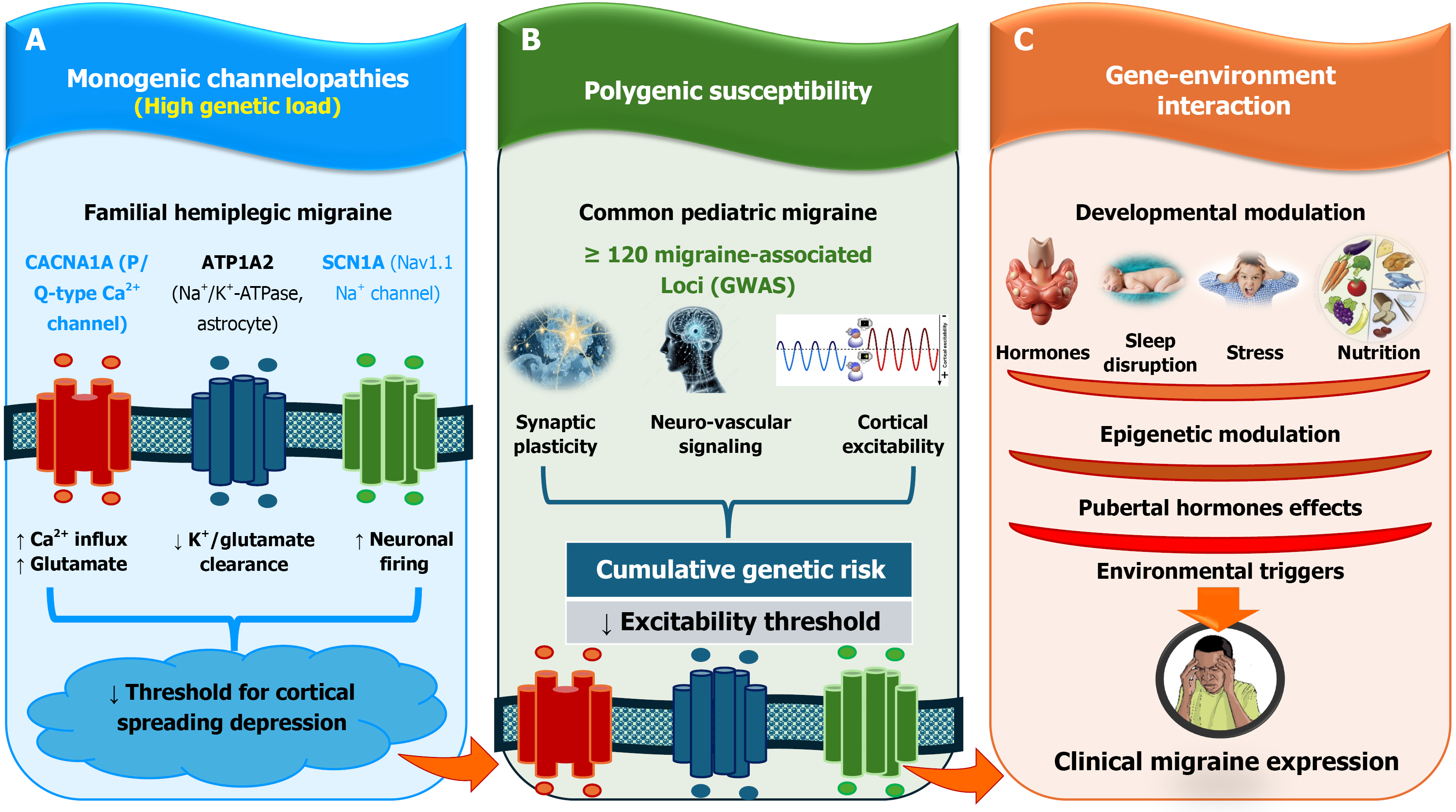
Figure 1 Genetic susceptibility and developmental modulation in pediatric migraine.
Pediatric migraine arises from a spectrum of genetic mechanisms that interact dynamically with brain development. A: Rare monogenic forms, such as familial hemiplegic migraine, demonstrate how ion channel and transporter dysfunction (CACNA1A, ATP1A2, SCN1A) lead to neuronal hyperexcitability and a reduced threshold for cortical spreading depression; B: In most children, migraine reflects a polygenic architecture, with multiple common variants collectively influencing synaptic transmission, neurovascular signaling, and cortical excitability; C: Developmental and environmental modifiers, including pubertal hormonal changes, epigenetic regulation, sleep disruption, and psychosocial stress, interact with genetic vulnerability to trigger clinical migraine expression across childhood and adolescence.
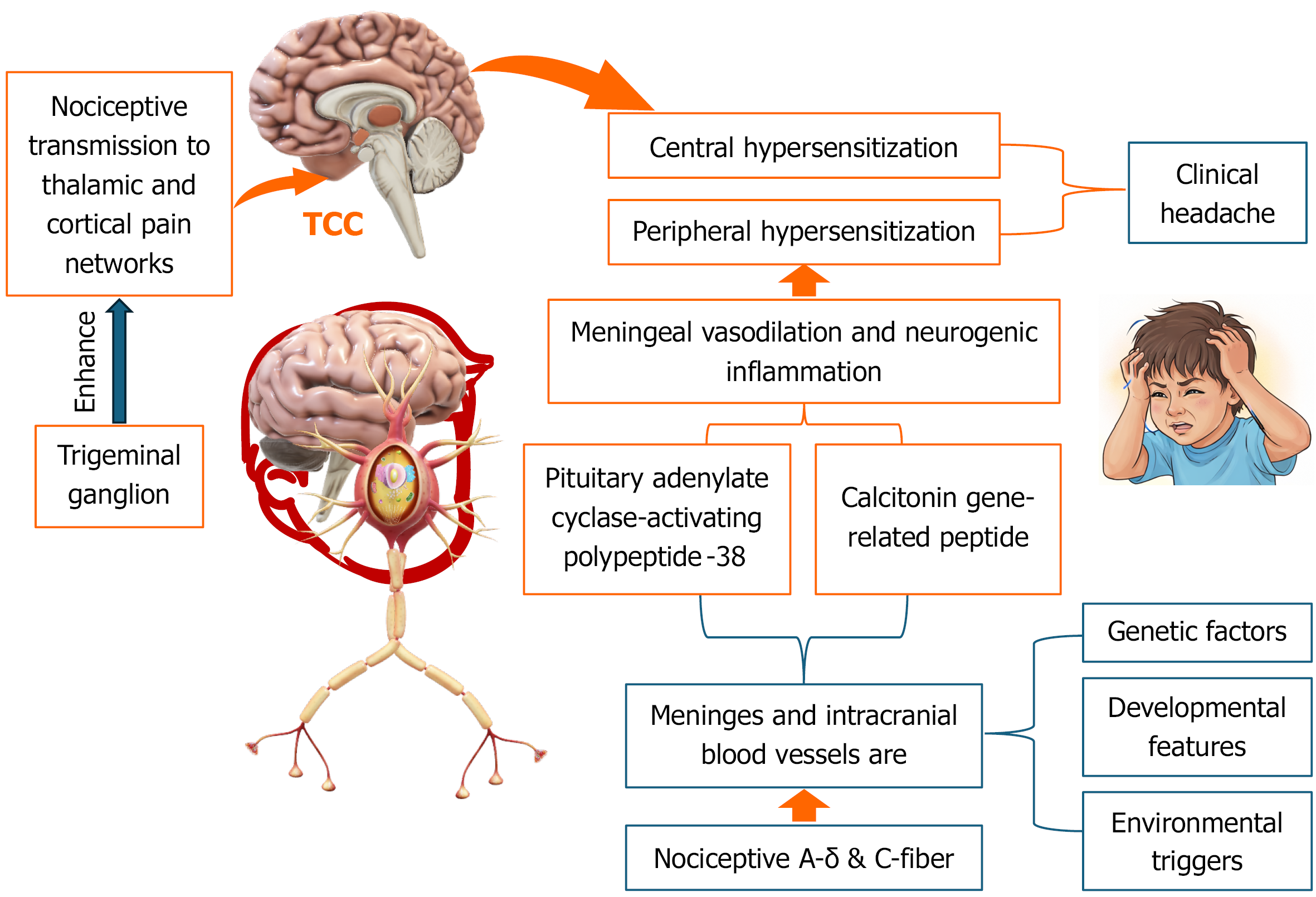
Figure 2 Trigeminovascular activation, neuropeptide signaling, and evolution of pediatric migraine headache.
Pediatric migraine headache arises from activation of the trigeminovascular system, the final common pathway for pain generation. Nociceptive A-δ and C-fibers from the trigeminal ganglion innervating the meninges and intracranial blood vessels are activated by genetic, developmental, and environmental triggers. This activation leads to the release of key neuropeptides, primarily calcitonin gene-related peptide and pituitary adenylate cyclase-activating polypeptide. Peripherally, these neuropeptides induce meningeal vasodilation and neurogenic inflammation, resulting in peripheral sensitization. Centrally, sustained signaling within the trigeminocervical complex enhances nociceptive transmission to thalamic and cortical pain networks, promoting central sensitization. The progressive amplification of trigeminovascular signaling culminates in the clinical migraine phenotype, characterized by throbbing headache, cutaneous allodynia, and prominent autonomic symptoms. Developmental factors unique to childhood and adolescence increase neuropeptide sensitivity, facilitating the transition from neurobiological activation to overt clinical headache. TCC: Trigeminocervical complex.
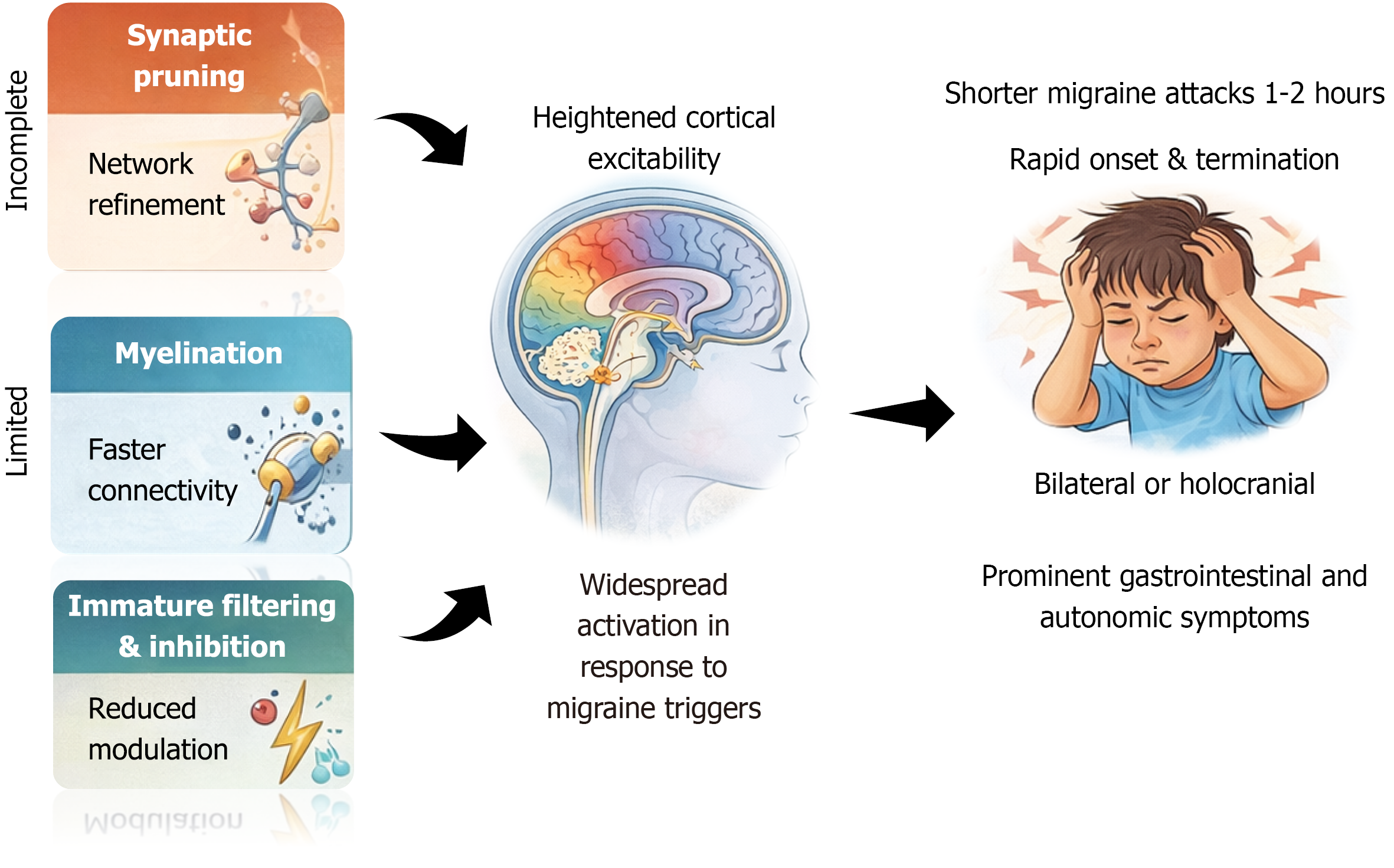
Figure 3 Neurodevelopmental maturation shapes the pediatric migraine phenotype.
This schematic summarizes how ongoing brain maturation influences the distinctive clinical expression of migraine in children and adolescents. During early childhood, incomplete synaptic pruning and limited myelination result in diffuse neural connectivity and inefficient sensory gating, predisposing to heightened cortical excitability and widespread activation in response to migraine triggers. Immature thalamocortical filtering and underdeveloped descending inhibitory pain pathways further amplify sensory input and autonomic responses. Collectively, these developmental features manifest clinically as shorter migraine attacks, predominantly bilateral or holocranial head pain, and prominent gastrointestinal and autonomic symptoms. As neurodevelopment progresses through late childhood and adolescence, refinement of synaptic networks, improved myelination, and maturation of inhibitory control promote more localized pain processing and contribute to the gradual transition toward the adult migraine phenotype.
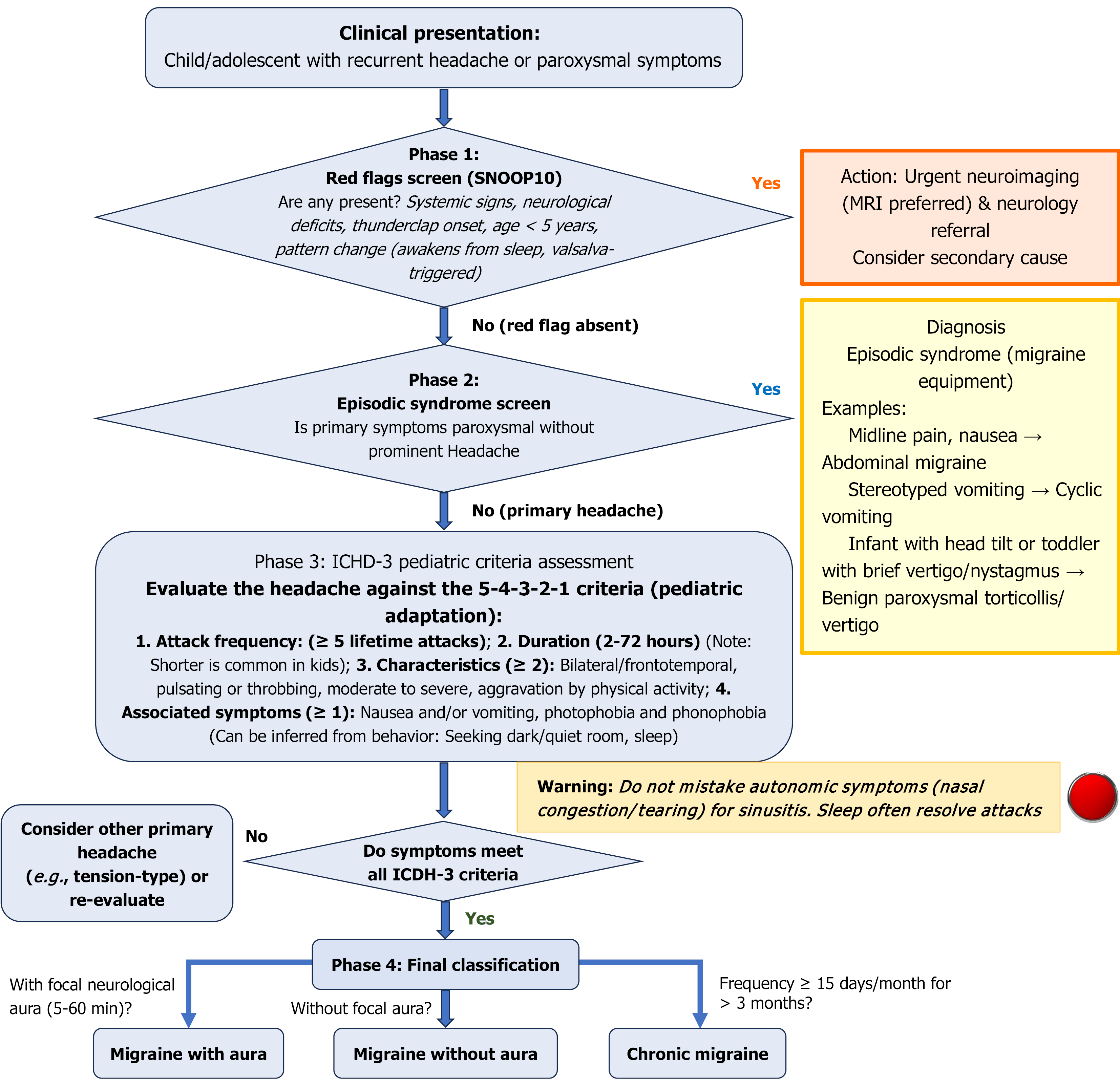
Figure 4 Pediatric migraine diagnostic flow chart.
This flowchart provides a structured clinical pathway for the evaluation and diagnosis of pediatric migraine, emphasizing the distinction between primary headache disorders, secondary pathologies, and age-specific migraine equivalents. ICHD-3: International Classification of Headache Disorders, third edition.
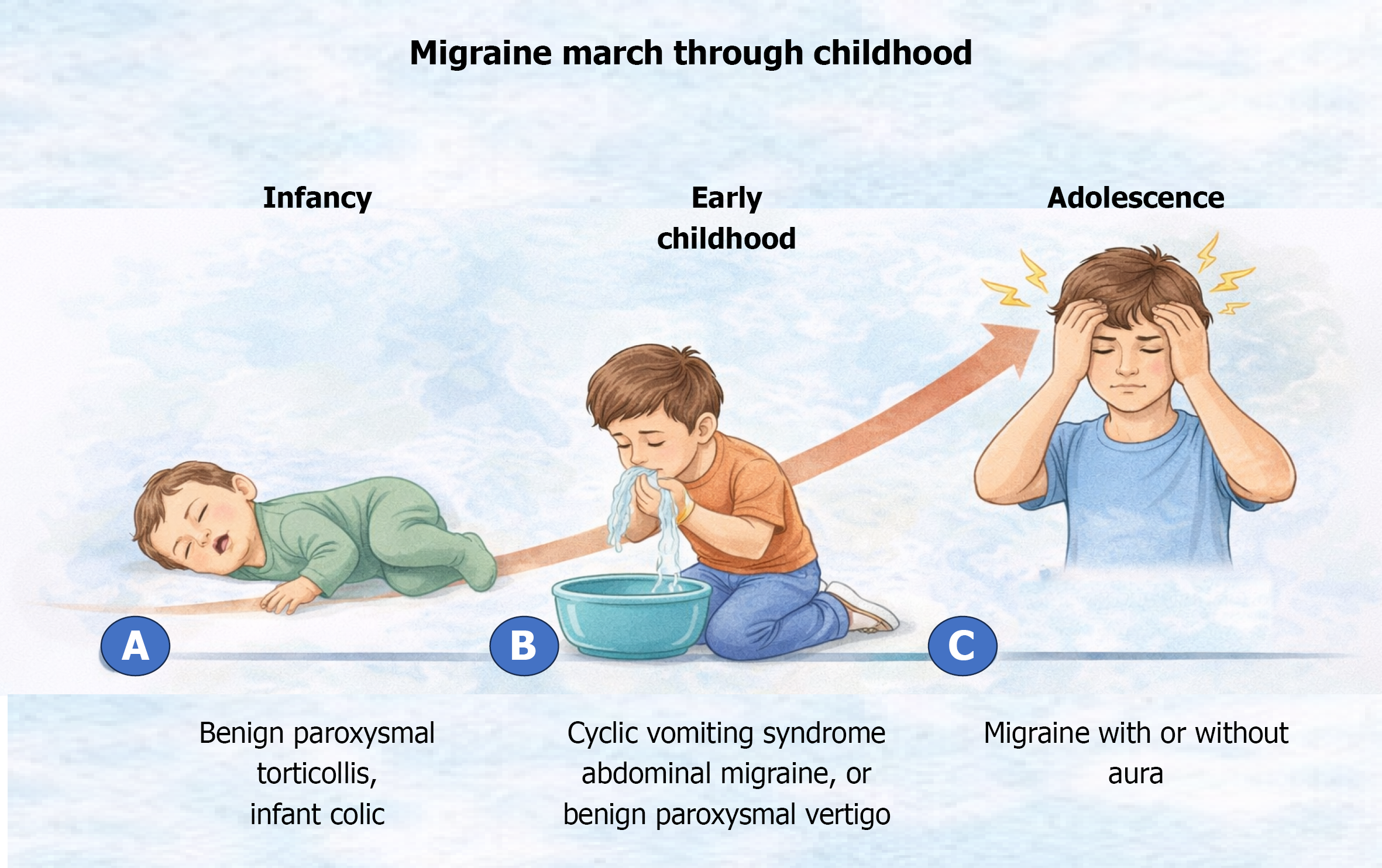
Figure 5 The migraine march through childhood.
This figure illustrates the developmental trajectory of migraine-related disorders across childhood, often referred to as the migraine march. Many children exhibit age-dependent manifestations, beginning in infancy with benign paroxysmal torticollis (A), progressing during early childhood to cyclic vomiting syndrome and/or abdominal migraine (B), and ultimately evolving into migraine with or without aura during adolescence (C). The arrows indicate the temporal and developmental progression of these episodic.
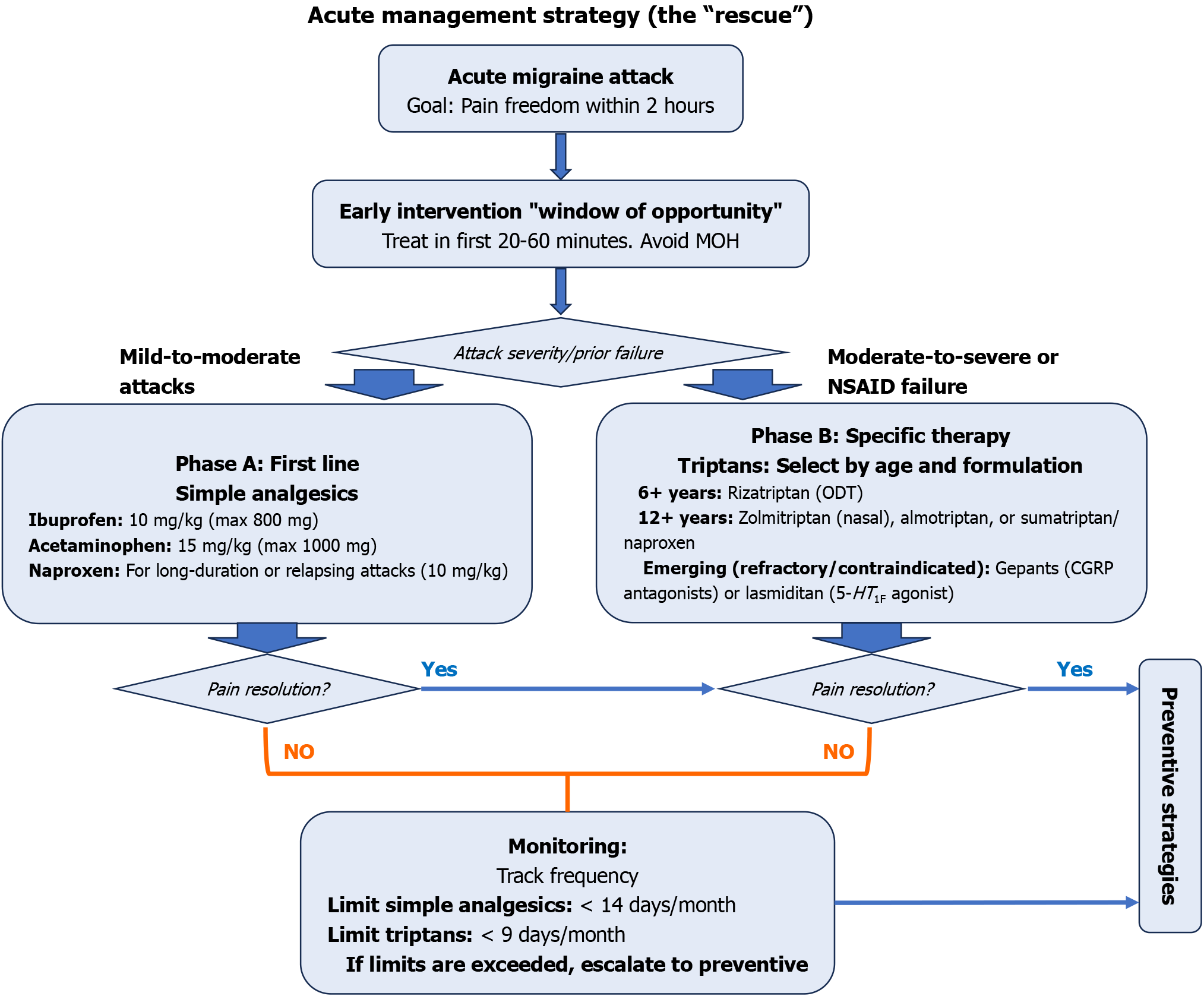
Figure 6 Algorithm for early and stratified acute management of pediatric migraine attacks.
This flow chart depicts a mechanism-informed strategy for aborting acute migraine attacks in children and adolescents, prioritizing rapid return to function. Early intervention (“window of opportunity”): Emphasizes the critical importance of administering treatment within the first 20-60 minutes of attack onset. Treating during this peripheral activation phase prevents the development of central sensitization (cutaneous allodynia), significantly increasing the success rate of abortive therapy. Stratified care approach (phase A vs phase B): Treatment selection is based on attack severity at onset or history of previous treatment response. Phase A (first line): Utilizes weight-based simple analgesics (ibuprofen, acetaminophen, naproxen) for mild-to-moderate attacks. Naproxen is highlighted for longer-duration attacks due to its half-life. Phase B (specific therapy): Utilizes triptans (age-appropriate formulations like oral disintegrating tablet or nasal spray) for moderate-to-severe attacks or as “rescue” if phase A fails within 60 minutes. Emerging therapies (gepants, ditans) are considered for patients contraindicated to or intolerant of triptans. Monitoring and medication overuse headache: The red pathway highlights the risk of medication overuse headache. Clinicians must track usage limits (≤ 14 days/month for simple analgesics, ≤ 9 days/month for triptans). Exceeding these thresholds indicates failure of the acute strategy and necessitates immediate escalation to preventive management. MOH: Medication overuse headache; NSAID: Non-steroidal anti-inflammatory drug.
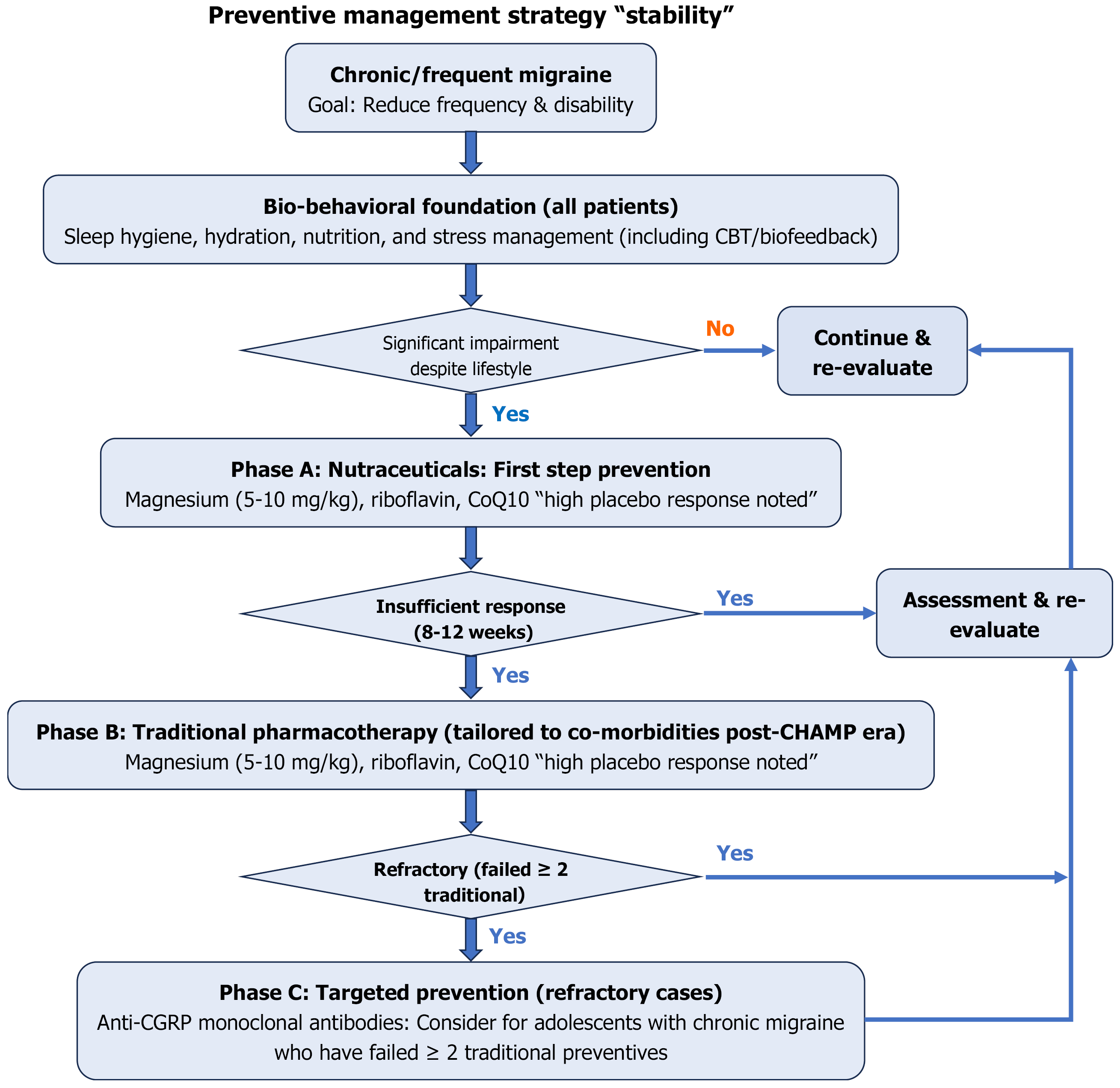
Figure 7 A bio-behavioral and stepped preventive strategy for pediatric chronic or frequent migraine.
This flow chart outlines a developmentally appropriate, stepped-care model for reducing attack frequency and disability in children with frequent episodic or chronic migraine. The bio-behavioral foundation represents the non-negotiable first step for all patients, regardless of disease severity. It addresses modifiable triggers through sleep hygiene, hydration, nutrition, and stress management (including cognitive behavioral therapy/biofeedback), acknowledging the high susceptibility of the pediatric brain to environmental stabilization. Decision threshold (“significant impairment”): Pharmacologic or nutraceutical escalation is only indicated if the bio-behavioral foundation fails to reduce functional impairment (e.g., continued school absenteeism). Stepped pharmacotherapy, phase A (nutraceuticals): The preferred first line of medical prevention due to a favorable safety profile. Options include magnesium, riboflavin, and coenzyme Q10. High placebo response rates in this category are noted as a therapeutic leverage point. Phase B (traditional pharmacotherapy): Reflects the post-CHAMP trial paradigm where traditional agents (topiramate, amitriptyline, propranolol) are chosen specifically to address comorbidities (e.g., anxiety, insomnia, obesity) rather than as reflexive first-line agents, given their equivalence to placebo in recent major trials. Phase C (targeted prevention): Reserves novel anti-calcitonin gene-related peptide monoclonal antibodies for adolescents meeting definitions of refractory chronic migraine (failure of traditional preventives). Assessment loop: Emphasizes that prevention is dynamic. Adequate therapeutic trials require 8-12 weeks before re-evaluation, at which point therapy is continued, adjusted, or tapered based on response. CoQ10: Coenzyme Q10; CBT: Cognitive behavioral therapy; CGRP: Calcitonin gene-related peptide.
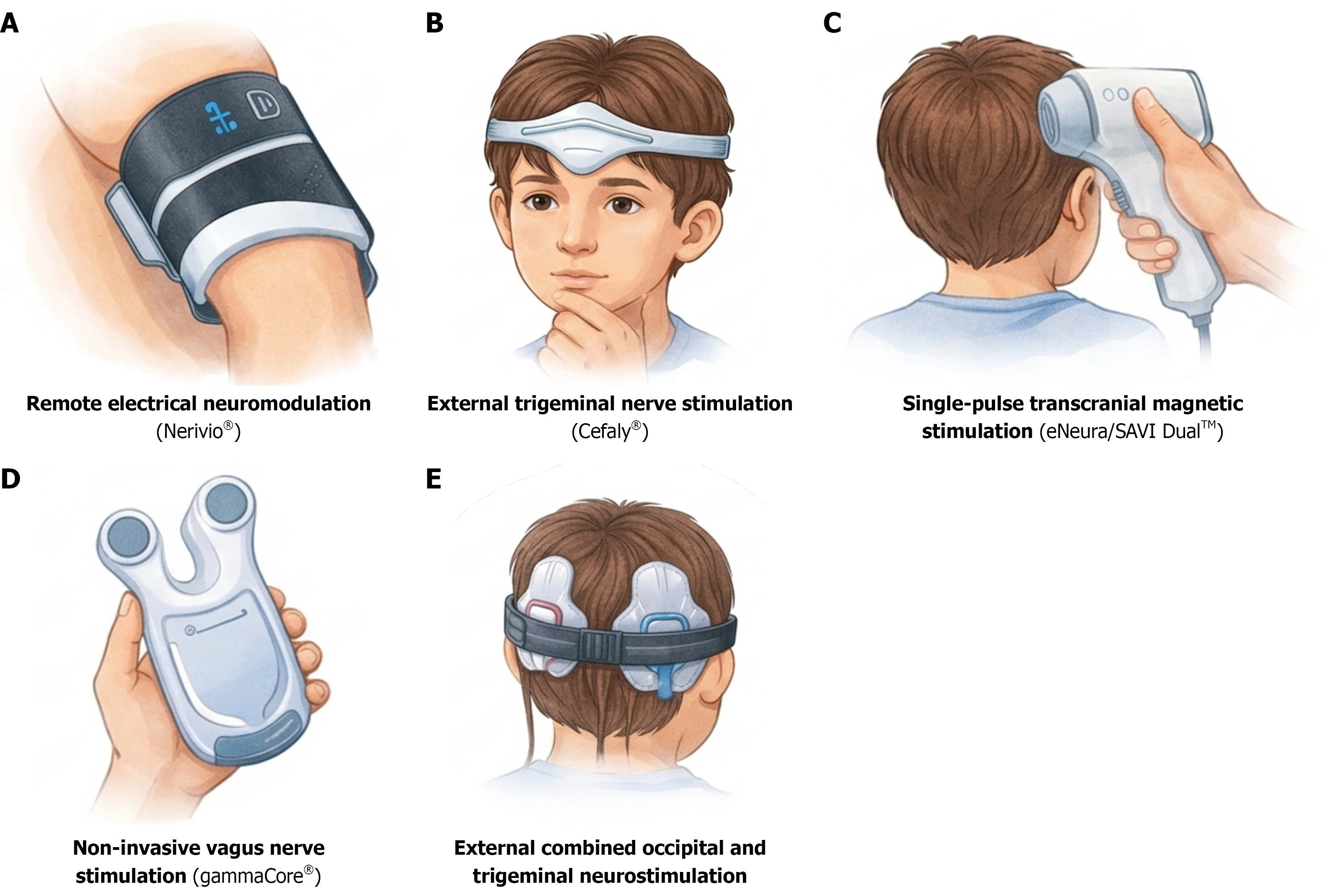
Figure 8 Non-invasive neuromodulation devices used in the management of pediatric migraine.
This schematic illustrates currently available non-pharmacological neuromodulation modalities for pediatric and adolescent migraine, highlighting their sites of application and therapeutic concepts. A: Remote electrical neuromodulation (Nerivio®), a wearable upper-arm device that delivers conditioned pain modulation via peripheral nociceptive stimulation, remotely modulating central pain pathways; B: External trigeminal nerve stimulation (Cefaly®), a forehead-mounted device that stimulates the supraorbital branches of the trigeminal nerve to reduce trigeminovascular excitability; C: Single-pulse transcranial magnetic stimulation (eNeura/SAVI Dual™), a handheld device applied to the occipital cortex, delivering brief magnetic pulses that interrupt cortical spreading depression and modulate cortical excitability; D: Non-invasive vagus nerve stimulation (gammaCore®), a cervical device that stimulates the vagus nerve to engage brainstem pain-inhibitory and autonomic regulatory circuits; E: External combined occipital and trigeminal neurostimulation, a head-mounted system targeting both occipital and trigeminal nerve territories, aiming to simultaneously modulate cortical and trigeminovascular networks involved in migraine pathophysiology. Together, these devices represent a growing class of mechanism-based, drug-free therapeutic options particularly suited for pediatric patients who have contraindications to pharmacotherapy, poor tolerability, or preference for non-medication approaches.
- Citation: Al-Beltagi M. Pediatric migraine: Neurodevelopmental mechanisms, clinical phenotypes, and modern therapeutics. World J Clin Pediatr 2026; 15(2): 119843
- URL: https://www.wjgnet.com/2219-2808/full/v15/i2/119843.htm
- DOI: https://dx.doi.org/10.5409/wjcp.v15.i2.119843