
















Copyright: ©Author(s) 2026.
World J Orthop. Apr 18, 2026; 17(4): 117533
Published online Apr 18, 2026. doi: 10.5312/wjo.v17.i4.117533
Published online Apr 18, 2026. doi: 10.5312/wjo.v17.i4.117533
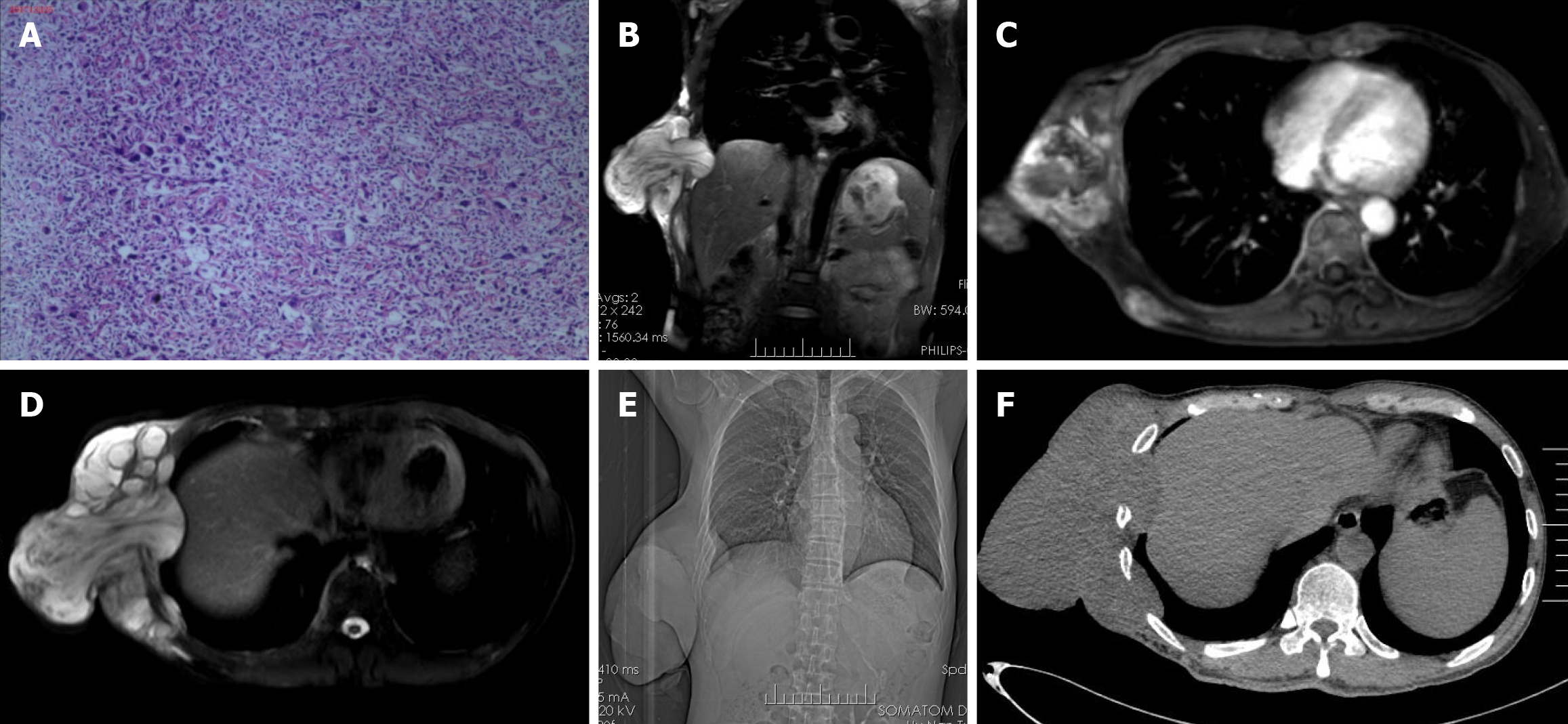
Figure 1 computed tomography, magnetic resonance imaging and histological images of the lesion.
A: Hematoxylin and eosin staining of the lesion (10 ×) representing a large population of heterocyst; B: Coronal magnetic resonance imaging (MRI); C and D: Cross-sectional MRI scan; E: Scout view; F: Cross-sectional computed tomography scan indicate a huge irregular lesion locating at the right lower chest wall, part of the lesion invaded into chest cavity while with intact membrane.
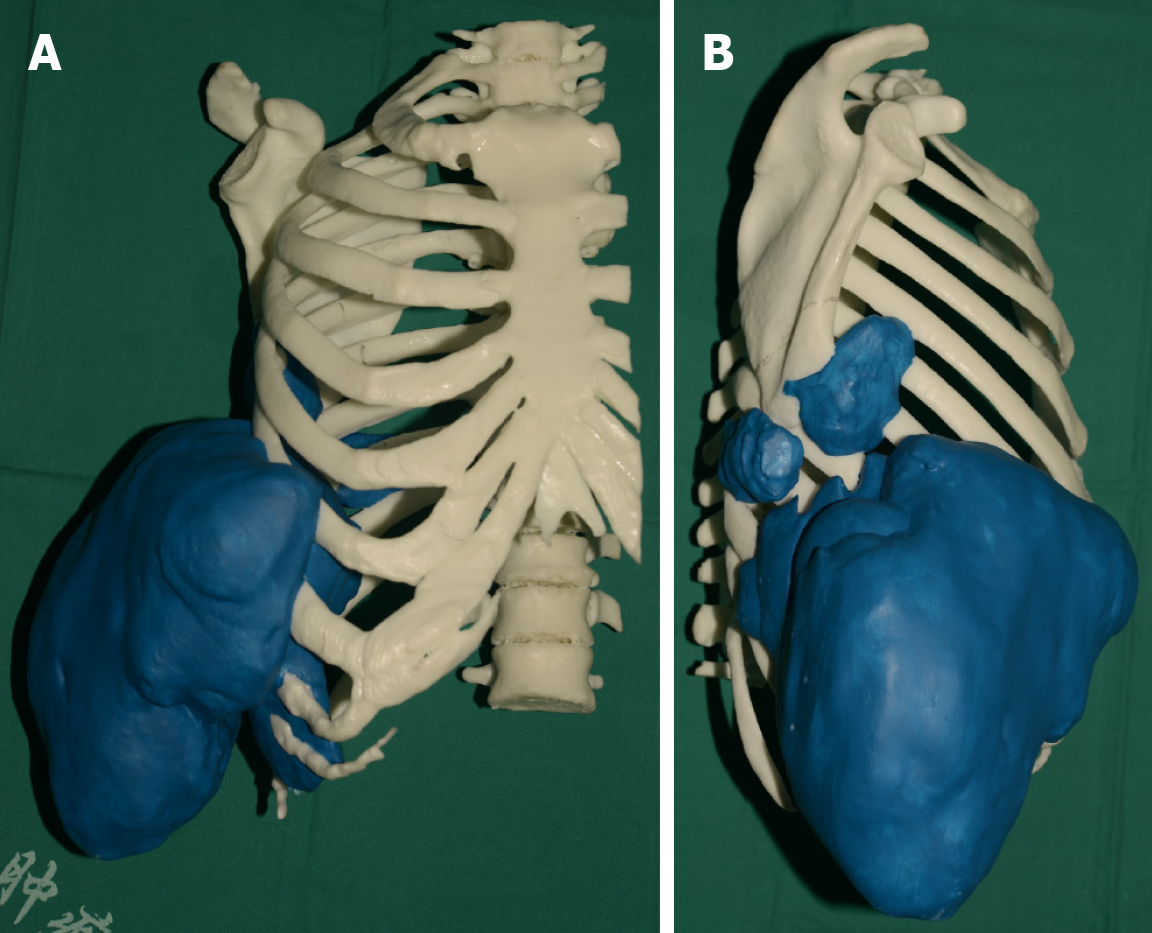
Figure 2 Three-dimensional printing model depicting the adjacent structures of the lesion where two satellite tumors infiltrated into the scapula bone.
A: Anterior view; B: Side view.
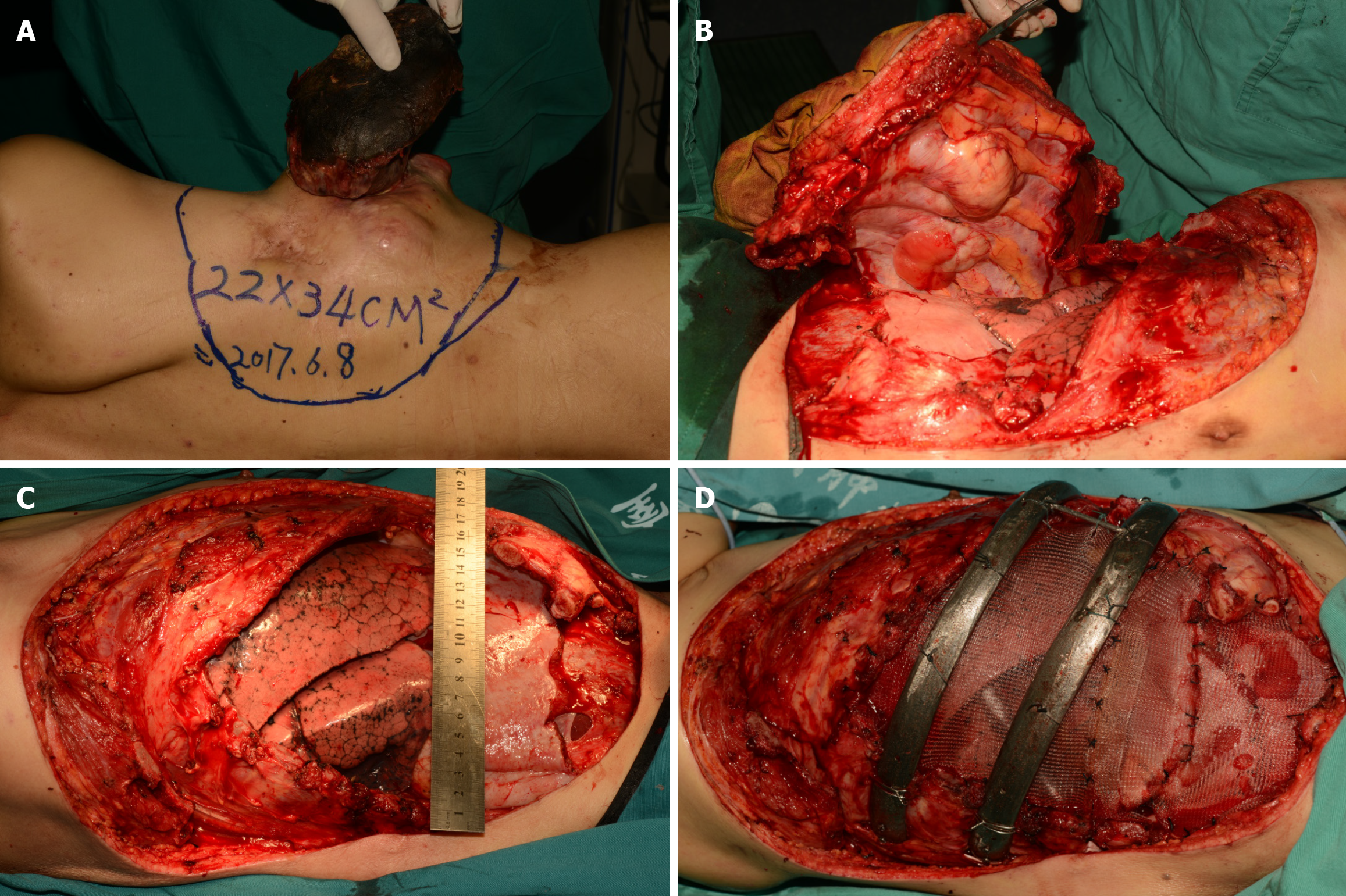
Figure 3 Intraoperative photos of the surgery.
A: The size of the planned resection area is 22 cm × 34 cm; B: The lesion was removed from the chest wall; C: The left wound showing the partial defect of ribs, parietal pleura, diaphragm and the liver capsular; D: The wound was repaired by nylon mesh and three-dimensional printed titanium ribs. Nylon mesh was to repair the defect membrane and titanium prosthesis was to reconstruct the osseous chest wall.
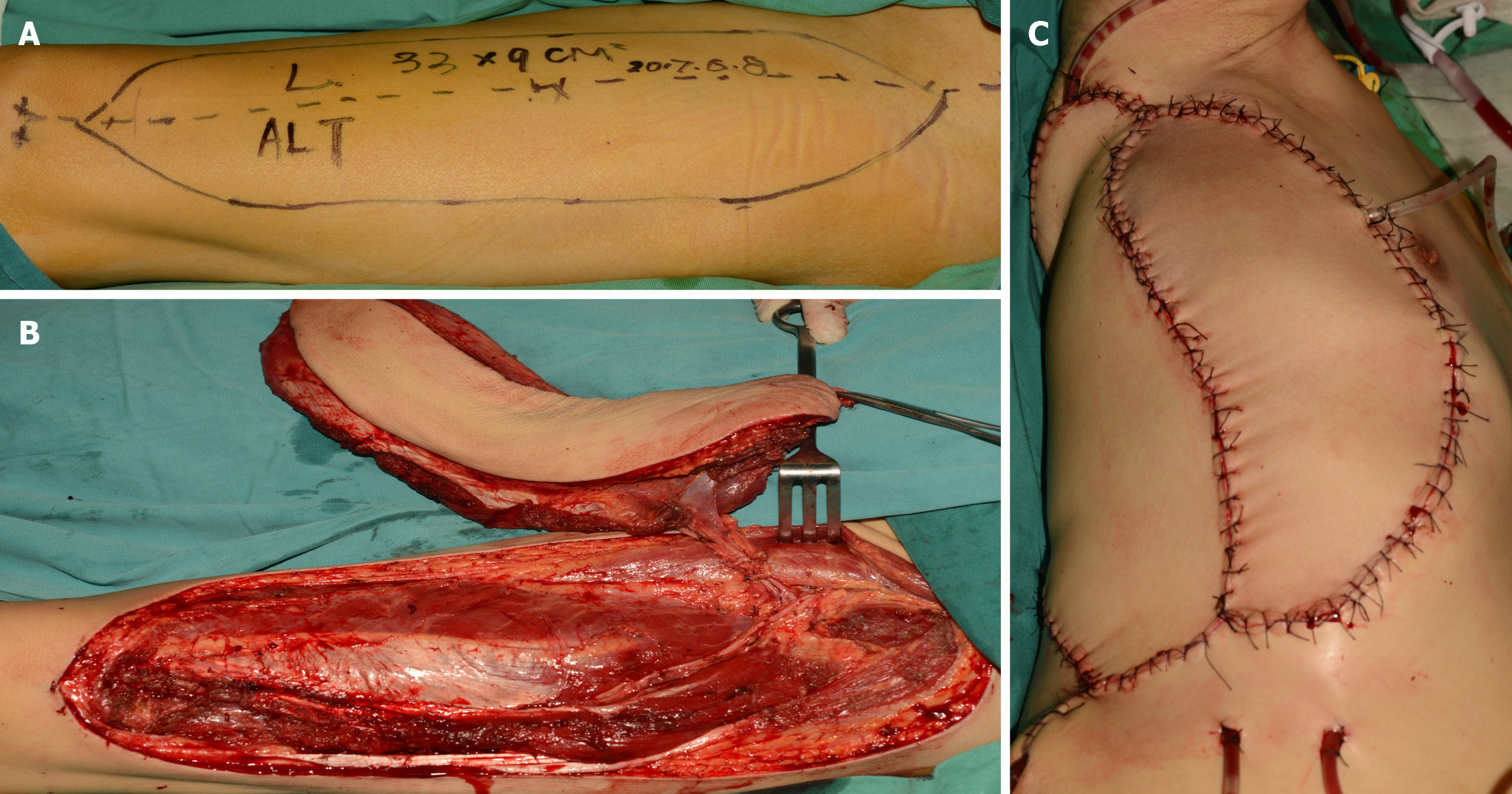
Figure 4 Free femoral anterolateral musculocutaneous flap.
A: Designed; B: Harvested; C: Bilateral flaps were anastomosed to repair the soft tissue defect of the wound.
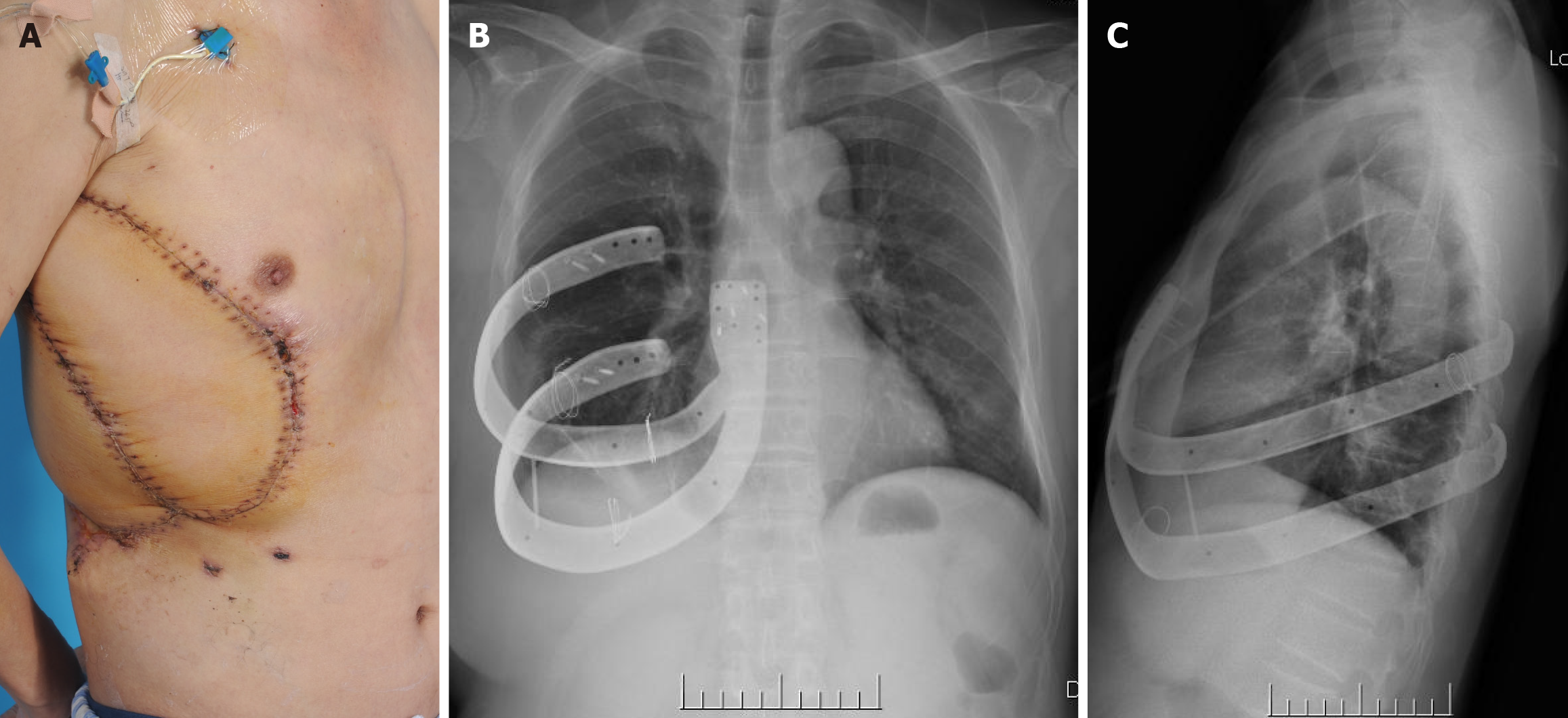
Figure 5 Patient was in good condition and discharged 14 days after surgery, when the wound was confirmed to be well healed.
A: Photograph of the patient on day 21 post operation showing that the wound was completely repaired with accepted appearance; B and C: Anteroposterior and lateral X-ray of the prosthesis (B: Anterior view; C: Side view) indicating the prosthesis located at the fixed site. The lung expanded properly.
- Citation: Li XA, Chen JY, Bu J, Wu HW. Customized three-dimensional printed titanium ribs combined with bilateral flaps for reconstruction of chest wall defect: A case report. World J Orthop 2026; 17(4): 117533
- URL: https://www.wjgnet.com/2218-5836/full/v17/i4/117533.htm
- DOI: https://dx.doi.org/10.5312/wjo.v17.i4.117533