
















Copyright: ©Author(s) 2026.
World J Orthop. Mar 18, 2026; 17(3): 113708
Published online Mar 18, 2026. doi: 10.5312/wjo.v17.i3.113708
Published online Mar 18, 2026. doi: 10.5312/wjo.v17.i3.113708
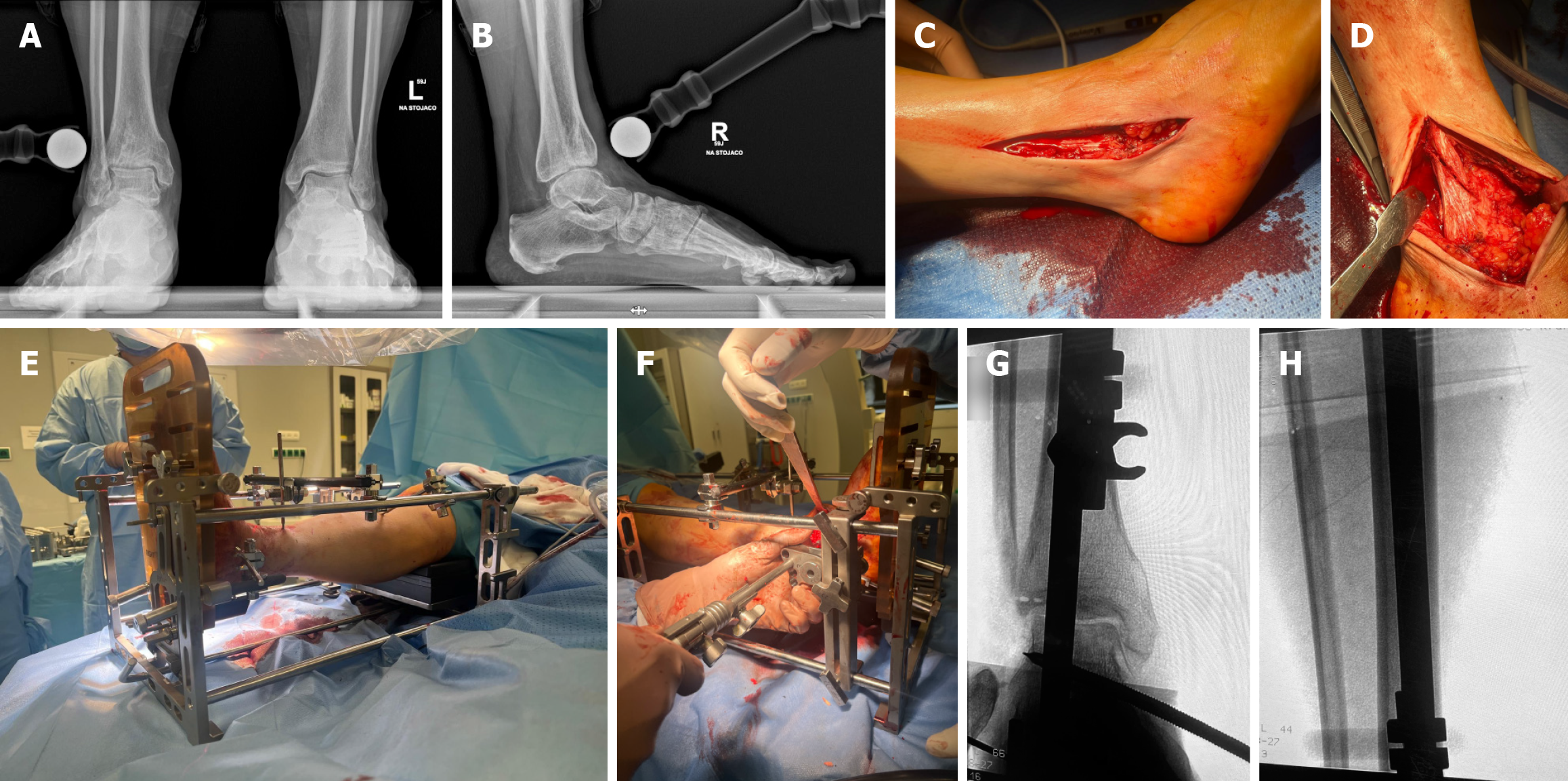
Figure 1 Preoperative radiographs and intraoperative steps of total ankle replacement using the lateral approach.
A and B: Preoperative anteroposterior and lateral weight-bearing radiographs; C: The procedure begins with a lateral incision and exposure of the lateral malleolus; D: Oblique fibular osteotomy; E and F: An external fixation frame with transcalcaneal and talar pins is then applied to facilitate alignment; G and H: Final correction of the tibial axis in both the coronal and sagittal planes is confirmed under fluoroscopy.
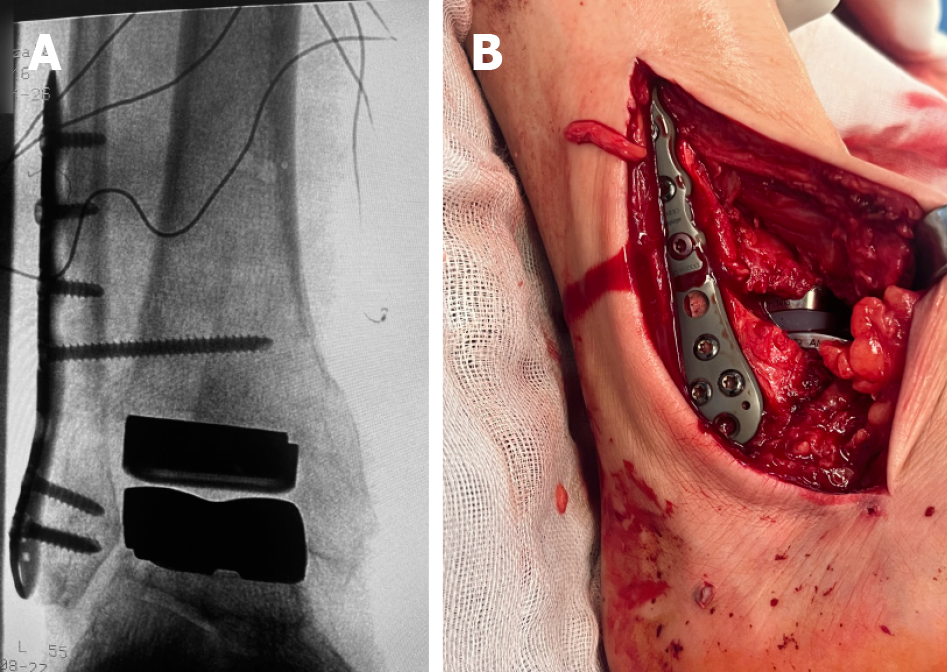
Figure 2 Intraoperative and postoperative imaging after lateral-approach total ankle replacement.
A: An intraoperative fluoroscopic anteroposterior radiograph demonstrates correct positioning of the prosthesis after implantation; B: A postoperative lateral view shows the final position of the prosthesis together with fixation of the lateral malleolus.
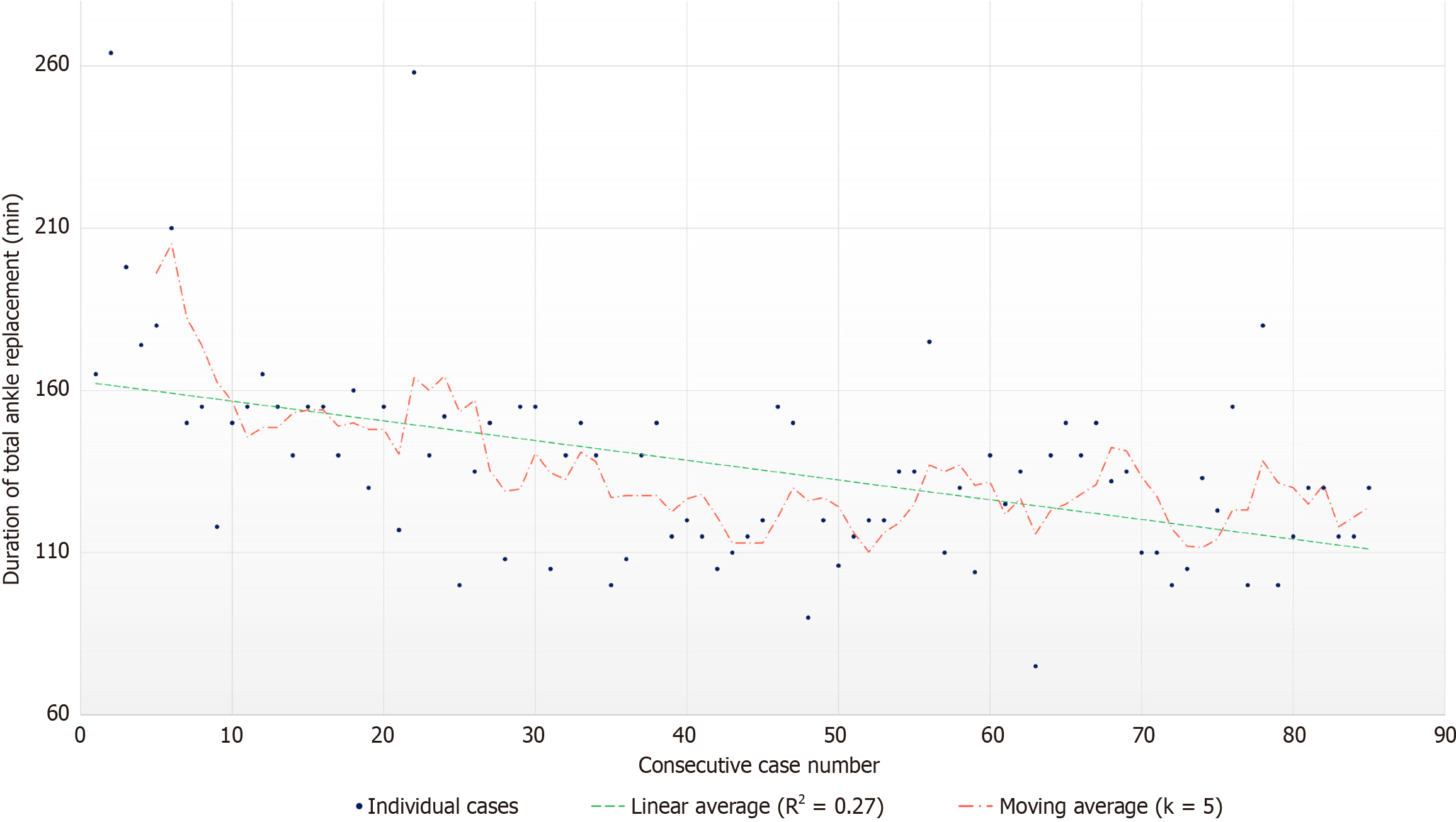
Figure 3 Learning curve for total ankle replacement.
Duration of total ankle replacement procedures (minutes) plotted against consecutive case number. Operative time progressively decreased from approximately 175 min in the first ten cases to around 120 min after 30 procedures, indicating a clear learning effect and progressive improvement in surgical efficiency. Mean operative time significantly decreased after the first 26 cases (154.7 ± 29.7 min vs 122.9 ± 17.9 min; P < 0.0001), demonstrating stabilization of procedural performance beyond the initial learning phase and reaching approximately 110 min in the most recent cases.
- Citation: Liszka H, Gądek A, Zięba AM, Surowiecka K, Kwiatkowski J, Kozioł T, Bochenek MS, Kwolek K. Learning curve of total ankle replacement from the lateral approach. World J Orthop 2026; 17(3): 113708
- URL: https://www.wjgnet.com/2218-5836/full/v17/i3/113708.htm
- DOI: https://dx.doi.org/10.5312/wjo.v17.i3.113708