
















©The Author(s) 2026.
World J Orthop. Jan 18, 2026; 17(1): 113228
Published online Jan 18, 2026. doi: 10.5312/wjo.v17.i1.113228
Published online Jan 18, 2026. doi: 10.5312/wjo.v17.i1.113228
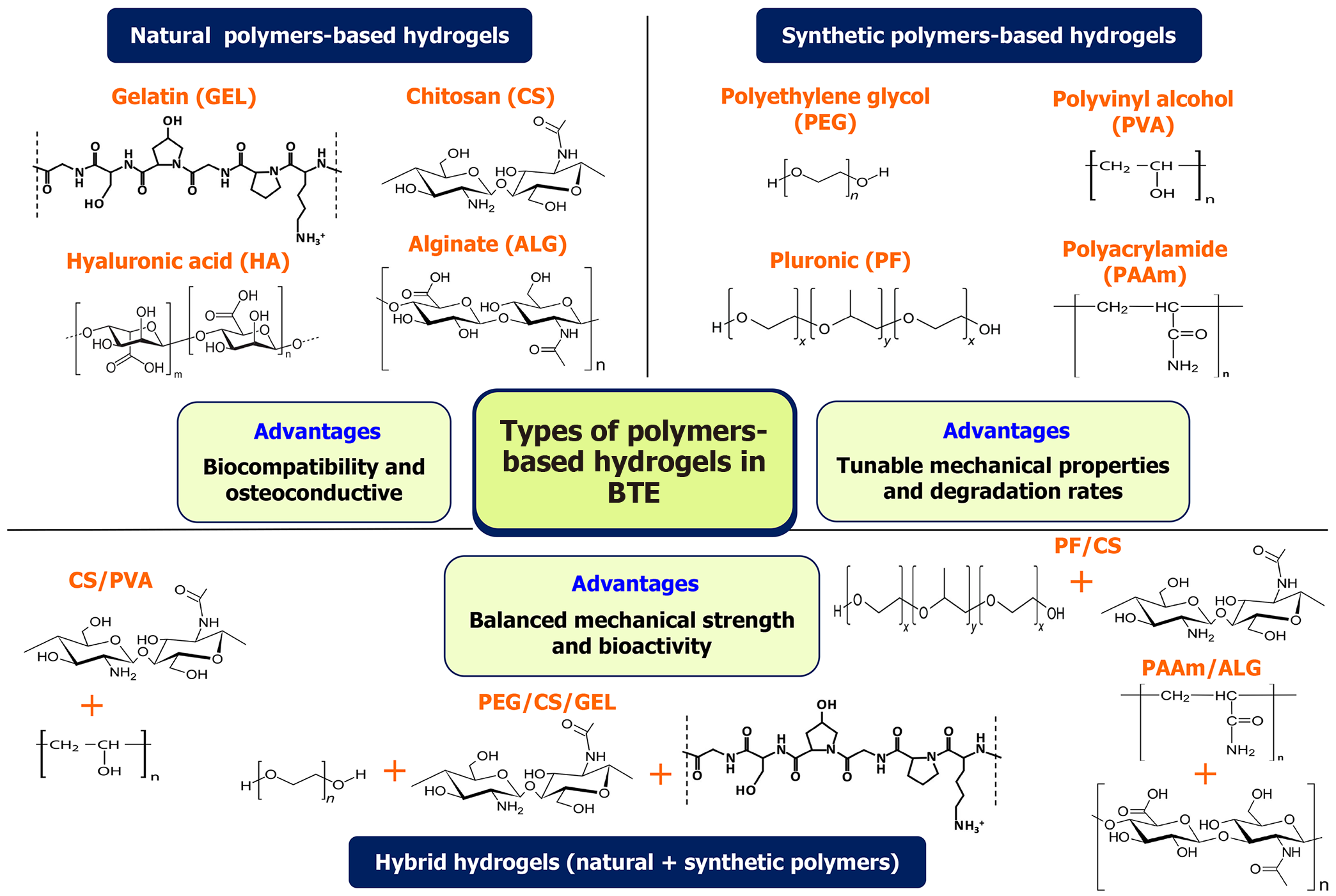
Figure 1 Classification and advantages of polymer-based hydrogels used in bone tissue engineering.
BTE: Bone tissue engineering.
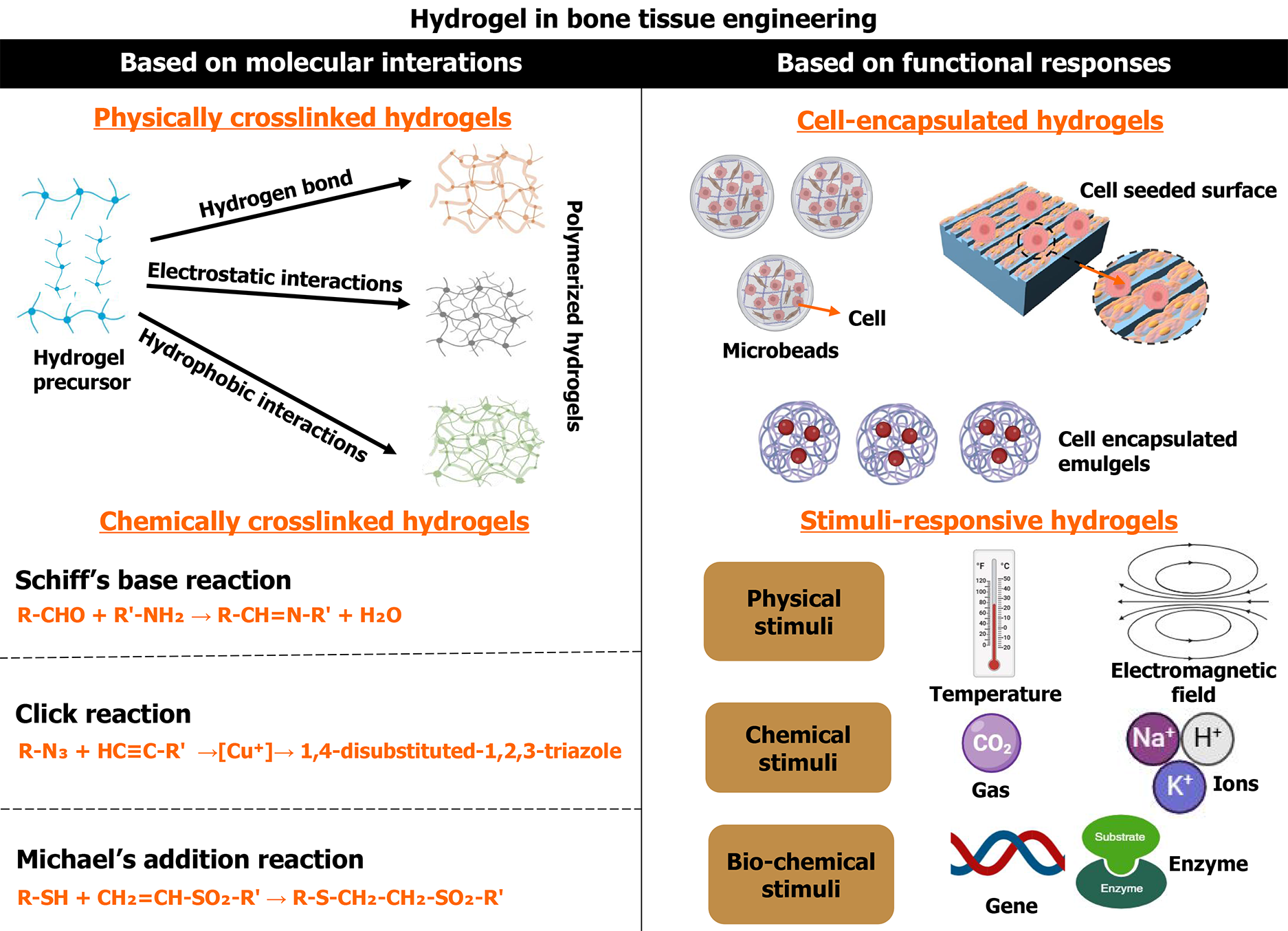
Figure 2 Classification of hydrogels in bone tissue engineering based on molecular bonding and function.
Physically crosslinked hydrogels rely on non-covalent interactions, while chemically crosslinked hydrogels form stable covalent bonds via Schiff base formation, click chemistry, or Michael’s addition. Functional categorization includes cell-encapsulated hydrogels, which provide biomimetic microenvironments for bone regeneration, and stimuli-responsive hydrogels, which dynamically adapt to external physical, chemical, and biochemical cues, enhancing regenerative capabilities.
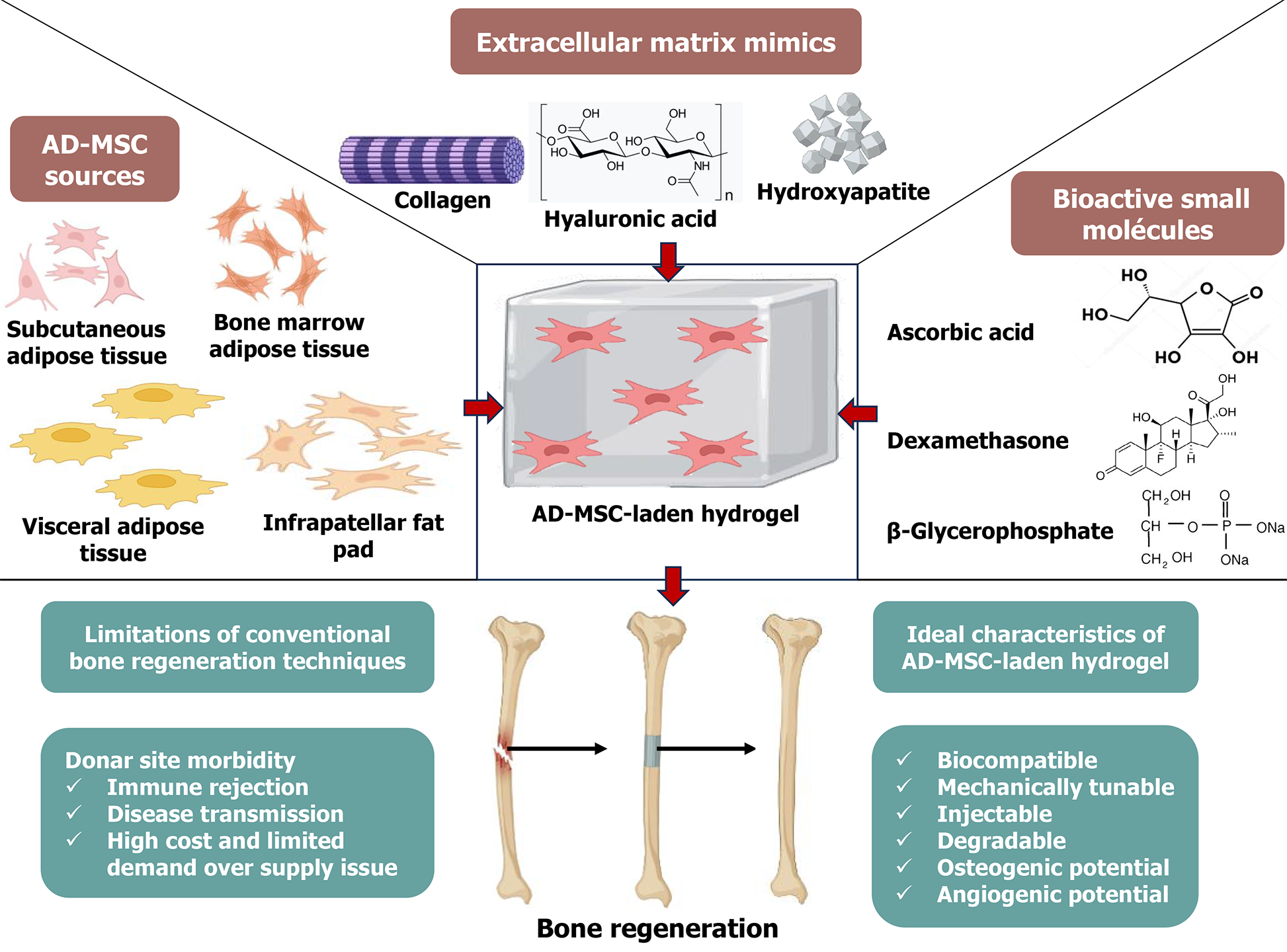
Figure 3 Schematic representation of adipose-derived mesenchymal stem cells-laden hydrogels for bone regeneration.
The hydrogel matrix incorporates extracellular matrix components, such as collagen, fibrin, and hyaluronic acid, along with bioactive molecules, such as ascorbic acid, dexamethasone, and β-glycerophosphate to enhance osteogenic differentiation. Various sources of adipose-derived mesenchymal stem cells, including subcutaneous adipose tissue, bone marrow adipose tissue, infrapatellar fat pad, and visceral adipose tissue, contribute to the regenerative potential. The combined effect of these components facilitates bone tissue regeneration by promoting osteogenic differentiation and extracellular matrix deposition. AD-MSC: Adipose-derived mesenchymal stem cells.
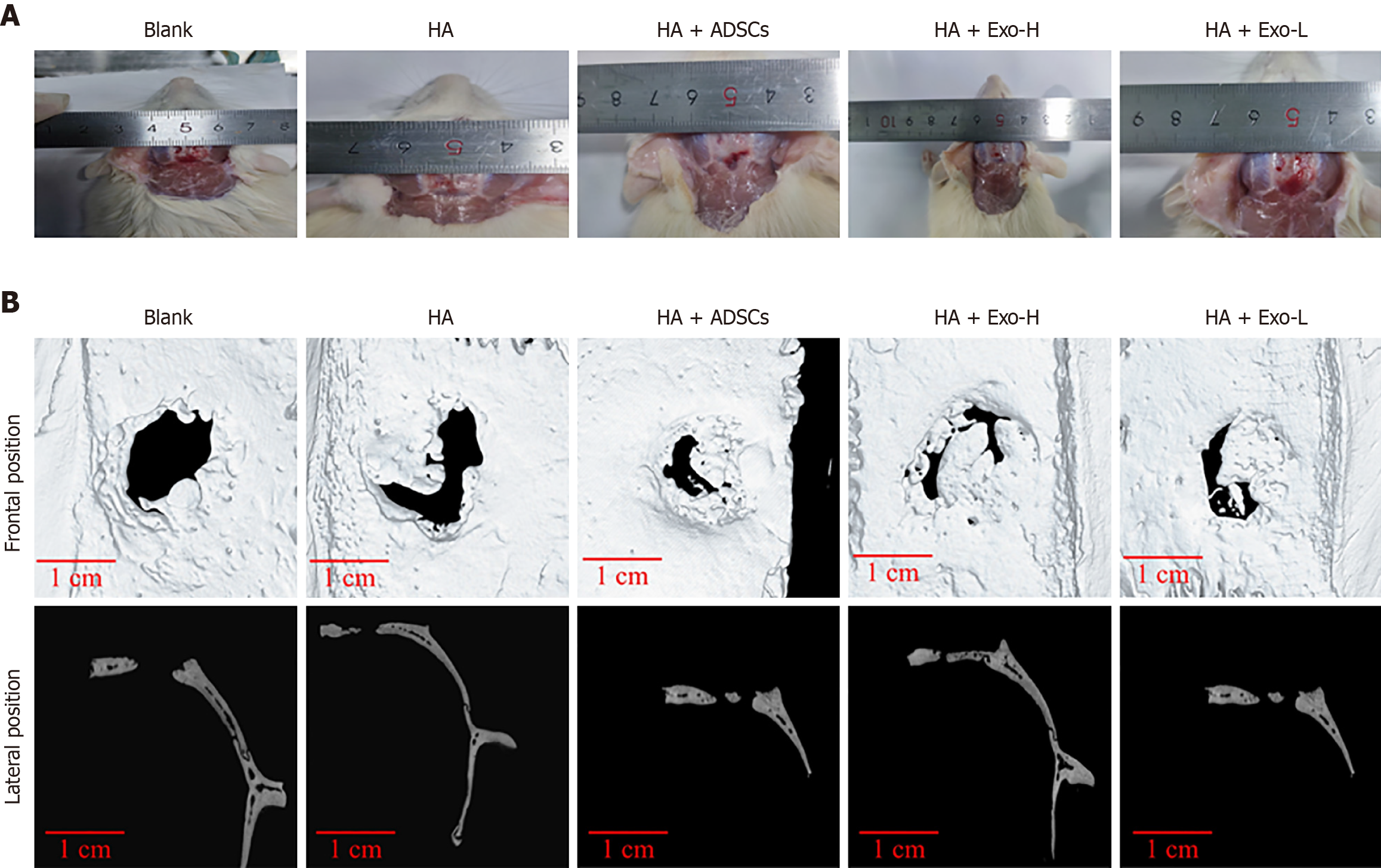
Figure 4 In vivo evaluation of ADSC-derived exosomes in cranial defect repair.
A: Effects of ADSC-derived exosomes on cranial defect regeneration. Effects of ADSC-derived exosomes on repairment of cranial defects and micro-computed tomography analysis results. The images of cranial defects in each group before collecting skull tissues; B: The three-dimensional reconstruction images of cranial defects in each group from the frontal and lateral positions[92]. Citation: Cao L, Sun K, Zeng R, Yang H. Adipose-derived stem cell exosomal miR-21-5p enhances angiogenesis in endothelial progenitor cells to promote bone repair via the NOTCH1/DLL4/VEGFA signaling pathway. J Transl Med 2024; 22: 1009. Copyright ©The Author(s) 2024. Published by Springer Nature.
- Citation: Suresh N, Lekhavadhani S, Selvamurugan N. Advances in polymer-based hydrogel systems for adipose-derived mesenchymal stem cells toward bone regeneration. World J Orthop 2026; 17(1): 113228
- URL: https://www.wjgnet.com/2218-5836/full/v17/i1/113228.htm
- DOI: https://dx.doi.org/10.5312/wjo.v17.i1.113228