
















©The Author(s) 2025.
World J Orthop. Dec 18, 2025; 16(12): 112998
Published online Dec 18, 2025. doi: 10.5312/wjo.v16.i12.112998
Published online Dec 18, 2025. doi: 10.5312/wjo.v16.i12.112998
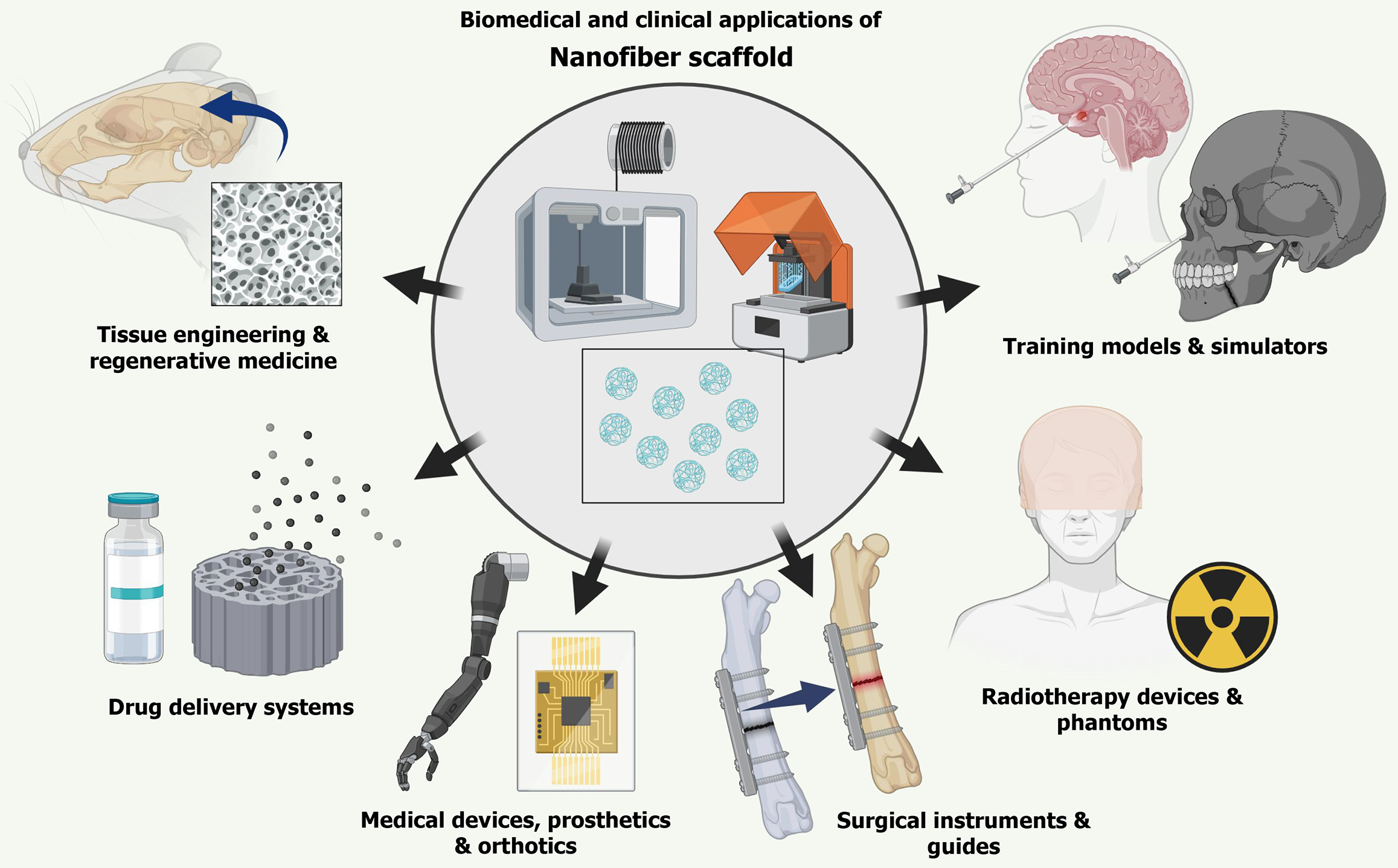
Figure 1 Biomedical and clinical application of nanofiber scaffold.
With three-dimensional printing, electrospinning and other technologies as the core preparation process, nanofiber scaffolds radiate in many fields: Constructing bionic microenvironment in tissue engineering and regenerative medicine to repair defects. As a drug delivery system, accurate drug delivery; empower medical devices, prostheses and orthotics to achieve functional adaptation; power-assisted surgical instruments and guide plates to improve operating accuracy; used for radiotherapy equipment and phantom to optimize radiotherapy scheme; training models and simulators can also be developed to assist medical teaching and training, showing its multiple values in biomedical clinical scenes in an all-round way and providing material support for cross-disciplinary medical innovation.
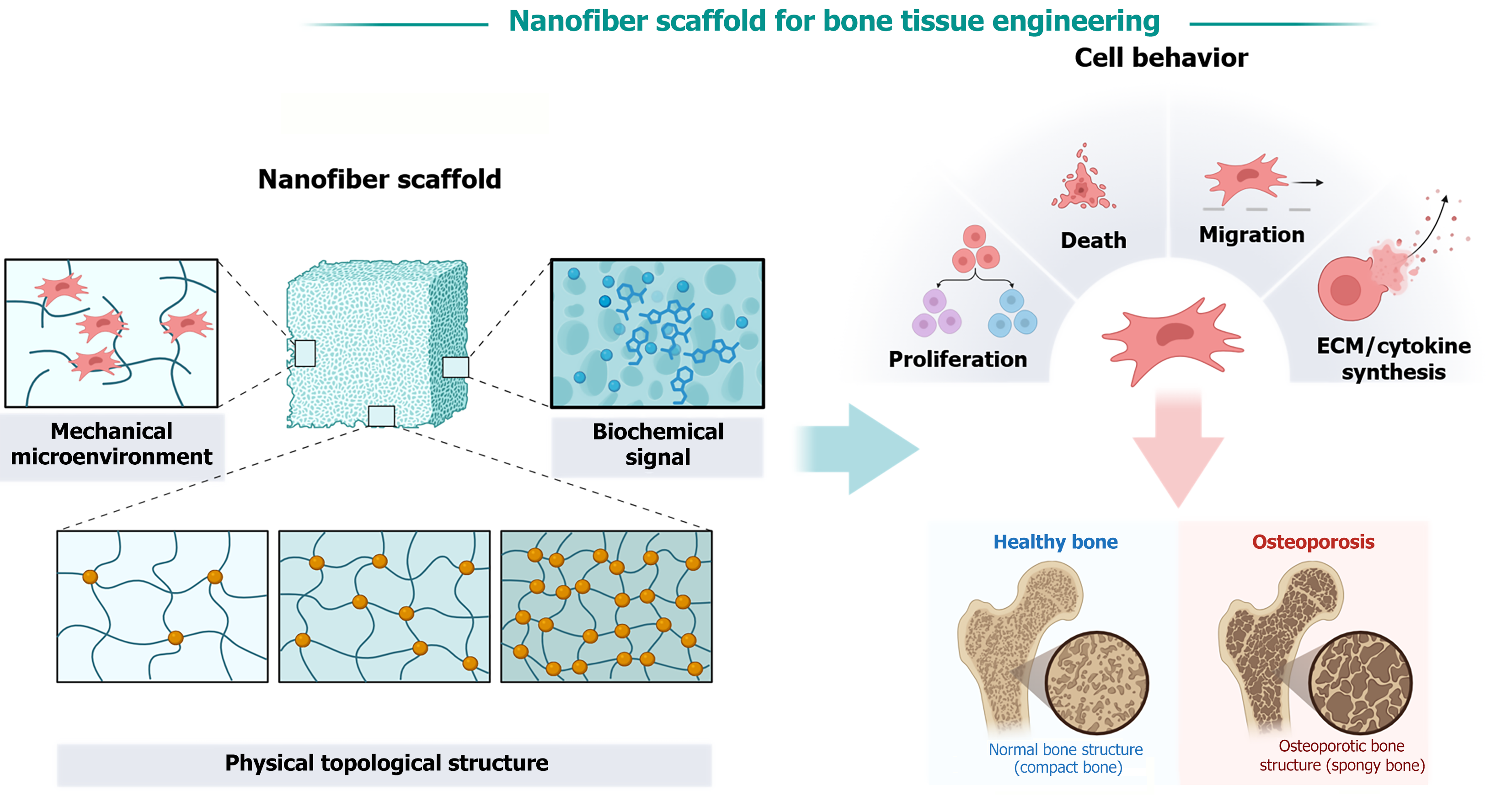
Figure 2 Triple synergistic regulation of nanofiber scaffold for bone tissue engineering.
Nanofiber scaffolds precisely regulate bone regeneration through three synergistic mechanisms: Scaffolds construct bionic microenvironment from physical topological structure (fiber network and other characteristics), biochemical signals (bearing functional factors) and mechanical microenvironment (adaptive mechanical properties), and finally achieve bone defect repair, osteoporosis reversal and functional bone tissue reconstruction by inhibiting cell death, promoting migration and proliferation and optimizing extracellular matrix/cytokine synthesis. ECM: Extracellular matrix.
- Citation: Wen RM, Wang HX, Liu ZJ, Duan ZQ. Nanofiber scaffold for bone tissue engineering: Mechanism, challenge and future prospect. World J Orthop 2025; 16(12): 112998
- URL: https://www.wjgnet.com/2218-5836/full/v16/i12/112998.htm
- DOI: https://dx.doi.org/10.5312/wjo.v16.i12.112998