
















©The Author(s) 2025.
World J Orthop. Dec 18, 2025; 16(12): 110291
Published online Dec 18, 2025. doi: 10.5312/wjo.v16.i12.110291
Published online Dec 18, 2025. doi: 10.5312/wjo.v16.i12.110291
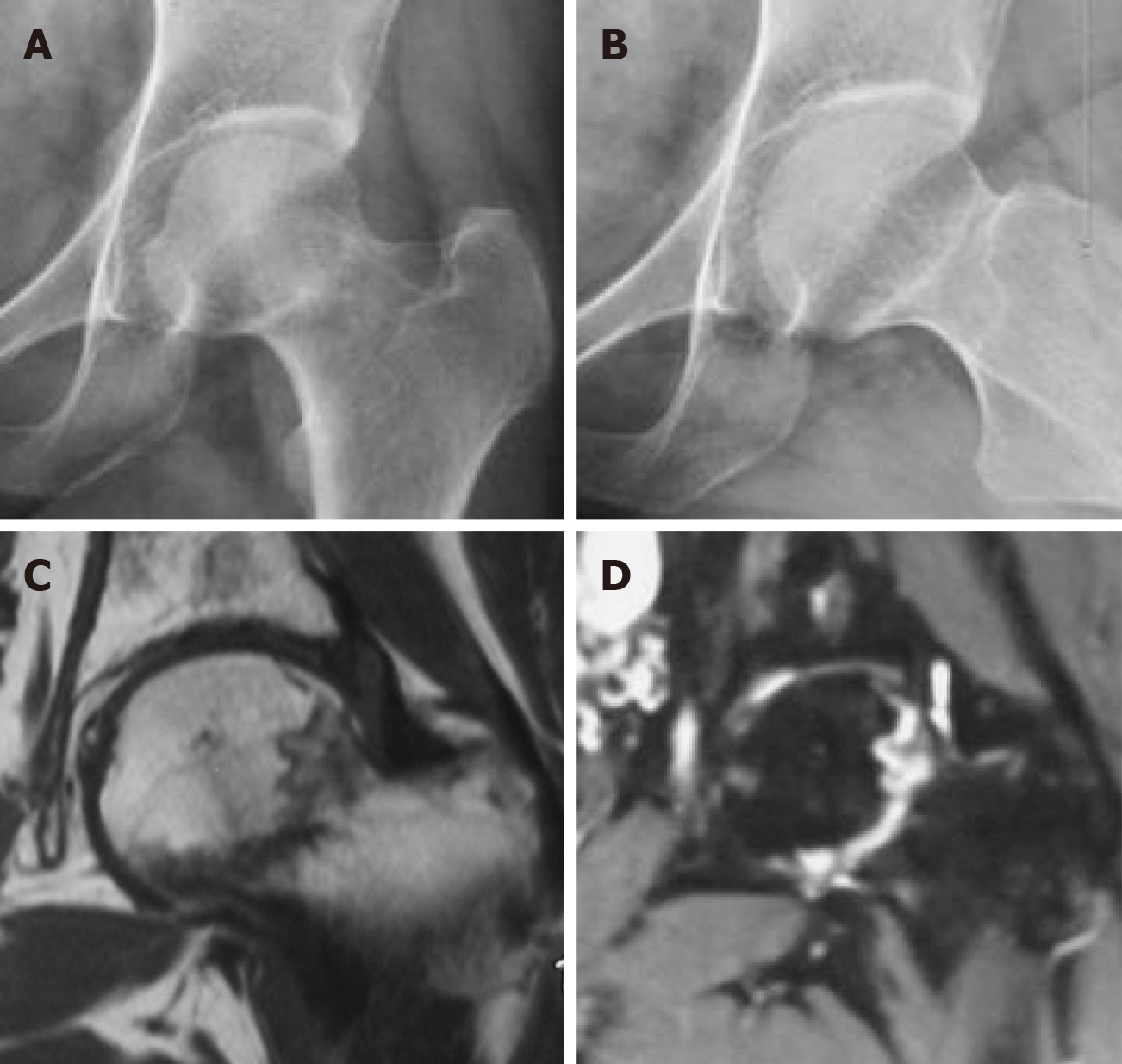
Figure 1 A 38-year-old woman presented at the hospital with left hip pain lasting for 3 months.
She had a history of treatment with glucocorticoids for systemic lupus erythematosus. Based on the initial X-ray and magnetic resonance imaging, she was diagnosed with steroid-induced osteonecrosis of the femoral head. Conservative hip-preserving treatment was administered. A and B: X-Ray: The density within the left femoral head is uneven, with a clearly visible sclerotic zone. The joint alignment remains normal, and there are no significant changes in the joint space; C and D: Magnetic resonance imaging: No obvious collapse of the femoral head is observed. The left femoral head exhibits patchy and linear signal abnormalities, with low signal intensity on T1W1 and slightly high and low signal intensity on T2W2.
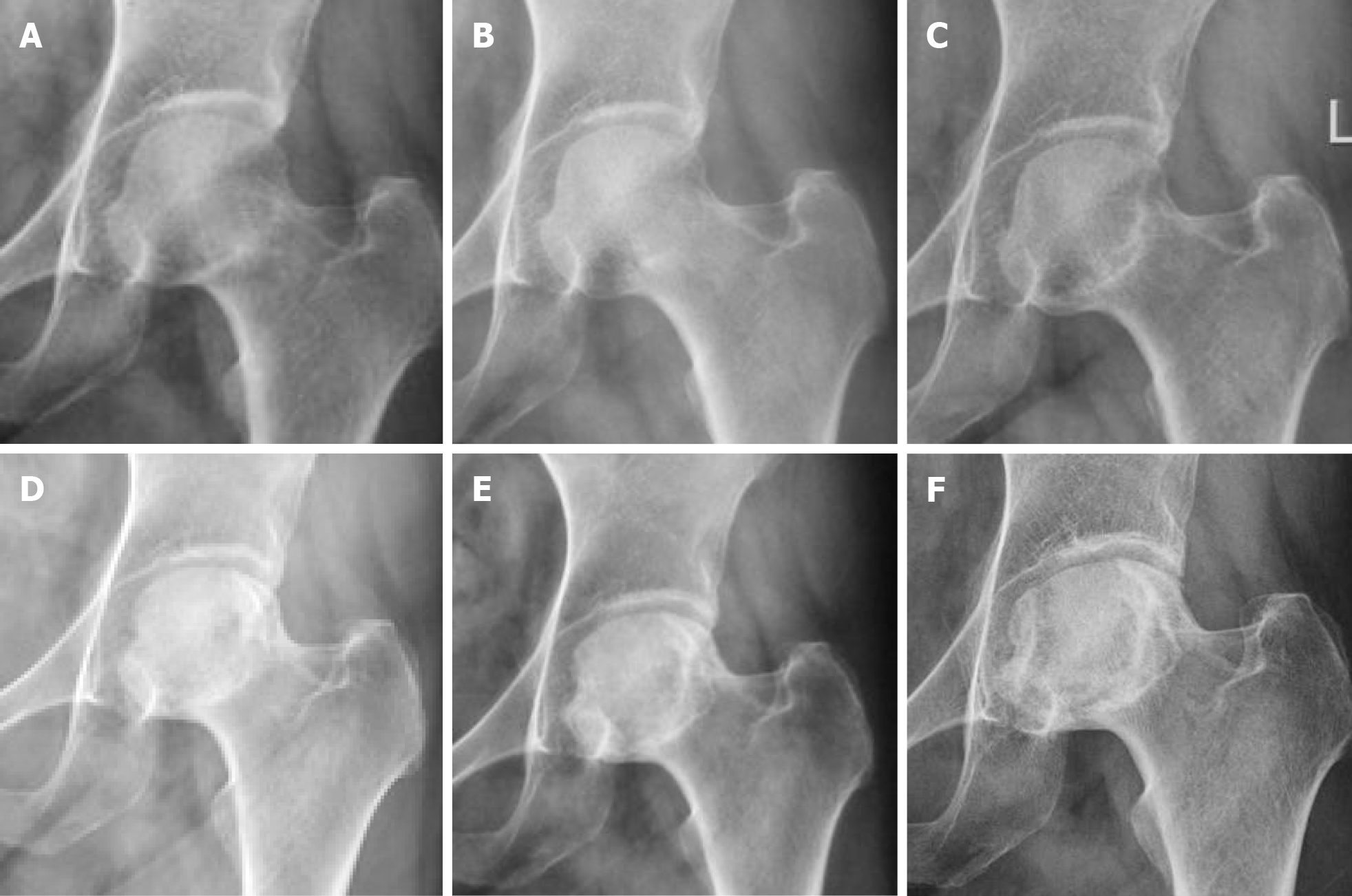
Figure 2 Left hip joint anterior-posterior X-ray.
A: Left hip pain for 3 months (initial visit); B: At 16 months; C: At 3.5 years; D: At 5 years; E: At 6.5 years; F: At 10 years.
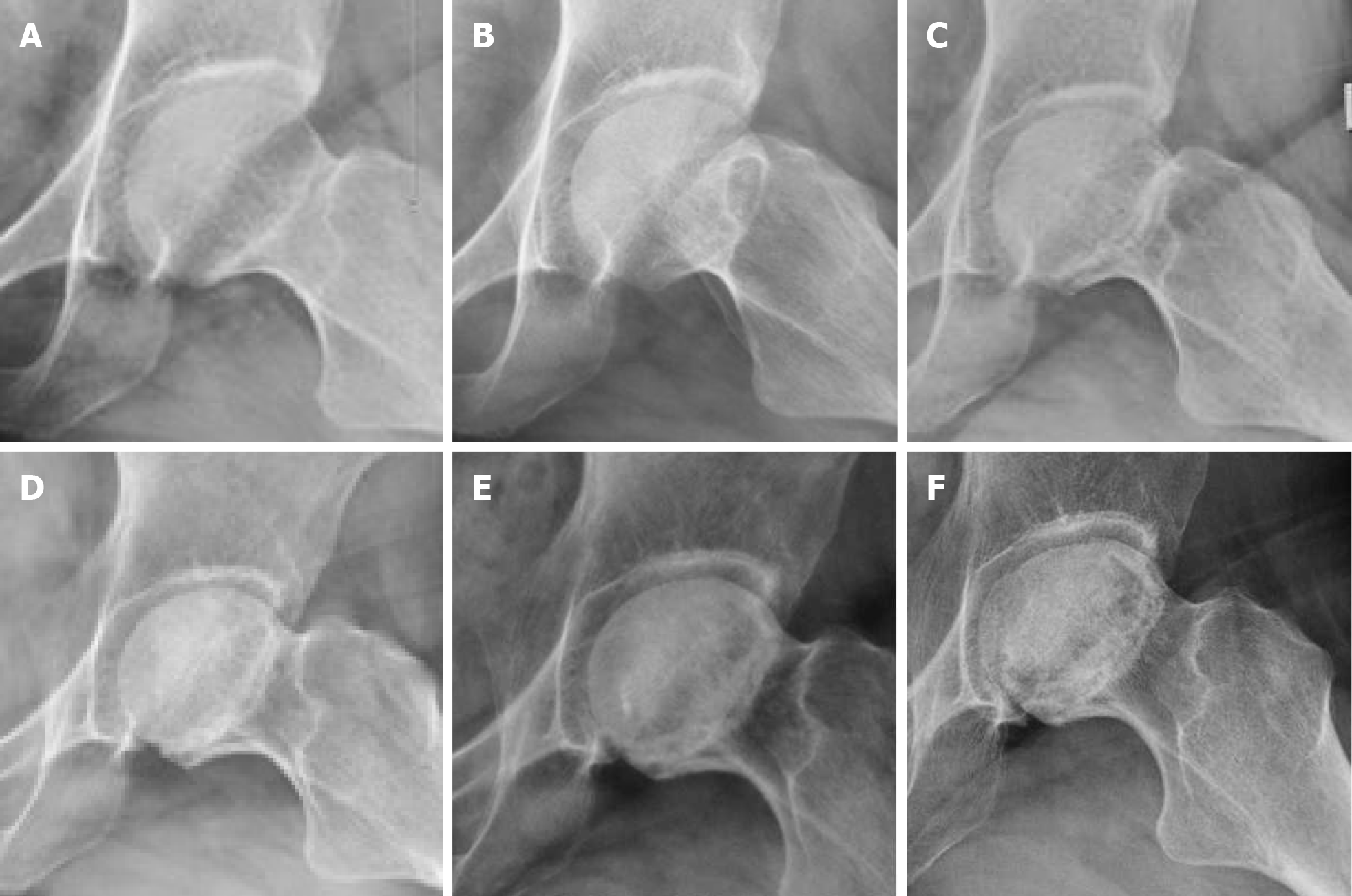
Figure 3 Left hip joint frog-position X-ray.
A: Left hip pain for 3 months (initial visit); B: At 16 months; C: At 3.5 years; D: At 5 years; E: At 6.5 years; F: At 10 years.
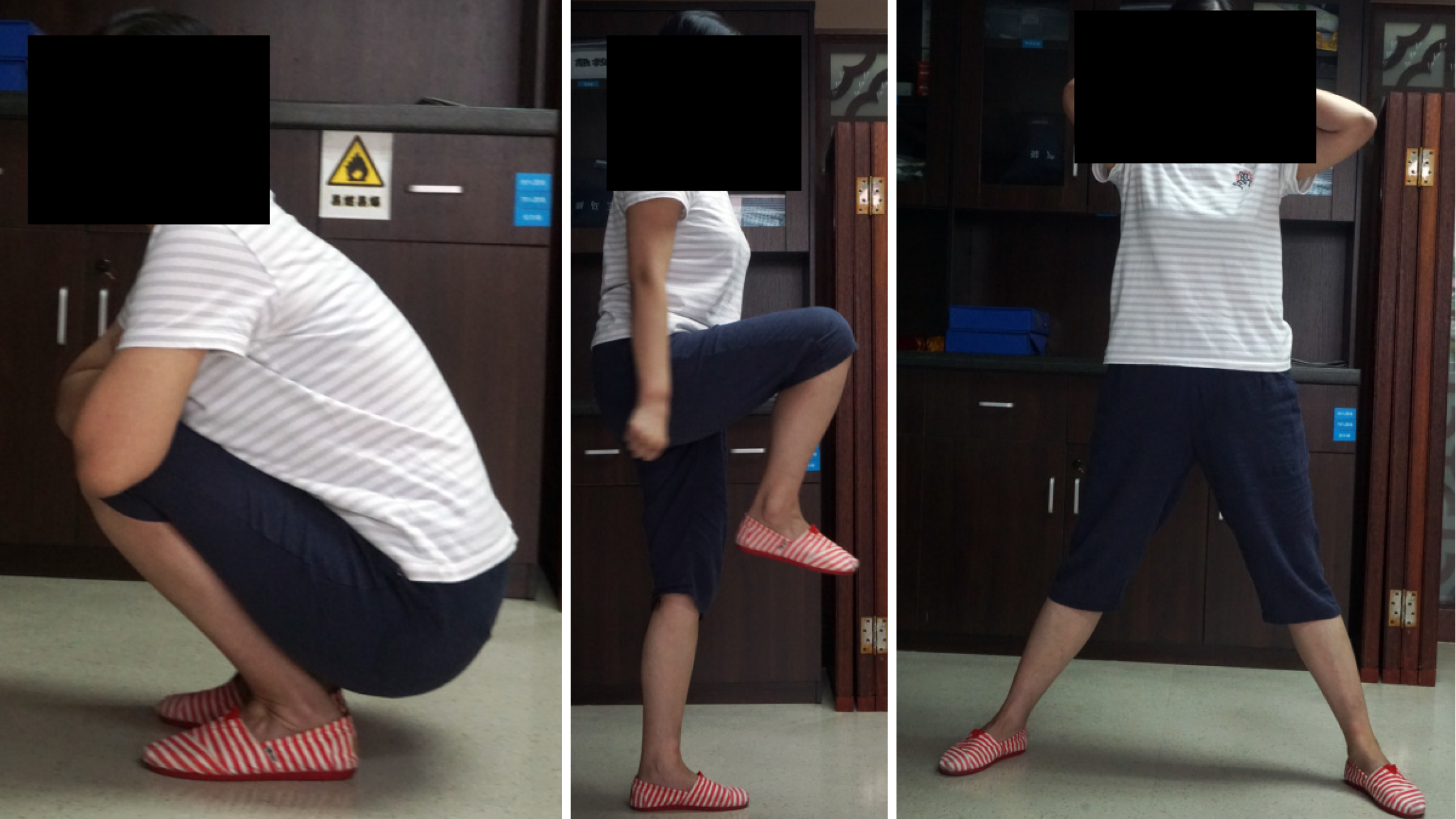
Figure 4
At the last follow-up, the patient’s left hip joint function had good flexion and extension, with limited abduction but no significant pain.
- Citation: Chen WH, Zhuang C, Guo WJ, Guo WX, He W, Pan Y. Outcomes of the conservative hip preservation treatment in patients with osteonecrosis of the femoral head: With 4-year follow-up. World J Orthop 2025; 16(12): 110291
- URL: https://www.wjgnet.com/2218-5836/full/v16/i12/110291.htm
- DOI: https://dx.doi.org/10.5312/wjo.v16.i12.110291