
















Copyright: ©Author(s) 2026.
World J Clin Oncol. Jul 24, 2026; 17(7): 121645
Published online Jul 24, 2026. doi: 10.5306/wjco.121645
Published online Jul 24, 2026. doi: 10.5306/wjco.121645
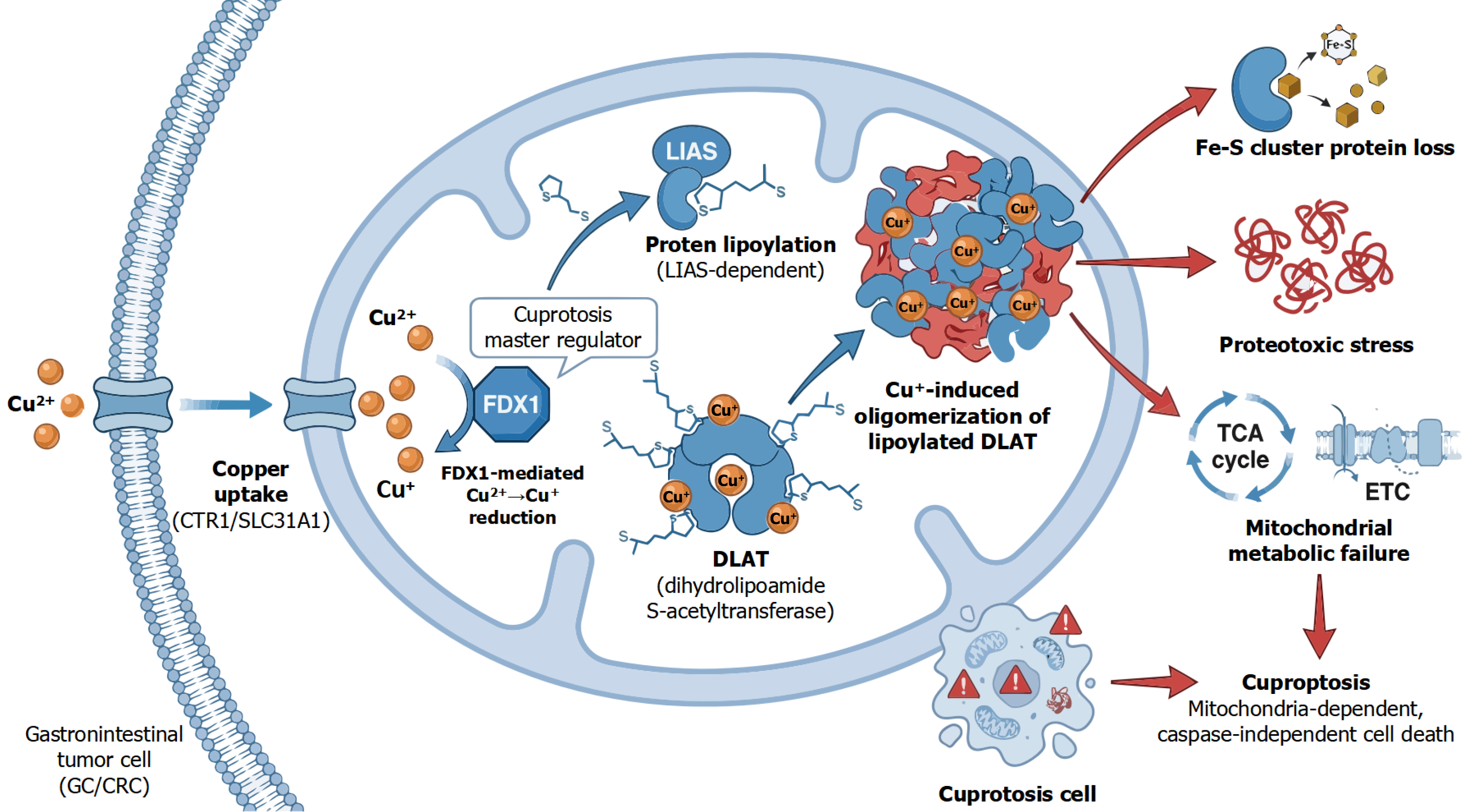
Figure 1 Central molecular mechanism of cuproptosis and mitochondrial protein lipoylation.
Cuproptosis in gastrointestinal tumor cells is driven by mitochondrial copper accumulation and protein lipoylation. Cu2+ enters cells through copper transporters such as copper transporters/solute carrier family 31 member 1 and is reduced to Cu+ by ferredoxin 1 within mitochondria. Cu+ subsequently binds to lipoylated dihydrolipoamide S-acetyltransferase, inducing its oligomerization, Fe-S cluster protein loss, proteotoxic stress, and mitochondrial metabolic collapse, ultimately triggering caspase-independent cuproptotic cell death. CTR1: Copper transporters; SLC31A1: Solute carrier family 31 member 1; GC: Gastric cancer; CRC: Colorectal cancer; LIAS: Lipoic acid synthase; FDX1: Ferredoxin 1; DLAT: Dihydrolipoamide S-acetyltransferase; TCA: Tricarboxylic acid cycle; ETC: Electron transport chain.
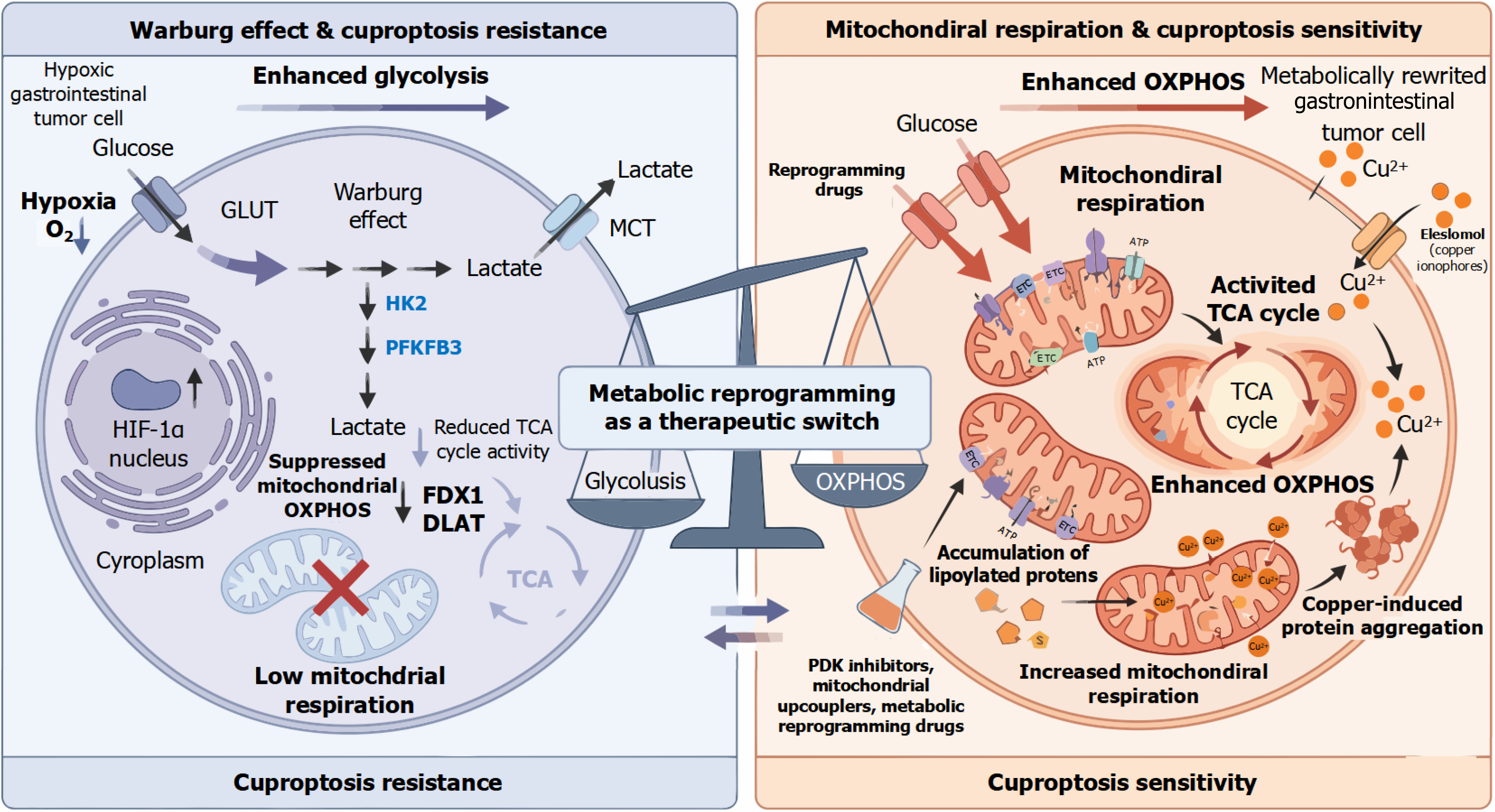
Figure 2 Metabolic reprogramming determines cuproptosis sensitivity.
The Warburg phenotype promotes glycolysis, suppresses mitochondrial oxidative phosphorylation and the tricarboxylic acid cycle, and reduces ferredoxin 1/dihydrolipoamide S-acetyltransferase -dependent cuproptosis sensitivity. In contrast, metabolic rewiring by pyruvate dehydrogenase kinase inhibition, mitochondrial activation, or related interventions restores tricarboxylic acid cycle/oxidative phosphorylation activity and increases lipoylated protein accumulation. Under this respiratory state, copper ionophores such as elesclomol enhance copper toxicity and resensitize gastrointestinal tumor cells to cuproptosis. GLUT: Glucose transporter; HIF: Hypoxia-inducible factor; MCT: Monocarboxylate transporter; HK2: Hexokinase 2; PFKFB3: 6-Phosphofructo-2-kinase/fructose-2,6-bisphosphatase 3; TCA: Tricarboxylic acid cycle; OXPHOS: Oxidative phosphorylation; FDX1: Ferredoxin 1; DLAT: Dihydrolipoamide S-acetyltransferase; ATP: Adenosine triphosphate; ETC: Electron transport chain; PDK: Pyruvate dehydrogenase kinase.
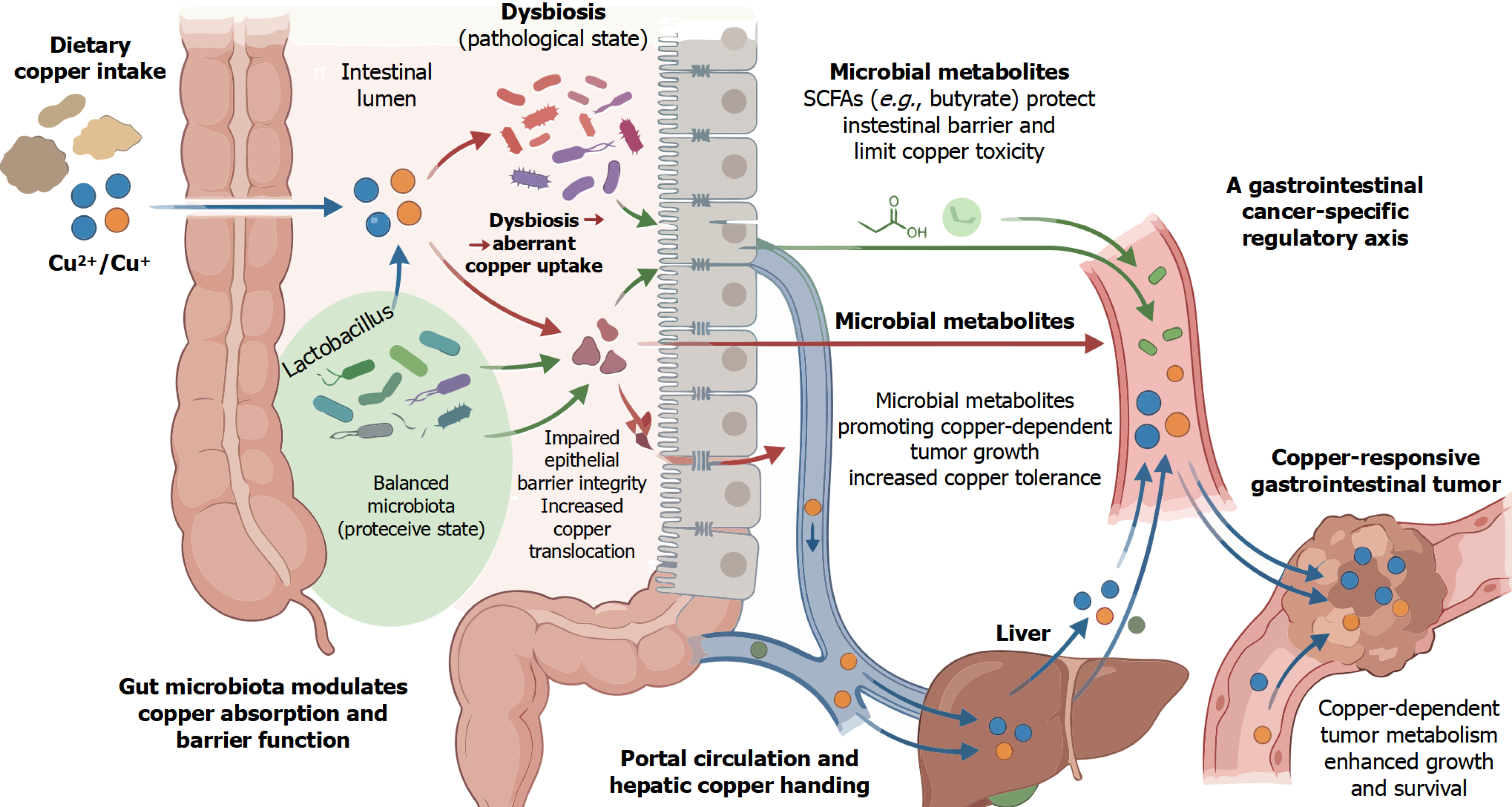
Figure 3 Dietary copper-gut microbiota-tumor axis in gastrointestinal cancer.
Dietary copper, gut microbiota, and microbial metabolites may influence copper availability, epithelial barrier integrity, inflammatory toxicity, and tumor-related metabolic states in gastrointestinal cancer. Dysbiosis may disrupt intestinal barrier function and alter copper handling, whereas protective metabolites such as short-chain fatty acids may help preserve barrier integrity and limit systemic copper toxicity. SCFA: Short-chain fatty acid.
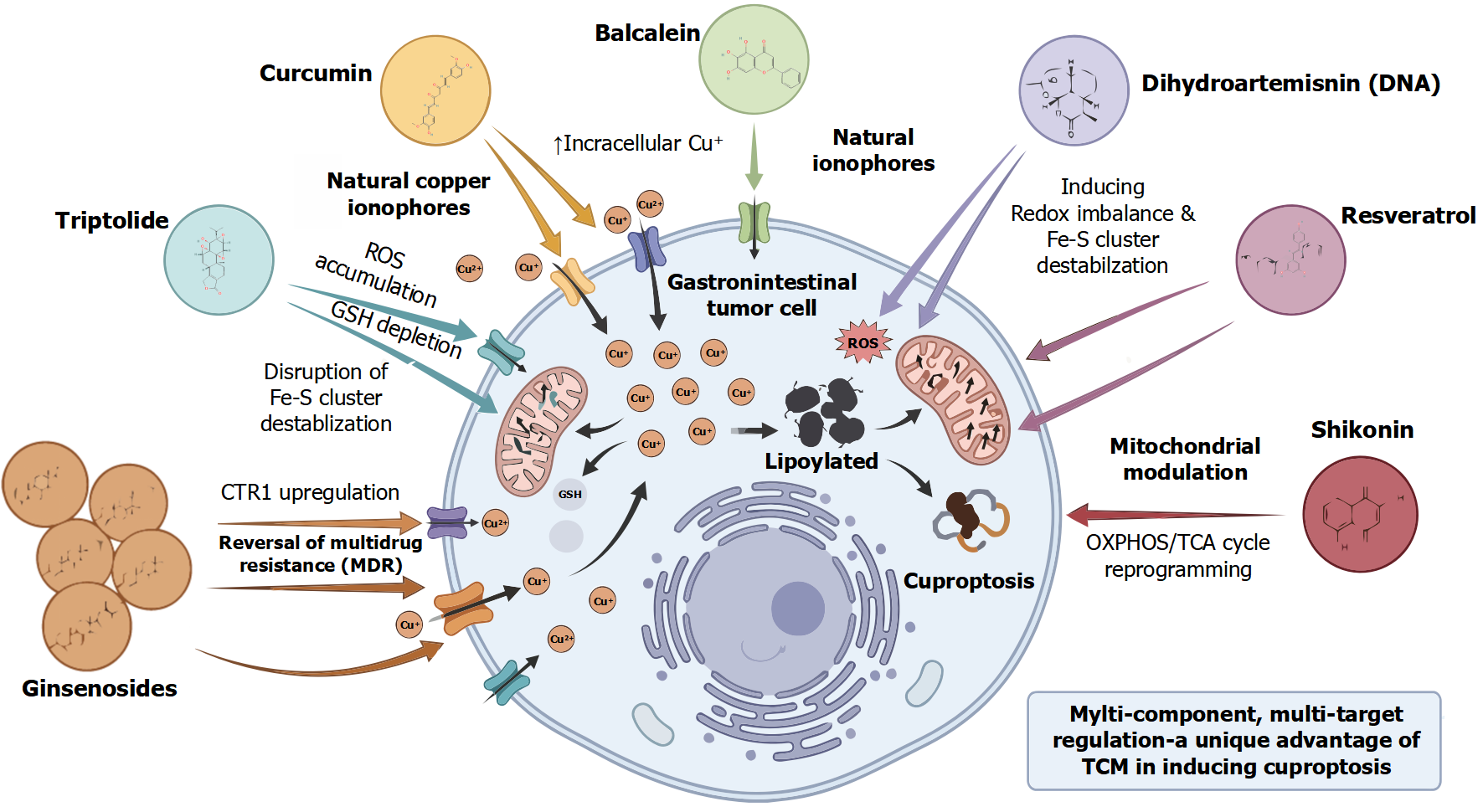
Figure 4 Multi-target regulation of cuproptosis by traditional Chinese medicine and natural products.
Traditional Chinese medicine-derived compounds and natural products may modulate cuproptosis-related vulnerability through copper binding or transport, mitochondrial metabolic remodeling, reactive oxygen species accumulation, glutathione depletion, and Fe-S cluster destabilization. Representative agents illustrate the multi-component and multi-target potential of natural products in copper-dependent cancer therapy, although direct evidence for canonical cuproptosis remains context-dependent. ROS: Reactive oxygen species; GSH: Glutathione; CTR1: Copper transporter 1; MDR: Multi-drug resistance; DNA: Deoxyribonucleic acid; TCA: Tricarboxylic acid cycle; OXPHOS: Oxidative phosphorylation; TCM: Traditional Chinese medicine.
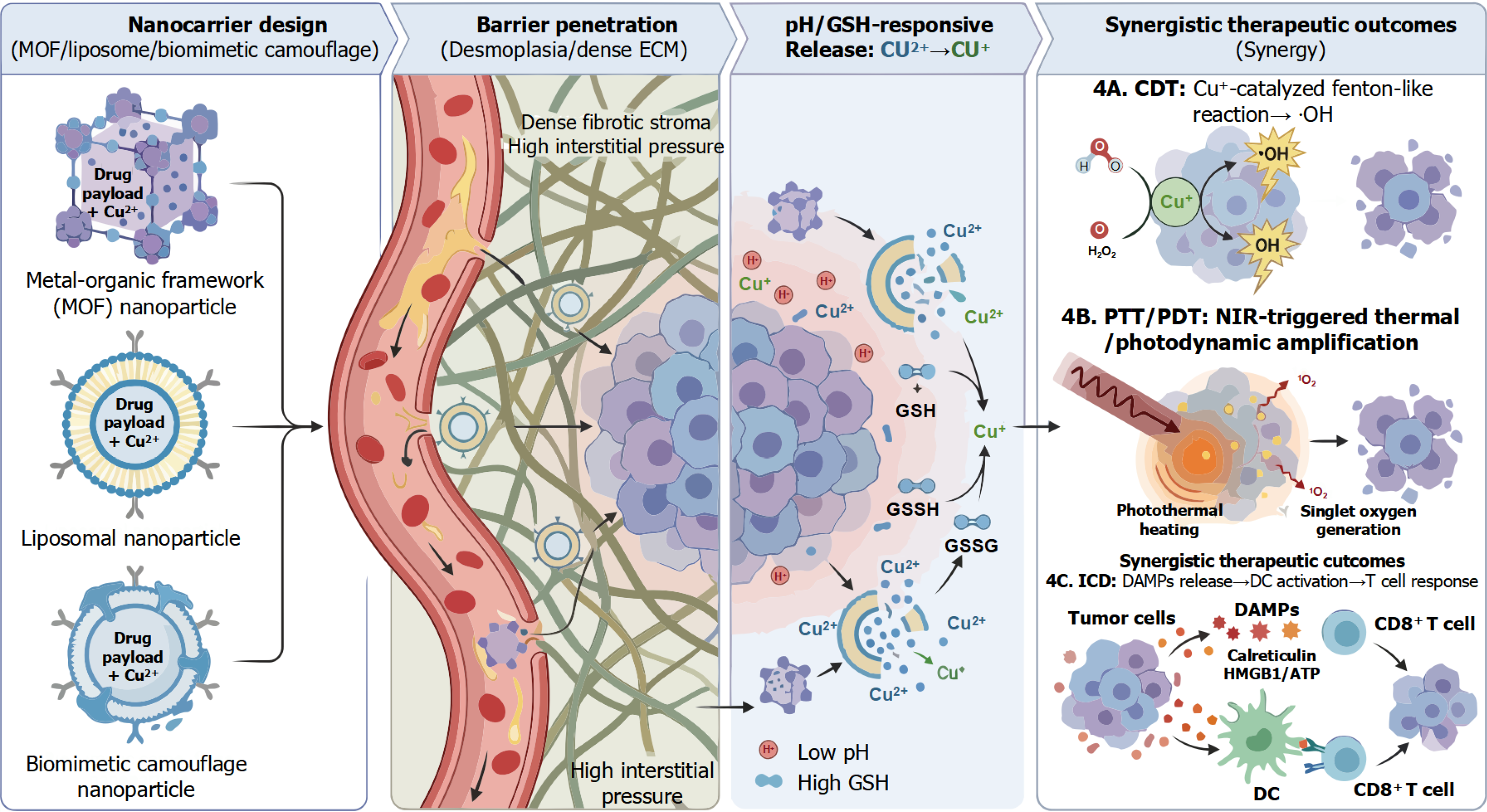
Figure 5 Smart nanomedicine strategies for synergistic cuproptosis therapy.
Engineered nanocarriers, including metal-organic frameworks, liposomes, and biomimetic platforms, enable tumor-targeted Cu2+ delivery and controlled Cu+ release in acidic and glutathione-rich tumor microenvironments. Local copper accumulation may promote cuproptosis-related cytotoxicity and synergize with chemodynamic, photothermal, photodynamic, and immune-activating strategies by enhancing mitochondrial damage and oxidative stress. MOF: Metal-organic framework; ECM: Extracellular matrix; GSH: Glutathione; GSSH: Glutathione thiol; GSSG: Glutathione disulfide; CDT: Chemodynamic therapy; PTT: Photothermal therapy; PDT: Photodynamic therapy; NIR: Near-infrared; ICD: Immunogenic cell death; DAMP: Damage-associated molecular pattern; DC: Dendritic cell; HMGB: High mobility group box protein; ATP: Adenosine triphosphate.
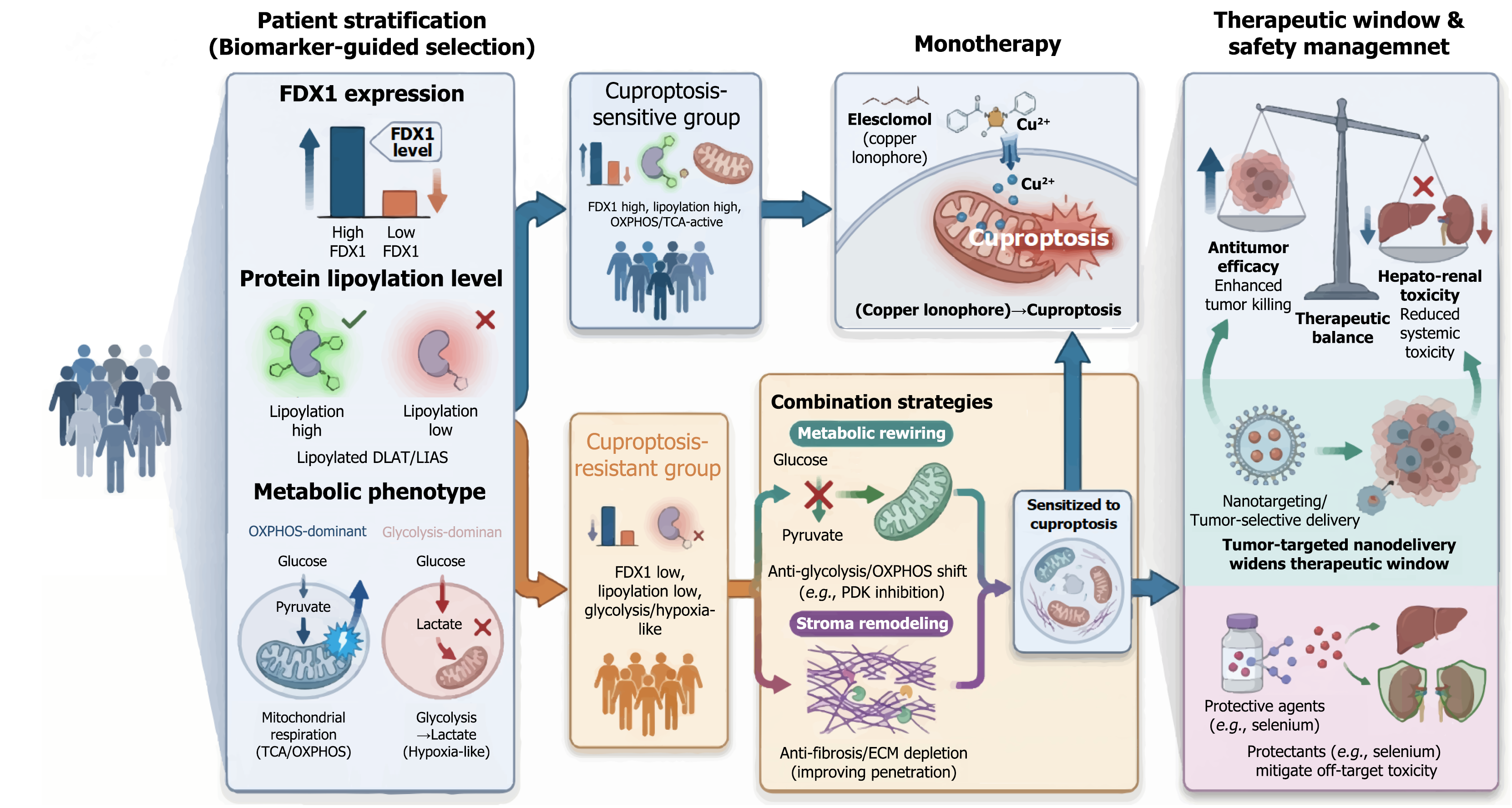
Figure 6 Clinical translation roadmap for precision cuproptosis-targeted therapy.
Precision cuproptosis therapy requires patient stratification according to ferredoxin 1 expression, protein lipoylation status, and metabolic phenotype. Tumors with high ferredoxin 1/Lipoylation and oxidative phosphorylation dependence may respond to copper ionophore-based therapy, whereas glycolytic or stromal-rich resistant tumors may require metabolic rewiring, stroma remodeling, or nanodelivery strategies. Protective agents such as selenium may further improve the therapeutic window by reducing off-target hepato-renal toxicity. FDX1: Ferredoxin 1; DLAT: Dihydrolipoamide S-acetyltransferase; LIAS: Lipoic acid synthase; TCA: Tricarboxylic acid cycle; OXPHOS: Oxidative phosphorylation; PDK: Pyruvate dehydrogenase kinase; ECM: Extracellular matrix.
- Citation: Sun ZJ, Wang K, Li JQ, Song LJ, Liang KN, Cao TL, Jiang HZ. Copper homeostasis imbalance and cuproptosis: Emerging targets and strategies for gastrointestinal tumor therapy. World J Clin Oncol 2026; 17(7): 121645
- URL: https://www.wjgnet.com/2218-4333/full/v17/i7/121645.htm
- DOI: https://dx.doi.org/10.5306/wjco.121645