
















Copyright: ©Author(s) 2026.
World J Clin Oncol. Jun 24, 2026; 17(6): 121085
Published online Jun 24, 2026. doi: 10.5306/wjco.121085
Published online Jun 24, 2026. doi: 10.5306/wjco.121085
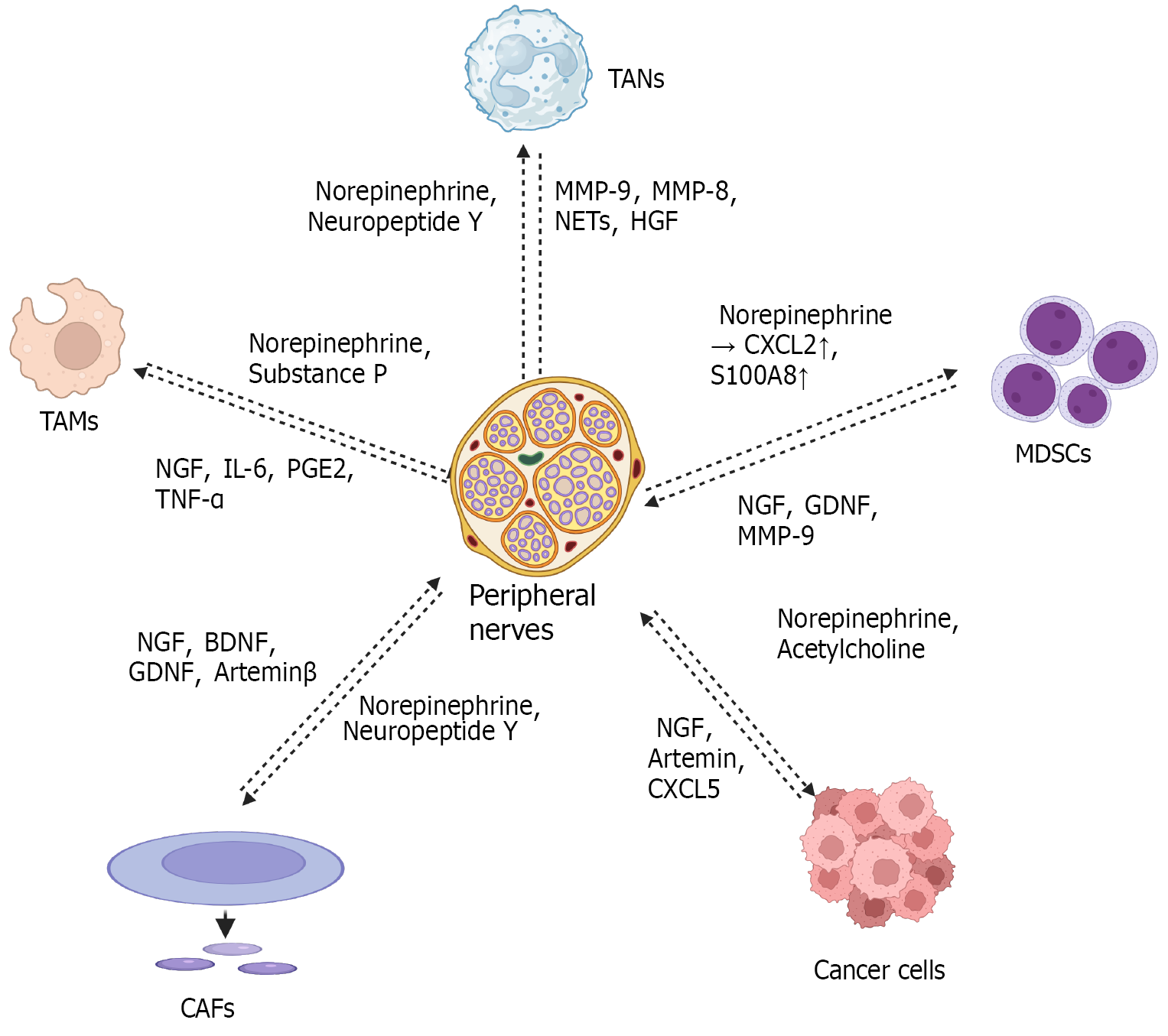
Figure 1 Bidirectional crosstalk between autonomic nerves and key cellular components of the perineural tumor microenvironment in pancreatic ductal adenocarcinoma.
Nerve terminals release norepinephrine, neuropeptides, and acetylcholine to modulate tumor-associated macrophages, tumor-associated neutrophils, myeloid-derived suppressor cells, cancer-associated fibroblasts, and cancer cells, collectively promoting immunosuppression, neural remodeling, and perineural invasion. Reciprocally, cellular compartments and associated Schwann cells secrete neurotrophic factors including nerve growth factor, brain-derived neurotrophic factor, glial cell line-derived neurotrophic factor, and artemin that sustain axonal sprouting and reinforce the pro-invasive perineural niche. TAMs: Tumor-associated macrophages; TANs: Tumor-associated neutrophils; MDSCs: Myeloid-derived suppressor cells; CAFs: Cancer-associated fibroblasts; NGF: Nerve growth factor; BDNF: Brain-derived neurotrophic factor; GDNF: Glial cell line-derived neurotrophic factor; MMP: Matrix metalloproteinase; NETs: Neutrophil extracellular traps; PGE2: Prostaglandin E2; TNF-α: Tumor necrosis factor-α.
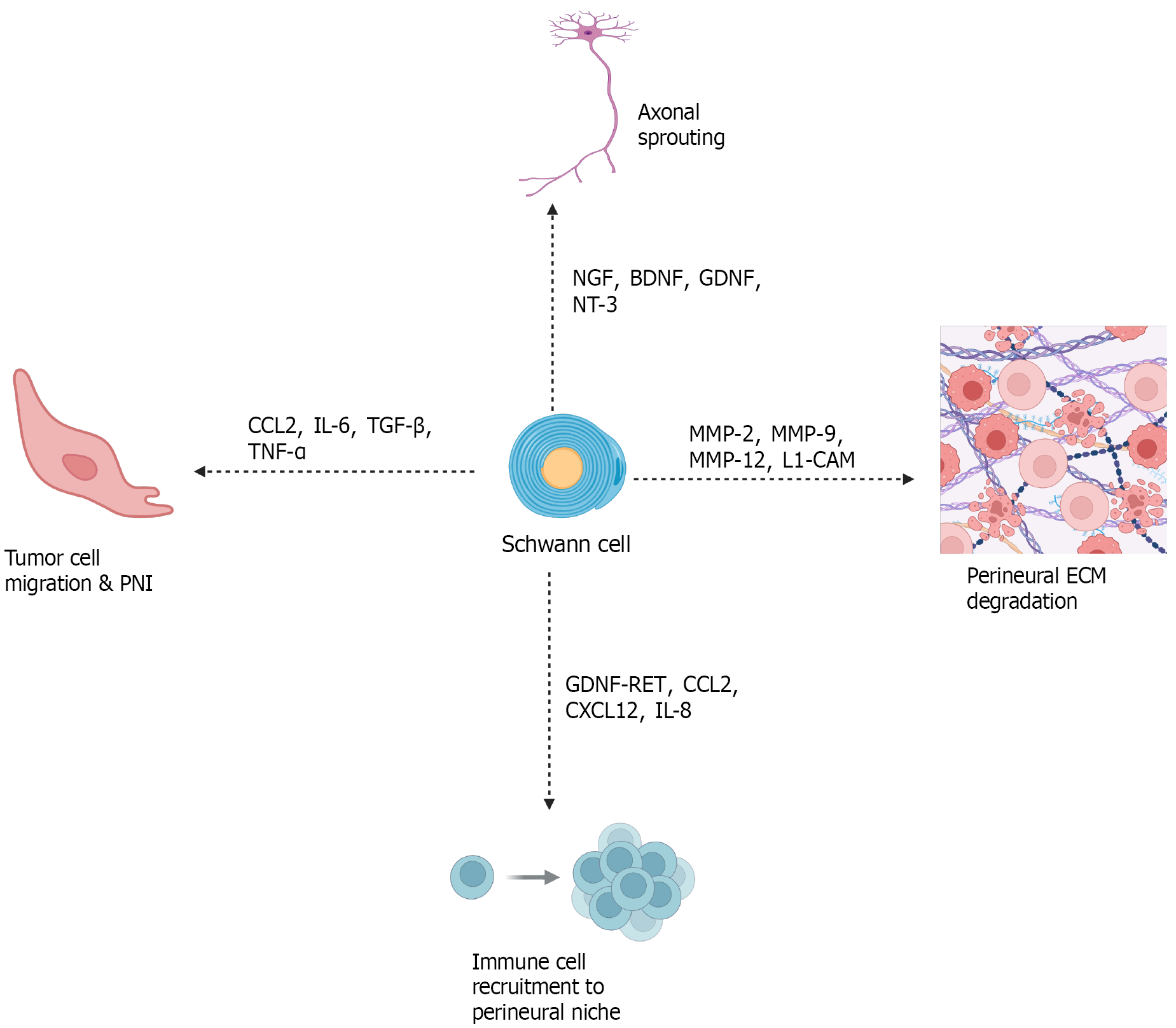
Figure 2 Activated Schwann cells serve as central orchestrators of perineural invasion in pancreatic ductal adenocarcinoma.
They secrete neurotrophins including nerve growth factor, brain-derived neurotrophic factor, and glial cell line-derived neurotrophic factor to drive neural remodeling, while matrix metalloproteinase-2, matrix metalloproteinase-9, and L1-cell adhesion molecule degrade the perineural extracellular matrix to facilitate tumor cell entry. Schwann cell-derived CCL2, CXCL12, and interleukin-6 further recruit immune cells and guide tumor cell migration along nerve trunks toward the celiac plexus. NGF: Nerve growth factor; BDNF: Brain-derived neurotrophic factor; GDNF: Glial cell line-derived neurotrophic factor; NT-3: Neurotrophin-3; IL: Interleukin; TGF-β: Transforming growth factor-β; TNF-α: Tumor necrosis factor-α; PNI: Perineural invasion; ECM: Extracellular matrix; MMP: Matrix metalloproteinase; CAM: Cell adhesion molecule.
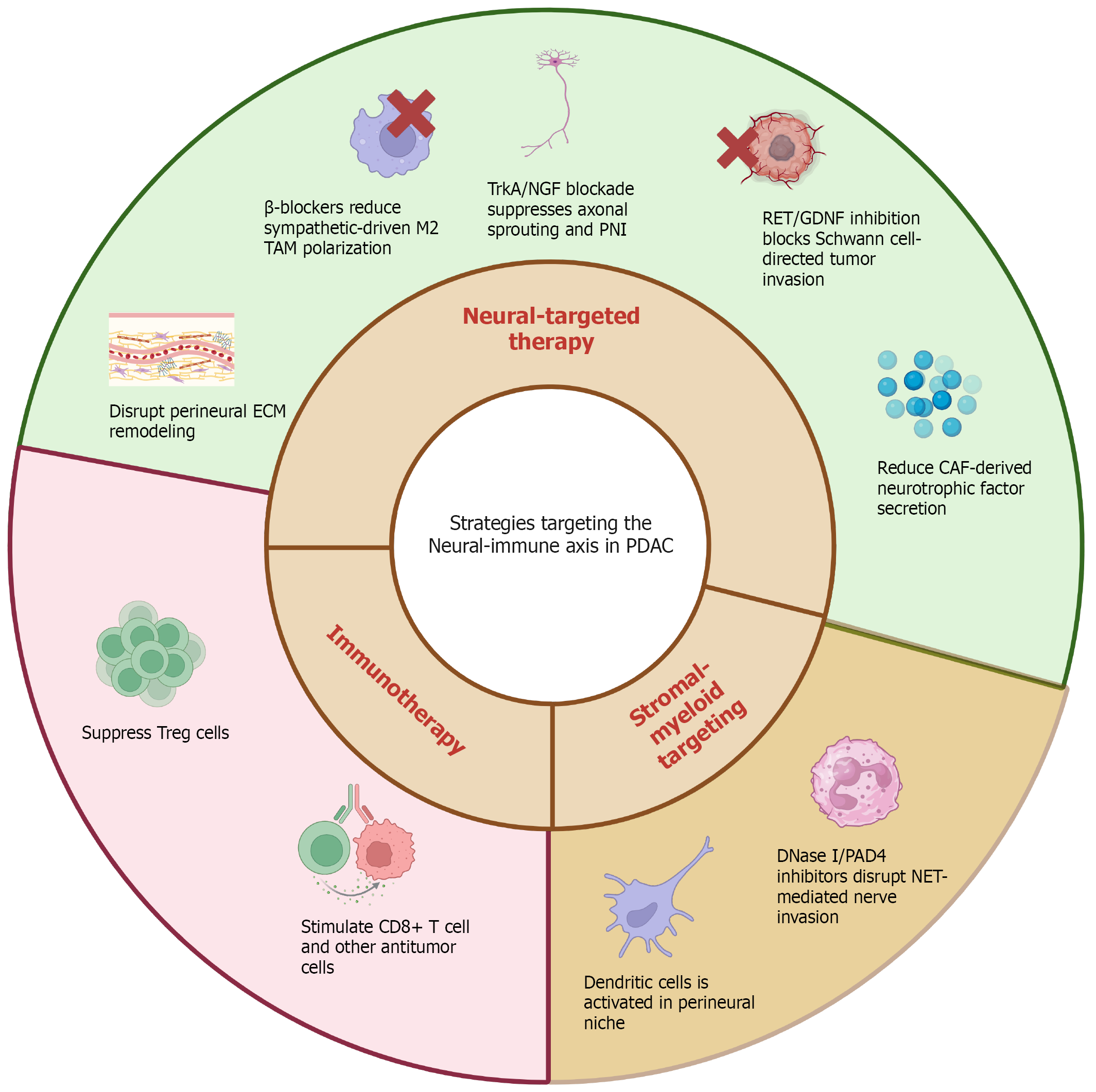
Figure 3 Schematic illustration of targeting the neural-immune axis in perineural invasion-positive pancreatic ductal adenocarcinoma.
Neural-targeted therapies including β-adrenergic blockade, tropomyosin receptor kinase A/nerve growth factor inhibition, and RET/glial cell line-derived neurotrophic factor inhibition suppress sympathetic-driven immunosuppression, axonal sprouting, and Schwann cell-directed tumor invasion. Combined stromal-myeloid targeting and immunotherapy disrupts the immunosuppressive perineural niche by depleting myeloid-derived suppressor cells and tumor-associated neutrophils, activating dendritic cell, and stimulating CD8+ T cells at the invasive neural front. TrkA: Tropomyosin receptor kinase A; NGF: Nerve growth factor; PNI: Perineural invasion; TAM: Tumor-associated macrophage; ECM: Extracellular matrix; GDNF: Glial cell line-derived neurotrophic factor; CAF: Cancer-associated fibroblast; PDAC: Pancreatic ductal adenocarcinoma.
- Citation: Sun S, Zhou RJ, Xiang SL, Zhang TT, Du JJ, Zhao HF, Xu YZ, Pan X, He XY, Zuo ZB. Prominent crosstalks between perineural invasion and immunosuppressive tumor microenvironment in pancreatic ductal adenocarcinoma. World J Clin Oncol 2026; 17(6): 121085
- URL: https://www.wjgnet.com/2218-4333/full/v17/i6/121085.htm
- DOI: https://dx.doi.org/10.5306/wjco.121085