
















Copyright: ©Author(s) 2026.
World J Gastrointest Pharmacol Ther. Jun 5, 2026; 17(2): 118616
Published online Jun 5, 2026. doi: 10.4292/wjgpt.v17.i2.118616
Published online Jun 5, 2026. doi: 10.4292/wjgpt.v17.i2.118616
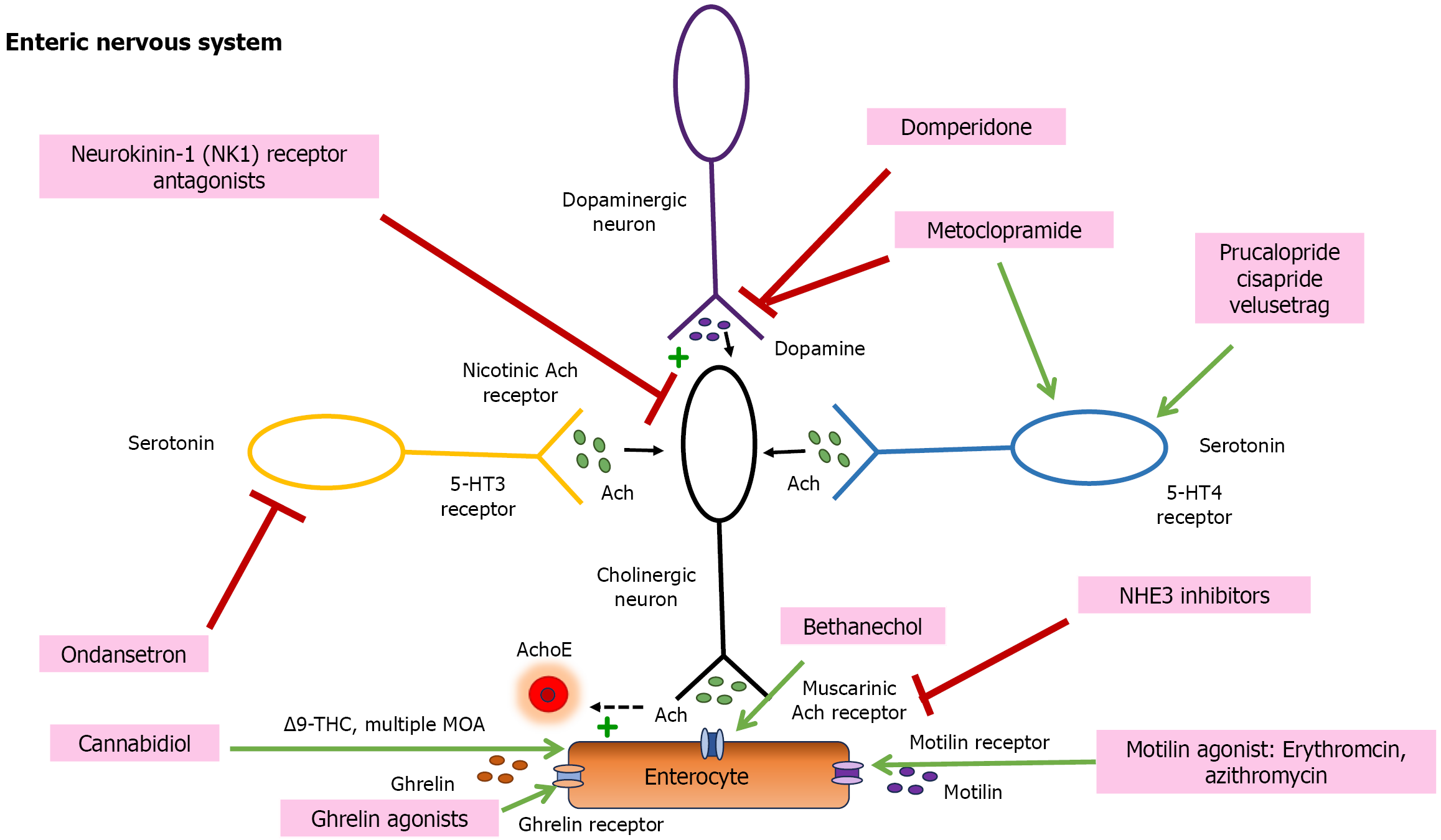
Figure 1 Enteric nervous system targets for prokinetic therapy.
Schematic showing key enteric neurotransmitter pathways regulating gastrointestinal motility. Dopamine inhibits acetylcholine release and is blocked by D2 antagonists (metoclopramide, domperidone), while serotonergic signaling via 5-hydroxytryptamine type 4 receptor agonists (prucalopride, cisapride, velusetrag) enhances cholinergic activity. Cholinergic, motilin, and ghrelin pathways, along with neurokinin-1 receptor antagonists, sodium-hydrogen exchanger 3 inhibitors, and cannabinoid signaling, collectively modulate enteric motor function. 5-HT3: 5-Hydroxytryptamine type 3 receptor; 5-HT4: 5-Hydroxytryptamine type 4 receptor; Ach: Acetylcholine; AChE: Acetylcholinesterase; MOA: Mechanism of action; NHE3: Sodium-hydrogen exchanger 3; NK1: Neurokinin-1 receptor; Δ9-THC: Delta-9-tetrahydrocannabinol.
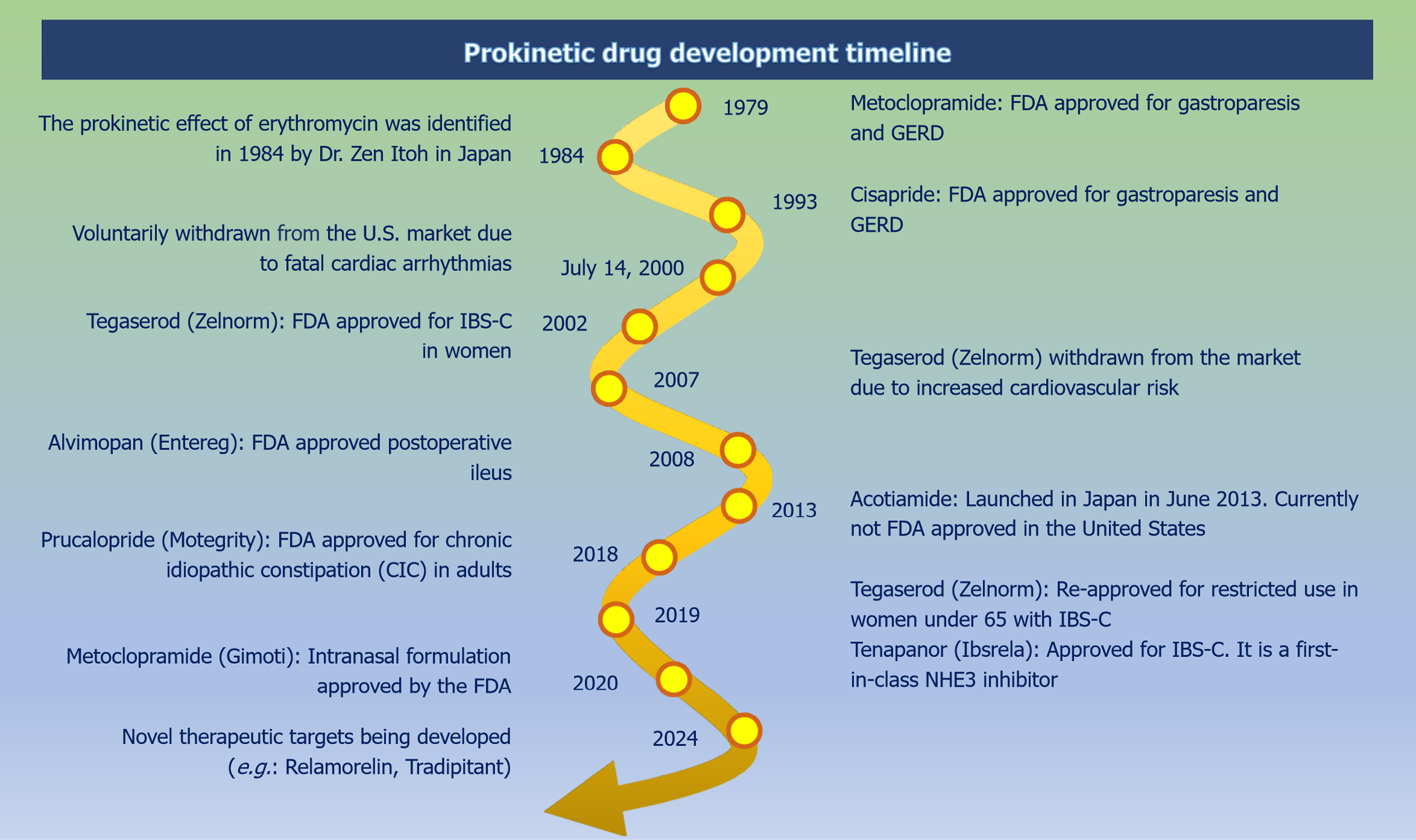
Figure 2 Timeline of prokinetic drug development.
Chronological overview of key milestones in the development of prokinetic agents, highlighting regulatory approvals, market withdrawals, re-approvals, and the emergence of novel therapeutic targets. The timeline traces progression from early agents such as metoclopramide and cisapride to newer therapies including 5-hydroxytryptamine type 4 agonists, sodium-hydrogen exchanger 3 inhibitors, motilin and ghrelin receptor agonists, illustrating evolving efficacy and safety considerations in gastrointestinal motility disorders. CIC: Chronic idiopathic constipation; FDA: Food and Drug Administration; GERD: Gastroesophageal reflux disease; IBS-C: Irritable bowel syndrome with constipation; NHE3: Sodium-hydrogen exchanger 3.
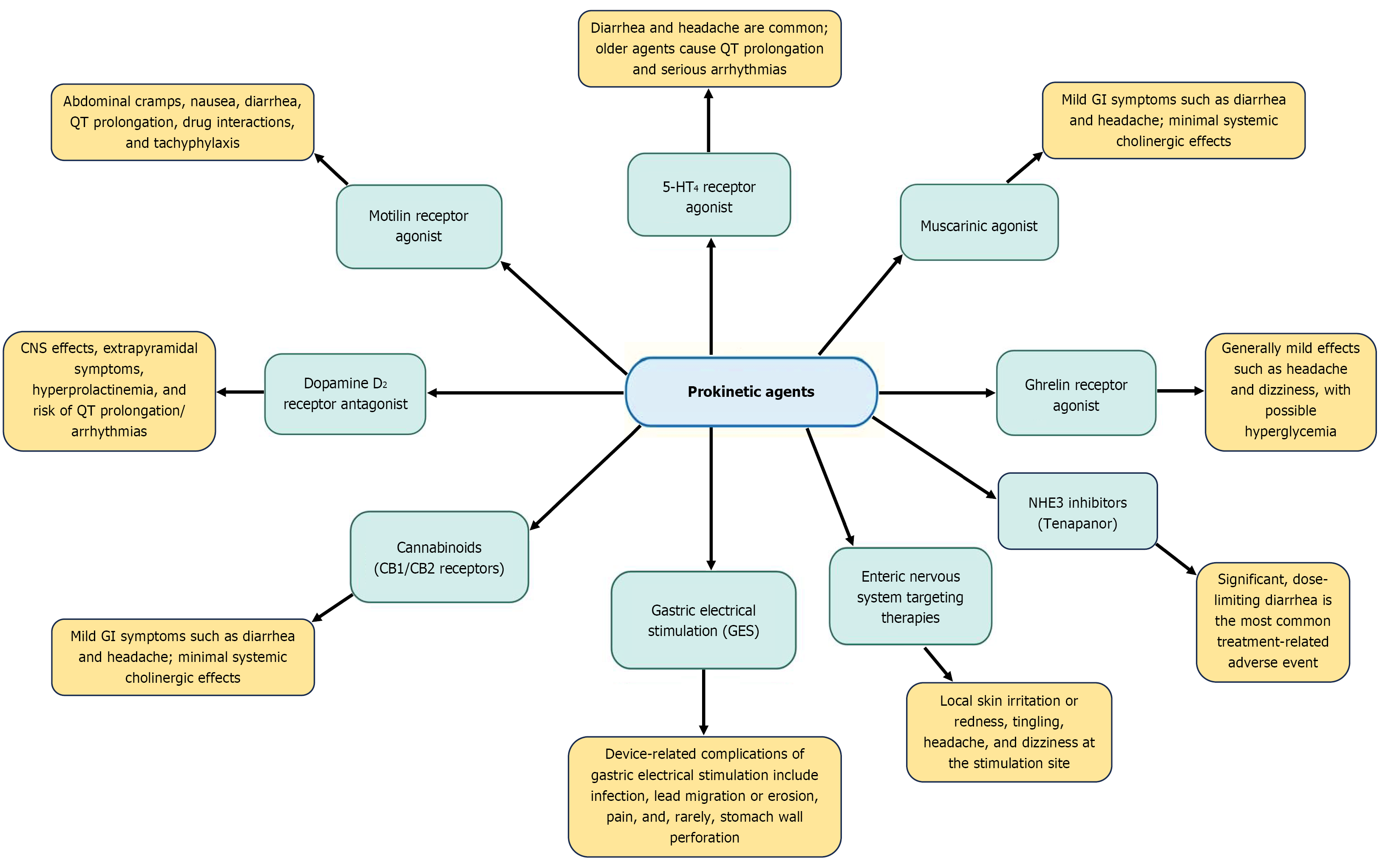
Figure 3 Safety profiles of prokinetic agents.
Overview of major prokinetic drug classes and their characteristic adverse effects, highlighting differences between older agents with significant systemic risks and newer therapies with generally milder or localized safety concerns. CB1: Cannabinoid receptor type 1; CB2: Cannabinoid receptor type 2; CNS: Central nervous system; D2: Dopamine type 2 receptor; GES: Gastric electrical stimulation; GI: Gastrointestinal; NHE3: Sodium-hydrogen exchanger 3; 5-HT4: 5-Hydroxytryptamine type 4 receptor.
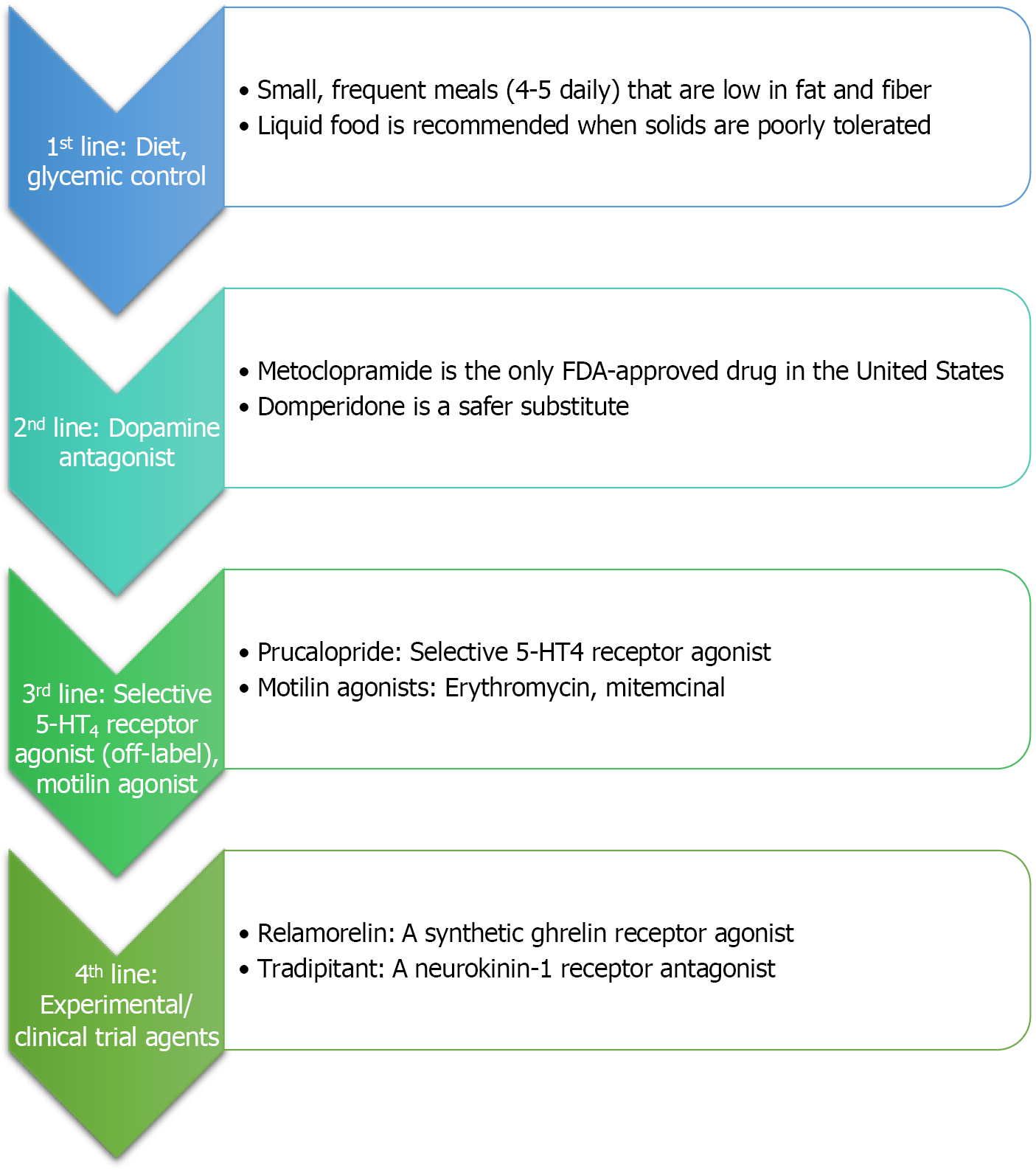
Figure 4 Stepwise therapeutic approach to prokinetic management.
Algorithm depicting the hierarchical management of motility disorders, beginning with dietary modification, followed by dopamine antagonists, selective 5-hydroxytryptamine type 4 receptor and motilin receptor agonists, and progressing to emerging experimental and clinical-trial therapies. 5-HT4: 5-Hydroxytryptamine type 4 receptor; FDA: Food and drug administration.
- Citation: Goyal O, Chowdhary R, Sehgal T, Joshi T, Bhambri A, Rampurawala IM, Sohi GS, Das A, Arora K, Vuthaluru AR, Goyal MK. Evolving prokinetic therapy: New targets and therapeutic opportunities in gastrointestinal motility disorders. World J Gastrointest Pharmacol Ther 2026; 17(2): 118616
- URL: https://www.wjgnet.com/2150-5349/full/v17/i2/118616.htm
- DOI: https://dx.doi.org/10.4292/wjgpt.v17.i2.118616