
















Copyright: ©Author(s) 2026.
World J Gastrointest Pathophysiol. Jun 22, 2026; 17(2): 122072
Published online Jun 22, 2026. doi: 10.4291/wjgp.v17.i2.122072
Published online Jun 22, 2026. doi: 10.4291/wjgp.v17.i2.122072
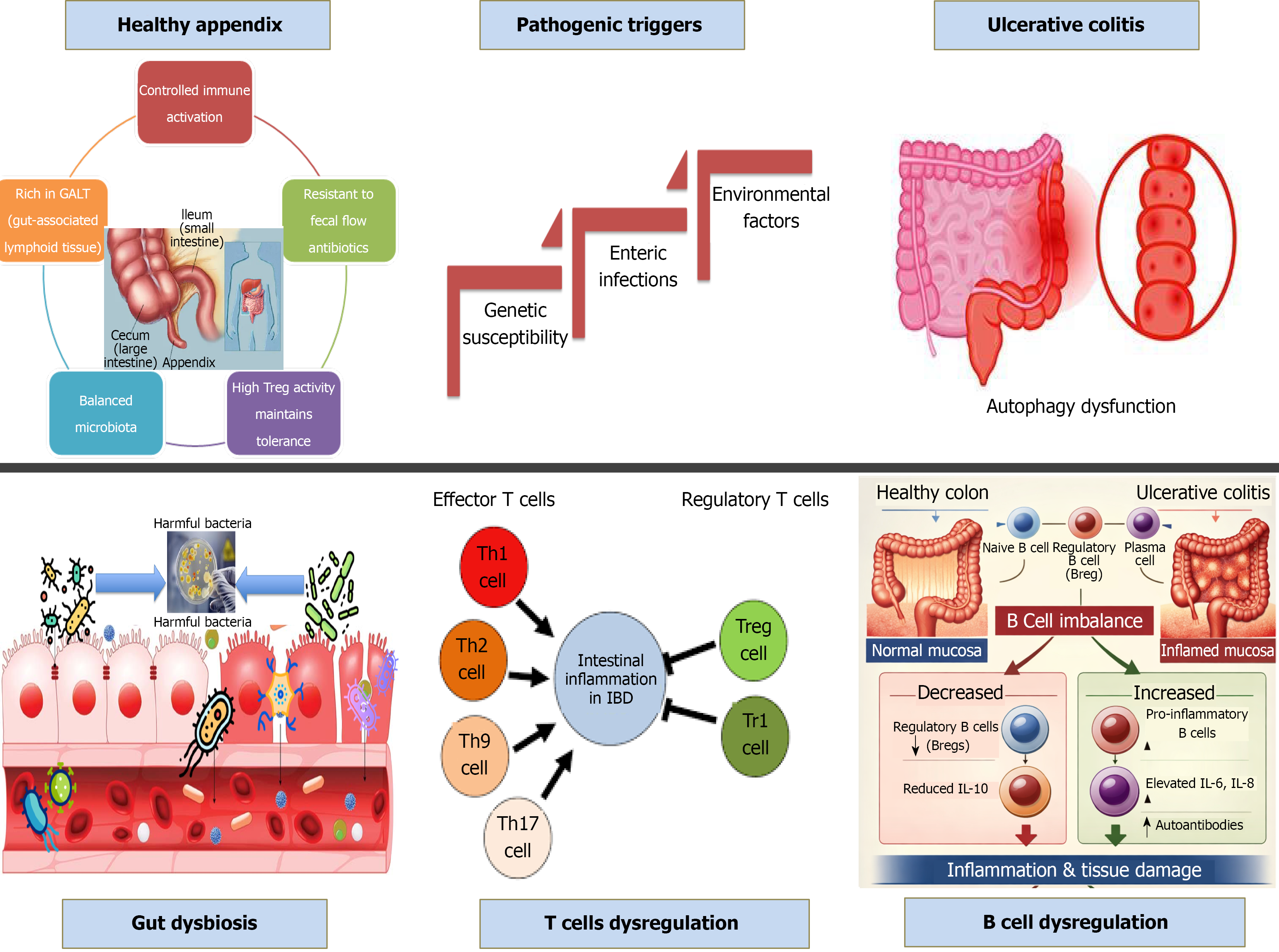
Figure 1 Mechanisms of appendix-mediated ulcerative colitis pathogenesis.
Appendiceal inflammation may initiate or exacerbate ulcerative colitis (UC) pathogenesis through multiple interconnected mechanisms, including dysregulation of T and B lymphocytes, impaired immune tolerance, and altered cytokine signaling. In addition, disruption of the appendiceal microbiota may promote gut dysbiosis and facilitate the persistence of pathogenic bacteria. Defective bulk autophagy and xenophagy in the appendix may represent mechanisms contributing to UC pathogenesis and warrant future exploration. GALT: Gut-associated lymphoid tissue; Th: T helper cell; Treg: Regulatory T cell; IBD: Inflammatory bowel disease; IL: Interleukin.
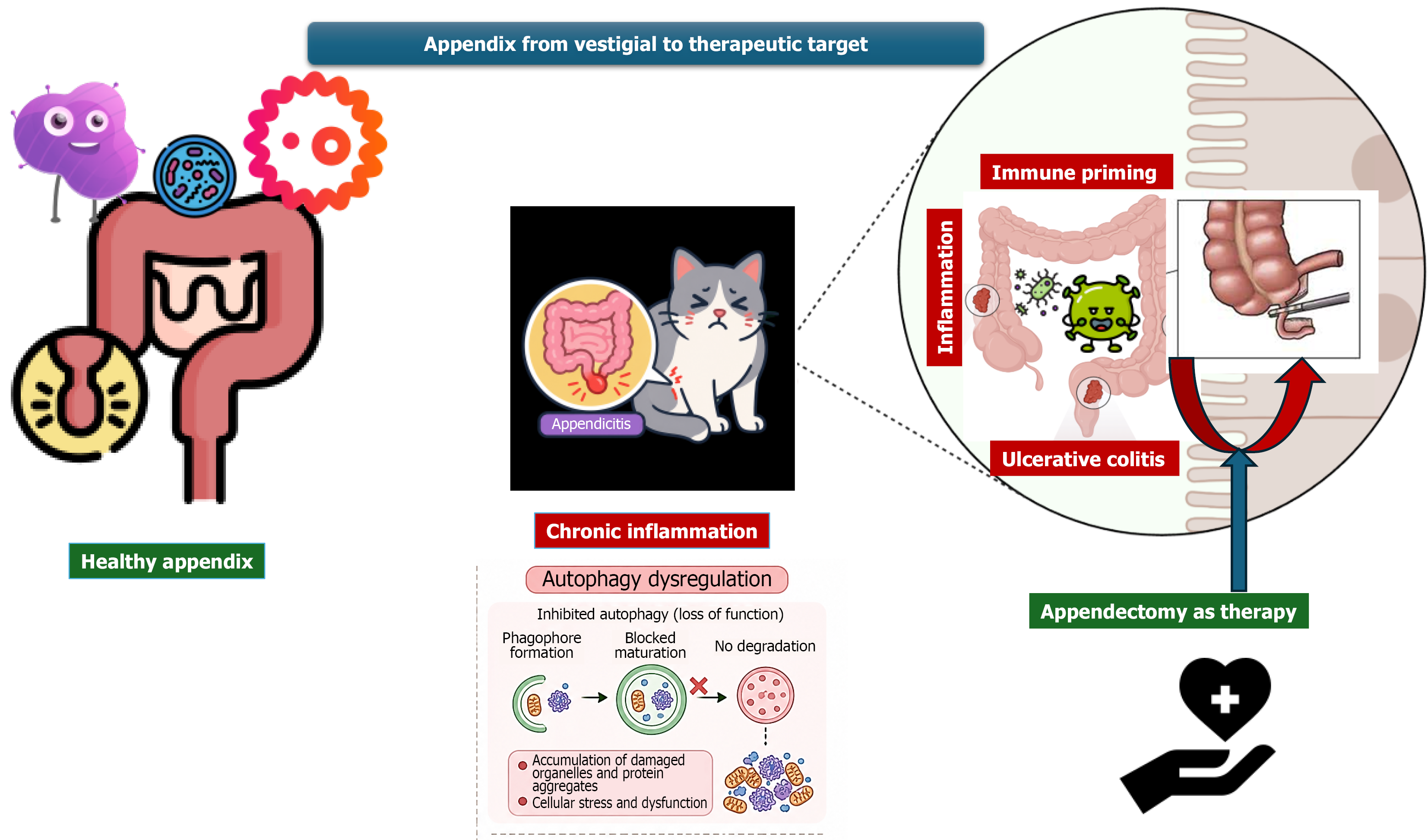
Figure 2 Appendectomy as a therapy for ulcerative colitis.
The inflamed appendix may act as a niche for sustained inflammation, potentially driven by immune dysregulation, dysbiosis, and autophagy dysfunction in the colon and possibly in the appendix, thereby contributing to disease progression. Clinical studies, such as the ACCURE and COSTA trials, show that appendectomy can improve outcomes, reduce relapse rates, and achieve remission in selected patients, particularly those with refractory disease.
- Citation: AbdelGhani O, Elhariri S, Bhatnagar P, Aung HH, Abdel Wahab M, Eid N. Appendix in ulcerative colitis pathogenesis and therapy: An updated narrative review. World J Gastrointest Pathophysiol 2026; 17(2): 122072
- URL: https://www.wjgnet.com/2150-5330/full/v17/i2/122072.htm
- DOI: https://dx.doi.org/10.4291/wjgp.v17.i2.122072