
















Copyright: ©Author(s) 2026.
World J Gastrointest Pathophysiol. Jun 22, 2026; 17(2): 120474
Published online Jun 22, 2026. doi: 10.4291/wjgp.120474
Published online Jun 22, 2026. doi: 10.4291/wjgp.120474
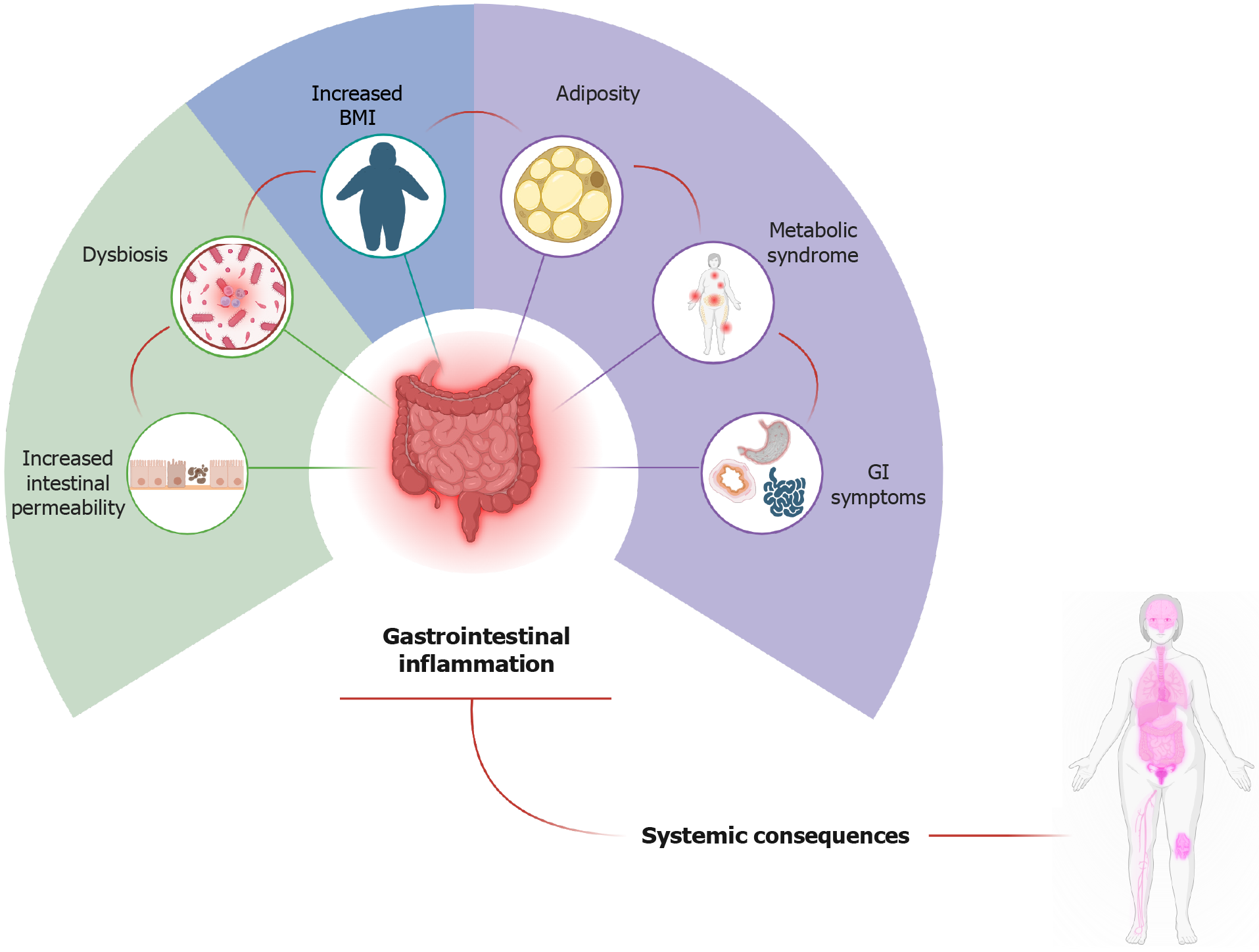
Figure 1 Schematic representation of gastrointestinal inflammation as a central correlation in obesity-associated metabolic dys
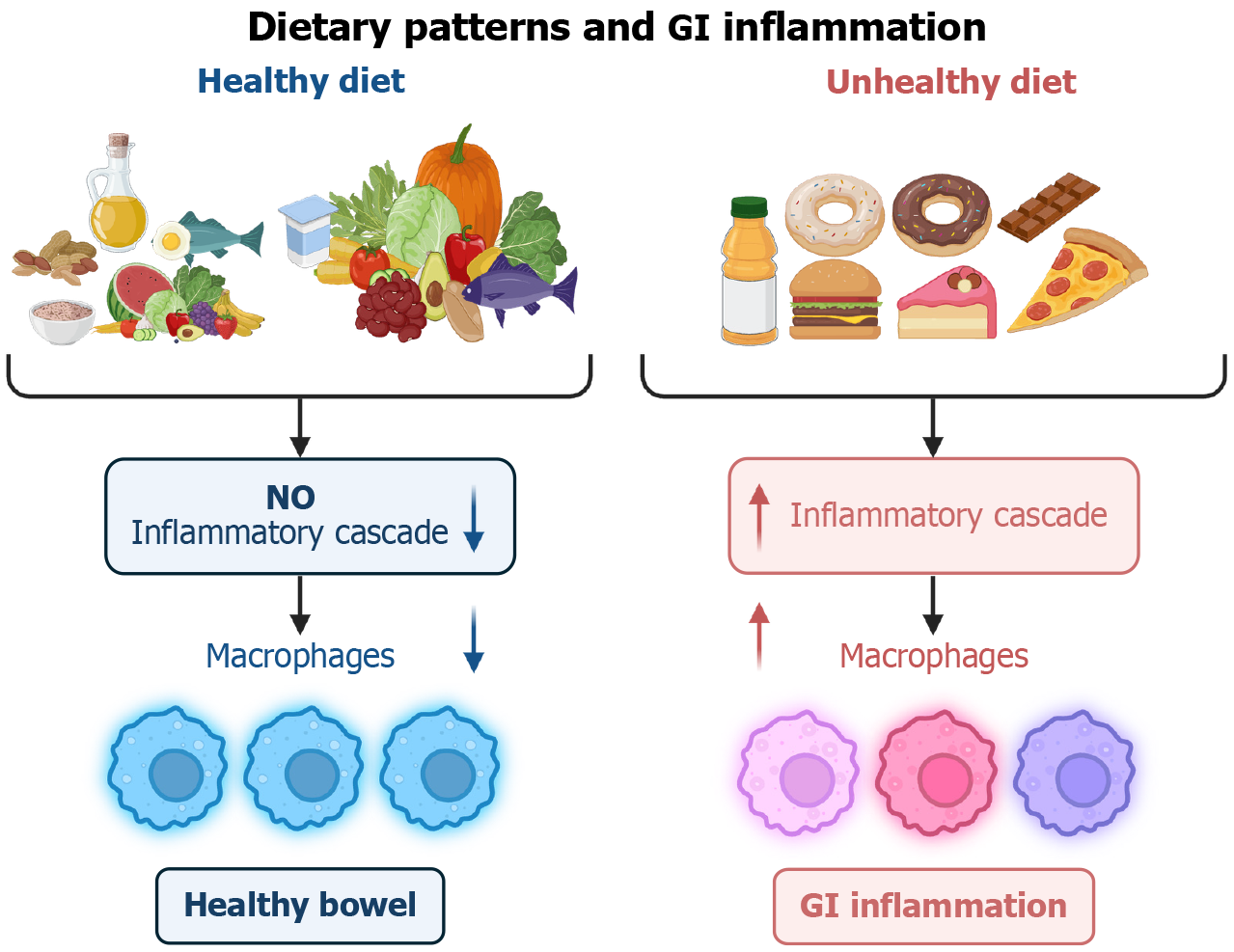
Figure 2 Dietary patterns and influence on gastrointestinal inflammation.
Healthy dietary patterns, such as the Mediterranean diet, suppress inflammatory cascades. Unhealthy dietary patterns, such as the Western diet, increase macrophage activity and promote intestinal inflammation. GI: Gastrointestinal.
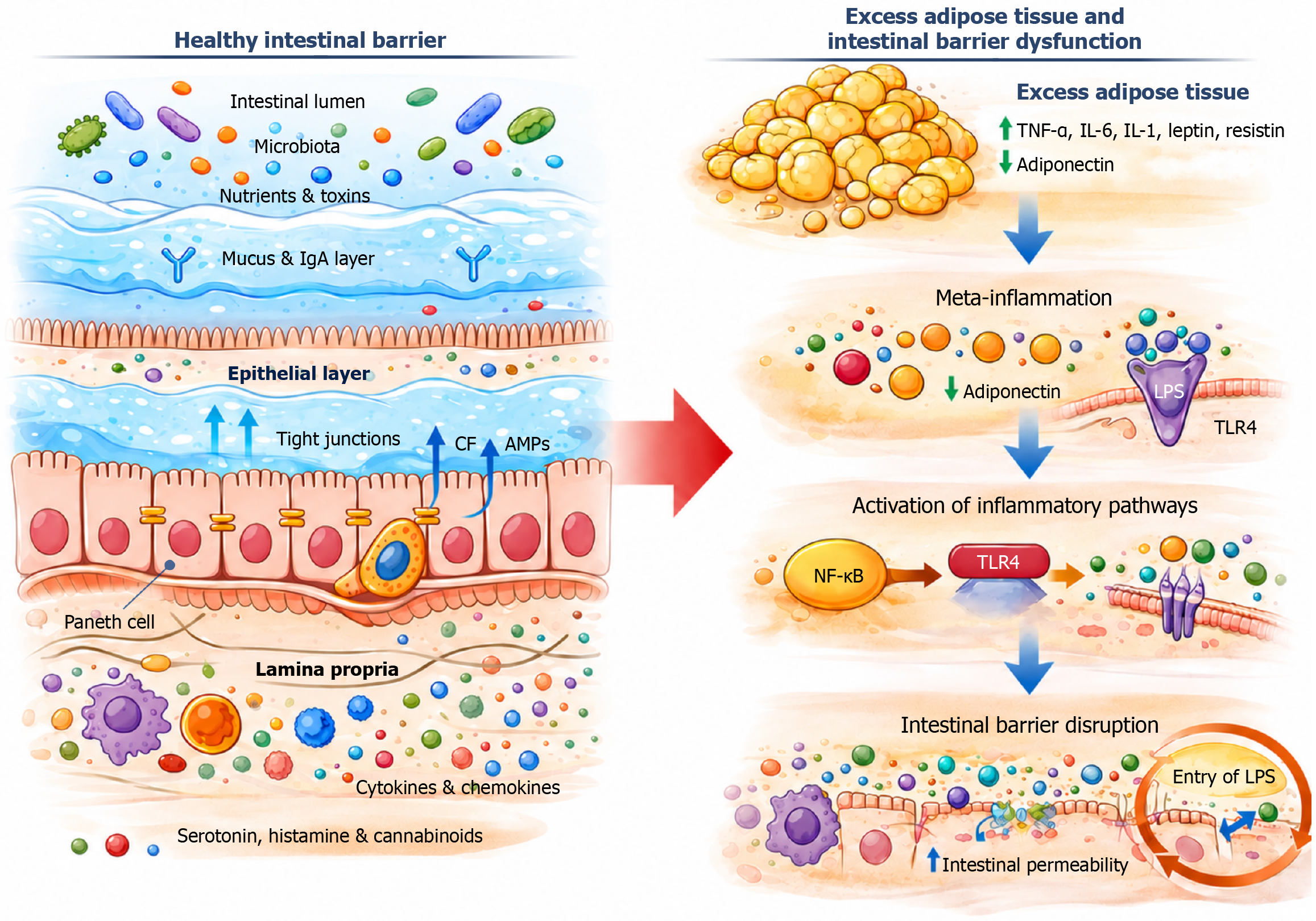
Figure 3 Excess adiposity and Intestinal barrier dysfunction represents an immune–metabolic imbalance driven by excess adipose tissue.
Chronic low-grade inflammation marked by increased tumor necrosis factor alpha, interleukin 6, interleukin-1, resistin, and leptin, and reduced adiponectin, triggers key inflammatory pathways (NF-κB, TLR4, NLRP3), promoting meta-inflammation. TNF-α: Tumor necrosis factor alpha; IL: Interleukin 6; NF-κB: Nuclear factor kappa B; TLR4: Toll-like receptor 4; NLRP3: NOD-like receptor family pyrin domain containing 3; LPS: Lipopolysaccharides; CF: Cystic fibrosis; AMPs: Antimicrobial peptides.
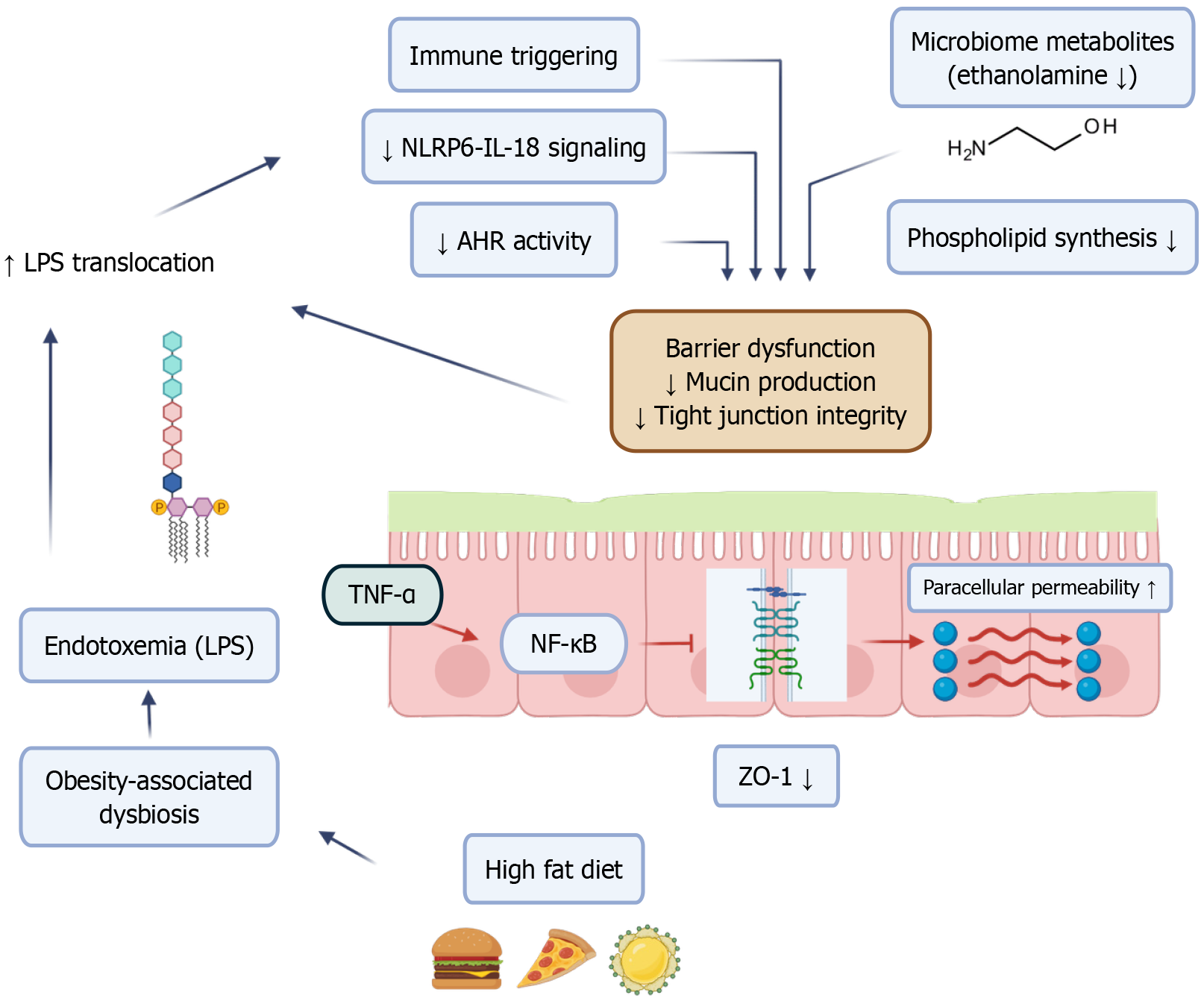
Figure 4 Dysbiosis–endotoxemia–inflammation–barrier dysfunction cycle induced by a high-fat diet.
Obesity-associated dysbiosis stimulates lipopolysaccharides translocation and tumor necrosis factor alpha/nuclear factor kappa B triggering, with ↓zonula occludens-1, ↑paracellular permeability, and ↓mucin production. At the same time, ↓NOD-like receptor family pyrin domain containing 6-interleukin-18 signaling and ↓aryl hydrocarbon receptor activity damage mucosal integrity, and reduced ethanolamine availability (a phosphatidylethanolamine precursor) may contribute to ↓phospholipid synthesis, increasing epithelial disruption. AHR: Aryl hydrocarbon receptor; IL: Interleukin; LPS: Lipopolysaccharides; NF-κB: Nuclear factor kappa B; TNF-α: Tumor necrosis factor alpha; ZO-1: Zonula occludens-1; NLRP6: NOD-like receptor family pyrin domain containing 6.
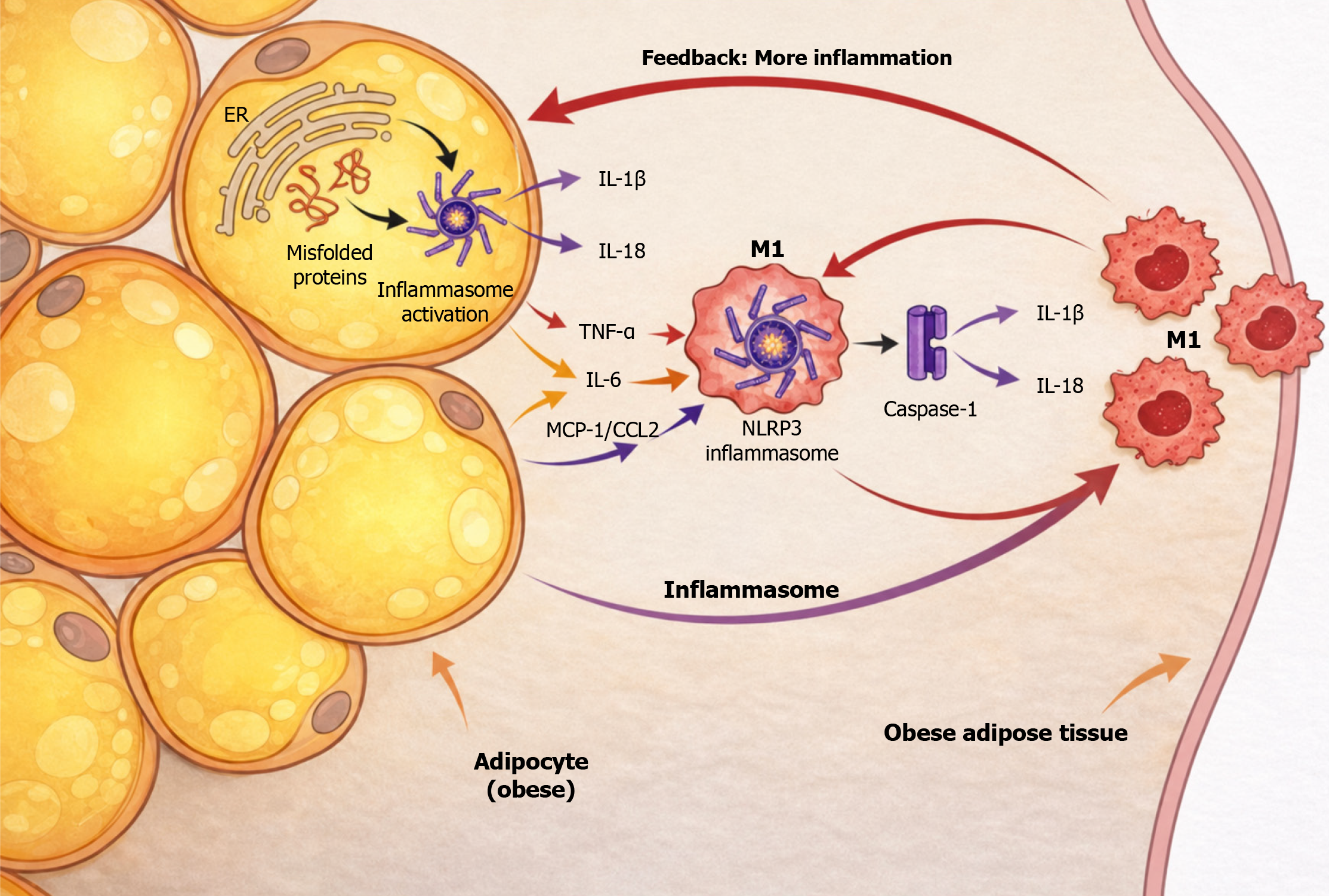
Figure 5 Self-amplifying cycle of chronic inflammation in obese adipose tissue.
Obese adipocytes, undergoing endoplasmic reticulum stress and NOD-like receptor family pyrin domain containing 3 inflammasome triggering, release pro-inflammatory cytokines [tumour necrosis factor alpha, interleukin (IL)-6, IL-1β, IL-18] and recruit M1 macrophages via monocyte chemoattractant protein-1. Infiltrating M1 macrophages also trigger their inflammasomes and secrete additional cytokines, establishing a continuous feedback loop that maintains tissue inflammation. ER: Endoplasmic reticulum; NLRP3: NOD-like receptor family pyrin domain containing 3; TNF-α: Tumour necrosis factor alpha; IL: Interleukin; MCP-1: Monocyte chemoattractant protein-1; CCL2: C–C motif chemokine ligand 2; M1: Classically activated (pro-inflammatory) macrophage phenotype.
- Citation: Anaya-Prado R, Murrieta-Verduzco AM, Peña-Mascorro IR, Portillo-Valles AC, Calderon-Velazquez A, Lopez-Hernandez H, Monge-Rosales DG, Montes de Oca-Martinez JL, Castellanos-Garcia CE, Servin-Romero G, Anaya-Fernández R, Cardenas-Fregoso AP, Anaya-Fernández MM, Azcona-Ramirez CC, Heredia-Garcia CN. Body mass index and gastrointestinal inflammation: Bio-molecular pathophysiology. World J Gastrointest Pathophysiol 2026; 17(2): 120474
- URL: https://www.wjgnet.com/2150-5330/full/v17/i2/120474.htm
- DOI: https://dx.doi.org/10.4291/wjgp.120474