
















Copyright: ©Author(s) 2026.
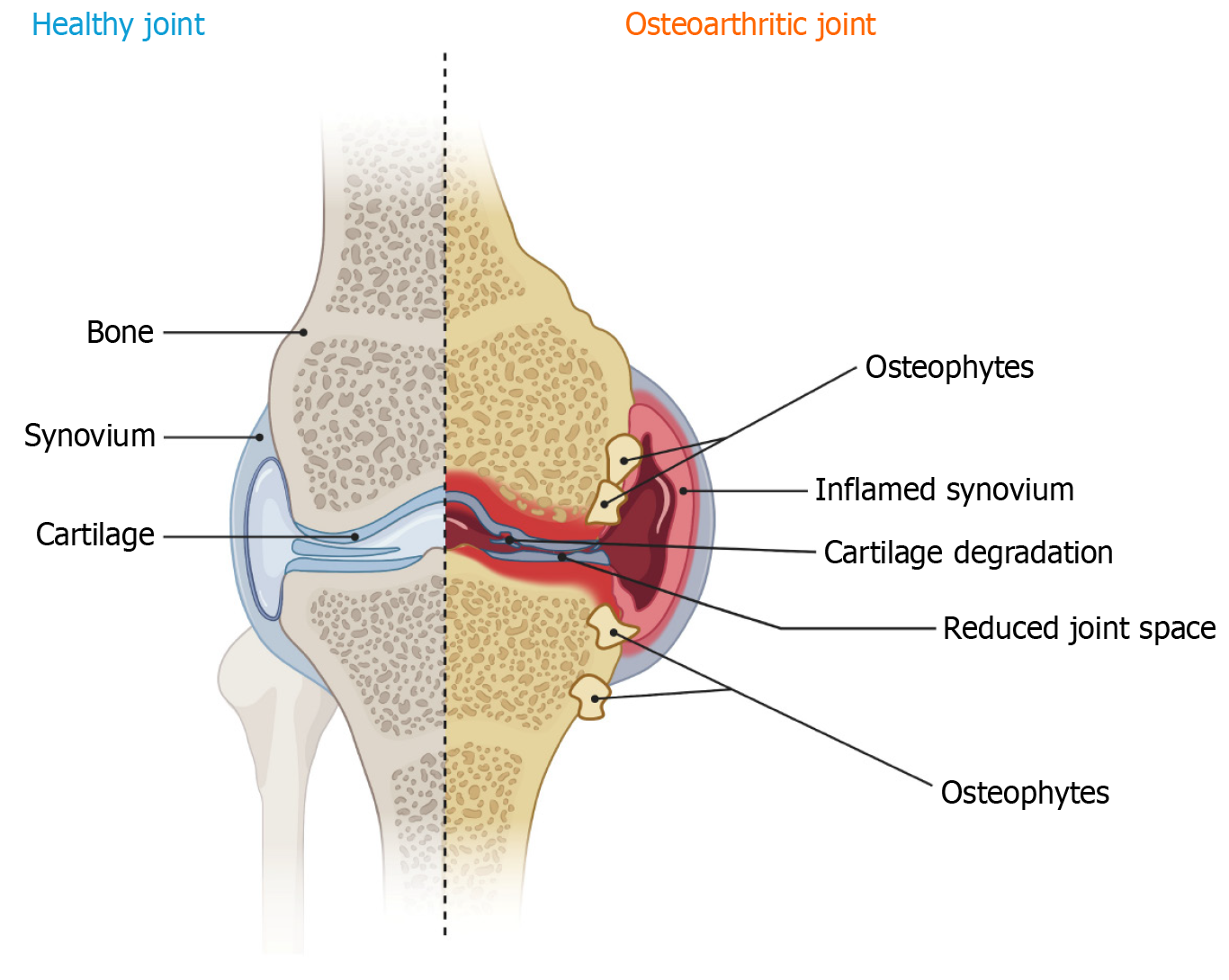
Figure 1 Comparison of healthy knee joint anatomy and osteoarthritis-related structural degeneration.
Schematic representation comparing a healthy knee joint (left) with osteoarthritis (right). The osteoarthritic joint demonstrates cartilage thinning and degradation, osteophyte formation, synovial inflammation, and reduced joint space.
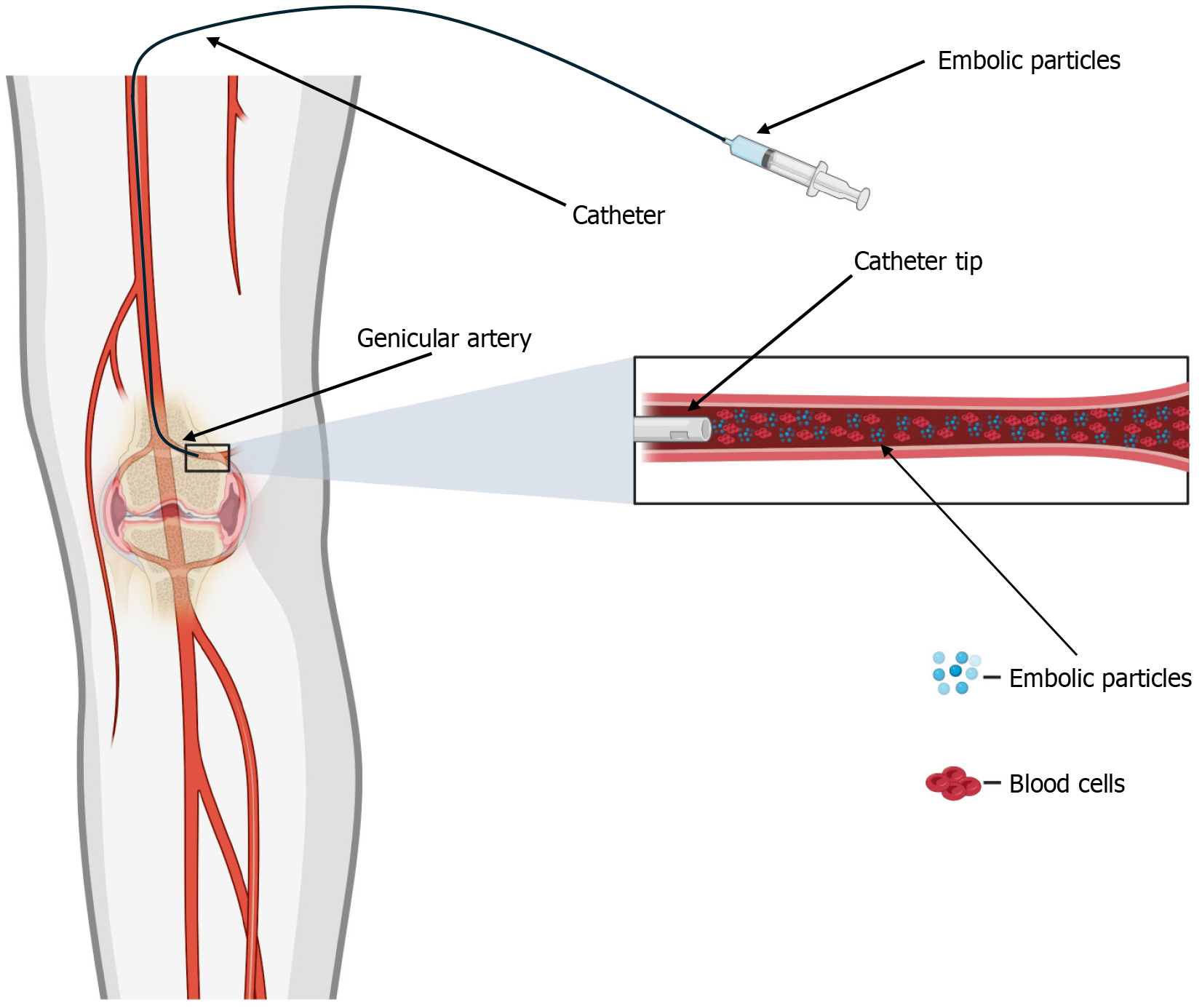
Figure 2 Mechanistic overview of genicular artery embolization in knee osteoarthritis.
Schematic illustration demonstrating selective catheterization of a genicular artery supplying inflamed synovium in knee osteoarthritis. Embolic particles are delivered through a microcatheter to occlude abnormal hypervascular synovial neovessels while preserving flow in adjacent parent arteries. The inset magnified view illustrates embolic particles within the arterial lumen alongside circulating blood cells, representing targeted pruning of pathologic microvascular networks implicated in inflammation-driven pain.
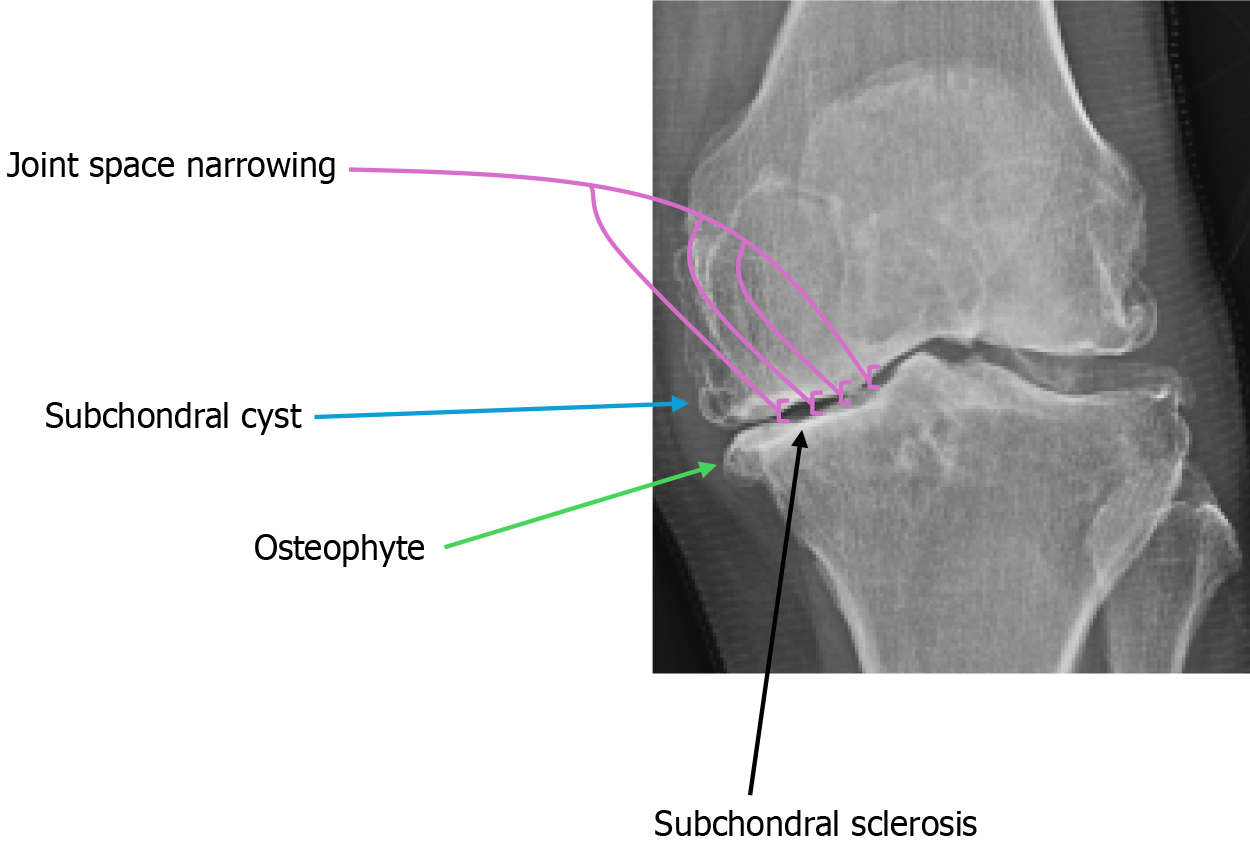
Figure 3 Plain radiographic features of structural knee osteoarthritis.
Radiograph of the knee demonstrating classic structural manifestations of osteoarthritis, including medial compartment joint space narrowing, marginal osteophyte formation, and subchondral cyst formation.
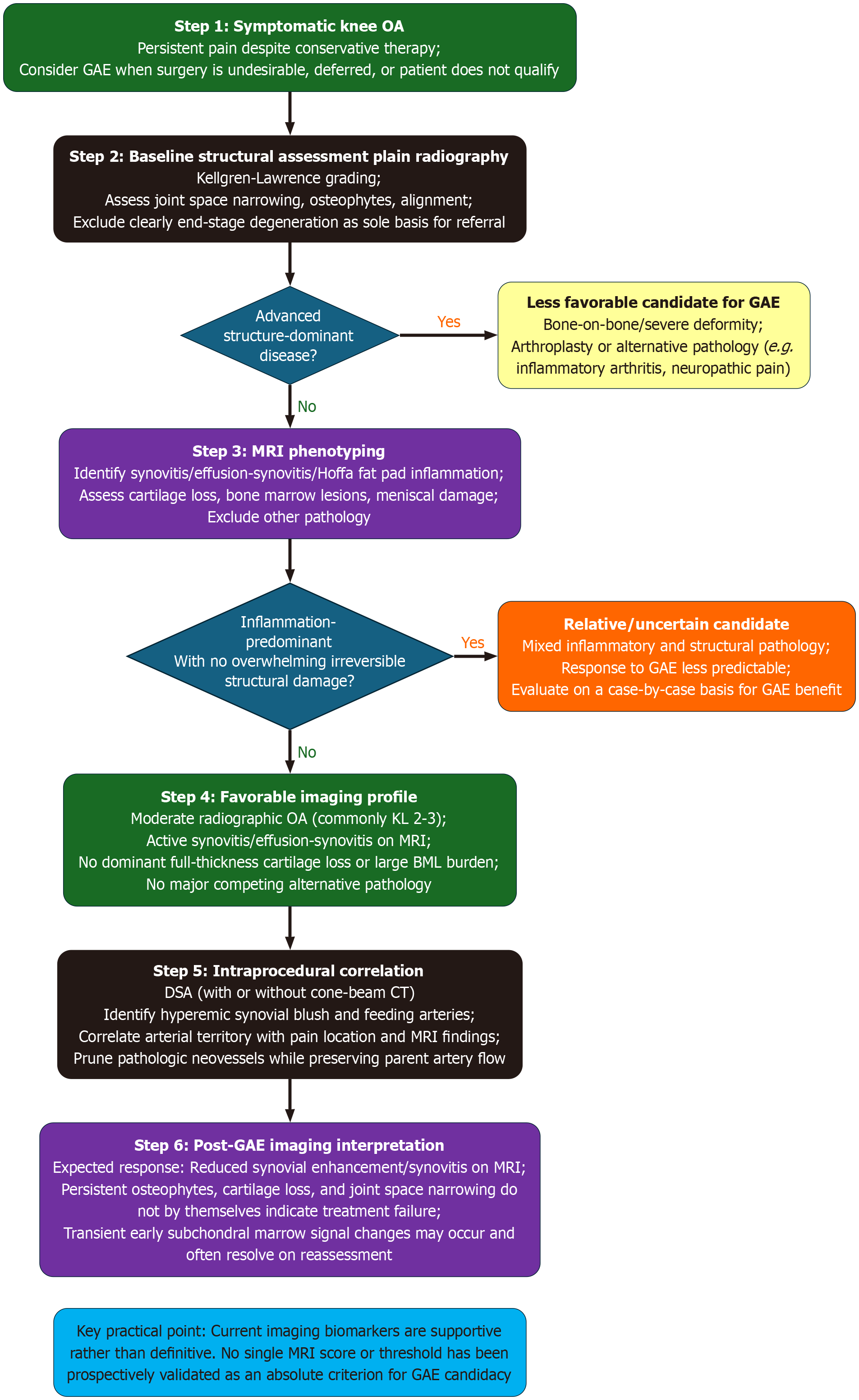
Figure 4 Proposed imaging-based algorithm for genicular artery embolization candidate selection and workflow in knee osteoarthritis.
Green boxes indicate start/proceed to next step, dark blue boxes are decision boxes, purple boxes are imaging boxes, yellow box is contraindication, and orange box is uncertainty/reevaluate. Plain radiography establishes structural severity, whereas magnetic resonance imaging (MRI) helps distinguish inflammation-predominant from structure-predominant disease. Favorable candidates generally show active synovitis-related MRI findings without overwhelming irreversible structural damage. Digital subtraction angiography, with or without cone-beam computed tomography, is then used to localize hyperemic synovial blush and confirm target vessels. Post-genicular artery embolization imaging response is expected to be predominantly inflammatory rather than structural. GAE: Genicular artery embolization; MRI: Magnetic resonance imaging; DSA: Digital subtraction angiography; CT: Computed tomography; OA: Osteoarthritis; KL: Kellgren-Lawrence.
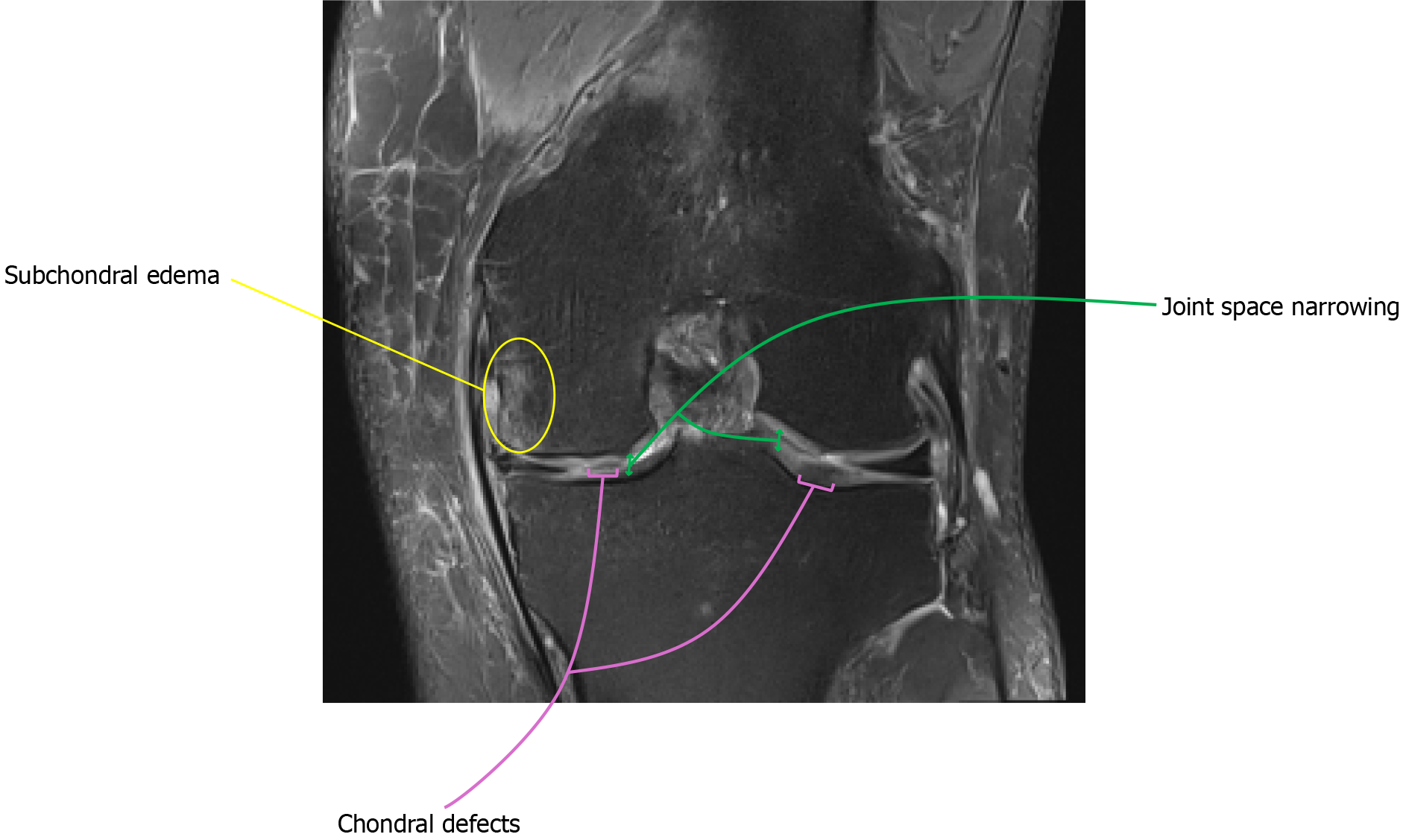
Figure 5 Magnetic resonance imaging features of inflammation and structural degeneration in knee osteoarthritis.
Coronal magnetic resonance imaging demonstrating subchondral bone marrow edema-like signal, chondral defects, and medial compartment joint space narrowing.
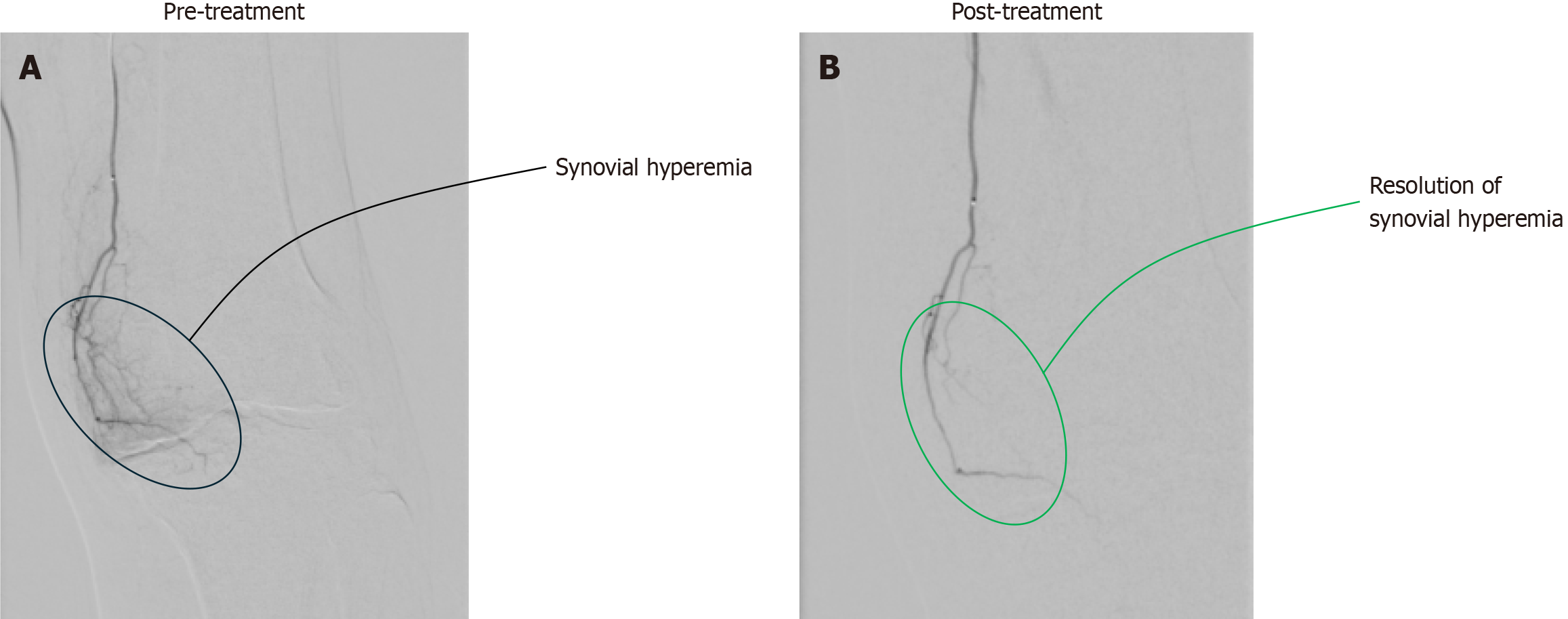
Figure 6 Digital subtraction angiography before and after genicular artery embolization.
A: Pre-treatment digital subtraction angiography demonstrating focal synovial hyperemia characterized by a dense periarticular vascular blush in the region corresponding to the patient’s symptomatic compartment; B: Post-treatment angiography following embolization showing marked reduction of pathologic hypervascular blush with preservation of parent arterial flow. Resolution of synovial hyperemia represents the intended intraprocedural endpoint of genicular artery embolization.
- Citation: Singh R, Makary MS. Multimodality imaging considerations for genicular artery embolization in knee osteoarthritis. World J Radiol 2026; 18(6): 120315
- URL: https://www.wjgnet.com/1949-8470/full/v18/i6/120315.htm
- DOI: https://dx.doi.org/10.4329/wjr.120315