
















Copyright: ©Author(s) 2026.
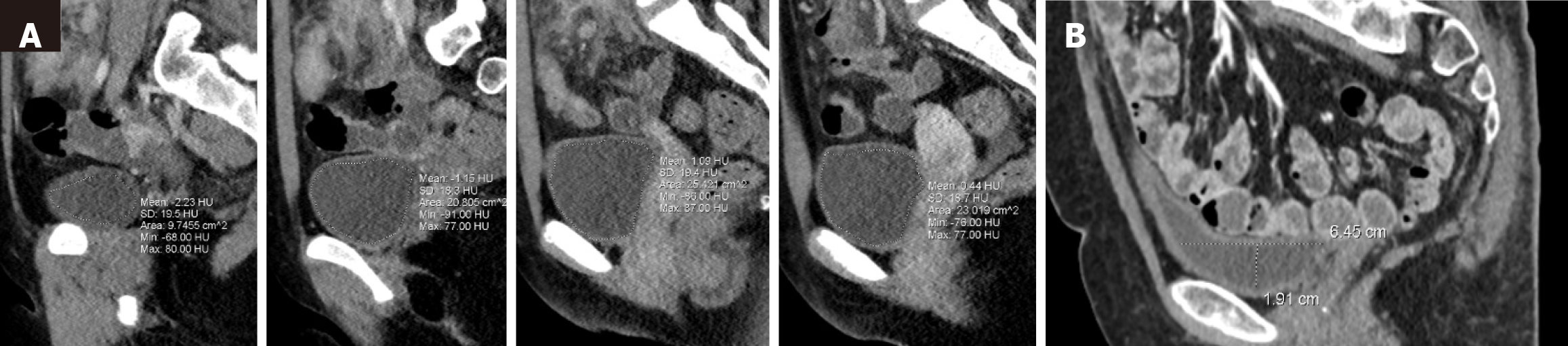
Figure 1 Some of the consecutive measurements of urinary bladder volume in a 17-year-old female.
A: The sum of the areas (only few demonstrated here) served as the reference test; B: Measurement of sagittal length (sagittal long axis) and sagittal short (sagittal short axis) in another patient.
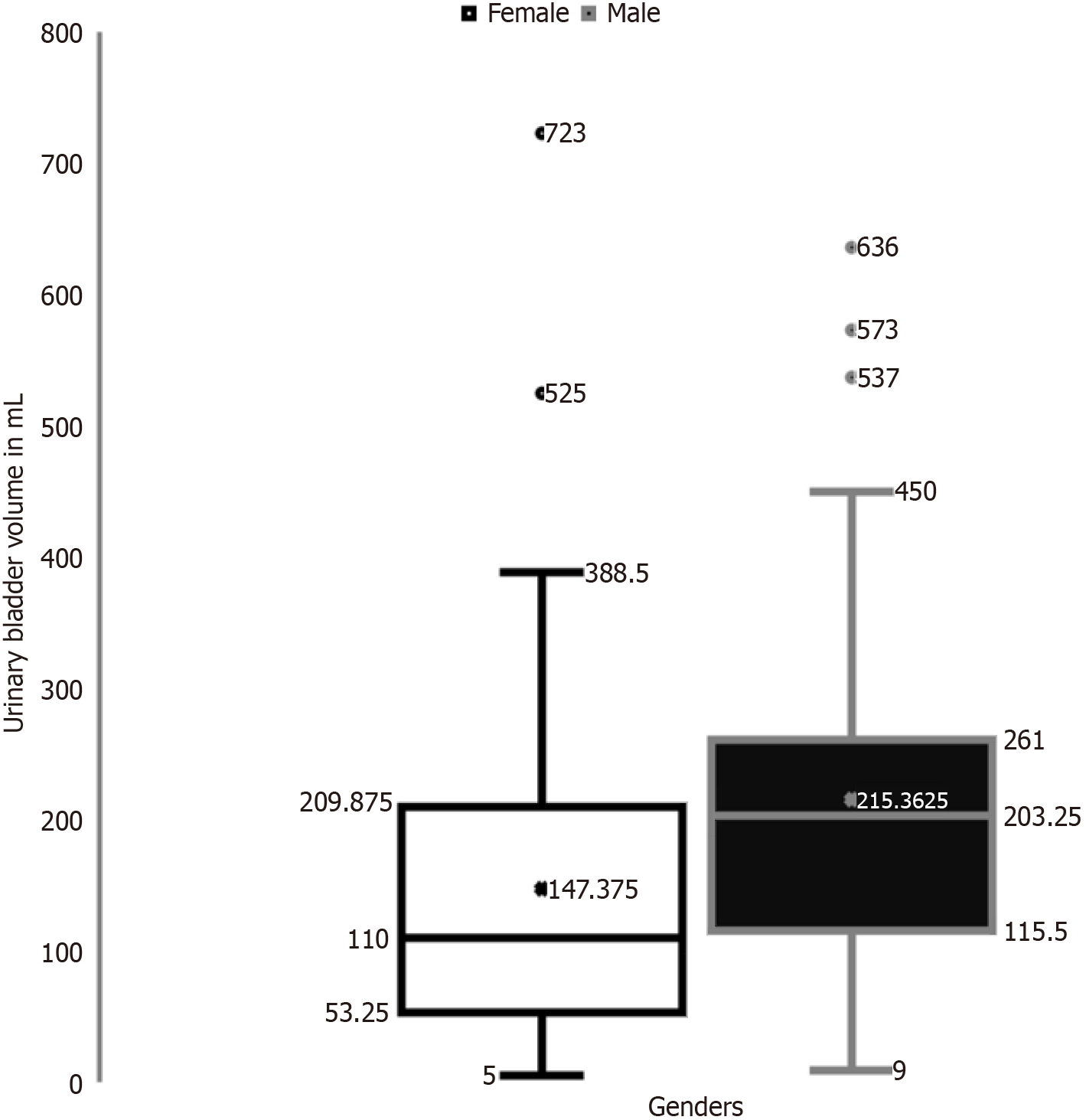
Figure 2 Urinary bladder volume in the two genders based on reference test (volumetry).
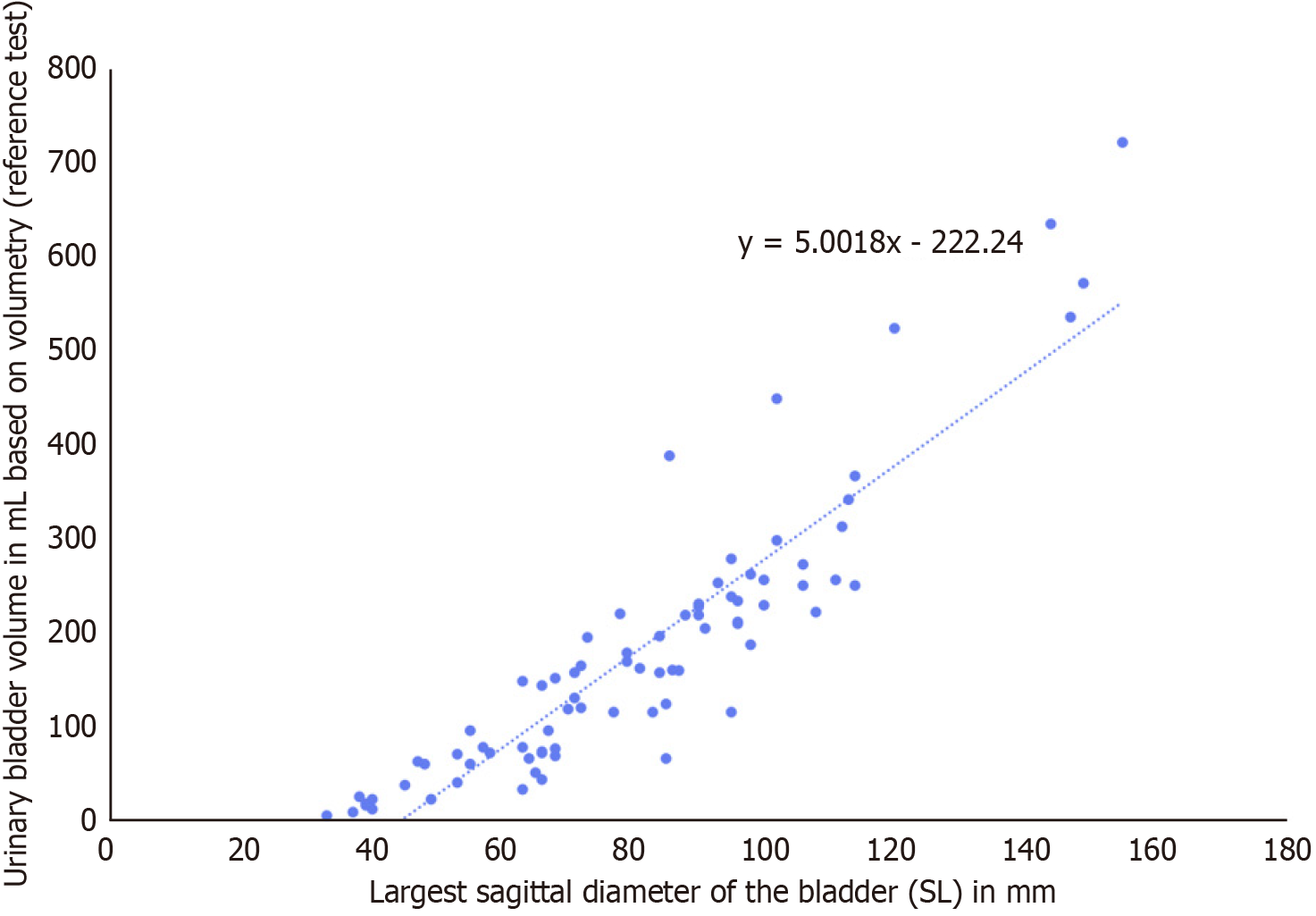
Figure 3 Reference volume plotted against the largest sagittal diameter of the bladder (sagittal length).
SL: Sagittal length.
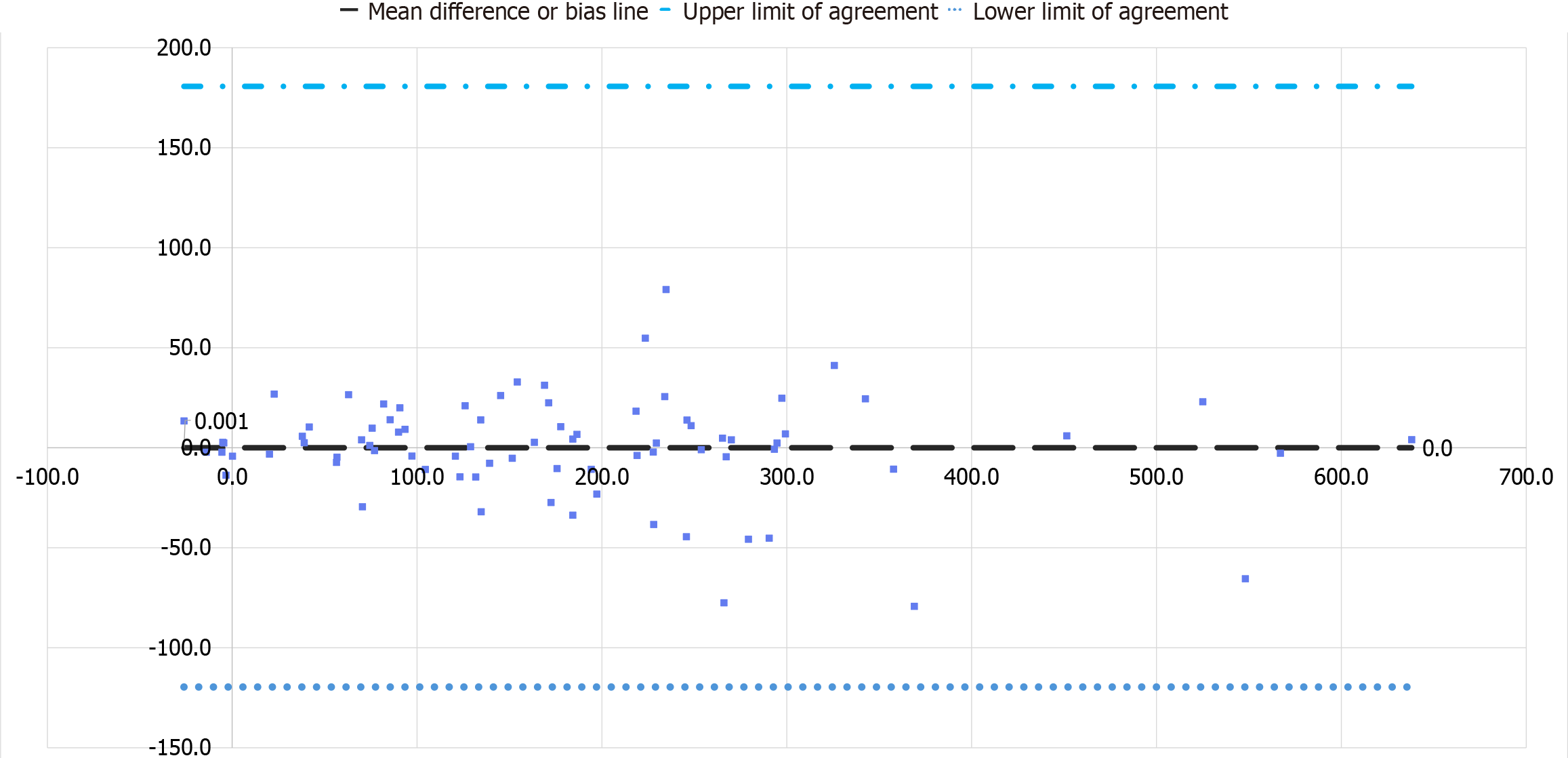
Figure 4 Bland-Altman plot largest sagittal diameter vs reference volume.
As can be seen, there is no bias in measurements, and all values fall between the limits of agreement.
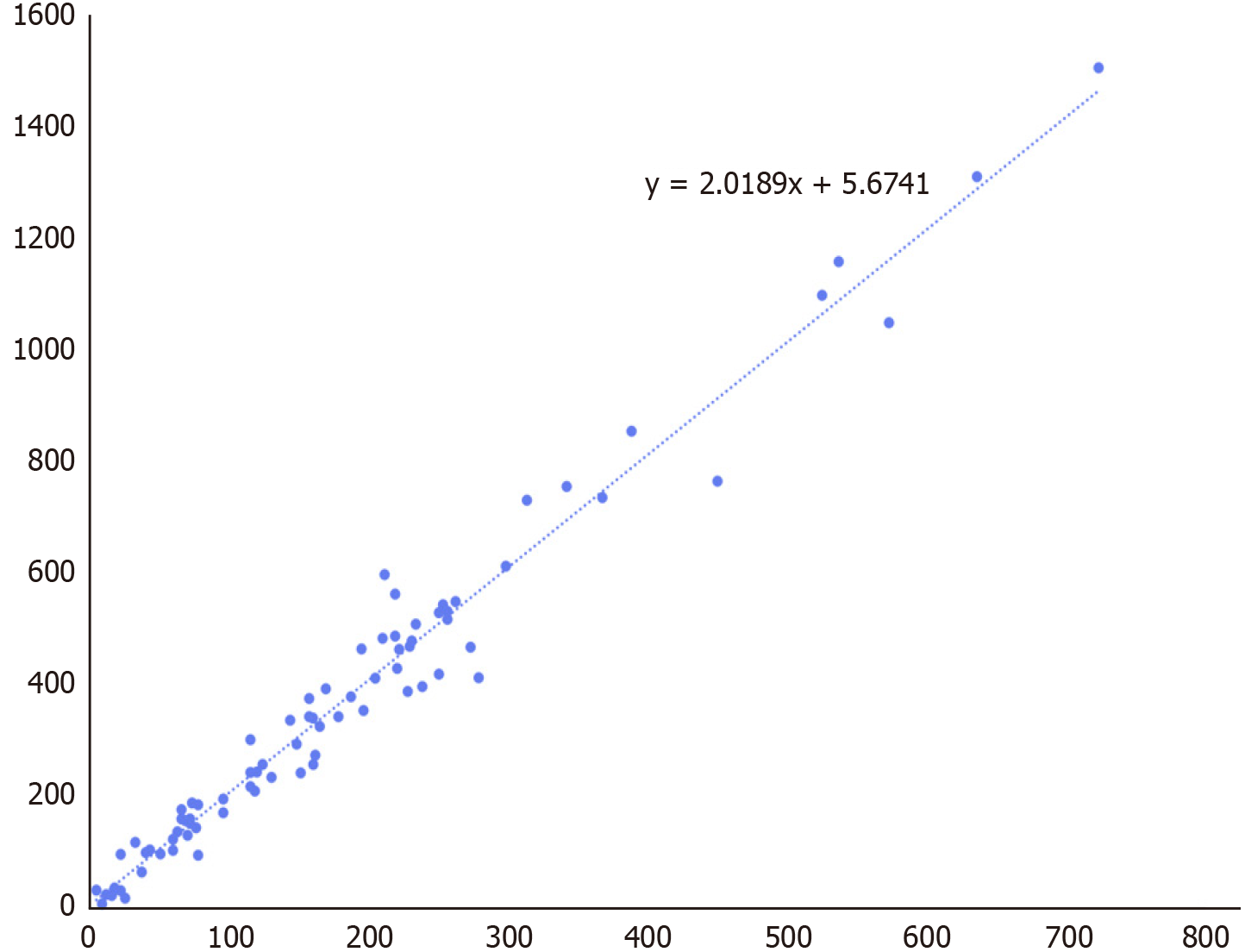
Figure 5 Product of largest perpendicular diameters (sagittal length × sagittal short) on sagittal plane against the reference volume.
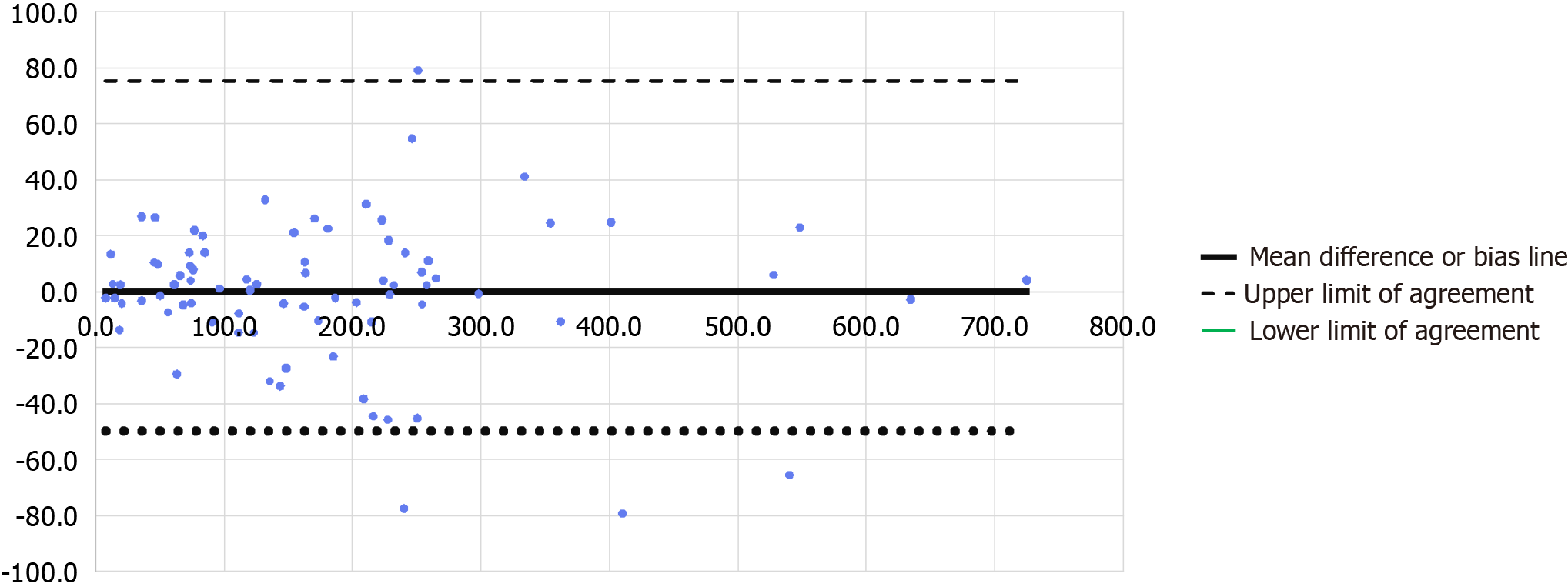
Figure 6 Bland-Altman plot product of largest perpendicular sagittal diameters vs reference volume.
- Citation: Nelson R, Torkzad C, Sturdevant D, Mittal PK, Torkzad MR. Approximation of urinary bladder volume with few measurements on cross-sectional imaging. World J Radiol 2026; 18(6): 120003
- URL: https://www.wjgnet.com/1949-8470/full/v18/i6/120003.htm
- DOI: https://dx.doi.org/10.4329/wjr.120003