
















Copyright: ©Author(s) 2026.
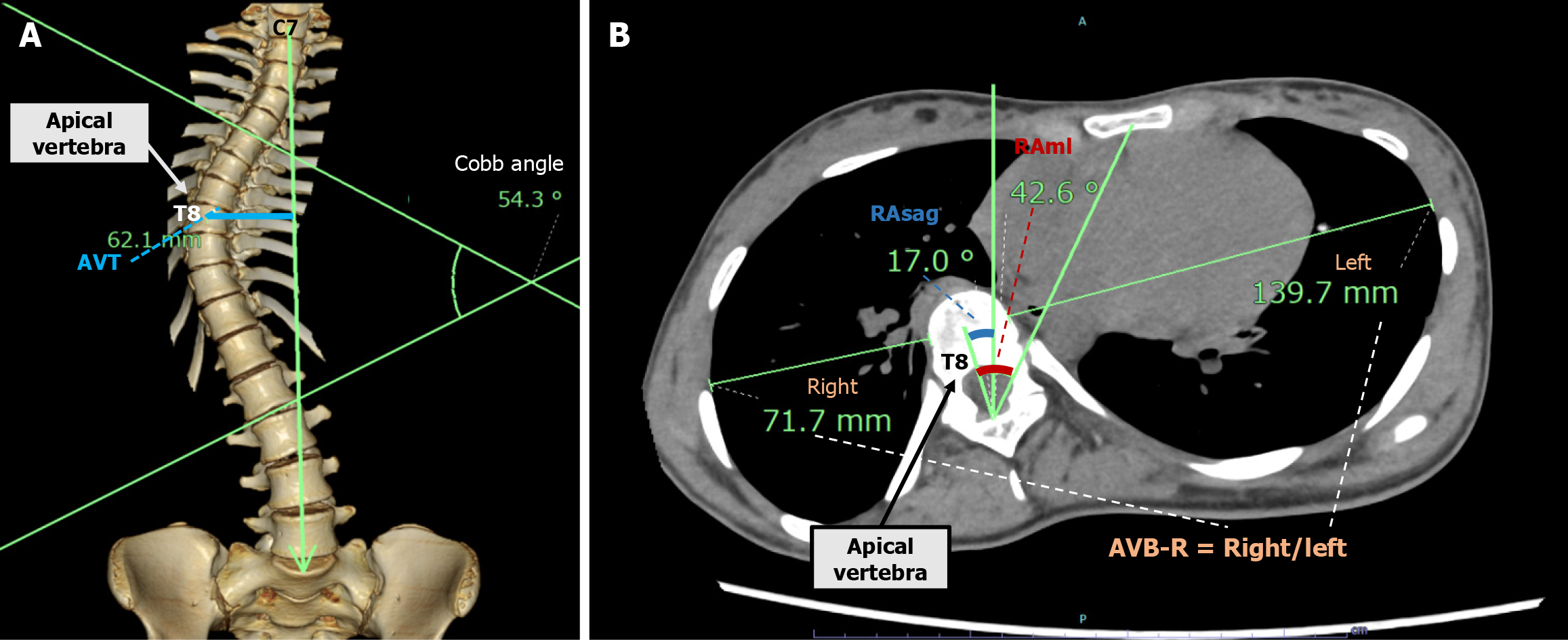
Figure 1 Spinal thoracic deformity parameters.
A: The Cobb angle was measured as the angle between the upper endplate of the most tilted superior vertebra and the lower endplate of the most tilted inferior vertebra of the thoracic curve. Apical vertebral translation was defined as the horizontal distance between the center of the apical vertebra and a plumb line drawn through C7 on the anteroposterior view of spinal computed tomography; B: The apical vertebral body-rib ratio was defined as the ratio of the right-sided distance to the left-sided distance from the edge of the vertebral body to the ribs. Apical vertebral rotation was defined as the rotation of the vertebral body axis relative to the anterior midline and the plumb line. AVT: Apical vertebral translation; AVB-R: Apical vertebral body-rib ratio; RAml: Rotation relative to anterior midline; RAsag: Rotation relative to sagittal plane.
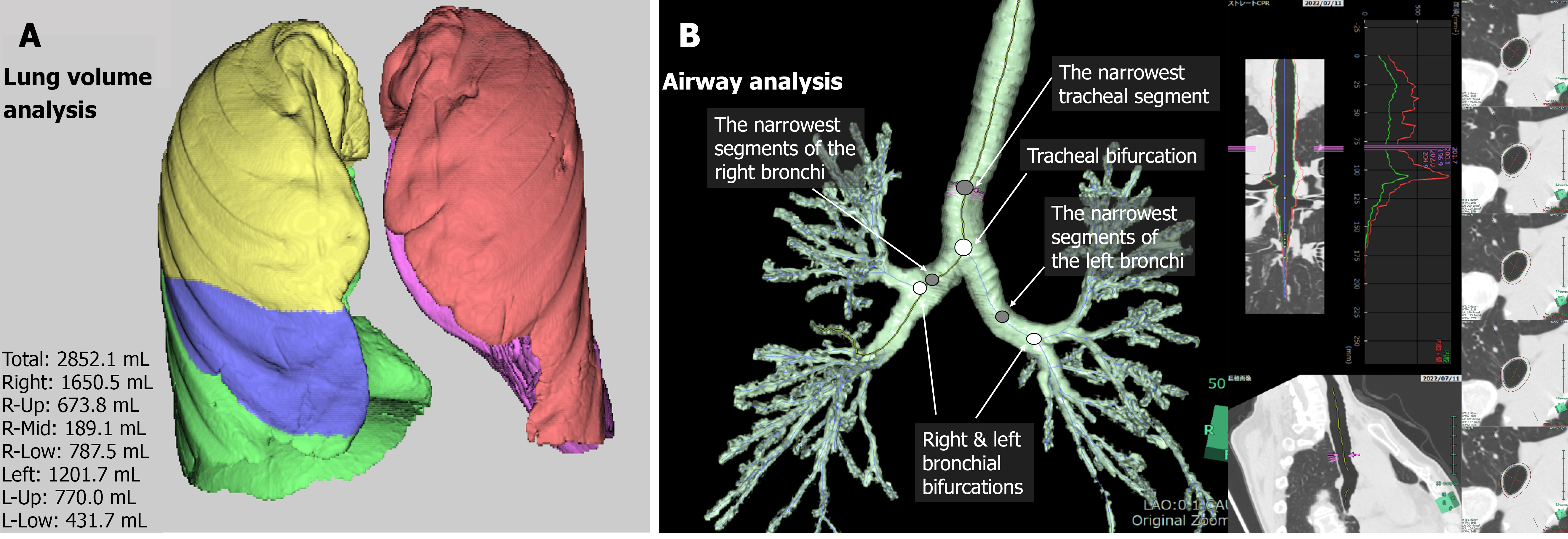
Figure 2 Computed tomography-derived respiratory function parameters.
A: Lung segmentation and volumetric analysis; B: Airway segmentation and measurement. Parameters included lung volumes (total, right, left, upper, middle, and lower lobes), maximum and minimum airway diameters, cross-sectional area at four predefined sites (tracheal bifurcation, narrowest tracheal segment, and narrowest segments of the right and left bronchi), and the right-to-left bronchial length ratio.
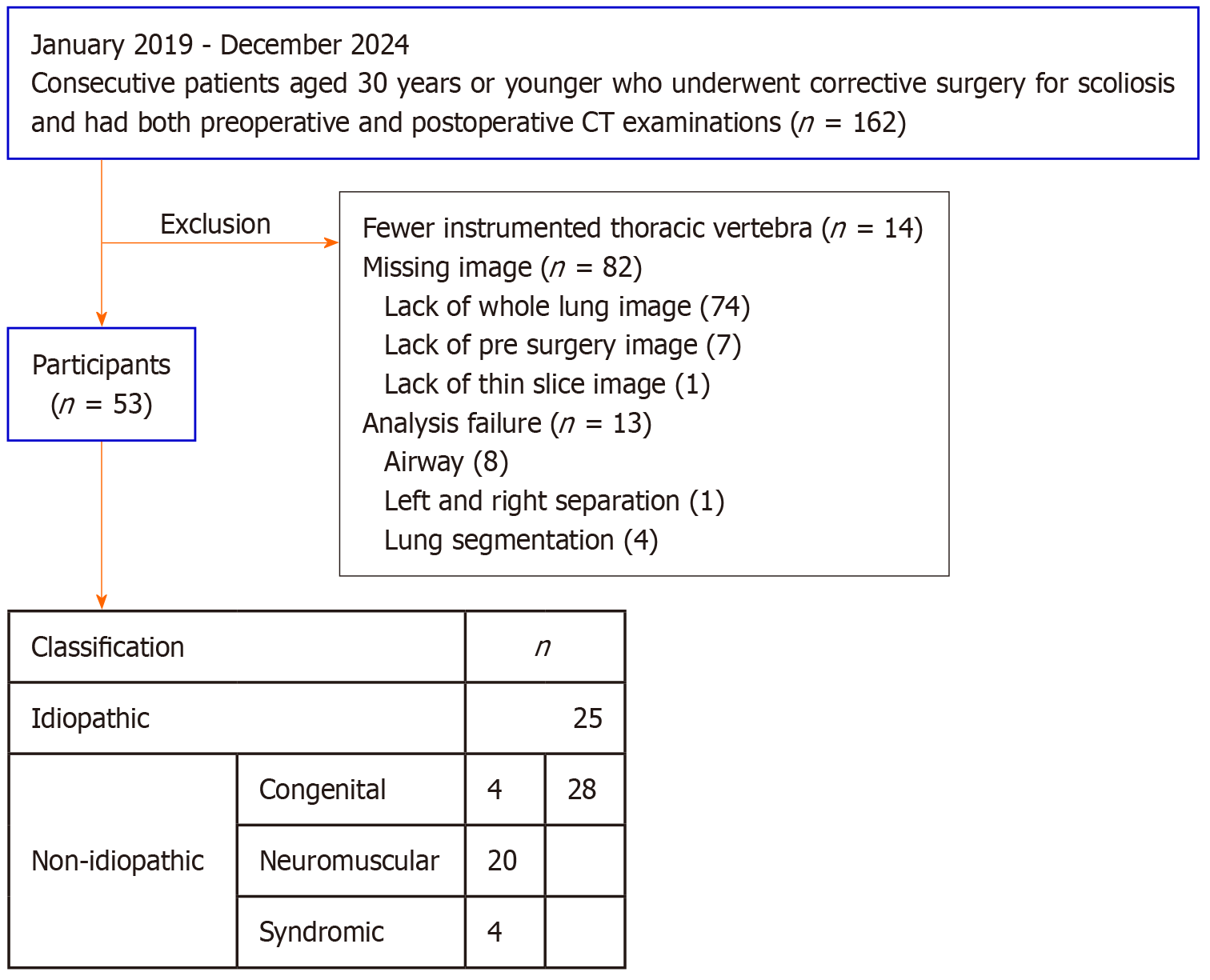
Figure 3 Patient enrollment flowchart.
CT: Computed tomography.
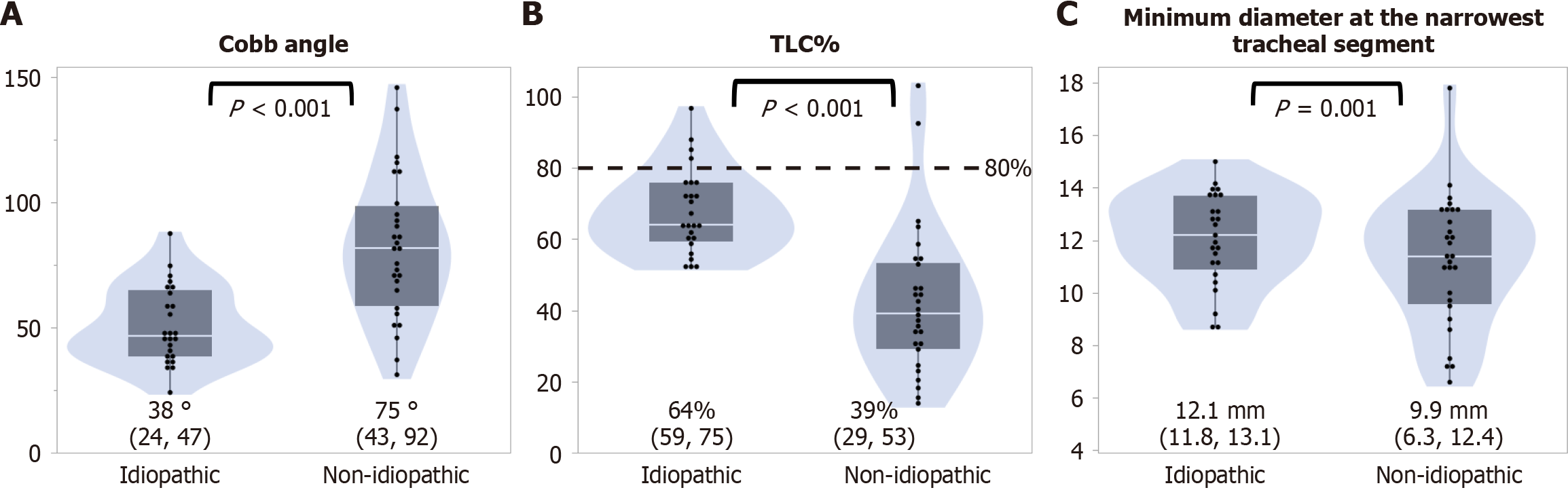
Figure 4 Comparison of spinal deformity and computed tomography-derived respiratory parameters between idiopathic and non-idiopathic scoliosis.
A: Cobb angle; B: Predicted total lung capacity percentage (TLC%); C: Minimum diameter at the narrowest tracheal segment. Data are presented as violin plots with overlaid box-and-whisker plots and individual data points. Patients with non-idiopathic scoliosis showed significantly larger Cobb angles, lower TLC%, and smaller airway diameters. The dashed horizontal line in panel B indicates a TLC% of 80%. Group comparisons were performed using the Wilcoxon rank-sum test. TLC%: Predicted total lung capacity percentage.
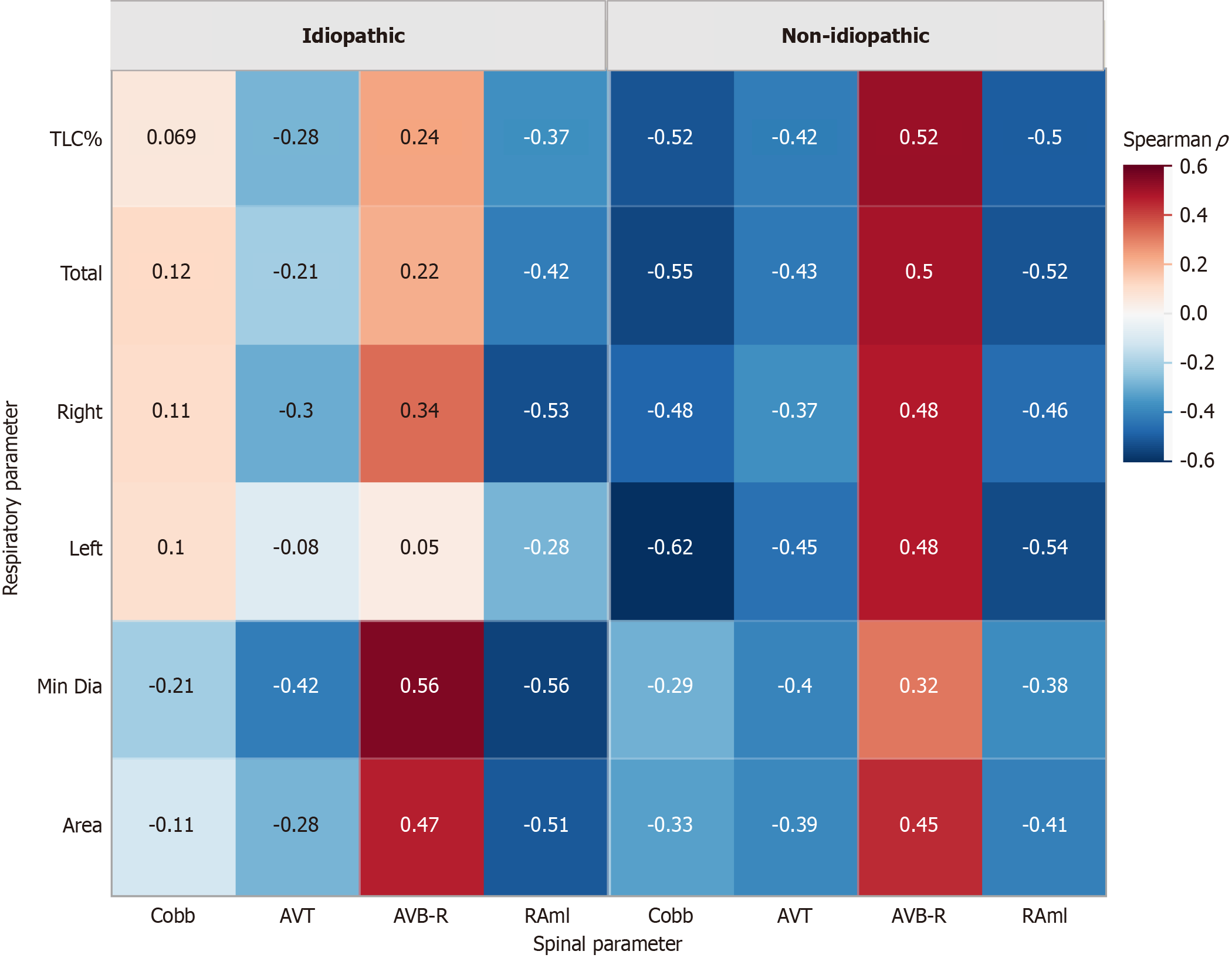
Figure 5 Heatmap of Spearman’s rank correlations between spinal thoracic deformity parameters and computed tomography-derived respiratory function parameters.
Heatmaps illustrate Spearman’s rank correlation coefficients (ρ) between spinal deformity parameters (columns) and computed tomography-derived respiratory parameters (rows), shown separately for idiopathic scoliosis (left) and non-idiopathic scoliosis (right). Colors indicate correlation strength and direction, ranging from negative (blue) to positive (red), with white indicating values near zero. Numerical values within each cell represent Spearman’s ρ. Correlation patterns differed between groups, with non-idiopathic scoliosis showing generally stronger negative associations between deformity severity and respiratory parameters. Area means cross-sectional area of the narrowest tracheal segment. Min Dia: Minimum diameter of the narrowest tracheal segment; AVT: Apical vertebral translation; AVB-R: Apical vertebral body-rib ratio; RAml: Rotation relative to anterior midline; RAsag: Rotation relative to sagittal plane; TLC%: Predicted total lung capacity percentage.
- Citation: Tsuchiya N, Yogi S, Yogi A, Iida G, Yonemoto K, Shimabukuro T, Nishida K, Nishie A. Computed tomography-derived assessment of respiratory impairment in thoracic scoliosis: Comparison between idiopathic and non-idiopathic etiologies. World J Radiol 2026; 18(6): 119975
- URL: https://www.wjgnet.com/1949-8470/full/v18/i6/119975.htm
- DOI: https://dx.doi.org/10.4329/wjr.119975