
















Copyright: ©Author(s) 2026.
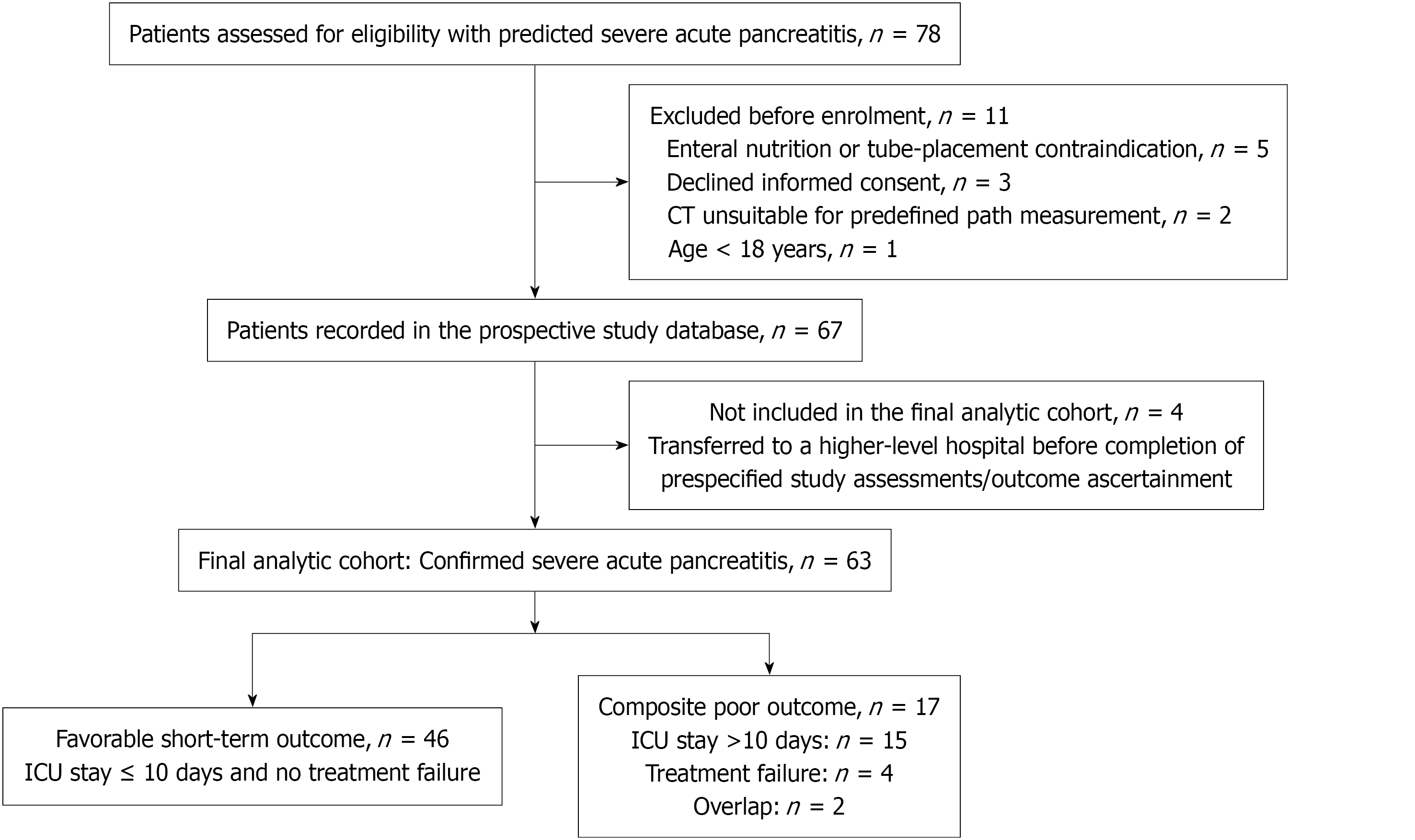
Figure 1 Flow diagram of participant screening, enrollment, and analytic classification.
Seventy-eight patients with predicted severe acute pancreatitis were screened. ICU: Intensive care unit.
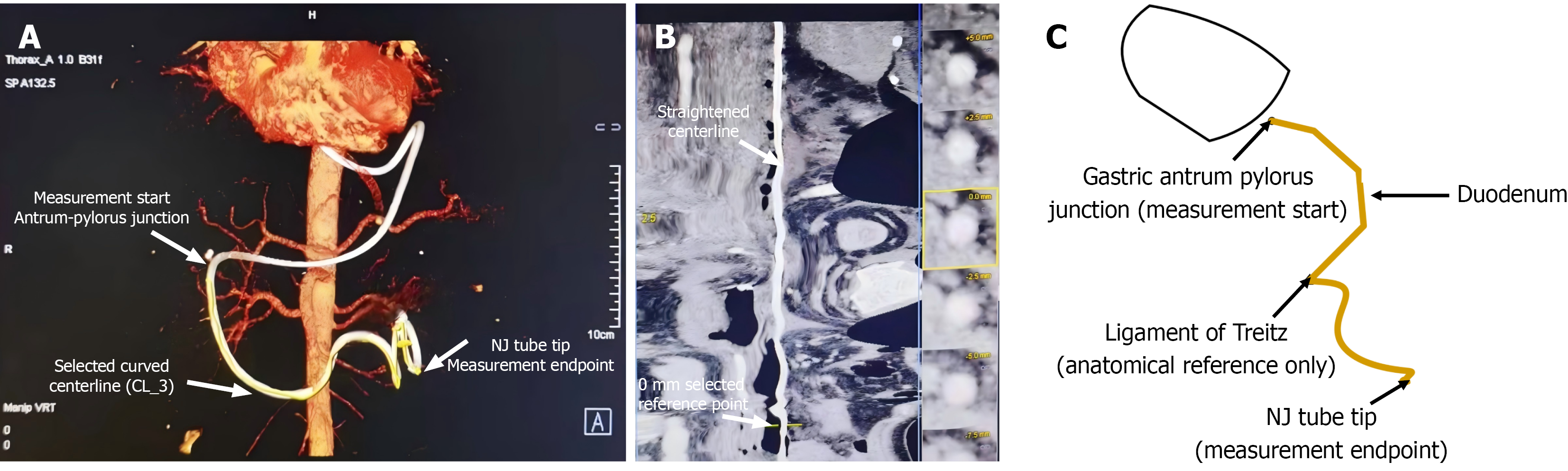
Figure 2 Computed tomography-based measurement of the nasojejunal tube tip-to-gastric antrum curved path length.
A: Three-dimensional volume-rendered reconstruction. The measurement began at the predefined gastric antrum-pylorus junction, followed the selected curved centerline (CL_3), and ended at the nasojejunal tube tip; B: Straightened centerline reconstruction showing the selected centerline and the 0-mm reference point with orthogonal cross-sectional images; C: Anatomical schematic showing the gastric antrum-pylorus junction, duodenum, duodenojejunal flexure/Ligament of Treitz region, and nasojejunal tube tip. The measured variable was the curved catheter path length from the antrum-pylorus junction to the tube tip; the duodenojejunal flexure was an anatomical reference. NJ: Nasojejunal.
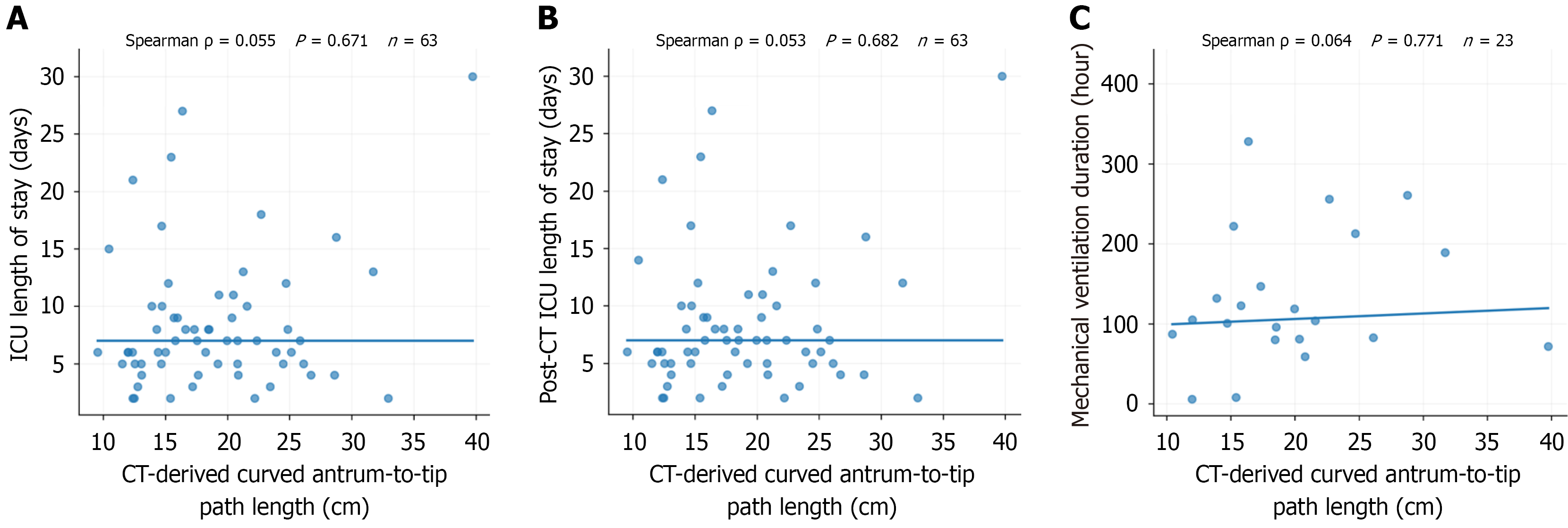
Figure 3 Associations of the computed tomography-derived nasojejunal tube tip-to-gastric antrum path length with intensive care unit outcomes.
A: Total intensive care unit length of stay in all 63 patients (Spearman rho = 0.055, P = 0.671); B: Post-computed tomography intensive care unit length of stay in all 63 patients (Spearman rho = 0.053, P = 0.682); C: Mechanical ventilation duration among the 23 mechanically ventilated patients (Spearman rho = 0.064, P = 0.771). Trend lines are shown for visualization; statistical inference is based on Spearman rank correlation. CT: Computed tomography; ICU: Intensive care unit.
- Citation: Ye W, Xie KF, Zhang YH, Huang QJ, Yao H, Yang J, Yuan SY. Computed tomography-derived nasojejunal tube tip-to-gastric antrum path length and short-term outcomes in severe acute pancreatitis. World J Radiol 2026; 18(10): 125149
- URL: https://www.wjgnet.com/1949-8470/full/v18/i10/125149.htm
- DOI: https://dx.doi.org/10.4329/wjr.125149