
















Copyright: ©Author(s) 2026.
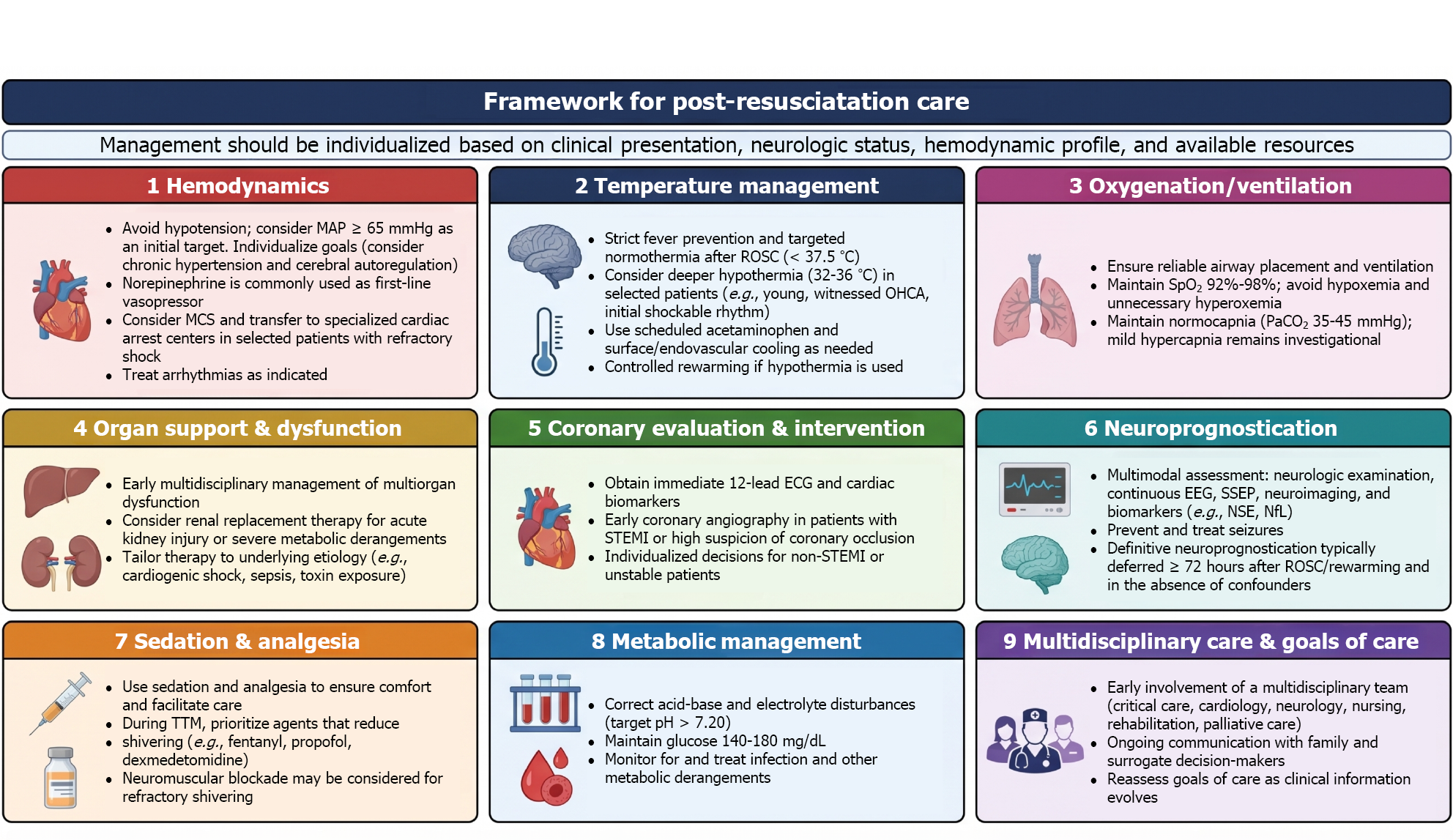
Figure 1 Framework for post-resuscitation care after cardiac arrest.
Post return of spontaneous circulation management requires a multidisciplinary, individualized approach that integrates hemodynamic optimization, temperature management, respiratory support, neurologic monitoring, coronary evaluation, metabolic stabilization, and supportive critical care measures. Key domains include maintaining adequate cerebral and systemic perfusion, actively preventing fever with selective use of targeted temperature management, avoiding hypoxemia and severe hyperoxia, early identification of reversible coronary etiologies, structured neuroprognostication, and ongoing reassessment of goals of care. Management strategies should be tailored according to neurologic status, hemodynamic profile, arrest characteristics, and available institutional resources. ROSC: Return of spontaneous circulation; MAP: Mean arterial pressure; MCS: Mechanical circulatory support; TTM: Targeted temperature management; SpO2: Peripheral oxygen saturation; PaCO2: Arterial carbon dioxide tension; ECG: Electrocardiogram; EEG: Electroencephalogram; SSEP: Somatosensory evoked potential; NSE: Neuron-specific enolase; NfL: Neurofilament light chain; STEMI: ST-elevation myocardial infarction; OHCA: Out-of-hospital cardiac arrest. Figure created with BioRender (Supplementary material).
- Citation: Rao A, Aafreen A, Agrawal A, Rao SJ, Sharma S, Sattur S, Kaluski E. Post-cardiac arrest care: An integrated approach to management after resuscitation. World J Cardiol 2026; 18(6): 121197
- URL: https://www.wjgnet.com/1949-8462/full/v18/i6/121197.htm
- DOI: https://dx.doi.org/10.4330/wjc.121197