
















Copyright: ©Author(s) 2026.
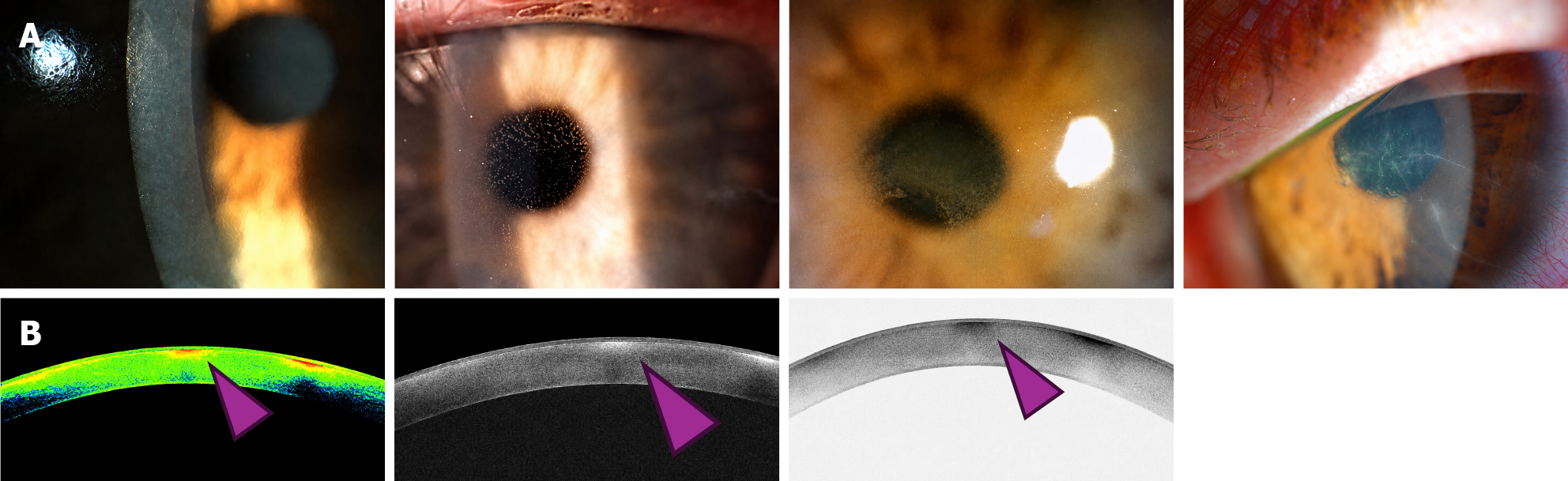
Figure 1 Slit-lamp biomicroscopy and anterior segment optical coherence tomography in amiodarone-induced cornea verticillata.
A: Slit-lamp photograph showing the typical whorl-like epithelial opacities radiating from the central to inferocentral cornea, consistent with amiodarone-related cornea verticillata; B: Anterior segment optical coherence tomography showing corresponding hyperreflective changes within the superficial corneal layers (arrowheads), consistent with epithelial drug-related deposition.
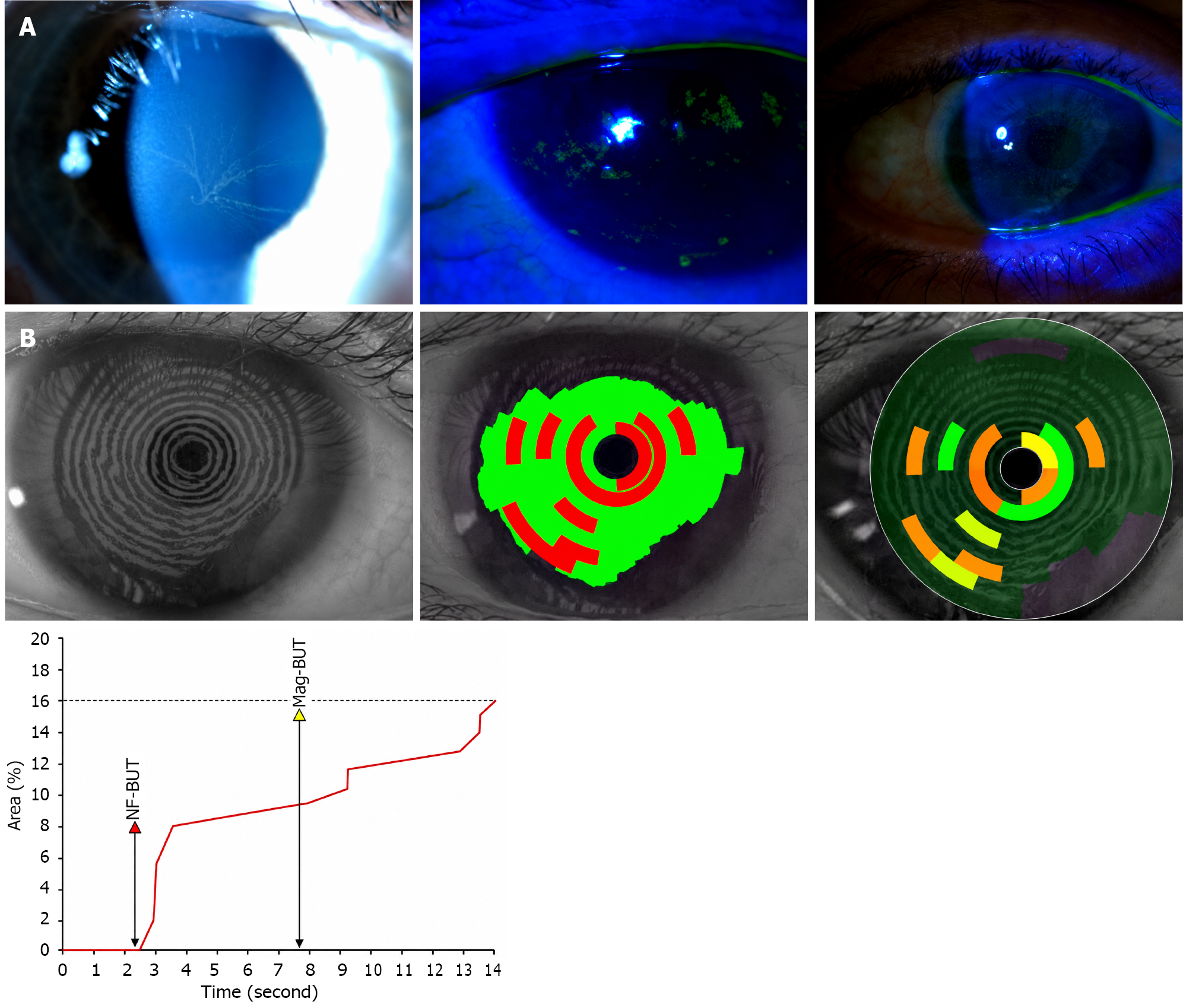
Figure 2 Ocular surface findings in a symptomatic patient receiving chronic amiodarone therapy.
A: Fluorescein staining under cobalt blue illumination showing punctate epithelial staining, consistent with associated ocular surface compromise; B: Non-invasive tear film assessment showing irregular Placido ring reflections, color-coded tear film breakup maps, and breakup time analysis, supporting the presence of tear film instability.
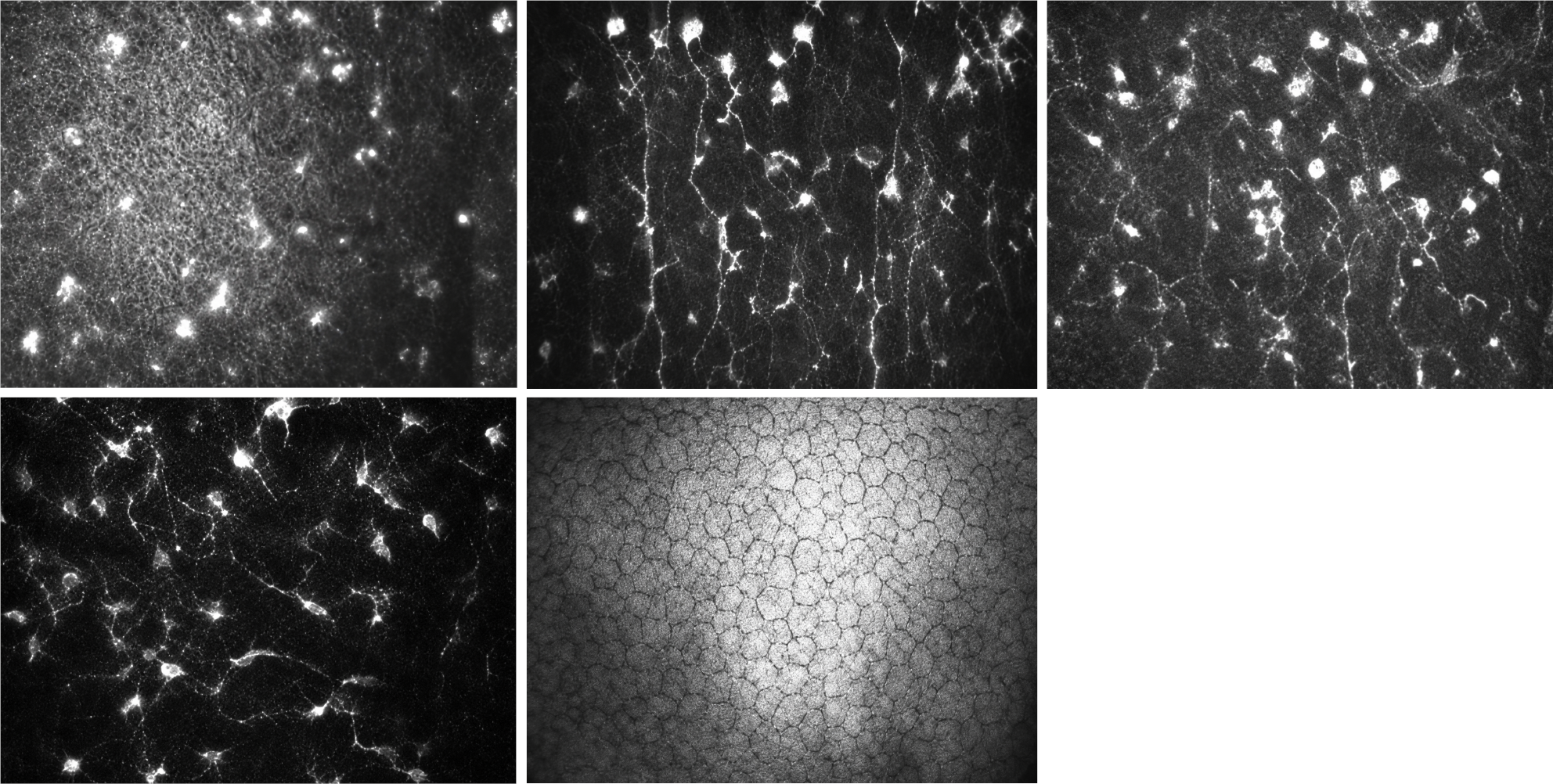
Figure 3 In vivo confocal microscopy findings in amiodarone-related keratopathy.
Representative confocal images show numerous hyperreflective intracellular inclusions predominantly within the corneal epithelial layers, consistent with drug-induced phospholipid deposition. These images illustrate the microstructural substrate of cornea verticillata and support the role of confocal microscopy as an adjunctive tool for documenting epithelial involvement in vivo.
- Citation: Capobianco M, Nicolosi SG, Cappellani F, Avitabile A, Cannizaro L, Visalli F, D’Esposito F, Gattazzo I, Gagliano C, Zeppieri M. Identifying and treating amiodarone-induced corneal deposits: When the heart saves and the cornea speaks. World J Cardiol 2026; 18(6): 121185
- URL: https://www.wjgnet.com/1949-8462/full/v18/i6/121185.htm
- DOI: https://dx.doi.org/10.4330/wjc.121185