
















©The Author(s) 2026.
World J Cardiol. Jan 26, 2026; 18(1): 113783
Published online Jan 26, 2026. doi: 10.4330/wjc.v18.i1.113783
Published online Jan 26, 2026. doi: 10.4330/wjc.v18.i1.113783
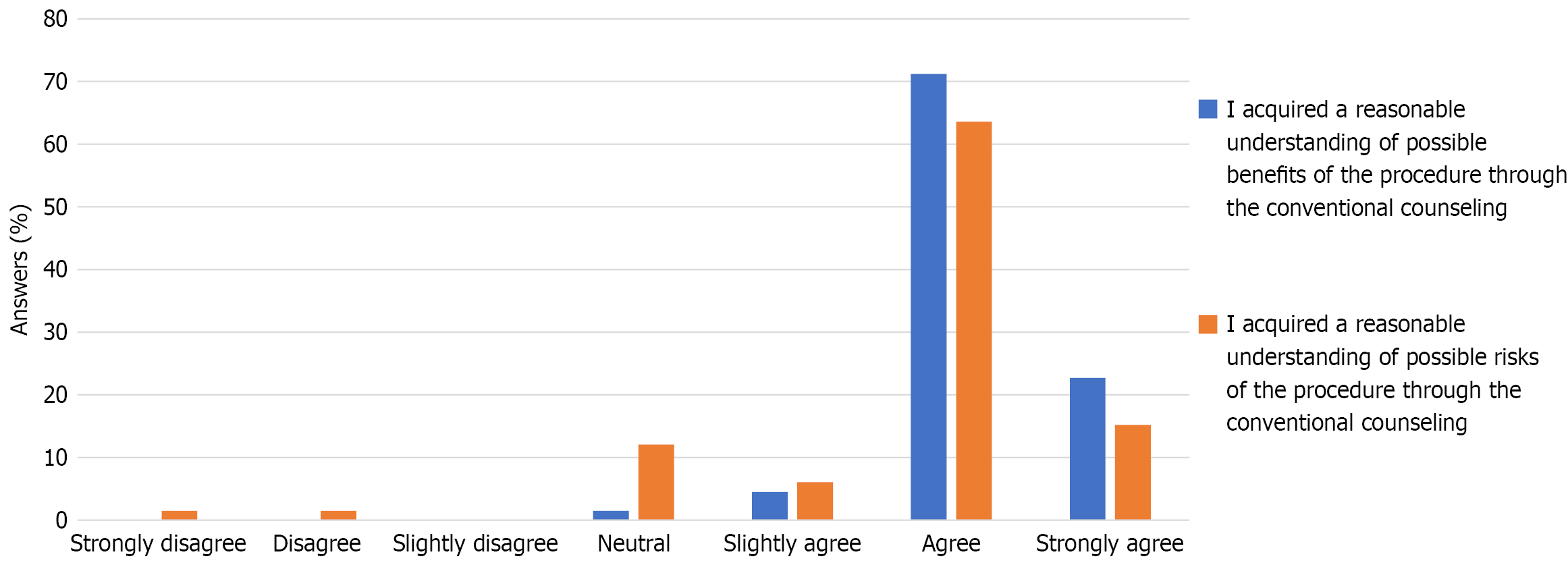
Figure 1 Understanding of benefits and risks after conventional medical counseling.
Patients’ evaluation of risks and benefits of the transcatheter aortic valve implantation-procedure after conventional medical counseling (answers in%) is shown. Most patients agreed or strongly agreed that they understood the benefits and risks of the procedure after conventional medical counseling.
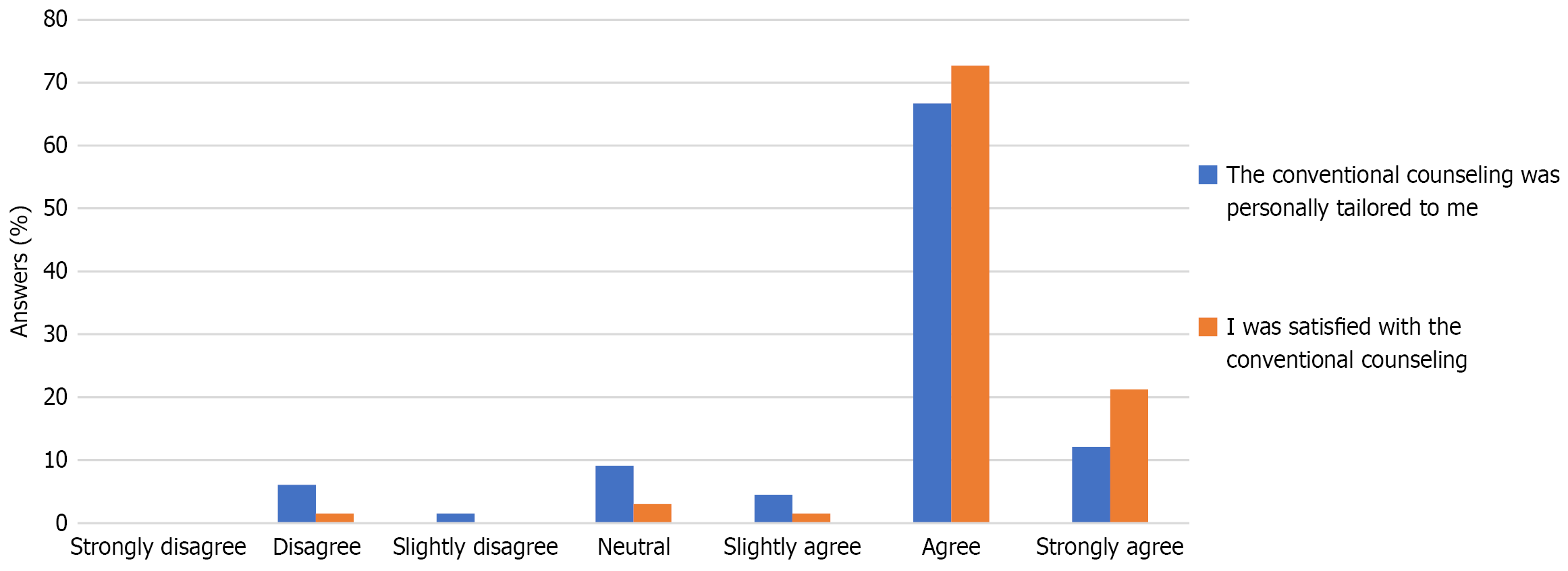
Figure 2 Patient satisfaction after counseling.
Evaluation of the physician’s empathy and overall satisfaction with medical counseling (answers in%) is shown. Most patients agreed or strongly agreed that they were satisfied with the conventional counseling and that the same was personally tailored to them.
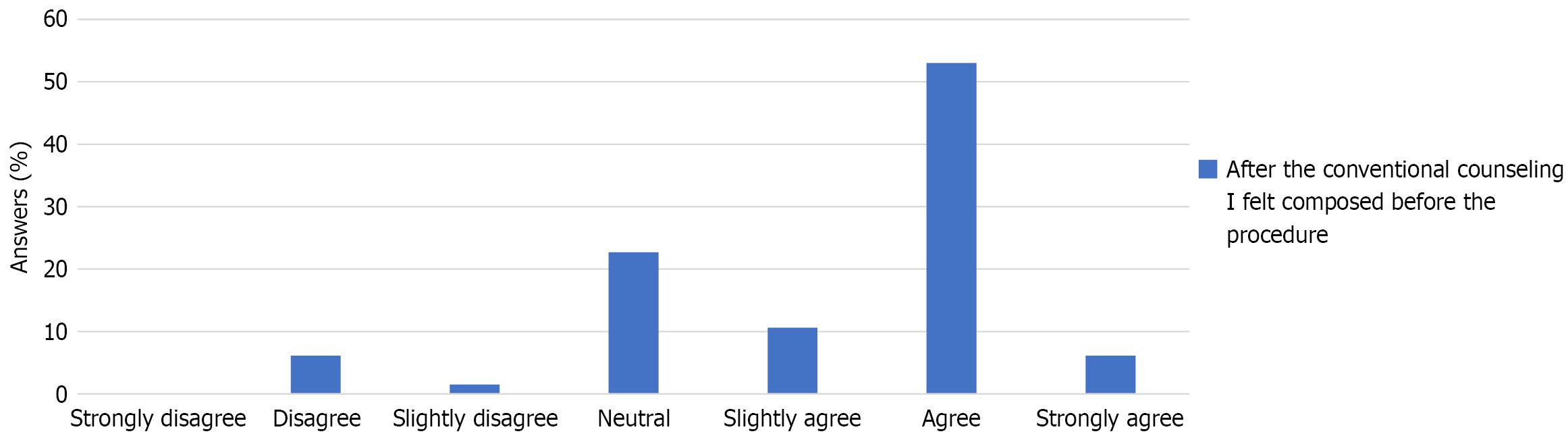
Figure 3 Absence of preprocedural tension after conventional medical counseling.
Percentage of patients who agreed upon the absence of preprocedural tension after conventional medical counseling (answers in%) is shown. Most patients agreed that the preprocedural tension was reduced after conventional medical counseling.
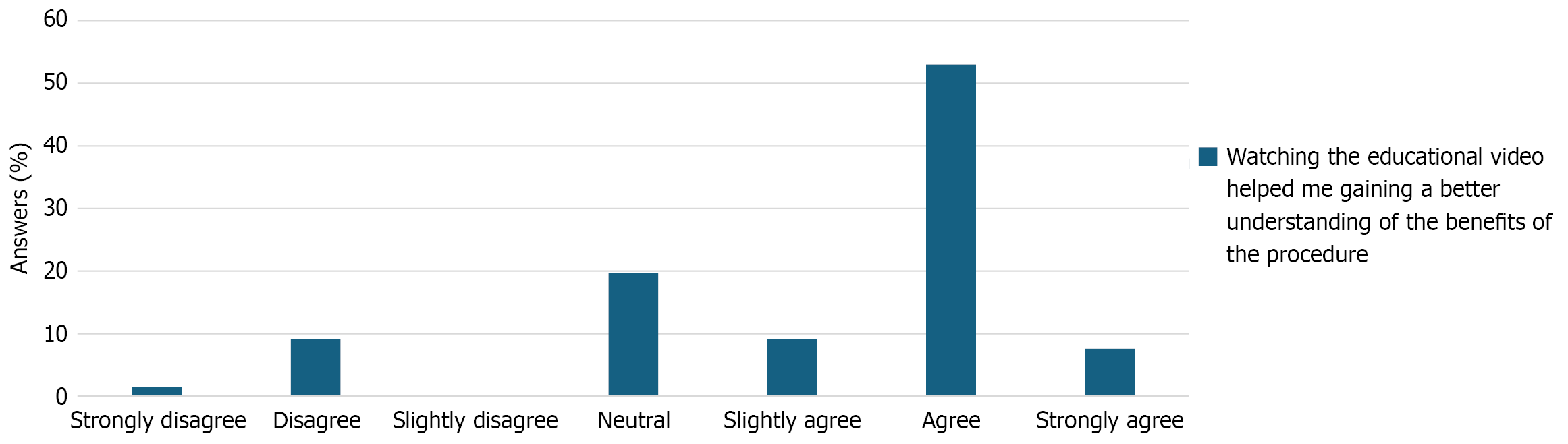
Figure 4 Reduction in preprocedural tension after watching the educational video.
Percentage of patients who agreed upon a reduction of preprocedural tension after watching the additional educational video (answers in%) is shown. Most patients agreed that the preprocedural tension was further reduced after watching the educational video in addition to conventional medical counseling.
- Citation: Genske F, Riepe A, Rawish E, Stiermaier T, Eitel I, Frerker C, Schmidt T. Importance of digital media in patient education for transcatheter aortic valve implantation. World J Cardiol 2026; 18(1): 113783
- URL: https://www.wjgnet.com/1949-8462/full/v18/i1/113783.htm
- DOI: https://dx.doi.org/10.4330/wjc.v18.i1.113783