
















Copyright: ©Author(s) 2026.
World J Biol Chem. Jun 5, 2026; 17(2): 121685
Published online Jun 5, 2026. doi: 10.4331/wjbc.v17.i2.121685
Published online Jun 5, 2026. doi: 10.4331/wjbc.v17.i2.121685
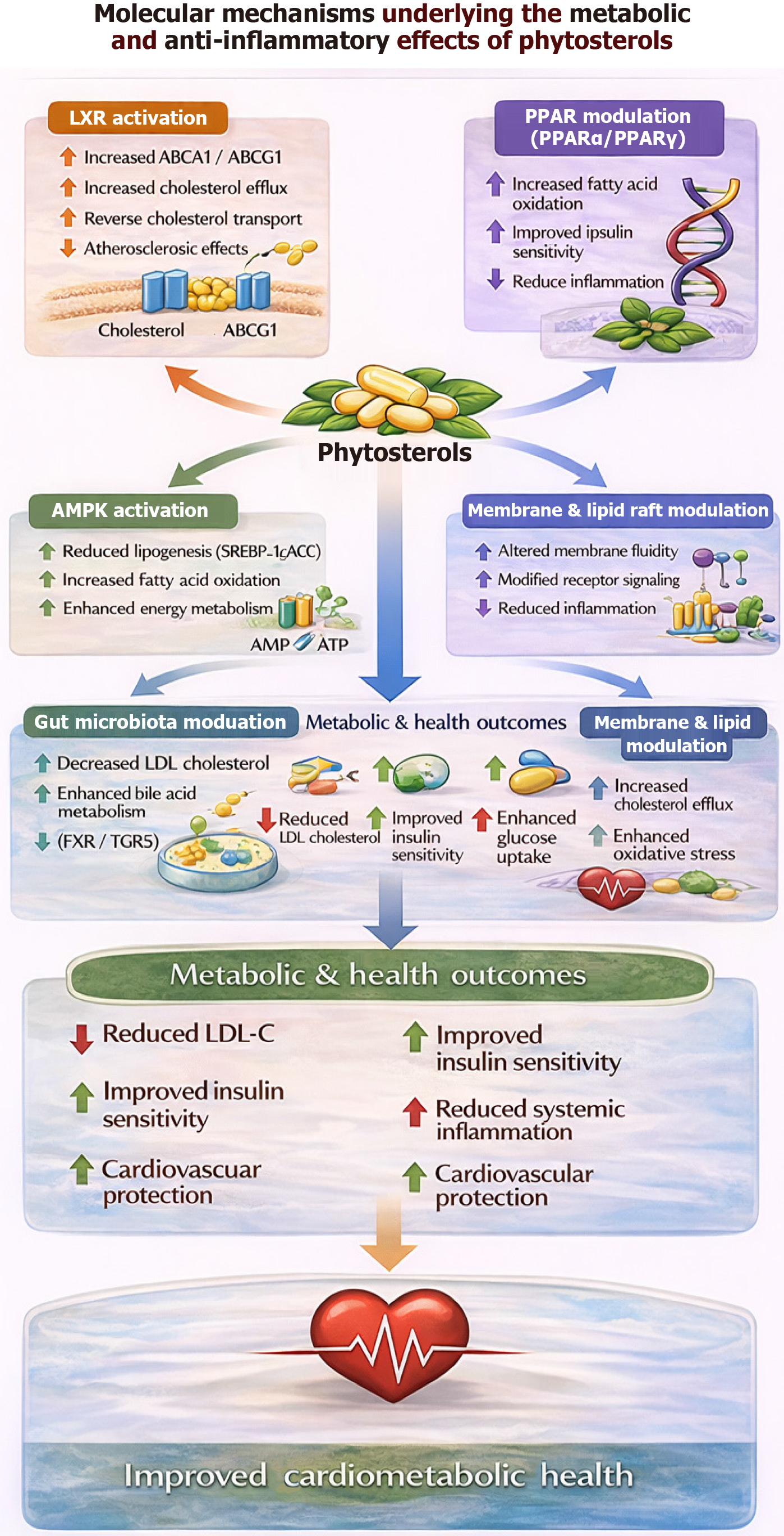
Figure 1 Molecular mechanisms underlying the metabolic and anti-inflammatory effects of phytosterols.
Phytosterols regulate multiple cellular signaling pathways involved in metabolic homeostasis and inflammation. These mechanisms include activation of liver X receptors, which enhances cholesterol efflux through ATP-binding cassette transporter A1 and ABCG1 and promotes reverse cholesterol transport; modulation of peroxisome proliferator-activated receptors (α/γ), which improves fatty acid oxidation and insulin sensitivity; and activation of AMP-activated protein kinase, resulting in suppression of lipogenesis and stimulation of energy metabolism. In addition, phytosterols alter membrane lipid raft organization, influencing receptor-mediated signaling and inflammatory pathways. Emerging evidence also indicates that phytosterols modulate gut microbiota composition and bile acid signaling through pathways involving the farnesoid X receptor and Takeda G protein-coupled receptor 5, contributing to improved metabolic regulation. Collectively, these mechanisms lead to reduced low-density lipoprotein cholesterol levels, decreased hepatic lipid accumulation, improved insulin sensitivity and glucose uptake, and attenuation of systemic inflammation, ultimately supporting cardiometabolic health. ABCA1: ATP-binding cassette transporter A1; ACC: Acetyl-CoA carboxylase; AMPK: AMP-activated protein kinase; FXR: Farnesoid X receptor; LDL-C: Low-density lipoprotein cholesterol; LXR: Liver X receptors; PPAR: Peroxisome proliferator-activated receptors; SREBP-1c: Sterol regulatory element-binding protein-1c; TGR5: Takeda G protein-coupled receptor 5.
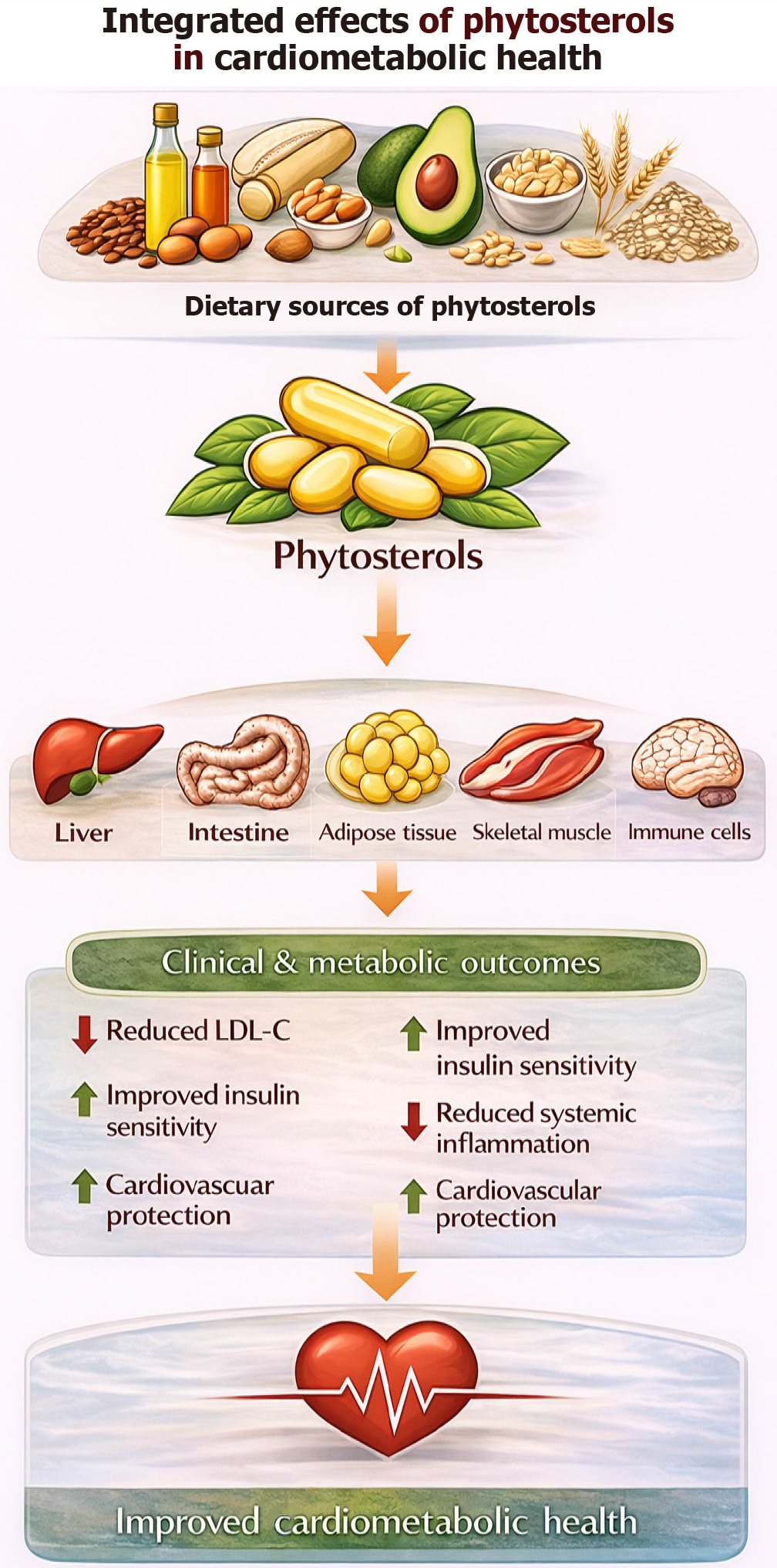
Figure 2 Integrated effects of phytosterols in cardiometabolic health.
Dietary phytosterols derived from plant-based foods act across multiple target tissues, including the liver, intestine, adipose tissue, skeletal muscle, and immune cells, to exert coordinated metabolic effects. These actions lead to reduced intestinal cholesterol absorption, decreased hepatic lipid accumulation, improved insulin sensitivity, enhanced glucose utilization, and attenuation of systemic inflammation. Collectively, these integrated physiological and clinical outcomes contribute to improved cardiometabolic health and reduced risk of cardiovascular and metabolic diseases. LDL-C: Low-density lipoprotein cholesterol.
- Citation: Mohamed D, Ramadan AA, Mabrok HB, Hamed I. Phytosterols in human health: Biochemical mechanisms of action and disease-modulating effects. World J Biol Chem 2026; 17(2): 121685
- URL: https://www.wjgnet.com/1949-8454/full/v17/i2/121685.htm
- DOI: https://dx.doi.org/10.4331/wjbc.v17.i2.121685