
















Copyright: ©Author(s) 2026.
World J Biol Chem. Jun 5, 2026; 17(2): 120297
Published online Jun 5, 2026. doi: 10.4331/wjbc.v17.i2.120297
Published online Jun 5, 2026. doi: 10.4331/wjbc.v17.i2.120297
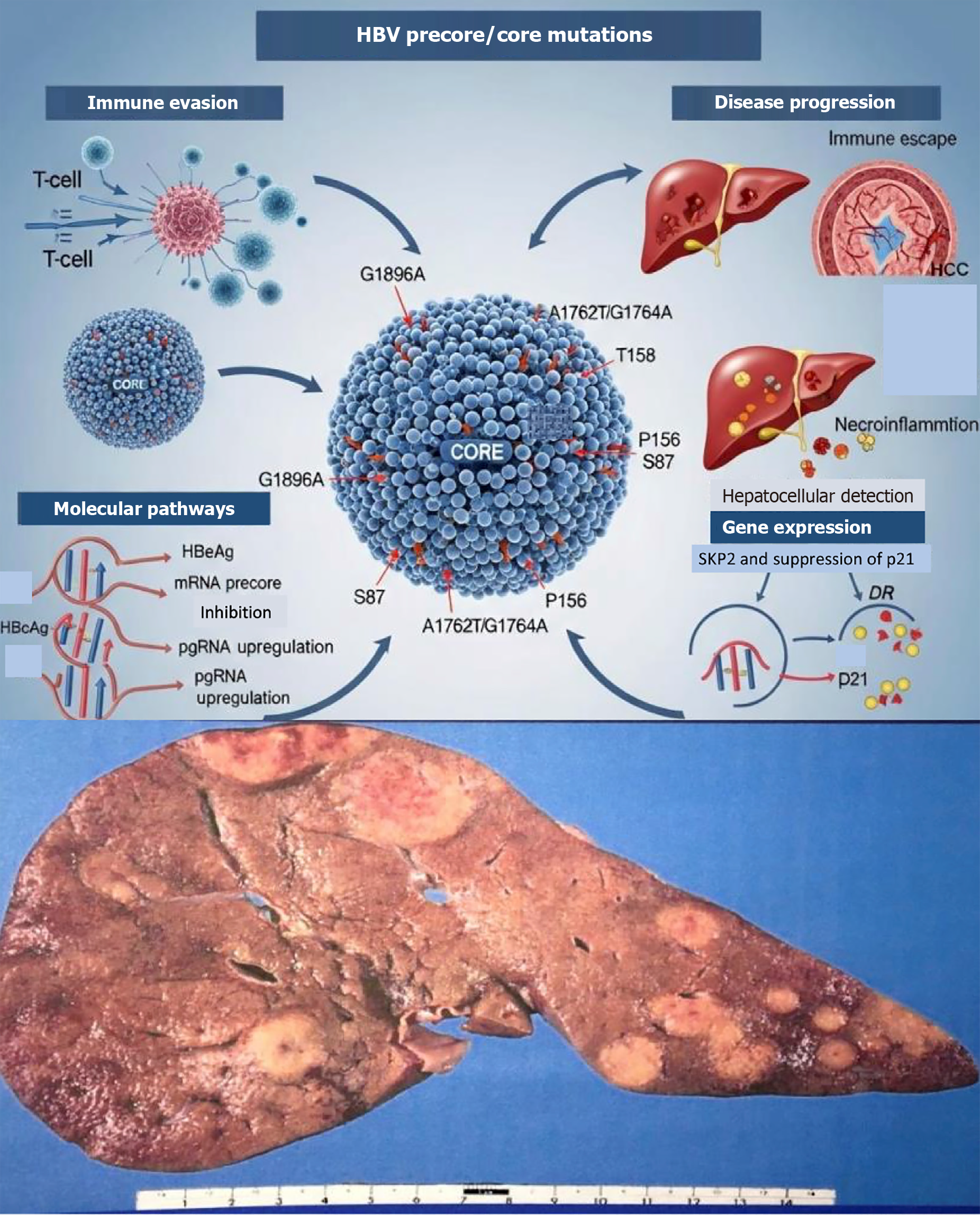
Figure 1 Hepatitis B e antigen and hepatitis B core antigen share the same 149 aa sequence and are produced by one of the four open reading frames of the hepatitis B virus.
The popularity of mutations in the hepatitis B virus (HBV) four open reading frames is a variation that enables the virus to evade the immune system and relapse. In liver tissue specimens, the basic core promoter region may downregulate hepatitis B e antigen expression (negative chronic). i.e., the precore mutation G1896A and the A1762T/G1764A double mutation are known to affect early prognosis and severity of hepatocellular carcinoma (HCC), and were identified as a factor that independently predicts worse survival rates after surgery for HCC. Versatile studies provided mechanisms that position HBV core antigen into cytoplasm with active hepatic necroinflammation; HBV core upregulation of the S-phase kinase-associated protein 2; and suppression of its target’s activity, the cyclin kinase inhibitor p21, and eventually mRNA precore inhibition, upregulation of pregenomic RNA transcription, and ultimately HCC. The mutations S87 and P156 were identified as independent risk factors for cancer recurrence. The bottom capture is an autopsy case of metastatic HCC from our laboratory. HBV: Hepatitis B virus; HCC: Hepatocellular carcinoma; HBeAg: Hepatitis B e antigen; HBcAg: Hepatitis B core antigen; SKP2: S-phase kinase-asso
- Citation: Abdulrahman MS, Aboelmagd O, Zhang Y, Zaky S, Johar D. Precore/core mutation relatedness to viral reactivation in patients undergoing targeted therapy for hepatitis B virus-related hepatocellular carcinoma. World J Biol Chem 2026; 17(2): 120297
- URL: https://www.wjgnet.com/1949-8454/full/v17/i2/120297.htm
- DOI: https://dx.doi.org/10.4331/wjbc.v17.i2.120297