
















Copyright: ©Author(s) 2026.
World J Gastrointest Surg. Aug 27, 2026; 18(8): 120625
Published online Aug 27, 2026. doi: 10.4240/wjgs.120625
Published online Aug 27, 2026. doi: 10.4240/wjgs.120625
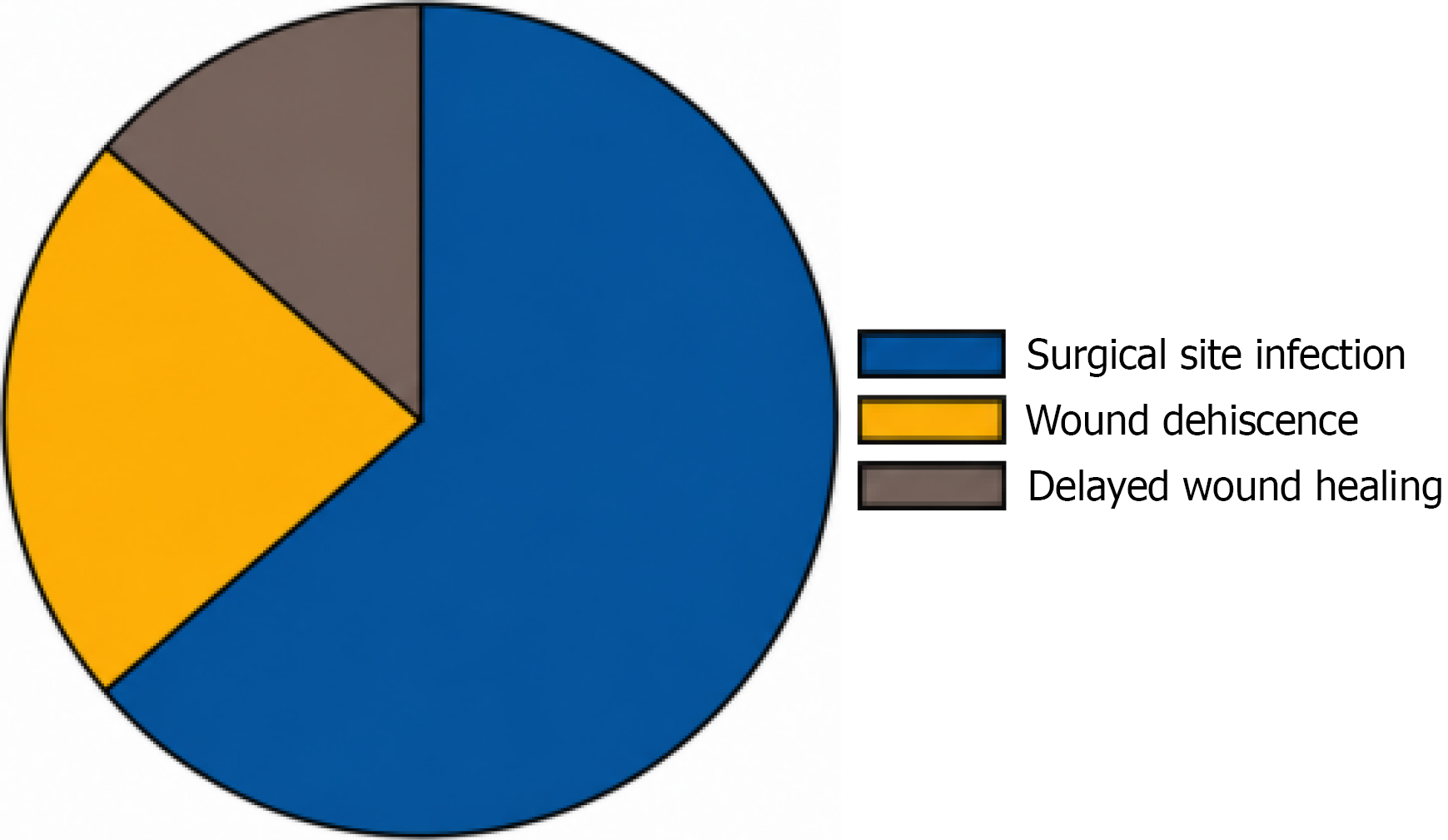
Figure 1 Distribution of poor wound healing types after emergency surgery in patients with intestinal tuberculosis.
Among the 22 patients who developed poor wound healing, surgical site infection was the predominant complication (63.6%), followed by wound dehiscence (22.7%) and delayed wound healing (13.6%).
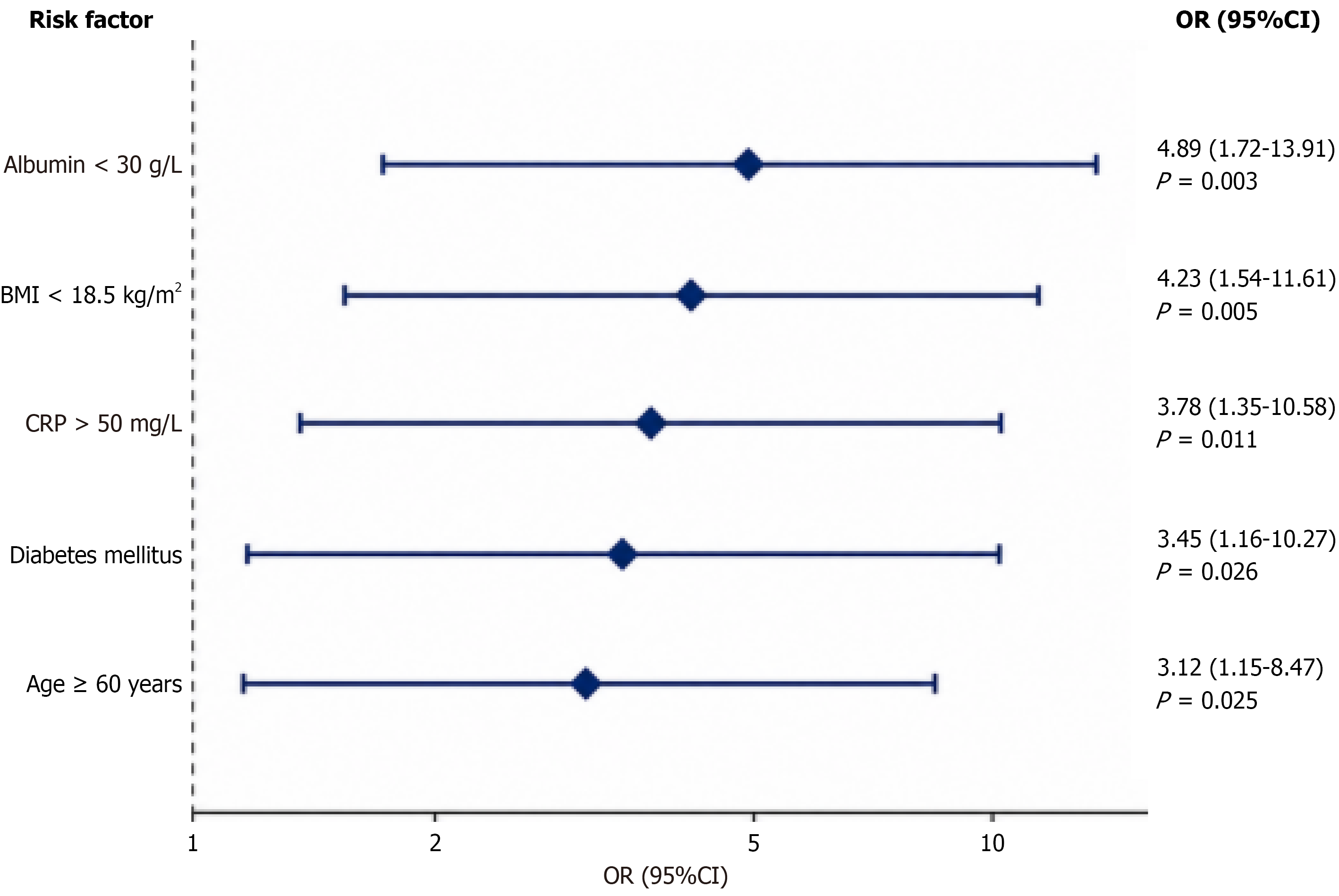
Figure 2 Independent risk factors for poor wound healing after emergency surgery in patients with intestinal tuberculosis.
Forest plot of multivariate logistic regression analysis identifying five independent risk factors for poor wound healing. Albumin < 30 g/L [odds ratio (OR) = 4.89, 95% confidence interval (CI): 1.72-13.91] and body mass index < 18.5 kg/m2 (OR = 4.23, 95%CI: 1.54-11.61) conferred the greatest risk, followed by C-reactive protein > 50 mg/L (OR = 3.78, 95%CI: 1.35-10.58), diabetes mellitus (OR = 3.45, 95%CI: 1.16-10.27), and age ≥ 60 years (OR = 3.12, 95%CI: 1.15-8.47). All factors reached statistical significance (P < 0.05). Diamonds represent point estimates; horizontal lines indicate 95%CIs. BMI: Body mass index; CRP: C-reactive protein; CI: Confidence interval; OR: Odds ratio.
- Citation: He Q, Xue JM, Weng JF, Li XN, Zhang CX. Incidence and risk factors of poor wound healing following emergency surgery for intestinal tuberculosis. World J Gastrointest Surg 2026; 18(8): 120625
- URL: https://www.wjgnet.com/1948-9366/full/v18/i8/120625.htm
- DOI: https://dx.doi.org/10.4240/wjgs.120625