
















Copyright: ©Author(s) 2026.
World J Gastrointest Surg. Jun 27, 2026; 18(6): 115706
Published online Jun 27, 2026. doi: 10.4240/wjgs.115706
Published online Jun 27, 2026. doi: 10.4240/wjgs.115706
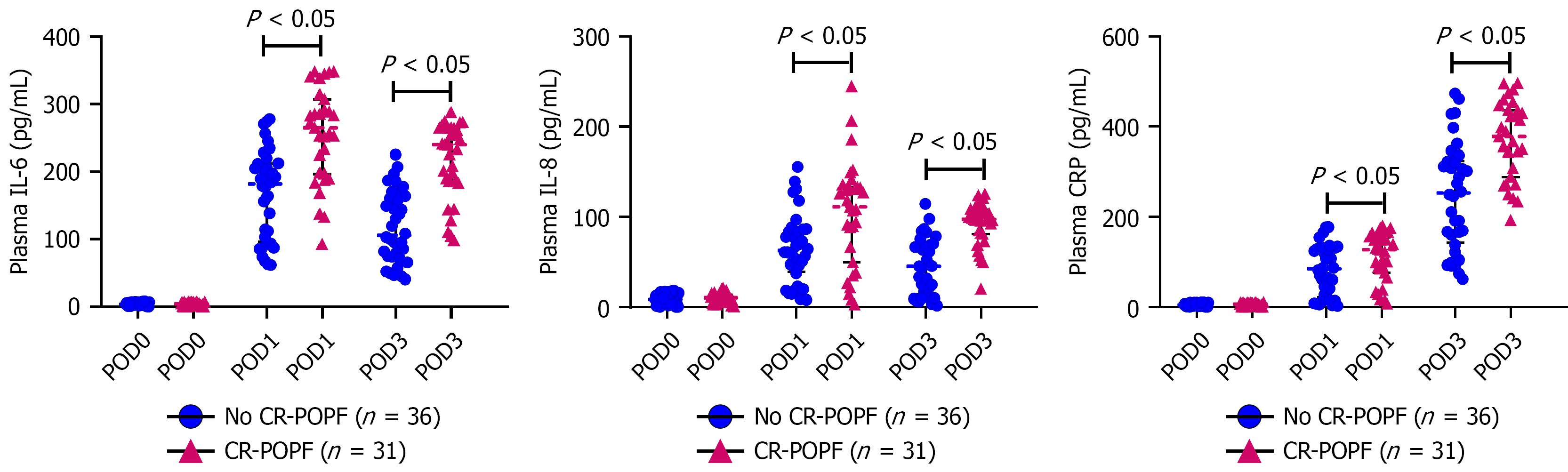
Figure 1 Comparison of plasma interleukin-6, interleukin-8, and C-reactive protein between the no clinically relevant postoperative pancreatic fistula and clinically relevant postoperative pancreatic fistula groups.
CR-POPF: Clinically relevant postoperative pancreatic fistula; CRP: C-reactive protein; IL: Interleukin; POD: Postoperative day.
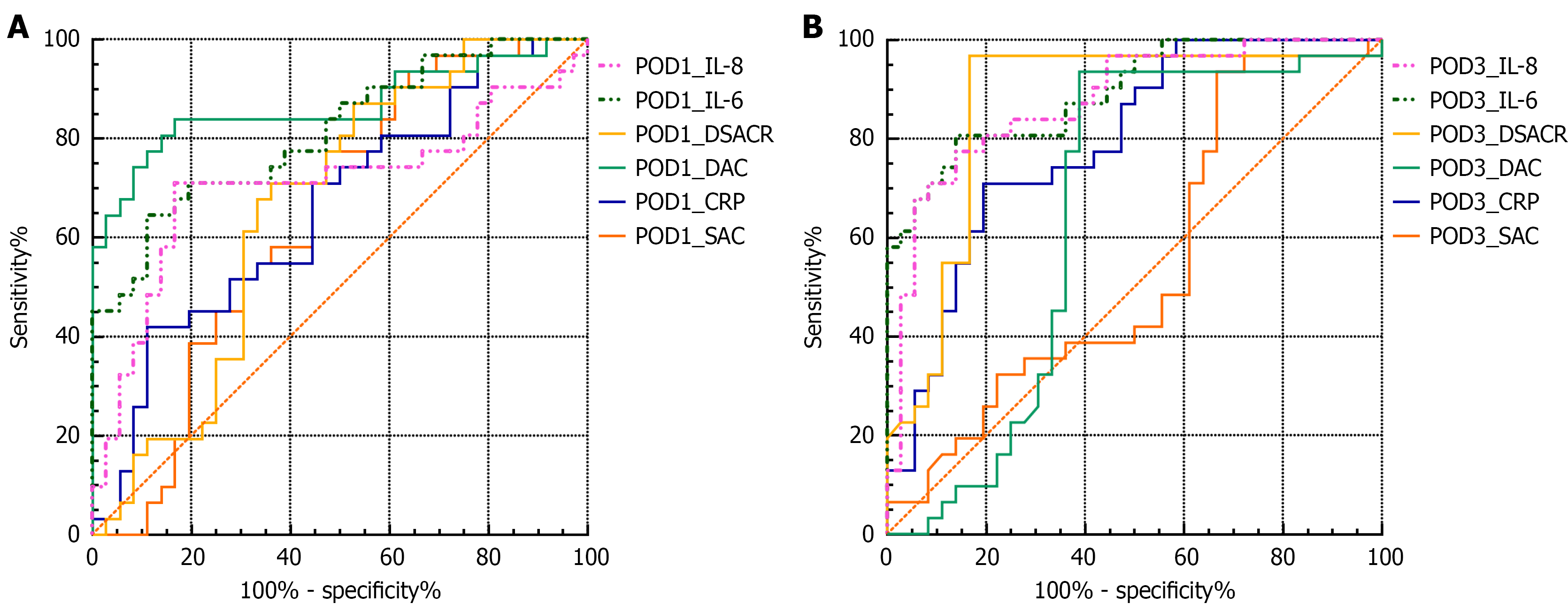
Figure 2 Diagnostic accuracy of biomarkers for clinically relevant postoperative pancreatic fistula following laparoscopic pancrea
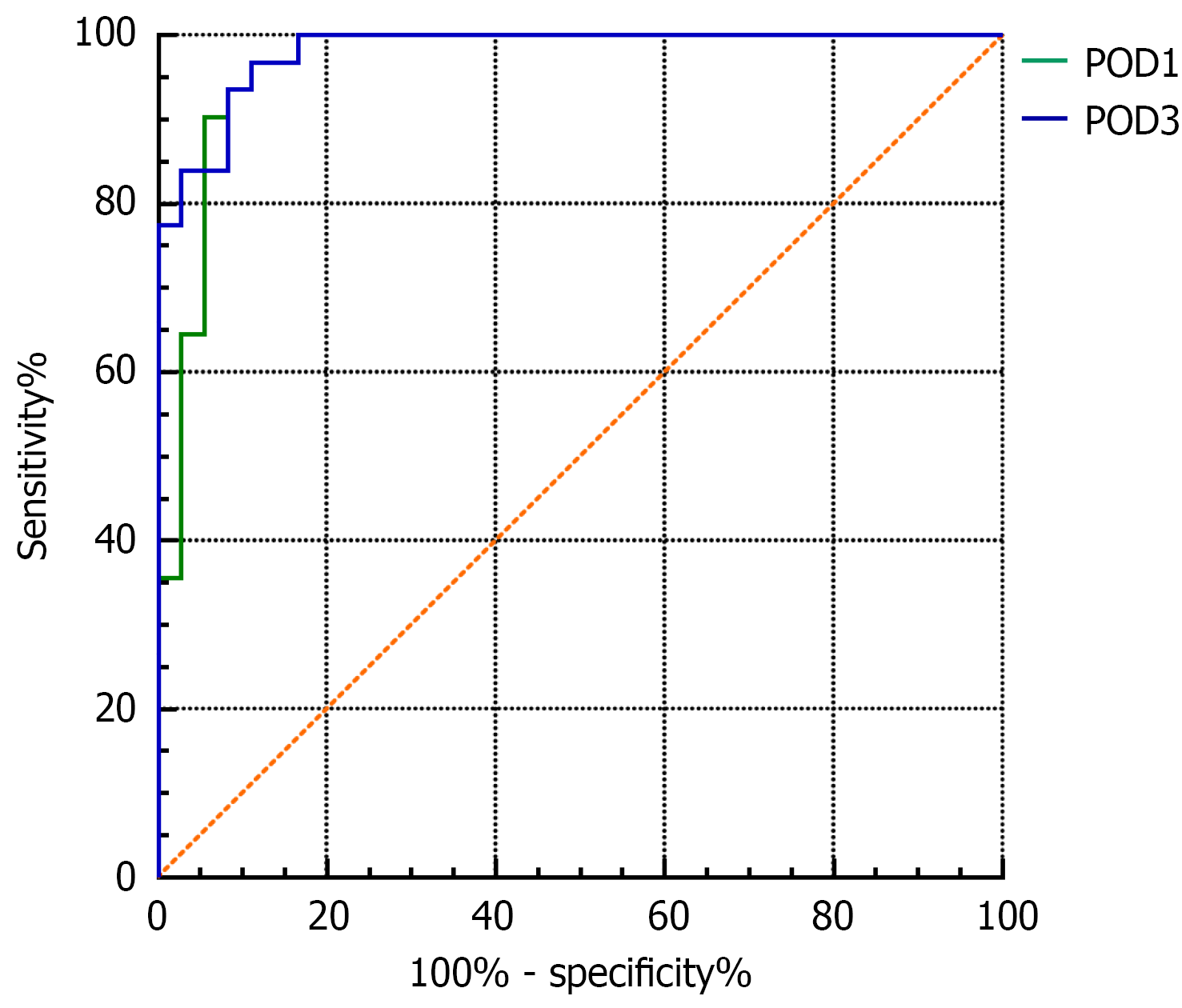
Figure 3 The combined diagnostic efficacy of plasma levels of C-reactive protein, interleukin-8, and interleukin-6, in addition to drain fluid amylase concentration, serum amylase concentration, and drain-to-serum amylase concentration ratio, was evaluated for predicting clinically relevant postoperative pancreatic fistula post laparoscopic pancreaticoduodenectomy on both the postoperative day 1 and postoperative day 3 postoperative days.
POD: Postoperative day.
- Citation: Yang JK, Gu YQ, He ZG, Liu FB. Combined inflammatory markers and amylase levels for early detection of postoperative pancreatic fistula following laparoscopic pancreaticoduodenectomy. World J Gastrointest Surg 2026; 18(6): 115706
- URL: https://www.wjgnet.com/1948-9366/full/v18/i6/115706.htm
- DOI: https://dx.doi.org/10.4240/wjgs.115706