
















Copyright: ©Author(s) 2026.
World J Gastrointest Surg. Apr 27, 2026; 18(4): 118003
Published online Apr 27, 2026. doi: 10.4240/wjgs.v18.i4.118003
Published online Apr 27, 2026. doi: 10.4240/wjgs.v18.i4.118003
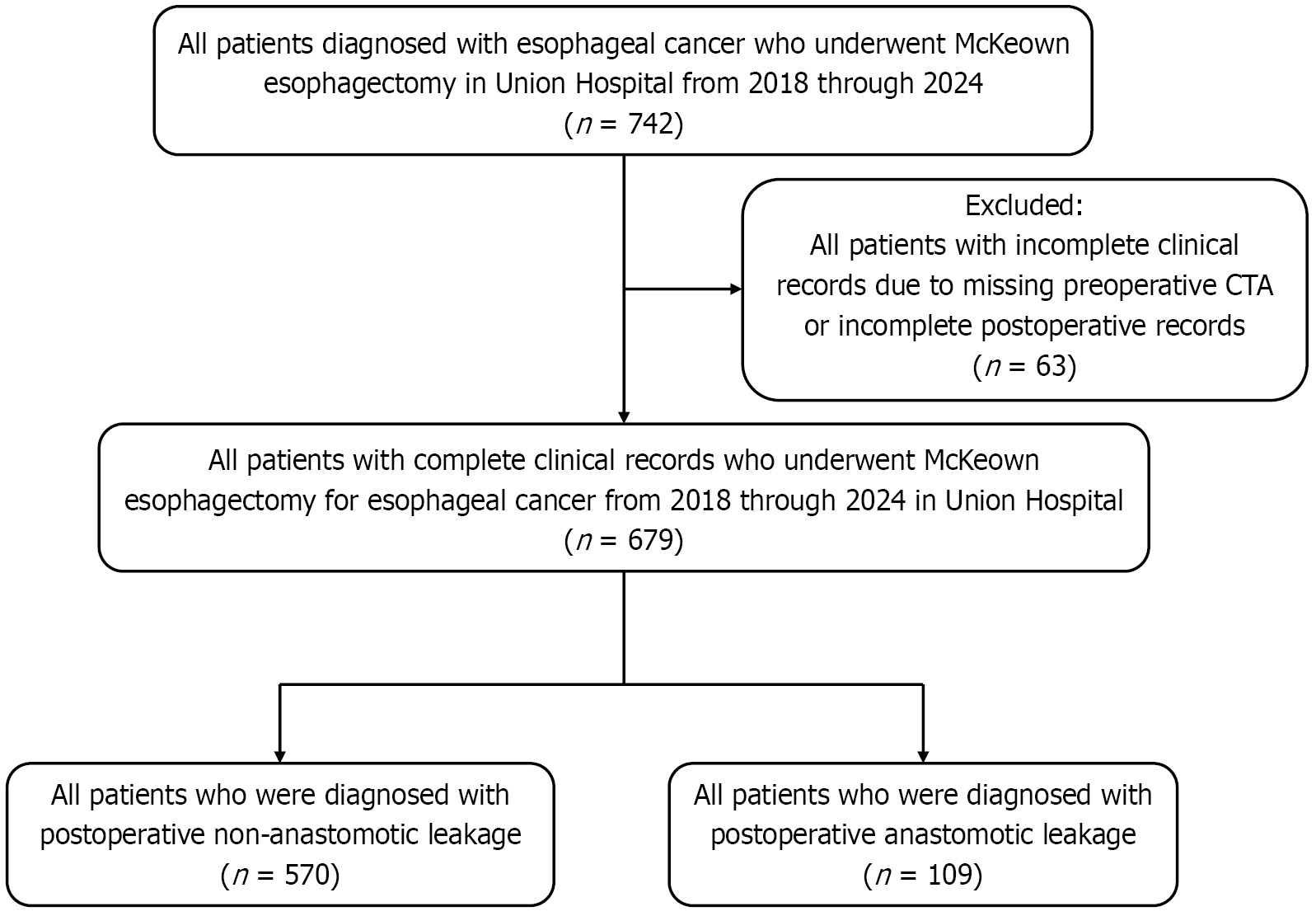
Figure 1 Flowchart of patient inclusion, exclusion, and analysis.
CTA: Computed tomographic angiography.
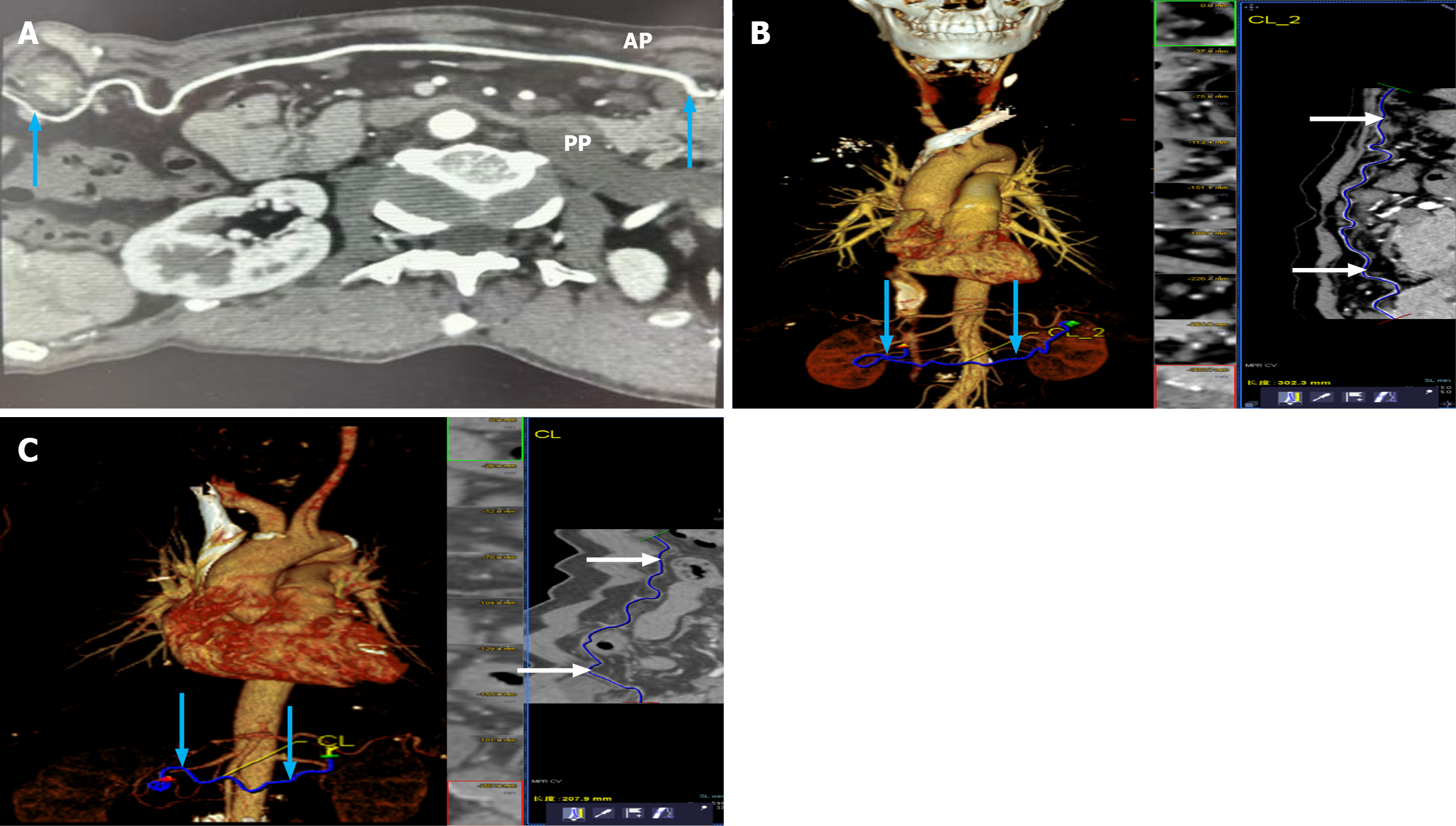
Figure 2 The reconstructed computed tomographic angiography image of the right gastroepiploic artery.
A: Two-dimensional reconstructed computed tomographic angiography (CTA) image of the right gastroepiploic artery (RGEA) demonstrating its origin from the gastroduodenal artery (left blue arrow), and its terminal branch along the greater curvature of the stomach (right blue arrow), illustrating the arterial full length; B: Integrated CTA images illustrating a longer RGEA: Three-dimensional reconstruction (blue arrows), corresponding axial CTA slices demonstrating the arterial course (center), and measurement of the arterial path (blue line) with a length of 30.2 cm (white arrows); C: Integrated CTA images illustrating a shorter RGEA: Three-dimensional reconstruction (blue arrows), corresponding axial CTA slices (center), and measurement of the arterial path (blue line) with a length of 20.8 cm (white arrows). AP: Anterior peritoneum; PP: Posterior peritoneum.
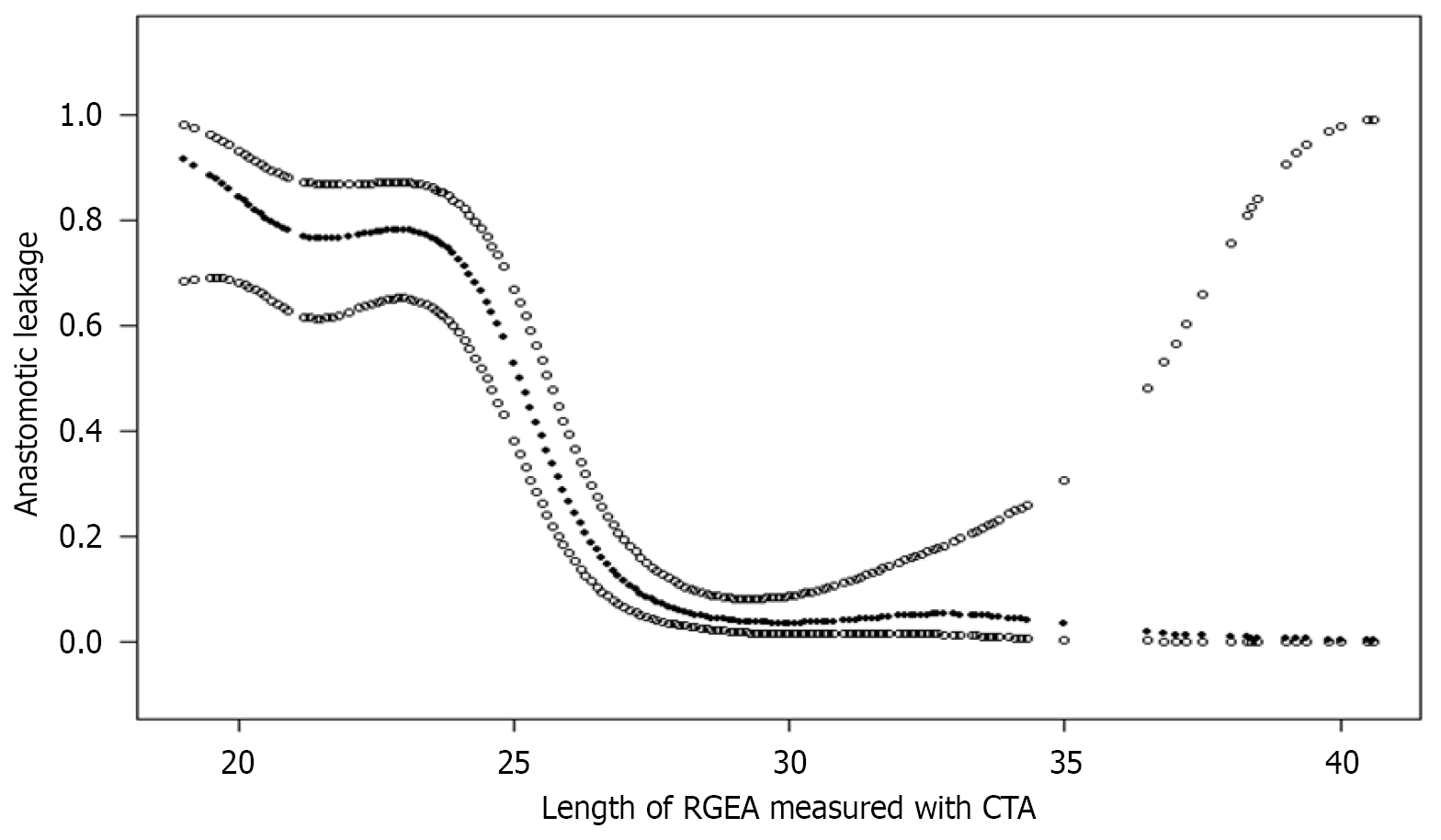
Figure 3 Predicted probability of anastomotic leakage according to right gastroepiploic artery length measured by computed tomogra
- Citation: Sowe B, Lei P, Tang GX, Yang FJ, Wang SH, Song T. Computed tomographic angiography measured right gastroepiploic artery length and anastomotic leakage after McKeown esophagectomy: A retrospective cohort study. World J Gastrointest Surg 2026; 18(4): 118003
- URL: https://www.wjgnet.com/1948-9366/full/v18/i4/118003.htm
- DOI: https://dx.doi.org/10.4240/wjgs.v18.i4.118003