
















Copyright: ©Author(s) 2026.
World J Gastrointest Surg. Apr 27, 2026; 18(4): 117684
Published online Apr 27, 2026. doi: 10.4240/wjgs.v18.i4.117684
Published online Apr 27, 2026. doi: 10.4240/wjgs.v18.i4.117684
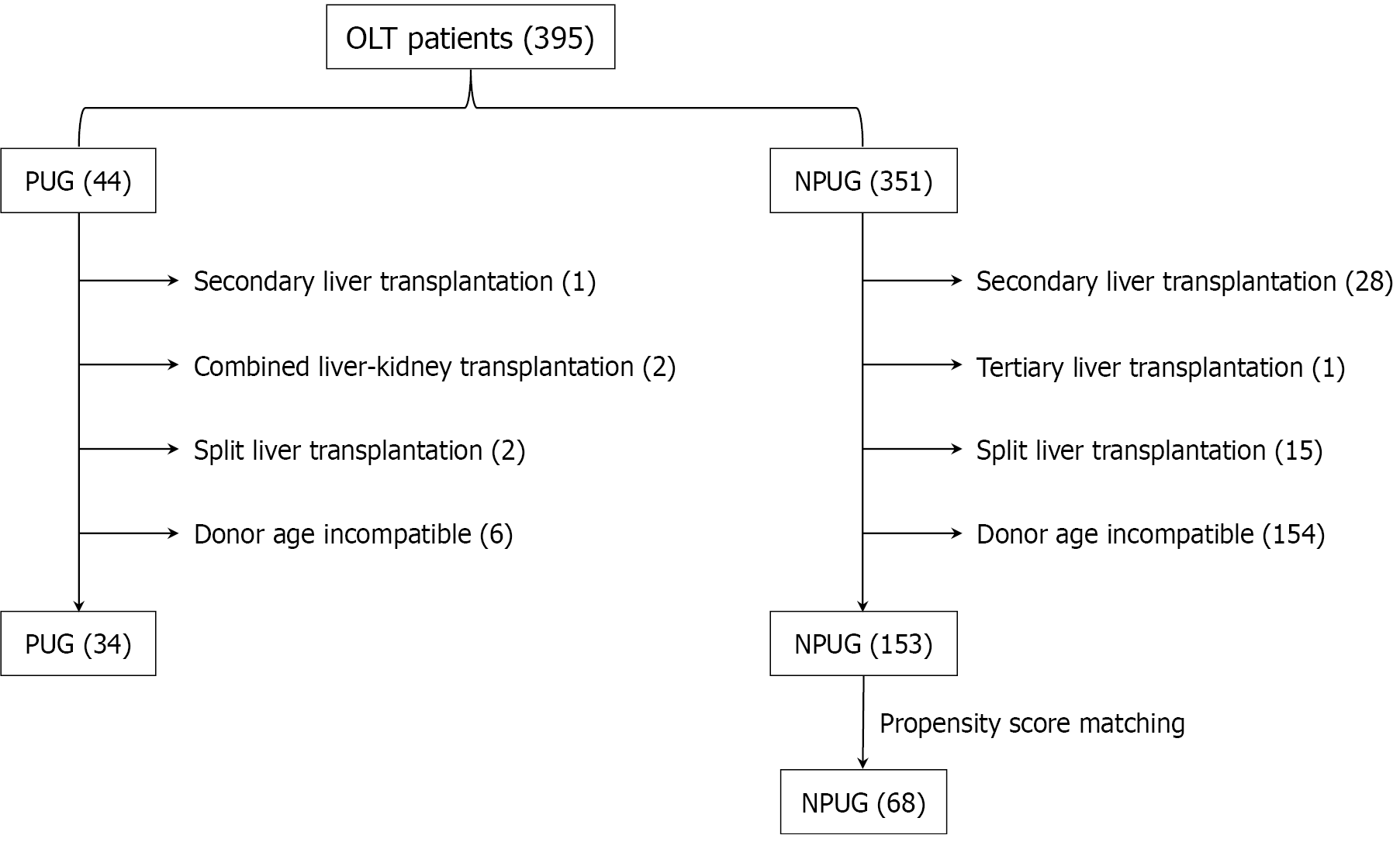
Figure 1 Inclusion and exclusion criteria of orthotopic liver transplantation recipients.
NPUG: Non-pancreas-using group; OLT: Orthotopic liver transplantation; PUG: Pancreas-using group.
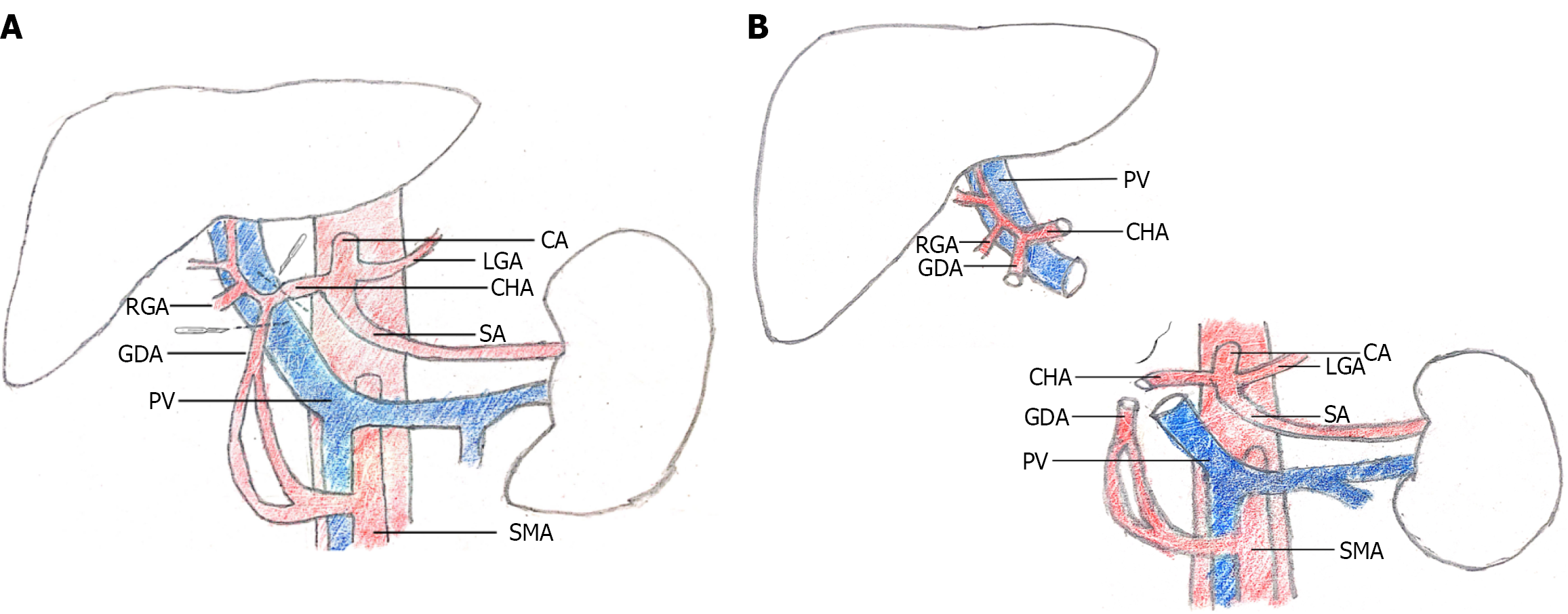
Figure 2 The shared vessel allocation between liver and pancreas.
A: The dotted line means cut line; B: End-to-end anastomosised gastroduodenal artery and common hepatic artery using 7-0 suture for artery reconstruction in simultaneous pancreas-kidney patients. Liver team allocated gastroduodenal artery-common hepatic artery patch. Ligating the distal of splenic artery and vein, left gastric artery, the distal of superior mesenteric vein when trimming the pancreas in the back table. CA: Celiac artery; CHA: Common hepatic artery; GDA: Gastroduodenal artery; LGA: Left gastric artery; PV: Portal vein; RGA: Right gastric artery; SA: Splenic artery; SMA: Superior mesenteric artery.
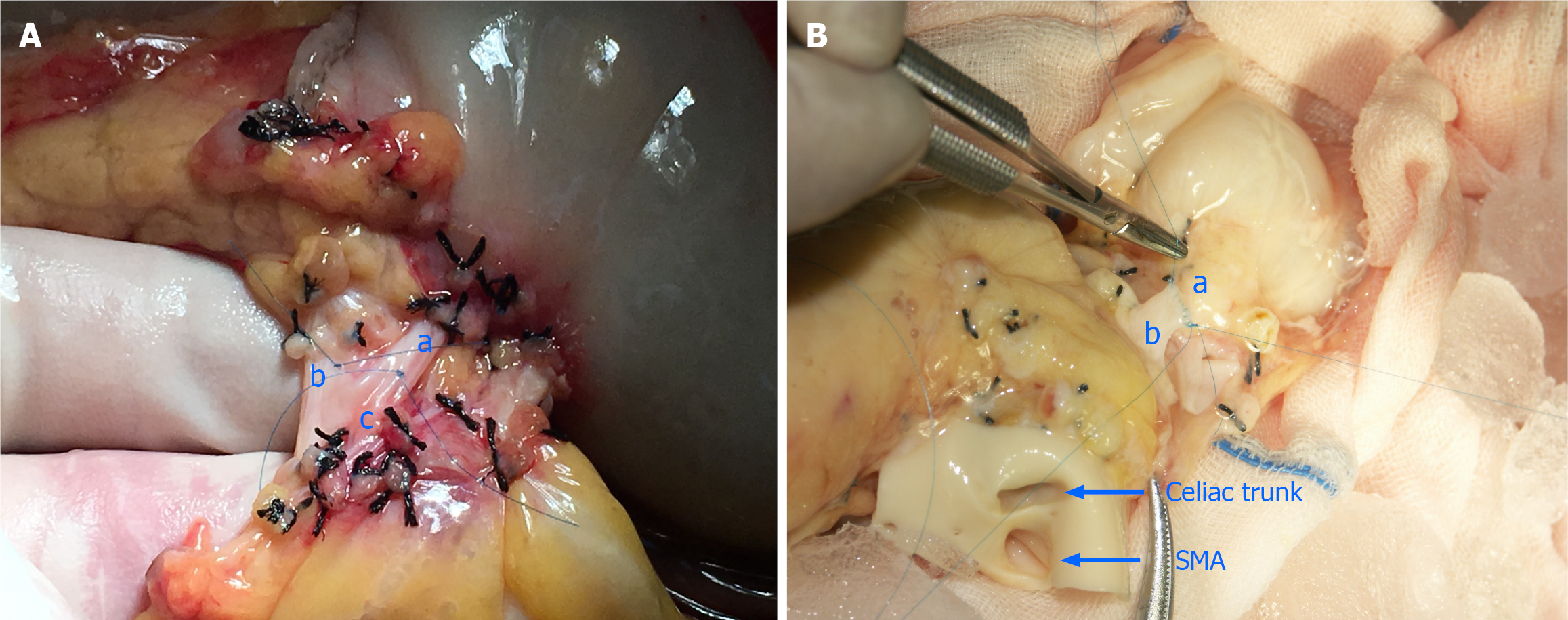
Figure 3 The real object image of the shared vessel allocation between liver and pancreas.
A: The arteries were cut off at the bifurcation 5 mm from the beginning of the gastroduodenal artery and the end of common hepatic artery; B: End-to-end anastomosised the gastroduodenal artery and common hepatic artery for artery reconstruction. The celiac trunk-superior mesenteric artery patch allocate to pancreas for the graft blood supply. a: Gastroduodenal artery; b: Common hepatic artery; c: Proper hepatic artery.
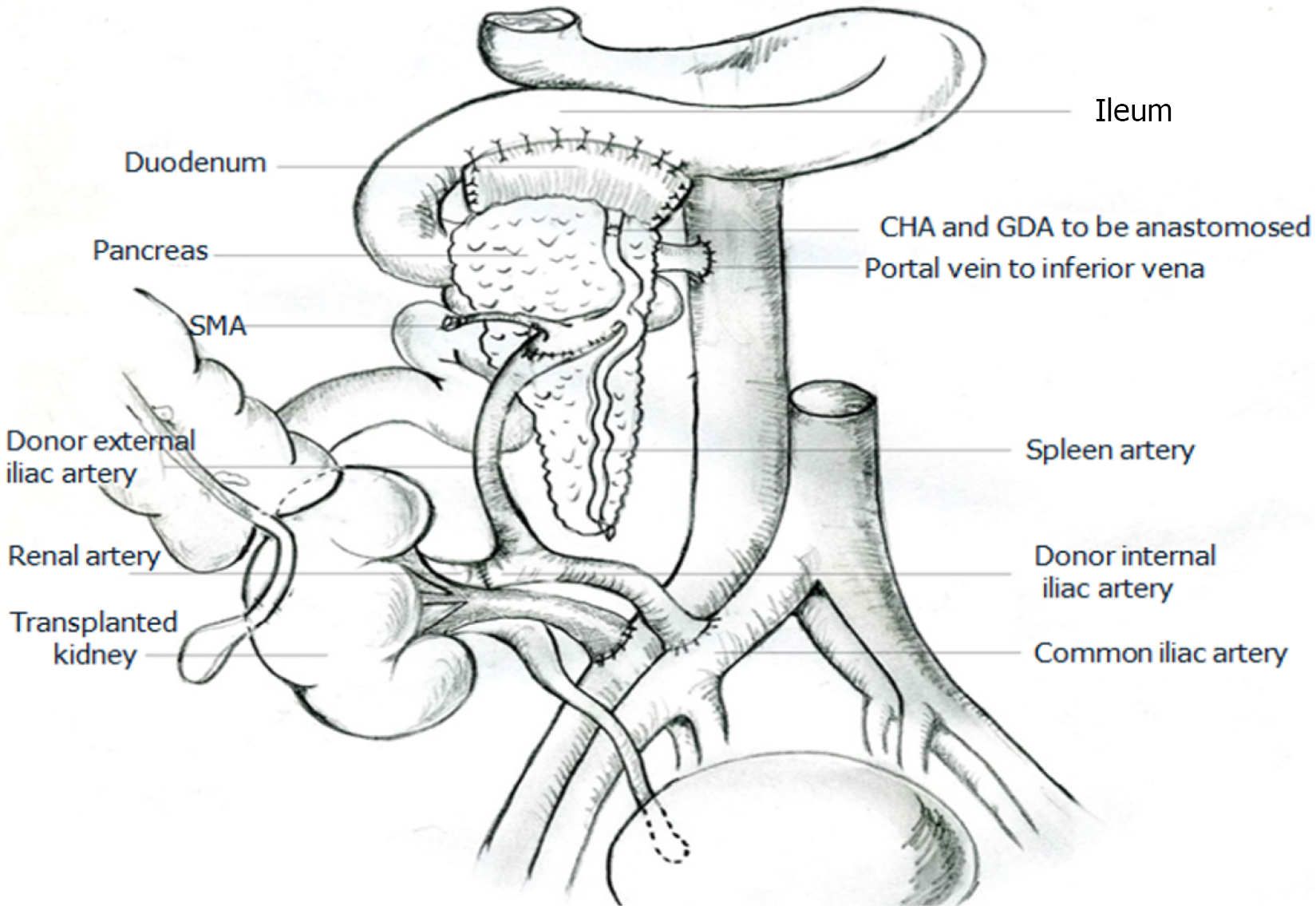
Figure 4 The surgery method of simultaneous pancreas-kidney in our center.
The arterial blood supply to the transplanted pancreas is provided by a common patch from the superior mesenteric artery and the celiac artery, with venous drainage via the portal vein into the inferior vena cava. In this reconstruction, the donor’s Y-shaped iliac vascular graft serves as a bridge, and a side-to-side enteroenterostomy is created for exocrine drainage. CHA: Common hepatic artery; GDA: Gastroduodenal artery; SMA: Superior mesenteric artery.
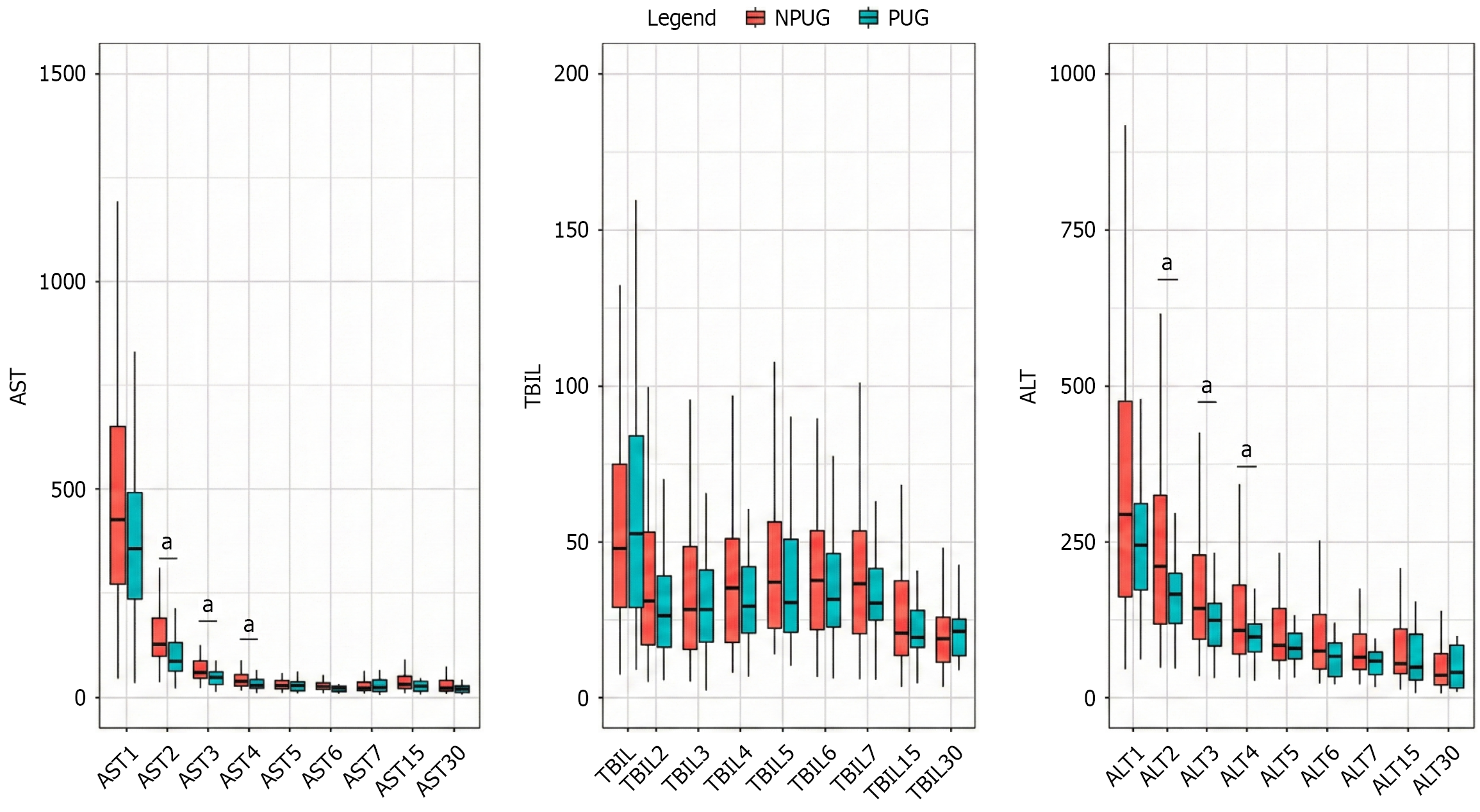
Figure 5 Aspartate aminotransferase, alanine aminotransferase, total bilirubin changes within 30 days of pancreas-using group and non-pancreas-using group after orthotopic liver transplantation.
Levels of aspartate aminotransferase, alanine aminotransferase, and total bilirubin rose significantly on postoperative day 1 before declining gradually in both groups. Significantly lower alanine aminotransferase and aspartate aminotransferase values were observed in the pancreas-using group (PUG) group compared to the non-PUG group on days 2, 3, and 4 post-surgery, and the differences were statistically significant. ALT: Alanine aminotransferase; AST: Aspartate aminotransferase; NPUG: Non-pancreas-using group; PUG: Pancreas-using group; TBIL: Total bilirubin. aP < 0.05.
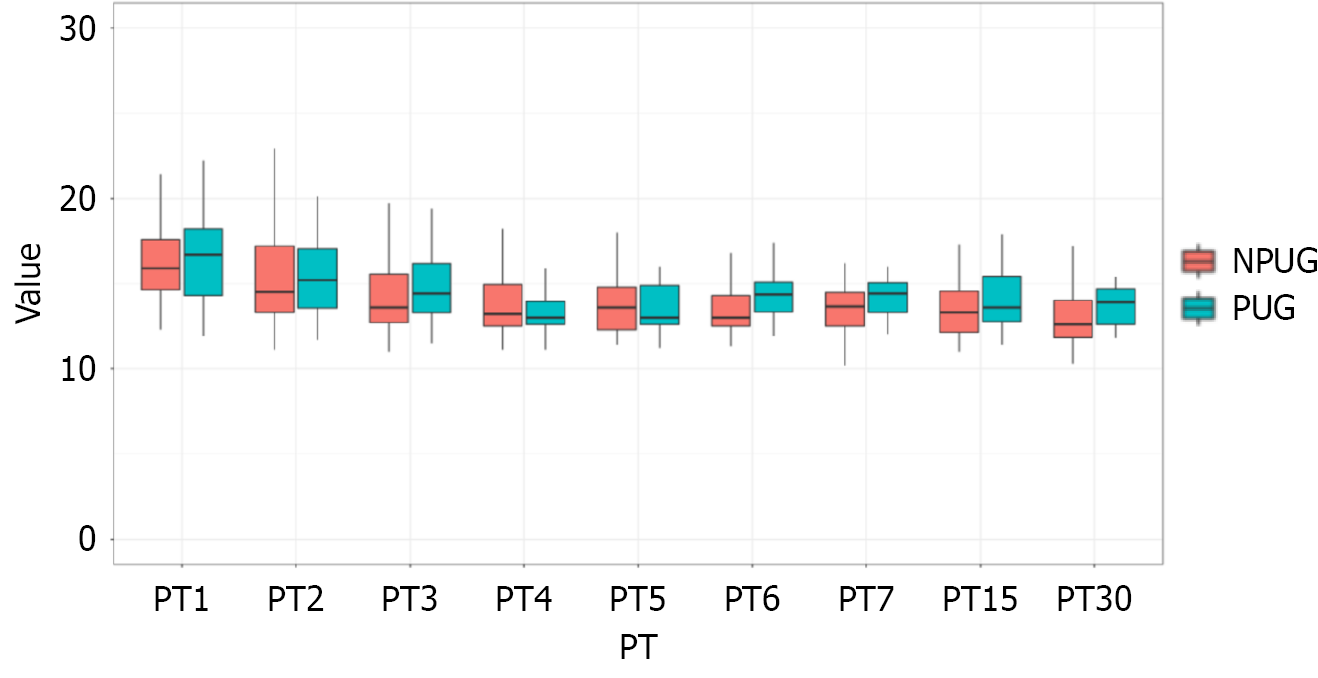
Figure 6 Changes in prothrombin time within 30 days post- orthotopic liver transplantation in the pancreas-using group and non-pancreas-using group groups.
NPUG: Non-pancreas-using group; PT: Prothrombin time; PUG: Pancreas-using group.
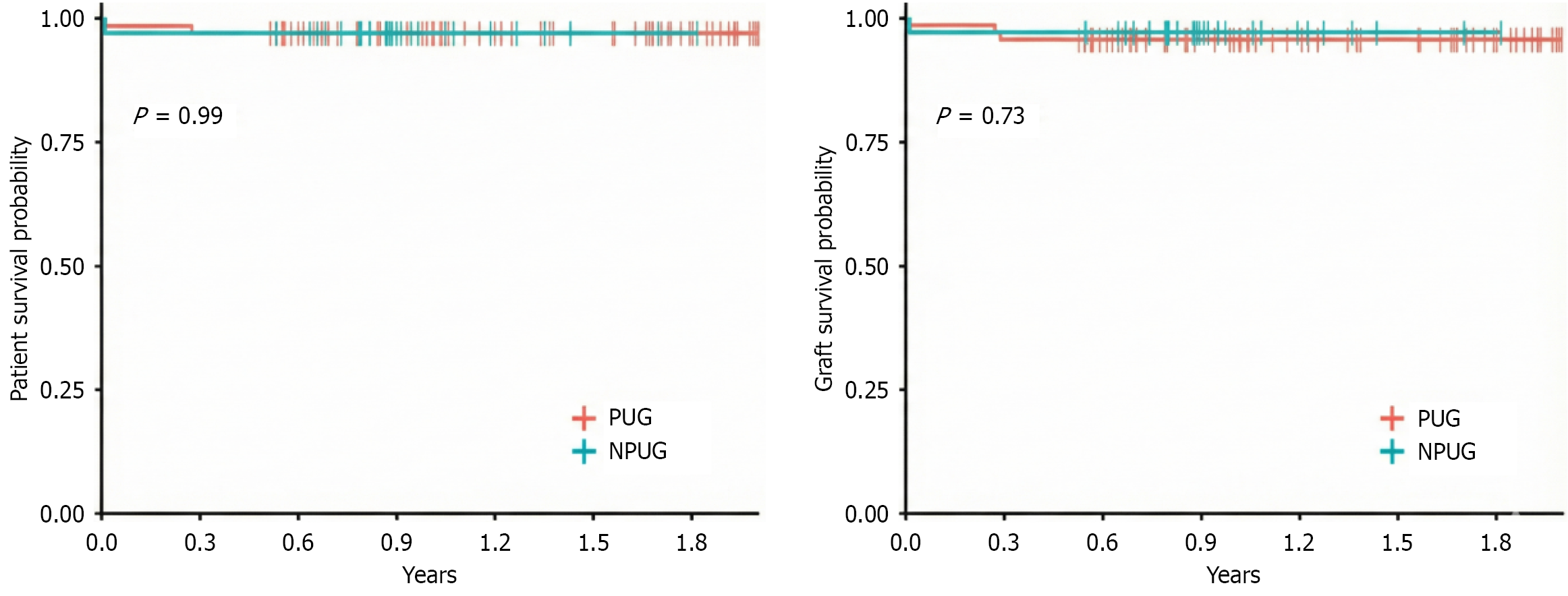
Figure 7 Patient and liver graft survival rates in the pancreas-using group and non-pancreas-using group.
NPUG: Non-pancreas-using group; PUG: Pancreas-using group.
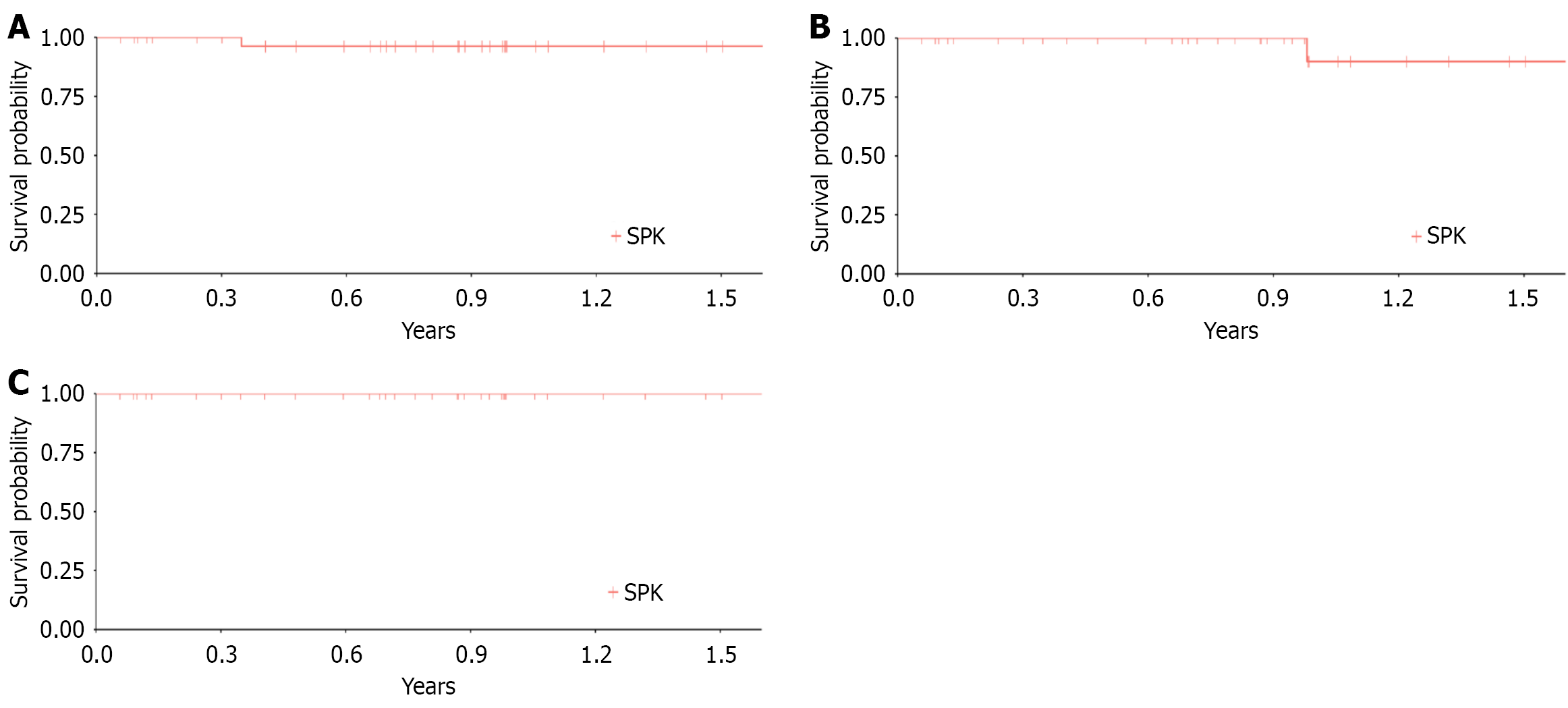
Figure 8 Transplanted survival rate in 34 simultaneous pancreas-kidney recipients.
A: Transplanted kidney survival rate in 34 simultaneous pancreas-kidney (SPK) recipients; B: Transplanted pancreas survival rate in 34 SPK recipients; C: Patient survival rate in 34 SPK recipients. SPK: Simultaneous pancreas-kidney.
- Citation: Xu Y, Zhang JY, Yu XH, Xie Y, Cao Y, Zhao J. Vascular allocation between liver and pancreas allografts: A retrospective single-center study. World J Gastrointest Surg 2026; 18(4): 117684
- URL: https://www.wjgnet.com/1948-9366/full/v18/i4/117684.htm
- DOI: https://dx.doi.org/10.4240/wjgs.v18.i4.117684