
















Copyright: ©Author(s) 2026.
World J Gastrointest Surg. Apr 27, 2026; 18(4): 116918
Published online Apr 27, 2026. doi: 10.4240/wjgs.v18.i4.116918
Published online Apr 27, 2026. doi: 10.4240/wjgs.v18.i4.116918
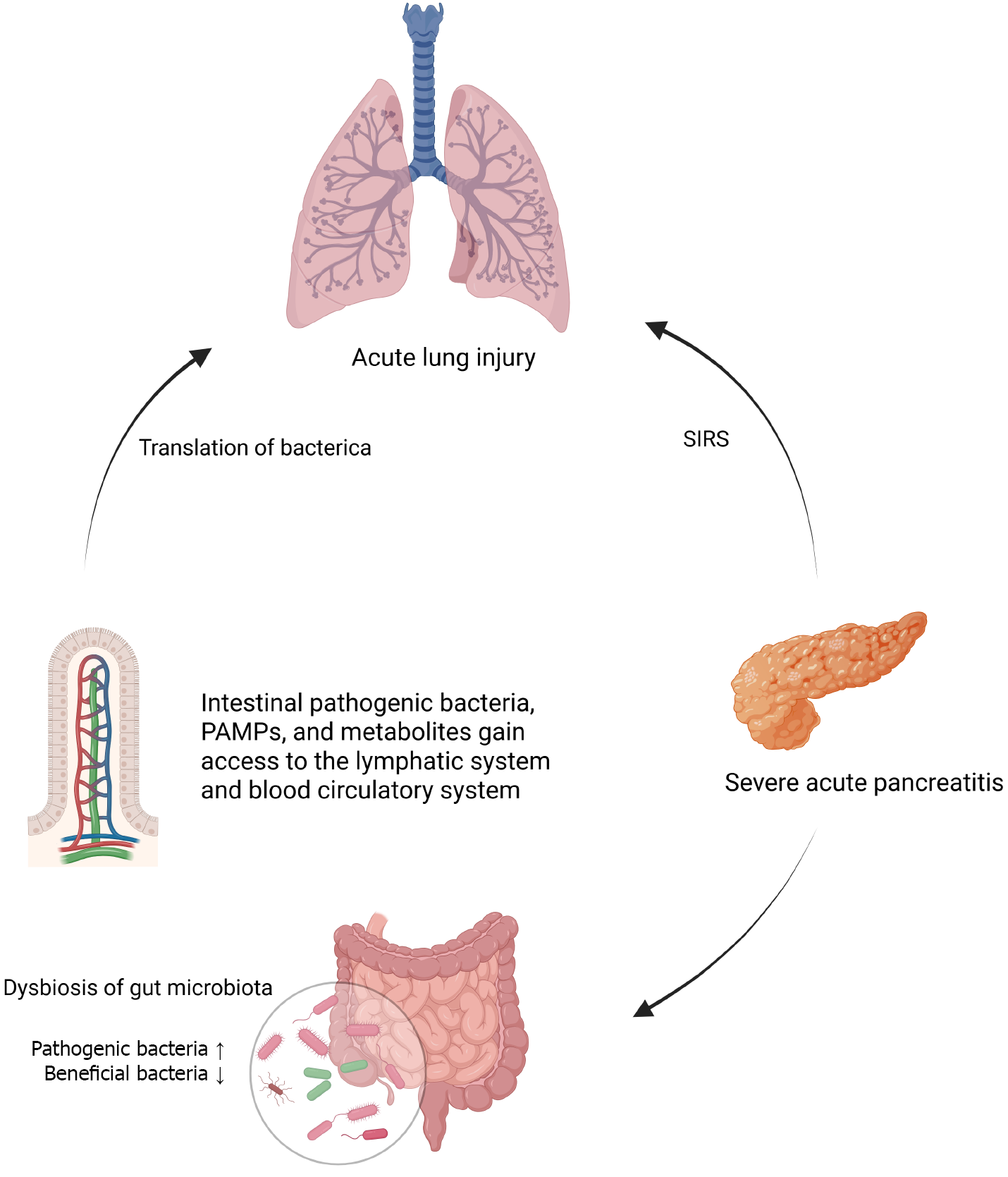
Figure 1 Pathways of intestinal bacterial translocation.
Created in BioRender. PAMPs: Pathogen-associated molecular patterns; SIRS: Systemic inflammatory response syndrome.
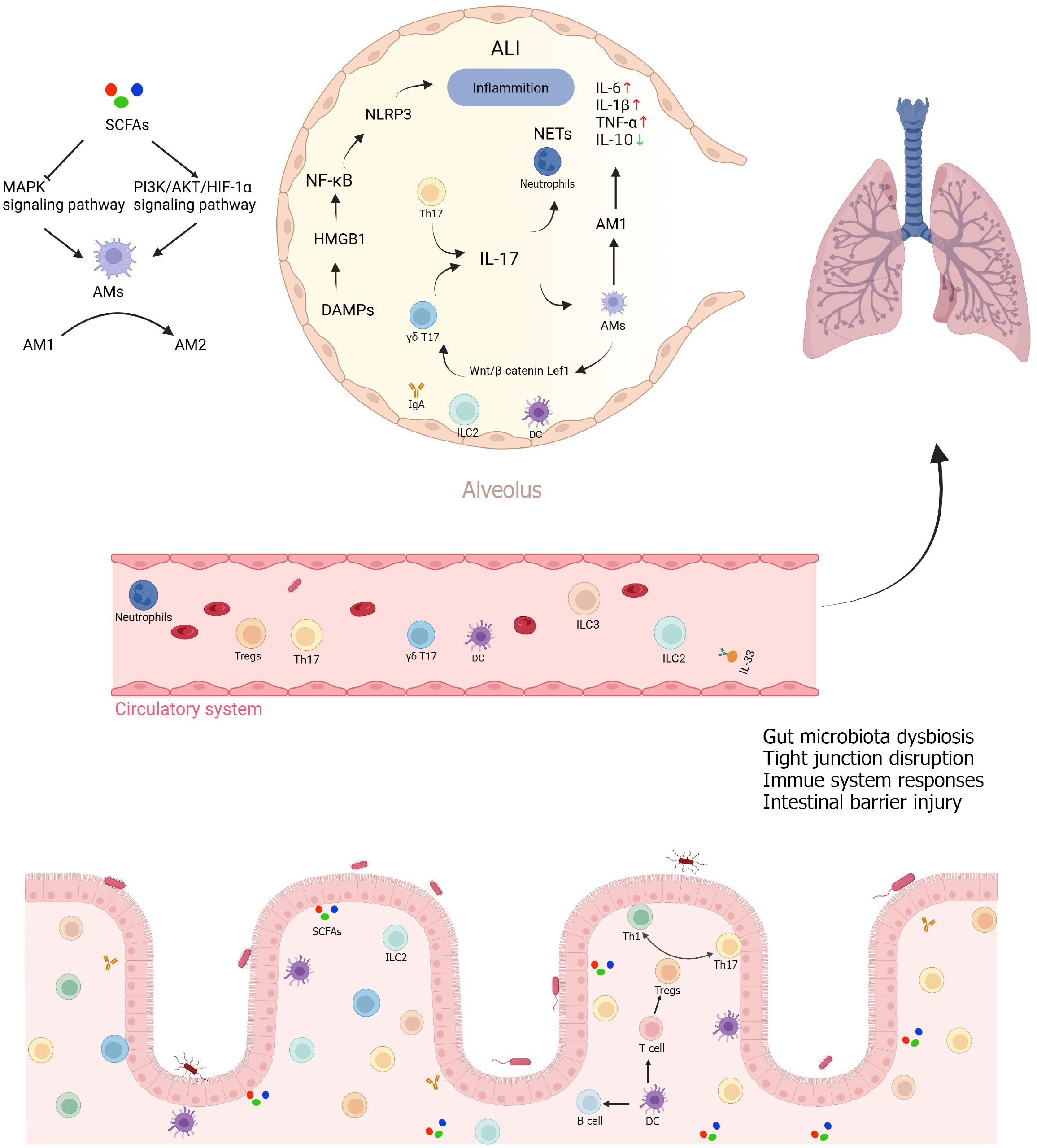
Figure 2 Pathogenesis of acute lung injury resulting from gut immune cell translocation.
Created in BioRender. AKT: Protein kinase B; ALI: Acute lung injury; AMs: Alveolar macrophages; DAMPs: Damage-associated molecular patterns; DC: Dendritic cells; γδ T: Gamma delta T cells; HIF-1α: Hypoxia-inducible factor 1 alpha; HMGB1: High mobility group box 1; IL: Interleukin; ILC2s: Group 2 innate lymphoid cells; MAPK: Mitogen-activated protein kinase; NETs: Neutrophil extracellular traps; NF-κB: Nuclear factor kappa B; NLRP3: NOD-, LRR- and pyrin domain-containing protein 3; PI3K: Phosphoinositide 3-kinase; SCFAs: Short-chain fatty acids; TNF-α: Tumor necrosis factor alpha; Th17: T helper 17 cells; Treg cells: Regulatory T cells.
- Citation: Ye XT, Yu CY, Zhao HY, Qian ST, Huang Y, Liu QS. Exploring the mechanism and potential treatment of severe acute pancreatitis-associated lung injury based on the gut-lung axis. World J Gastrointest Surg 2026; 18(4): 116918
- URL: https://www.wjgnet.com/1948-9366/full/v18/i4/116918.htm
- DOI: https://dx.doi.org/10.4240/wjgs.v18.i4.116918