
















©Author(s) (or their employer(s)) 2026.
World J Gastrointest Surg. Feb 27, 2026; 18(2): 115978
Published online Feb 27, 2026. doi: 10.4240/wjgs.v18.i2.115978
Published online Feb 27, 2026. doi: 10.4240/wjgs.v18.i2.115978
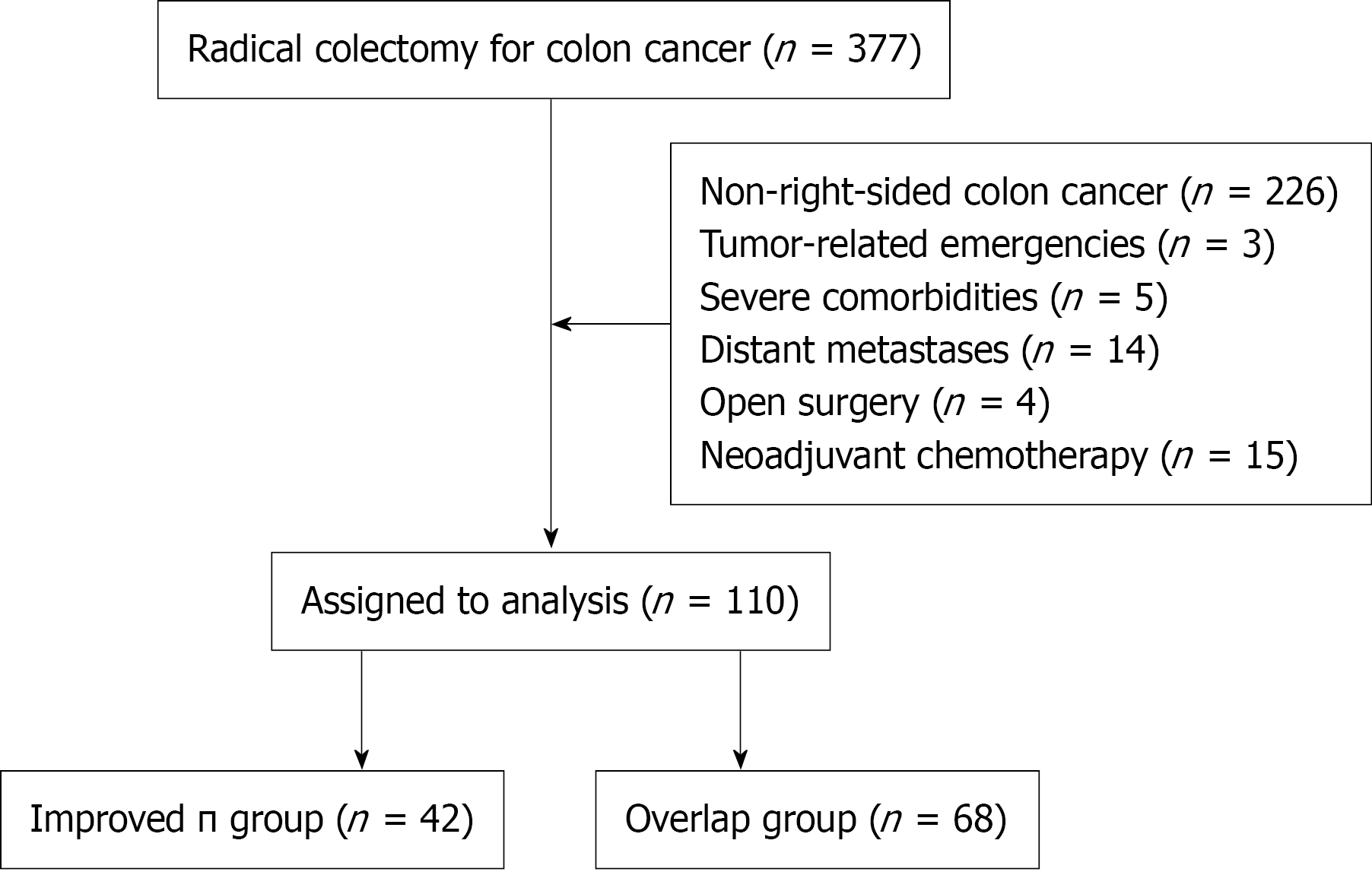
Figure 1 Flow chart of patient screening.
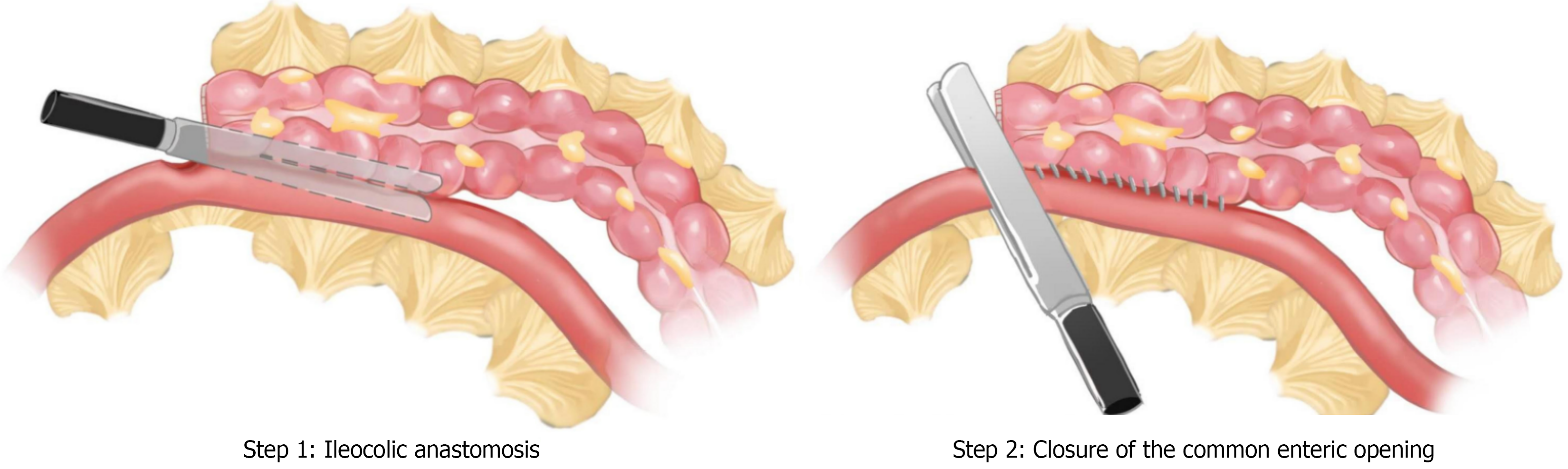
Figure 2 Schematic of improved π anastomosis.
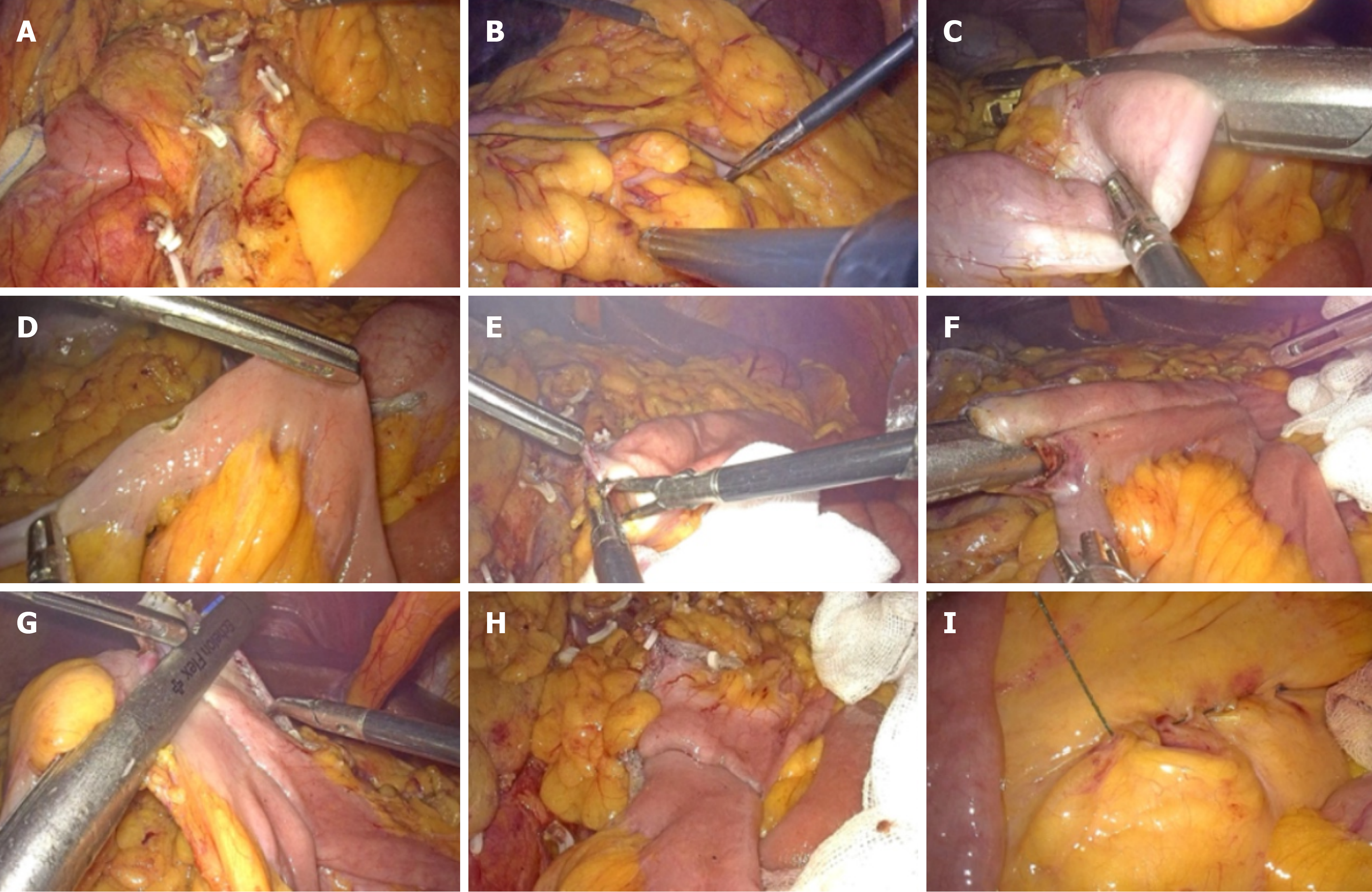
Figure 3 Surgical procedures of improved π anastomosis.
A: The caudal-to-median approach was used for regional lymph node and adipose tissue dissection; B: The distal resection margin was marked approximately 10 cm from the tumor; C: The transverse colon was transected with a linear stapler; D: A 0.5 cm incision was made along the anti-mesenteric edge at the predetermined ileal cutting line using electrocoagulation; E: A 0.5 cm incision was made on the anti-mesenteric side of the transverse colon stump; F: The two ends of the linear stapler were positioned in the ileum and transverse colon, completing the side-to-side ileocolonic anastomosis; G: The common opening between the ileum and colon was closed using the linear stapler, simultaneously transecting the ileum to complete the anastomosis; H: Completed side-to-side anastomosis of the ileum and colon; I: Closure of the mesenteric defect.
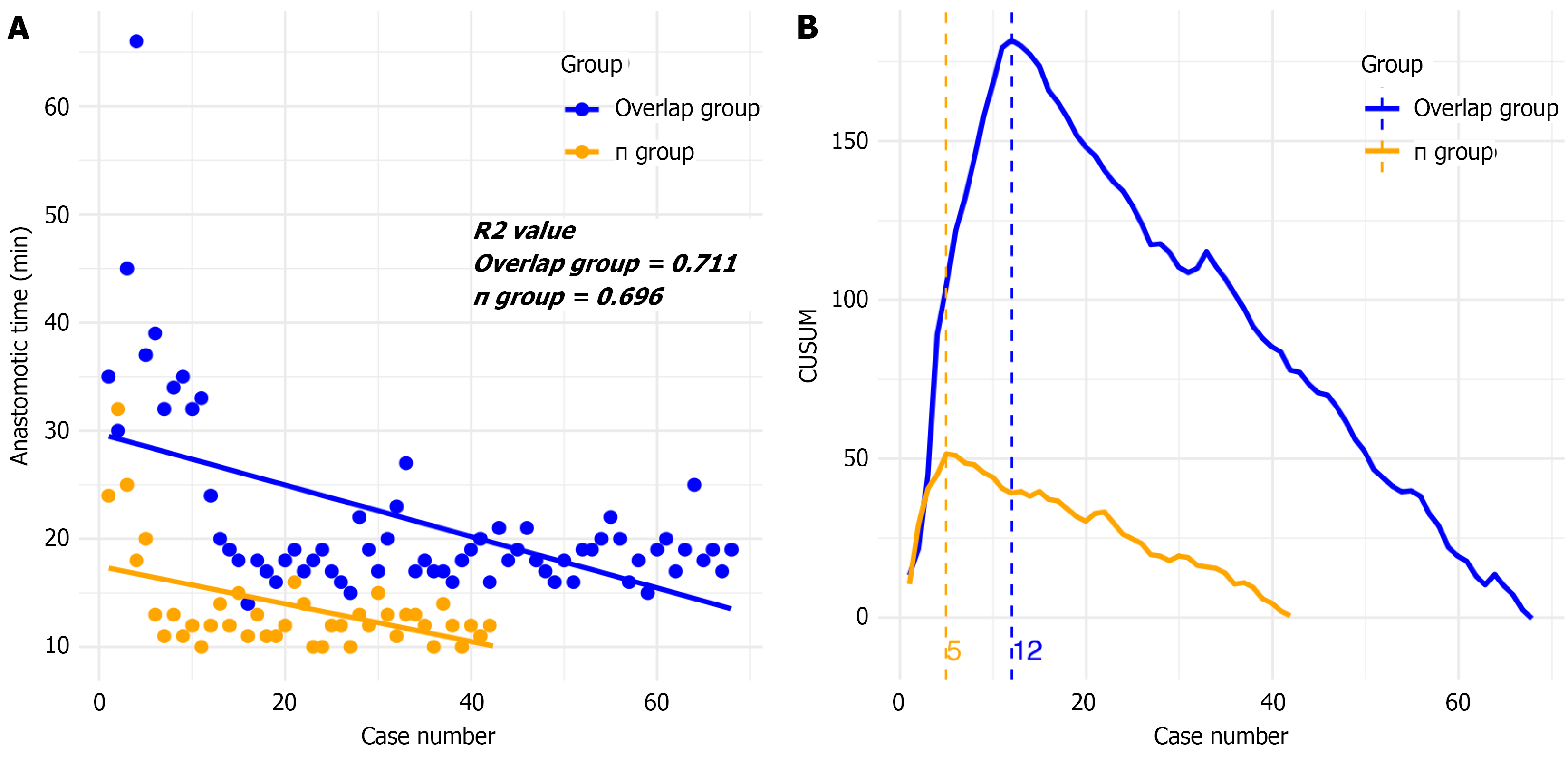
Figure 4 The learning curve analysis results.
A: Scatter plot; B: Cumulative sum plot. CUSUM: Cumulative sum.
- Citation: Wu JZ, Liu PF, Gu ZG, Zhang Z, Zhou ZY, Shen T. Application of improved π anastomosis in totally laparoscopic radical right hemicolectomy. World J Gastrointest Surg 2026; 18(2): 115978
- URL: https://www.wjgnet.com/1948-9366/full/v18/i2/115978.htm
- DOI: https://dx.doi.org/10.4240/wjgs.v18.i2.115978