
















©The Author(s) 2025.
World J Gastrointest Surg. Dec 27, 2025; 17(12): 113407
Published online Dec 27, 2025. doi: 10.4240/wjgs.v17.i12.113407
Published online Dec 27, 2025. doi: 10.4240/wjgs.v17.i12.113407
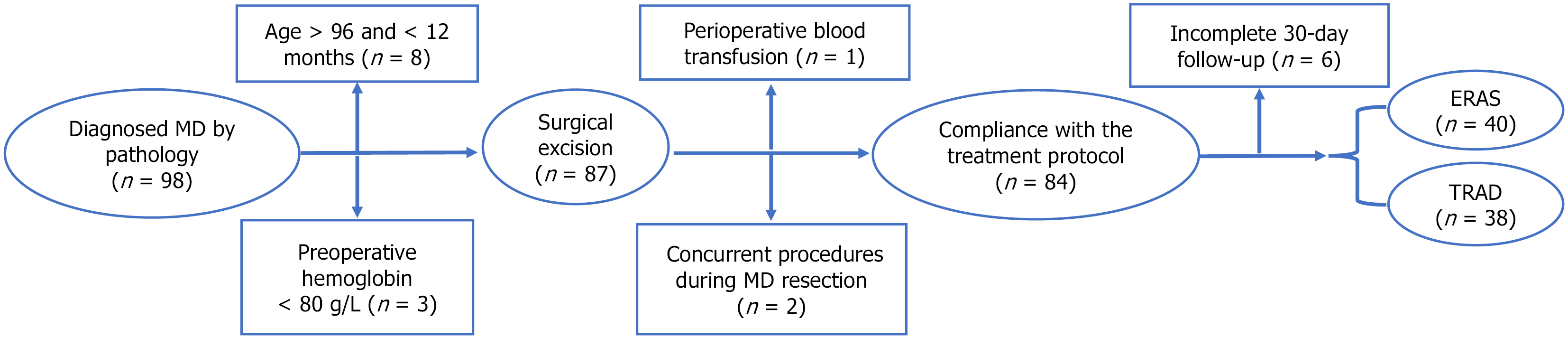
Figure 1 Flowchart of patient selection.
MD: Meckel’s diverticulum; ERAS: Enhanced recovery after surgery; TRAD: Traditional care group.
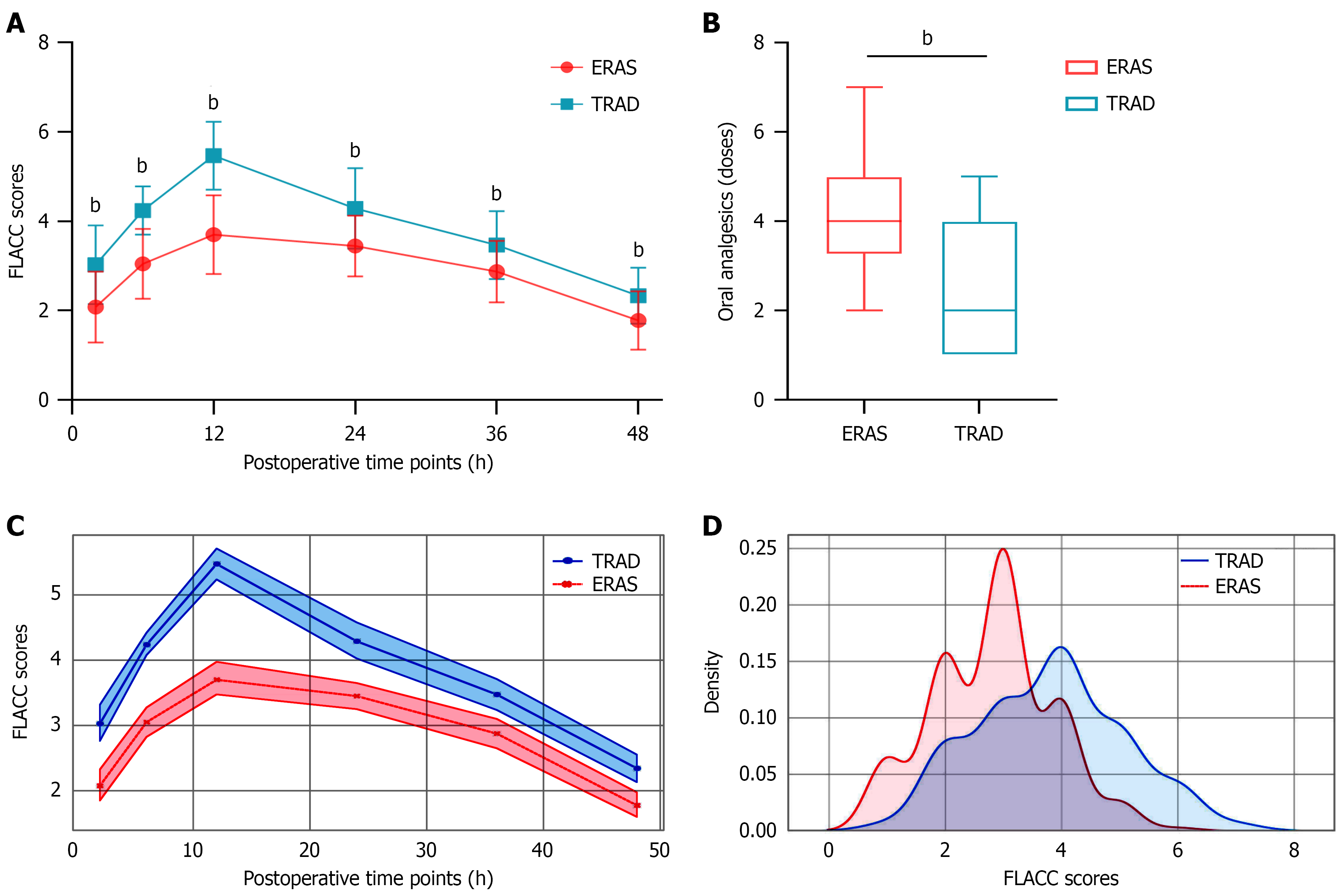
Figure 2 Comparison of postoperative Face, Legs, Activity, Cry, Consolability pain scores.
A: Face, Legs, Activity, Cry, Consolability pain scores were significantly lower in the enhanced recovery after surgery group (n = 40) than in the traditional care group (n = 38) at all postoperative time points; B: A higher frequency of oral analgesic administration was observed in patients in the enhanced recovery after surgery group; C: Pain values over time by group; D: Pain density by group. bP < 0.001. FLACC: Face, Legs, Activity, Cry, Consolability; ERAS: Enhanced recovery after surgery; TRAD: Traditional care group.
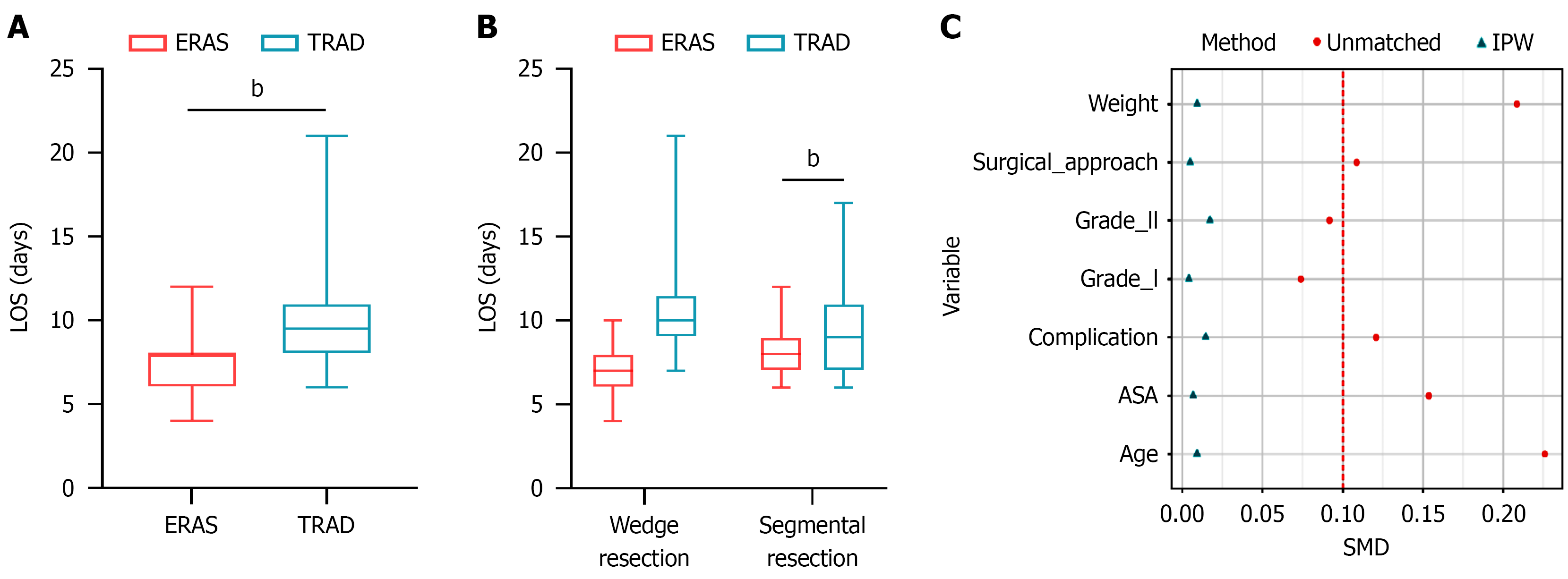
Figure 3 Comparison of postoperative length of stay.
A: Implementation of enhanced recovery after surgery resulted in a significant reduction in length of stay; B: Subgroup analysis by surgical approach showed the greatest length of stay reduction in patients undergoing segmental resection; C: Standardized mean differences of covariates before and after inverse probability weighting. Covariates included in the models: Age, weight, American Society of Anesthesiologists classification, surgical approach, and surgical indication/disease severity. bP < 0.001. LOS: Length of stay; ERAS: Enhanced recovery after surgery; TRAD: Traditional care group; SMD: Standardized mean difference; IPW: Inverse probability weighting.
- Citation: Zhu K, Zhang X, Li Y, Gao Y, Tong YM, He JJ, Su YL. Enhanced recovery after surgery protocol implementation in pediatric Meckel’s diverticulum resection: A clinical outcome study. World J Gastrointest Surg 2025; 17(12): 113407
- URL: https://www.wjgnet.com/1948-9366/full/v17/i12/113407.htm
- DOI: https://dx.doi.org/10.4240/wjgs.v17.i12.113407